


Primary sourceBook1785
Ode to Joy
Friedrich Schiller · 1785
Schiller's 1785 poem of universal brotherhood, later set to music by Beethoven and now the anthem of Europe.
Schiller wrote this ode himself, expressing the cosmopolitan idealism that defines his legacy.
Free Humy account · No credit card · 120,912 sources to read
About this source
What it is
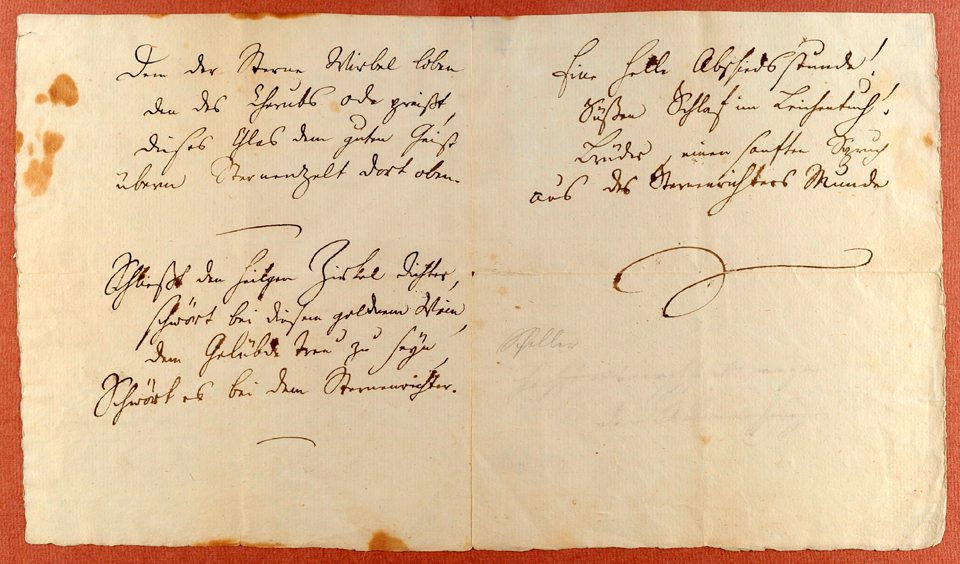
This is a manuscript of Schiller's poem "An die Freude" (Ode to Joy), written in the summer of 1785 while he was staying in Leipzig with his publisher, and first published the following year. The handwriting shown differs slightly from the printed version.
Why it matters
Though Schiller later called the poem "detached from reality" in a letter to his friend Christian Gottfried Körner, its vision of all people becoming brothers outlived his doubts. Ludwig van Beethoven used the text in the final movement of his Ninth Symphony, and Beethoven's melody later became the Anthem of Europe. The poem's long afterlife, sung at protests and historic moments around the world, shows how Schiller's idealism about universal human unity reached far beyond his own century.
Look closer
- Why might a poem about joy and brotherhood have been used later at protests and moments of political change?
- What does it mean that Schiller himself doubted the poem's value?
- Looking at the handwriting, what do the differences from the printed text suggest about how the poem evolved?
This book is part of the curated material that grounds the AI version of Friedrich Schiller on Humy.ai — when students ask about related events, the AI can quote it and cite it.
More Friedrich Schiller sources
Browse all 88 →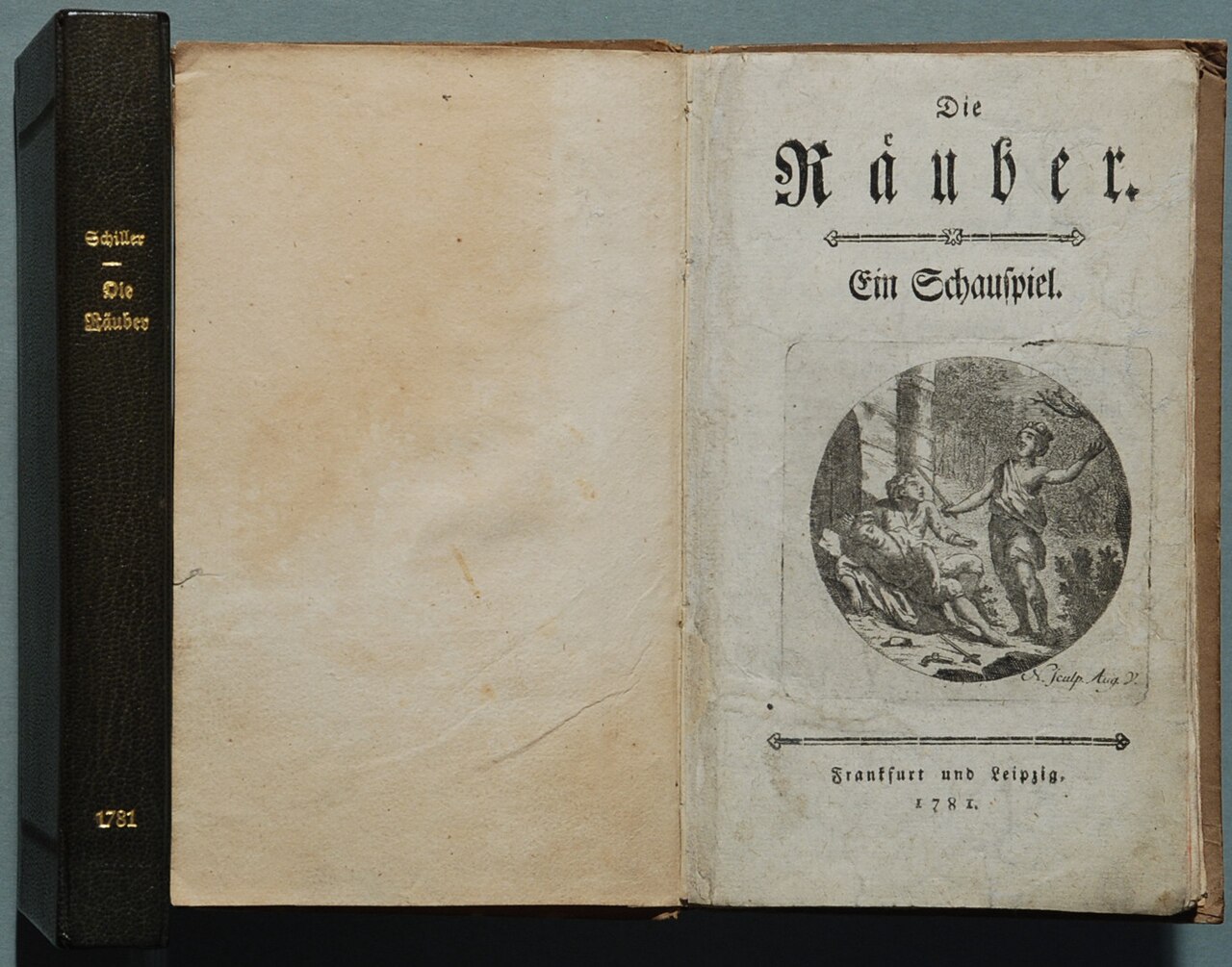 Book
Primary source
The Robbers
Friedrich Schiller · 1781
 Book
Primary source
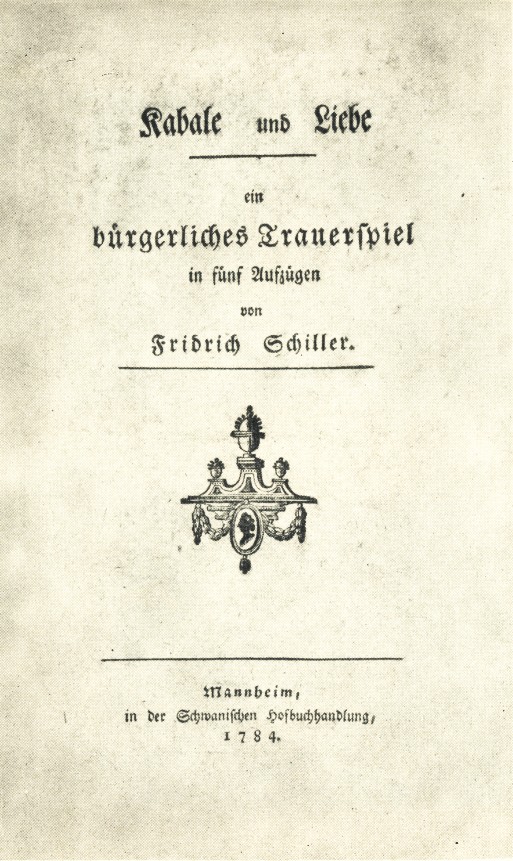
Intrigue and Love
Friedrich Schiller · 1784
 Book
Primary source
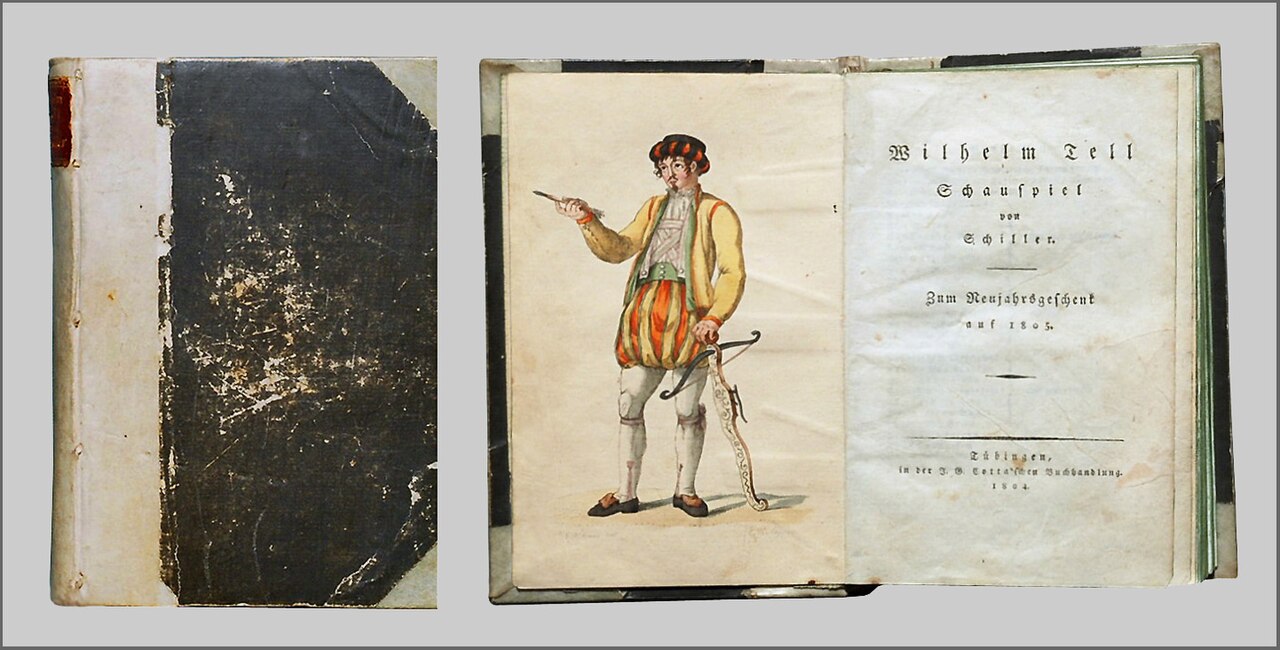
William Tell
Friedrich Schiller · 1804
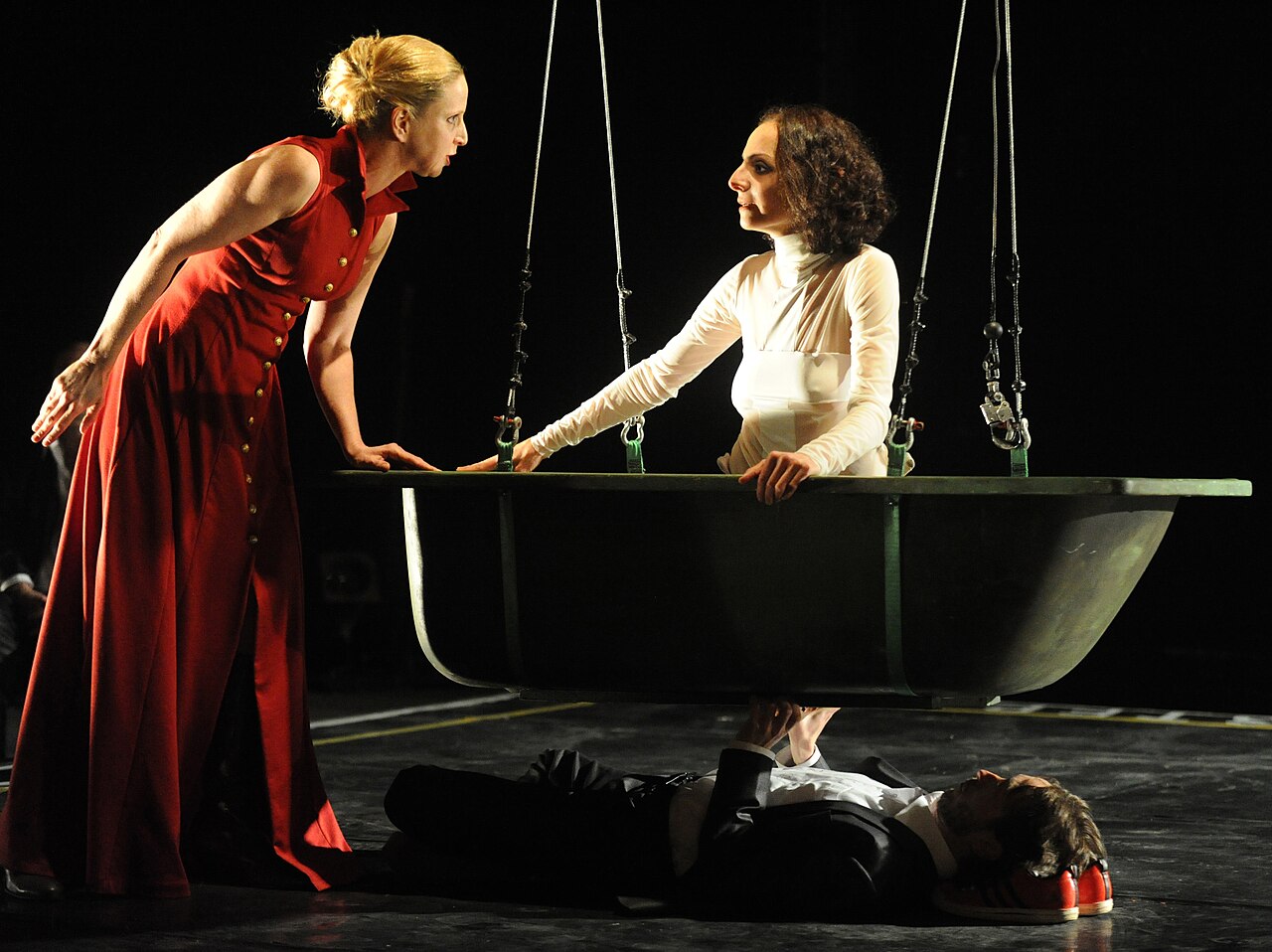 Book
Secondary source
Mary Stuart
Friedrich Schiller · 1800
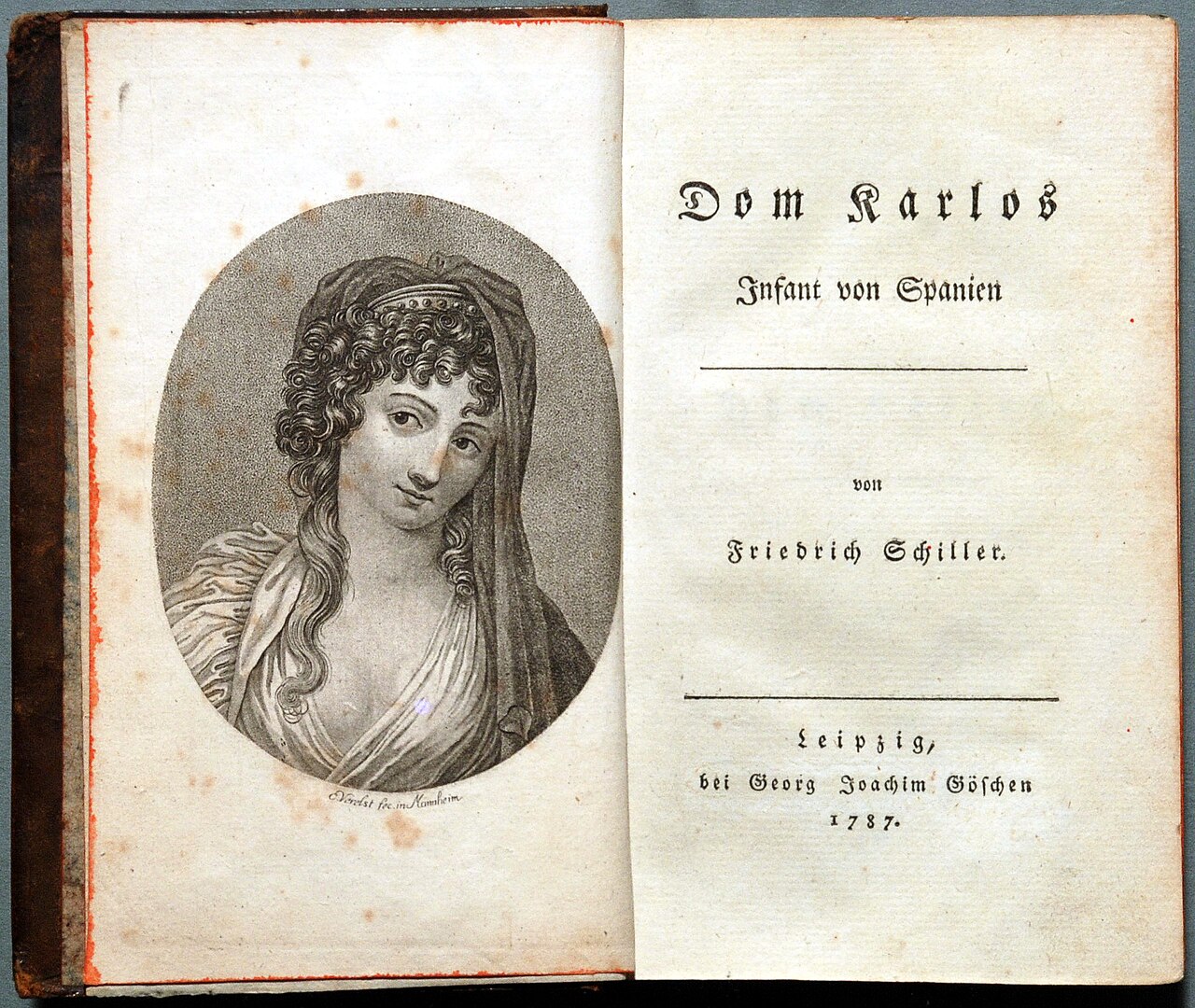
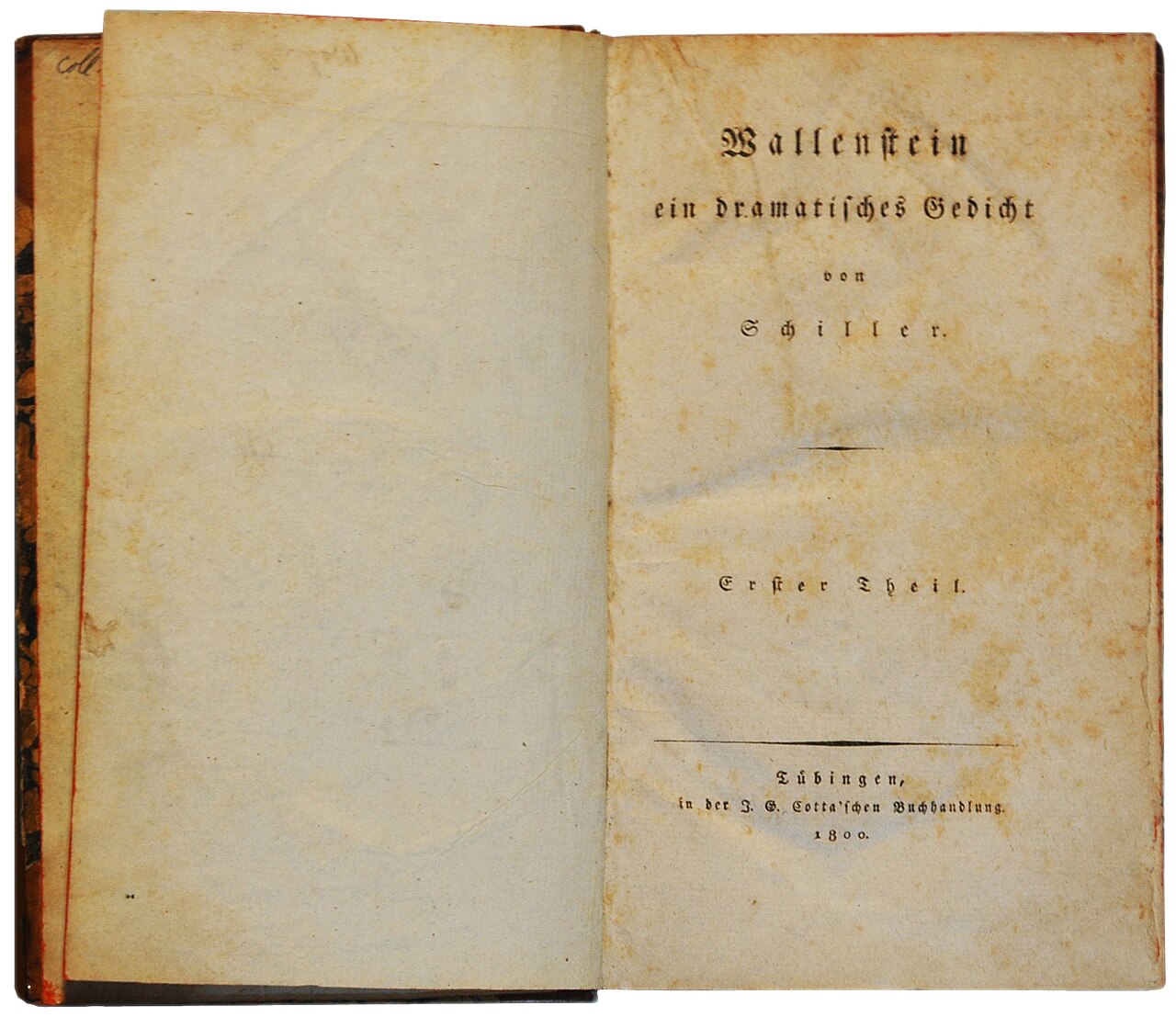
Free account
Read every Friedrich Schiller source
Sign up free →
Ready when you are
Start chatting with Friedrich Schiller now.
20 messages free · No credit card · Available in 50+ languages.