


Secondary sourceBook1800
Mary Stuart
Friedrich Schiller · 1800
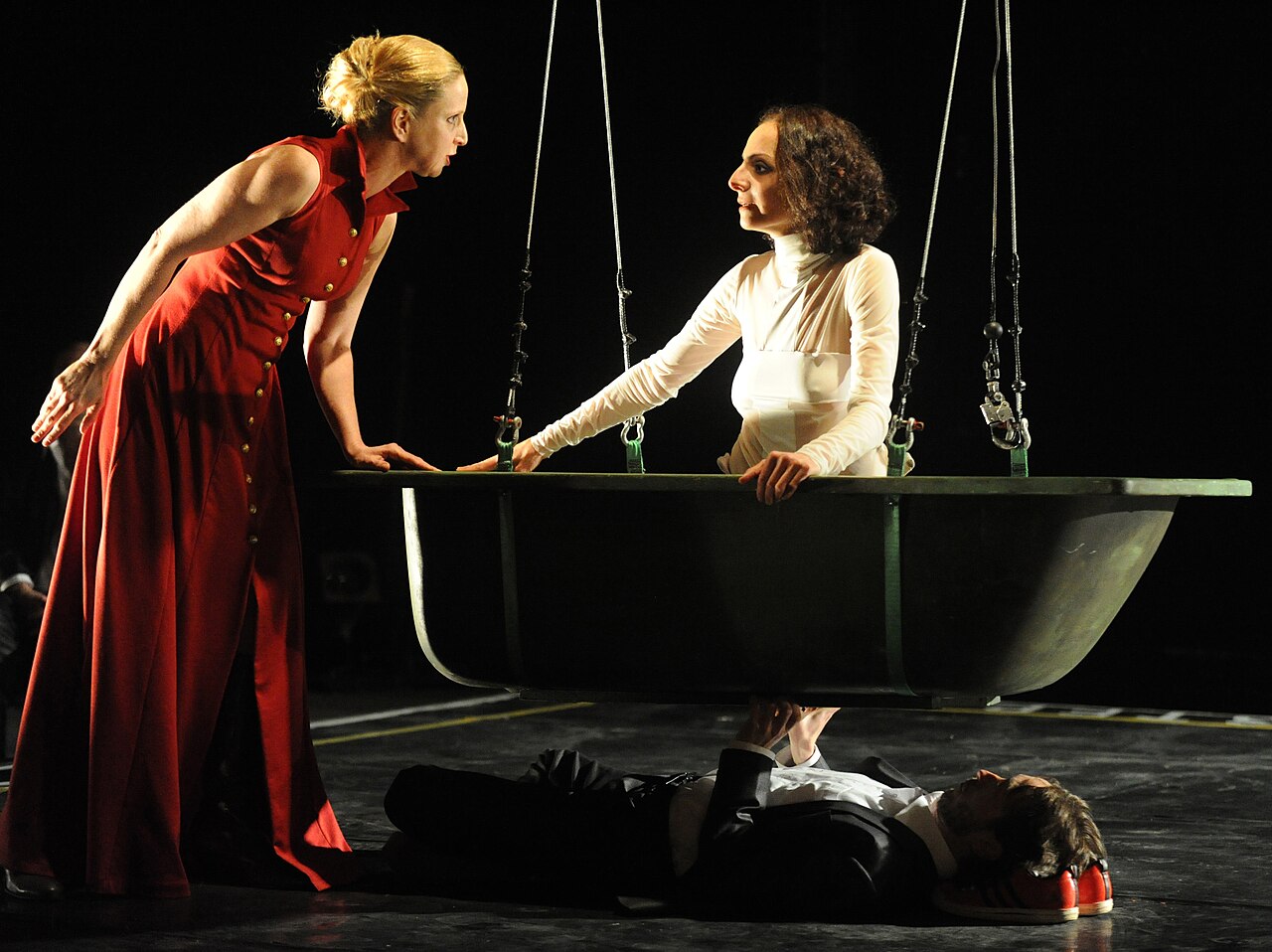
A German verse tragedy by Friedrich Schiller imagining the final days of Mary, Queen of Scots, including an invented meeting with Elizabeth I.
This play reimagines Mary's final days and her rivalry with Elizabeth I, shaping how later generations remembered her.
Free Humy account · No credit card · 120,912 sources to read
About this source
What it is
This is a five-act verse play written by Friedrich Schiller, first performed in Weimar, Germany in 1800. It dramatizes the last days of Mary, Queen of Scots, as a prisoner in England, and her rivalry with Queen Elizabeth I. The play later inspired Donizetti's opera Maria Stuarda.
Why it matters
The play shows how, two centuries after her death, Mary became a romantic and tragic symbol in European literature. Schiller invented characters and events, including a face-to-face meeting between Mary and Elizabeth that never actually happened, showing how writers reshape history into drama.
Look closer
- Why might Schiller have invented a meeting between Mary and Elizabeth that never occurred?
- How does turning a real historical figure into a tragic heroine change the way audiences remember her?
- What does the play leave out or simplify about the real political situation?
This book is part of the curated material that grounds the AI version of Mary, Queen of Scots and Friedrich Schiller on Humy.ai — when students ask about related events, the AI can quote it and cite it.
More Mary, Queen of Scots sources
Browse all 88 →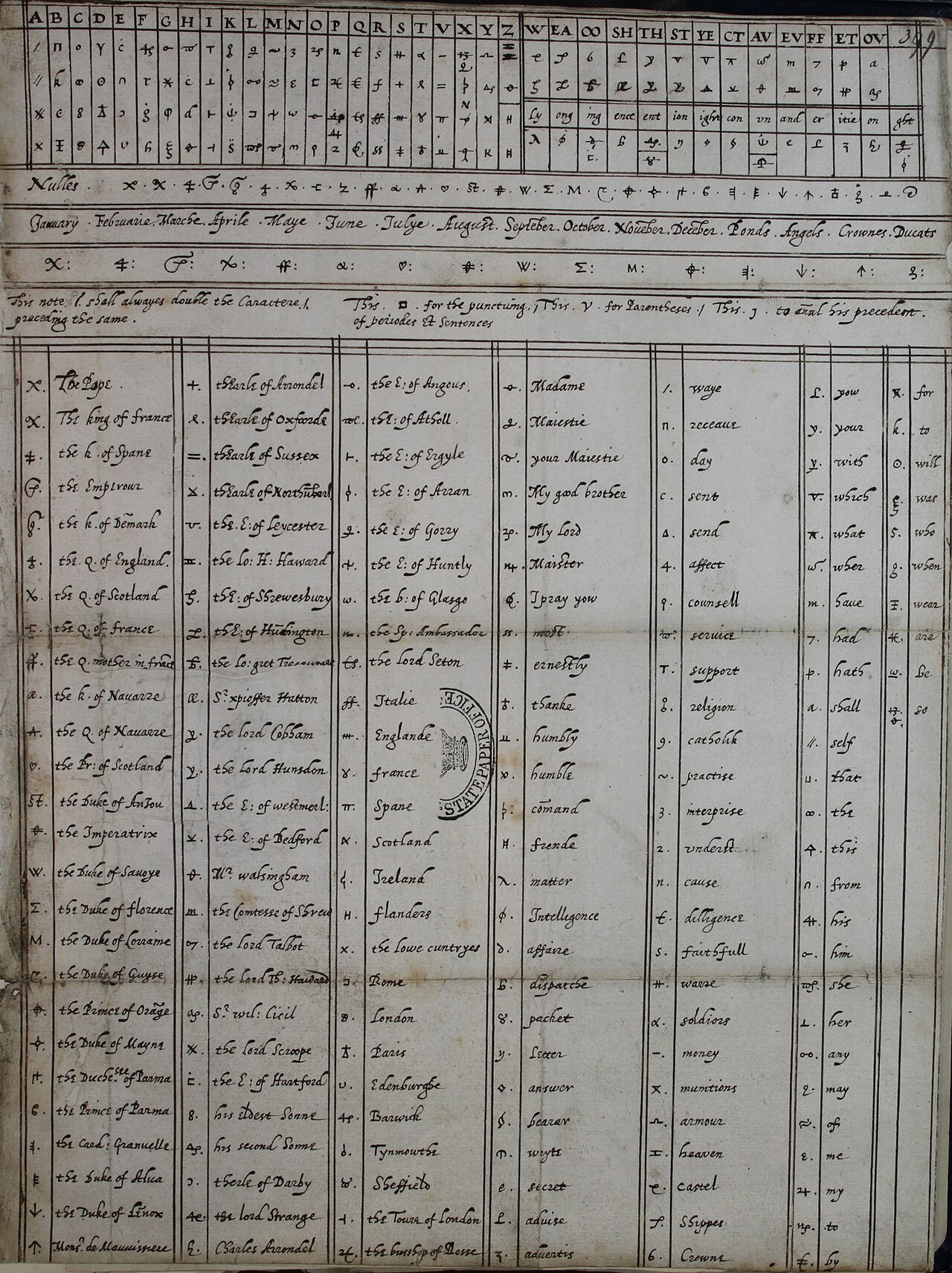 Document
Primary source
Cipher and Code Tables of Mary, Queen of Scots
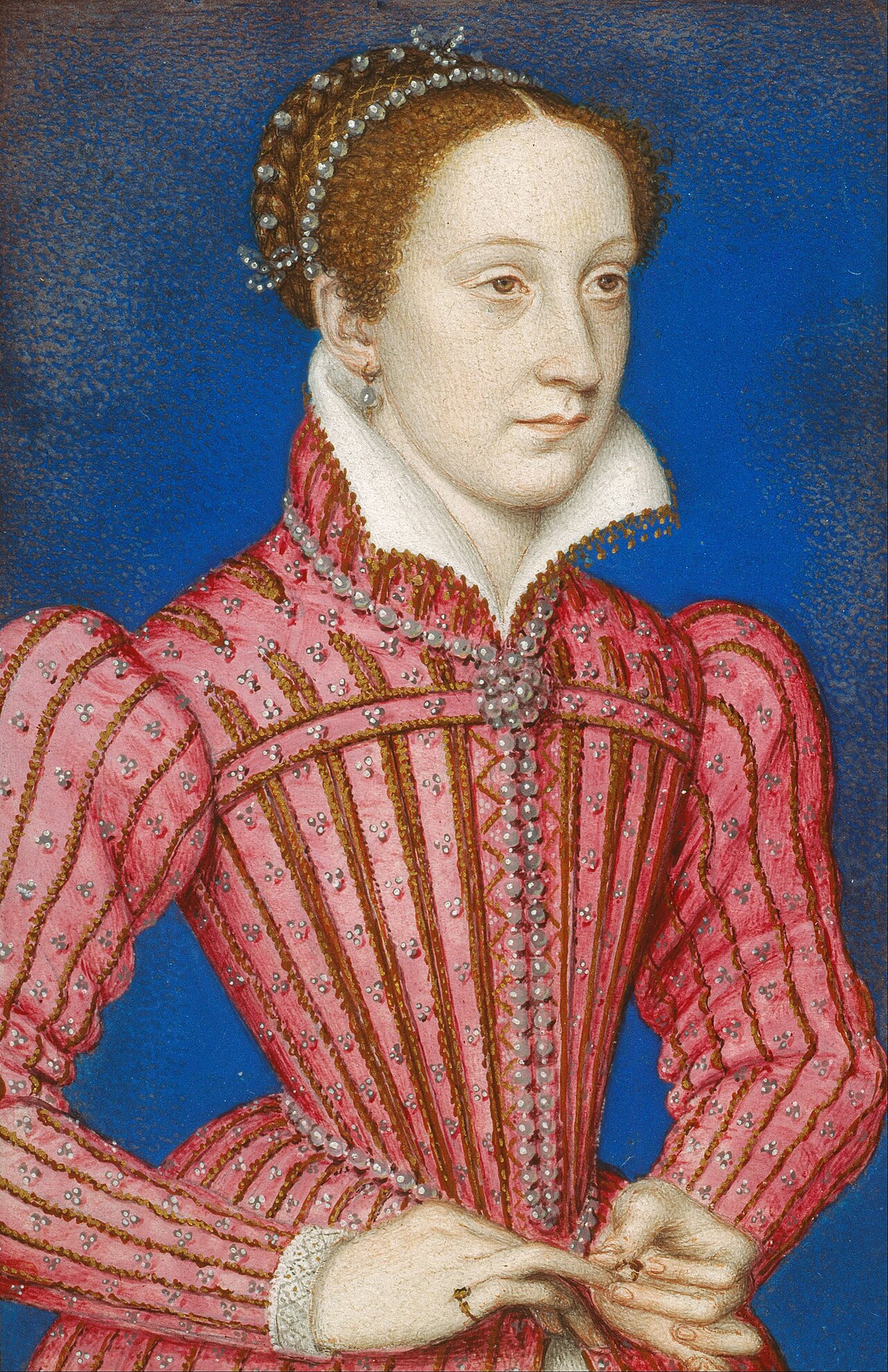
Mary, Queen of Scots
 Painting
Primary source
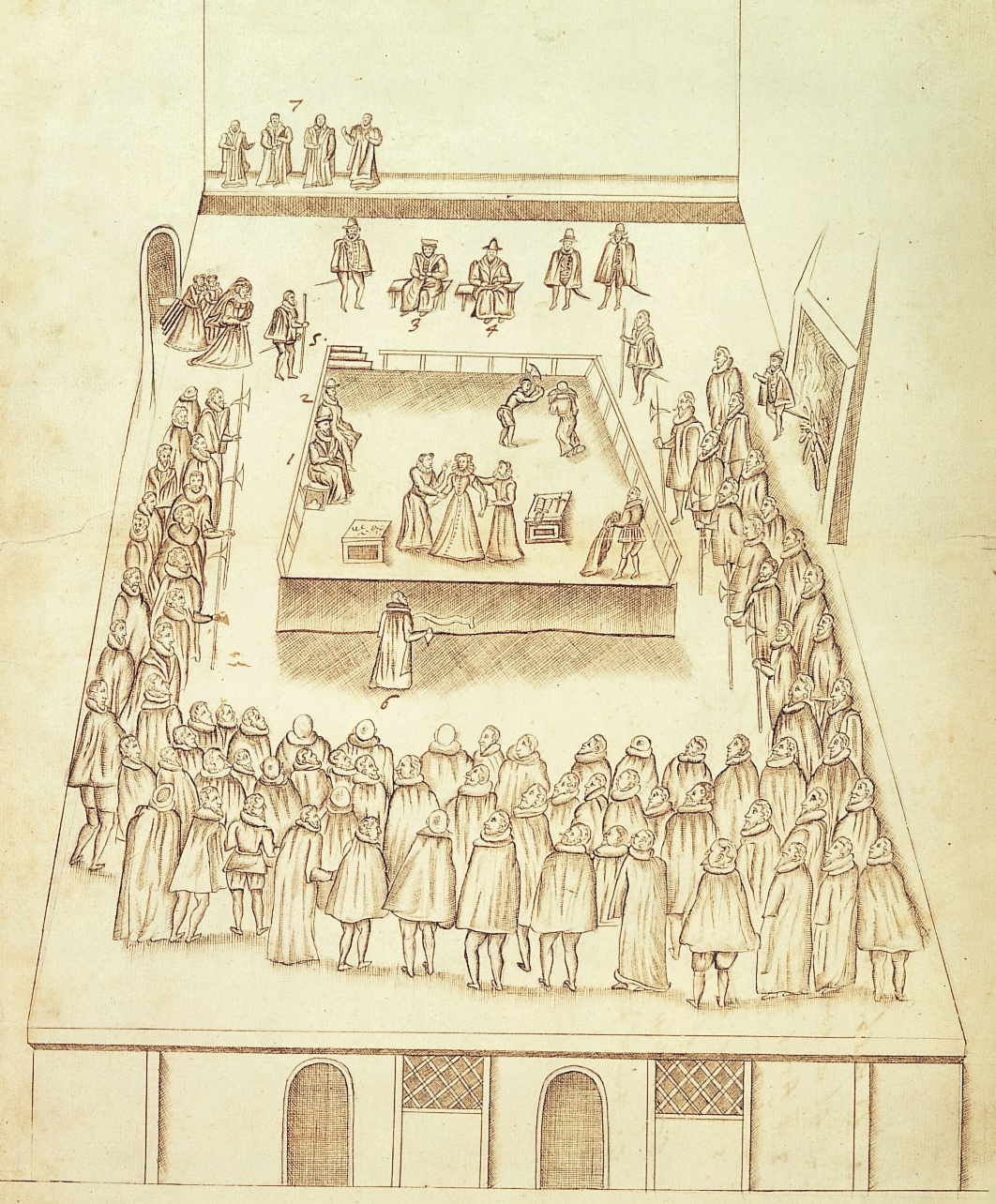
Drawing of the Execution of Mary, Queen of Scots at Fotheringhay
Unknown artist (Beale papers) · 1587
 Painting
Primary source
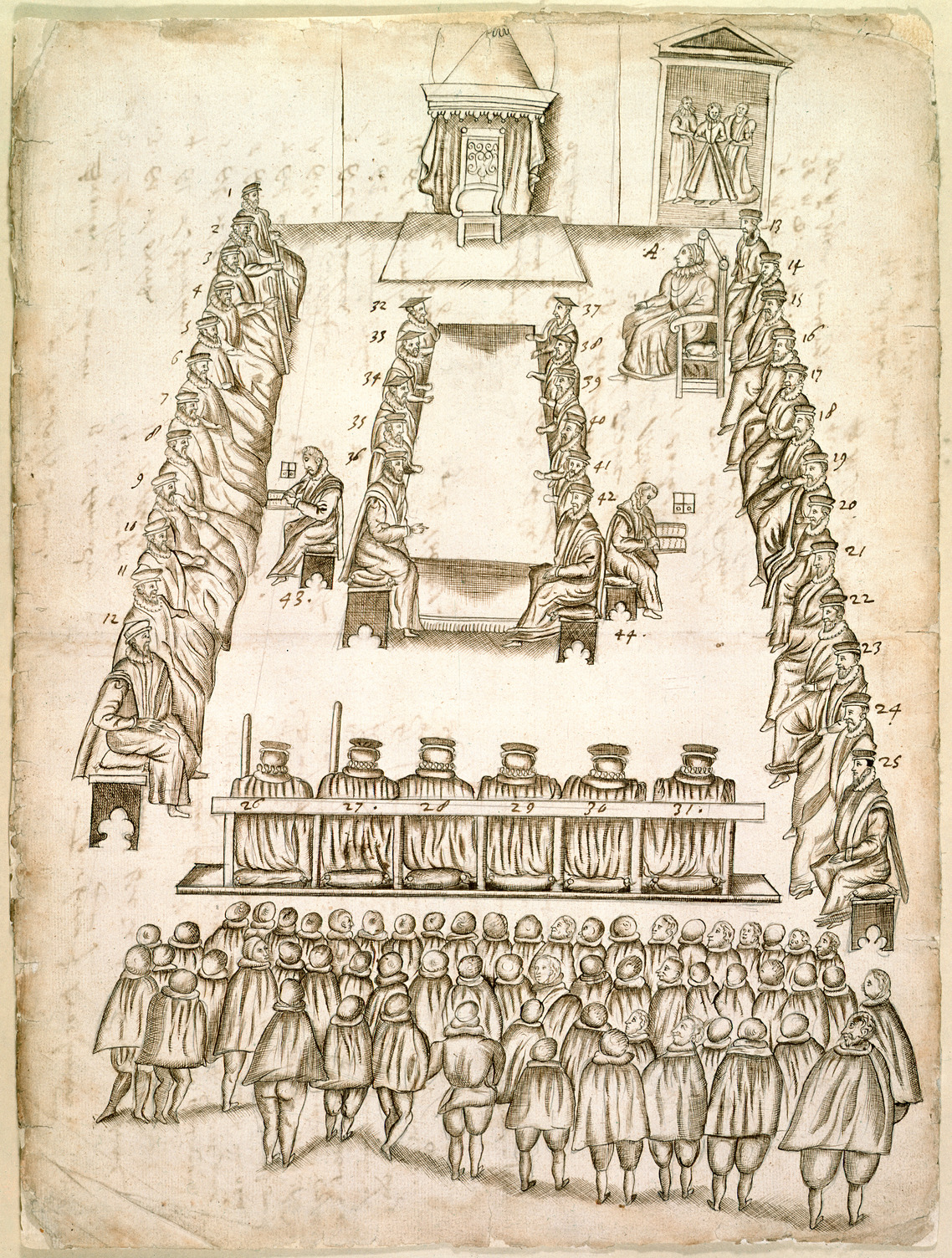
Drawing of the Trial of Mary, Queen of Scots
Unknown artist · 14-15 October 1586
 Letter
Primary source
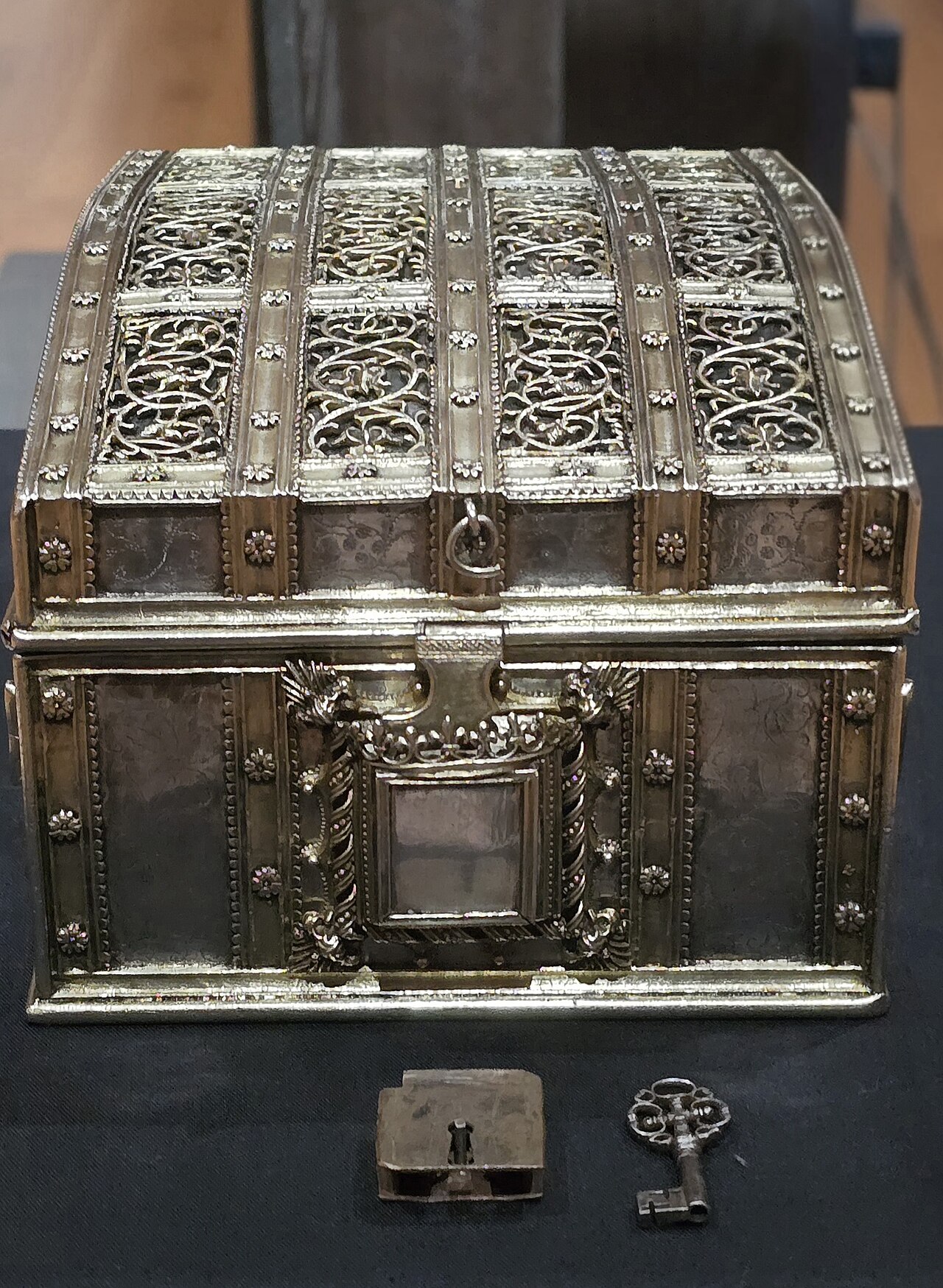
Casket Letters
Attributed to Mary, Queen of Scots (disputed) · January-April 1567
Free account
Read every Mary, Queen of Scots source
Sign up free →
Ready when you are
Start chatting with Mary, Queen of Scots now.
20 messages free · No credit card · Available in 50+ languages.