


Primary sourceDocument1928
Olmstead v. United States Opinion
William Howard Taft · 1928
Chief Justice Taft's 1928 majority opinion ruling that wiretapped evidence did not violate the Fourth Amendment.
Taft authored this opinion as Chief Justice, illustrating his judicial philosophy after leaving the presidency.
About this source
What it is
This is the majority opinion of the U.S. Supreme Court in Olmstead v. United States, decided in 1928 and written by Chief Justice William Howard Taft. The case concerned whether wiretapped telephone conversations used as evidence against bootleggers violated the Fourth and Fifth Amendments.
Why it matters
Taft, writing after his presidency as Chief Justice, ruled that wiretapping without physical trespass did not violate constitutional protections. The decision shaped debates over privacy and government surveillance for decades.
Look closer
- What reasoning did Taft use to decide that wiretapping was not a constitutional violation?
- Why might this case still matter for debates about privacy and technology today?
- What does the case tell you about law enforcement during Prohibition?
This document is part of the curated material that grounds the AI version of William Howard Taft on Humy.ai — when students ask about related events, the AI can quote it and cite it.
More William Howard Taft sources
Meet the AI William Howard Taft →Primary source
1912 State of the Union Address
William Howard Taft · 3 December 1912
 Document
Primary source
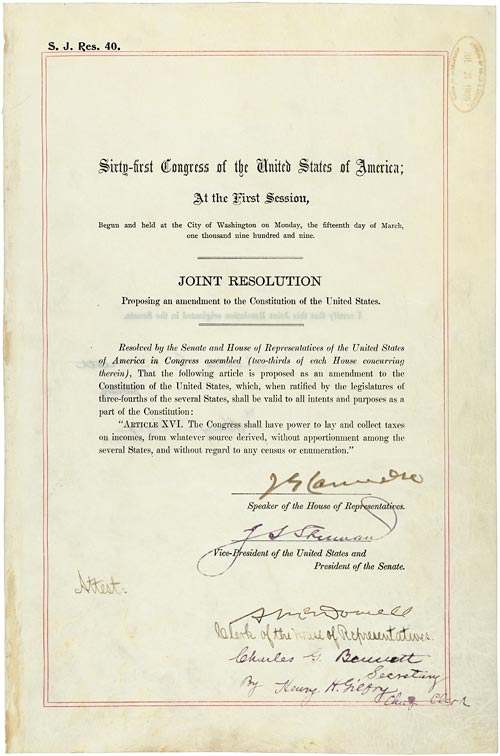
16th Amendment to the U.S. Constitution: Federal Income Tax
61st United States Congress · 1913
Primary source
Inaugural Address of William Howard Taft
William Howard Taft · 4 March 1909
Primary source
Recording of the voice of William Howard Taft
William Howard Taft · c. 1912
 Painting
Primary source
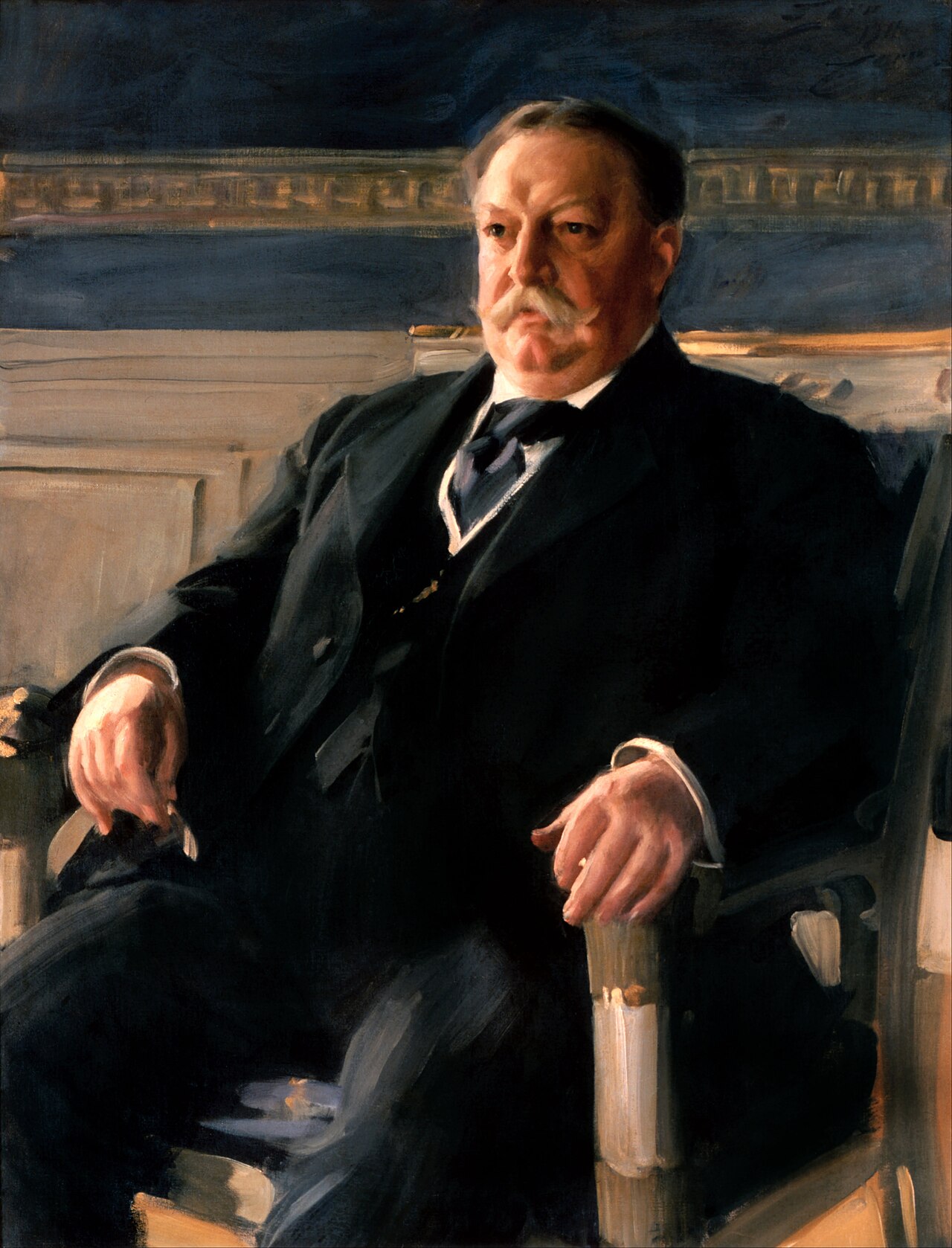
William Howard Taft (Zorn portrait)
Anders Zorn · 1911
Ready when you are
Start chatting with William Howard Taft now.
20 messages free · No credit card · Available in 50+ languages.