


Primary sourceDocument1879
On a Possible Mode of Detecting Motion Through the Luminiferous Ether
James Clerk Maxwell · 1879
Maxwell's last major scientific paper, written near the end of his life, proposing a way to detect the Earth's motion through the supposed luminiferous ether.
Maxwell's own last scientific paper, written and signed by him shortly before his death.
Free Humy account · No credit card · 120,912 sources to read
About this source
What it is
This is a scientific paper by James Clerk Maxwell, written in 1879 shortly before his death. It took the form of a letter to D. P. Todd, Director of the Nautical Almanac Office in Washington, which was then communicated to the Royal Society by Professor Stone.
Why it matters
The paper proposes an experiment to detect the motion of the solar system through the luminiferous ether, a substance scientists of the time believed filled space and carried light waves. Maxwell's idea, based partly on earlier research by astronomer William Huggins, influenced later experiments that eventually helped disprove the existence of the ether altogether.
Look closer
- Why might a scientist publish an idea even if testing it would be very difficult?
- What does this paper tell us about the scientific problems physicists were trying to solve in the 1870s?
- How did Maxwell's letter reach the Royal Society, and why does that matter for understanding how science was shared?
This document is part of the curated material that grounds the AI version of James Clerk Maxwell on Humy.ai — when students ask about related events, the AI can quote it and cite it.
More James Clerk Maxwell sources
Browse all 90 →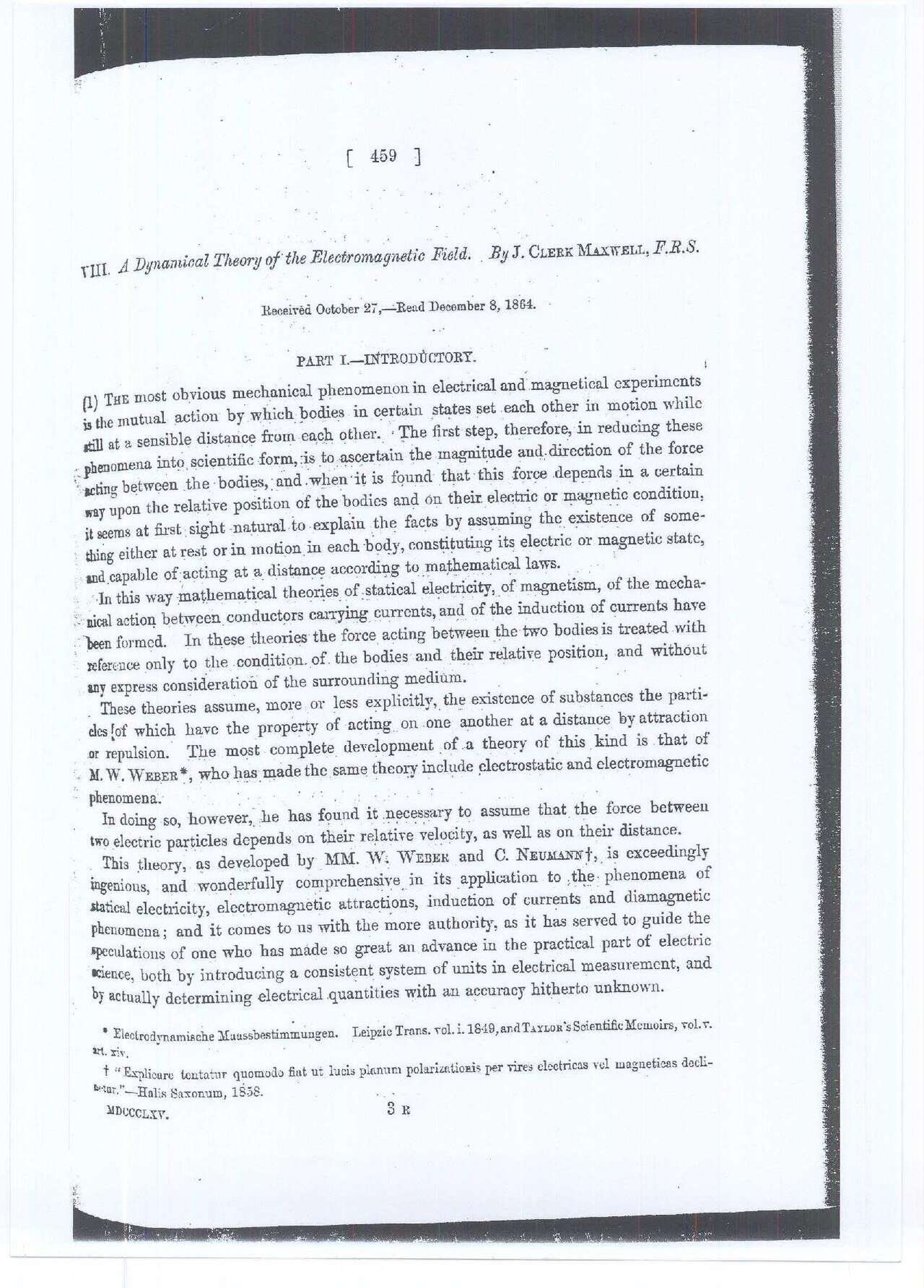 Document
Primary source
A Dynamical Theory of the Electromagnetic Field
James Clerk Maxwell · 1865 (read 8 December 1864)
 Photograph
Primary source
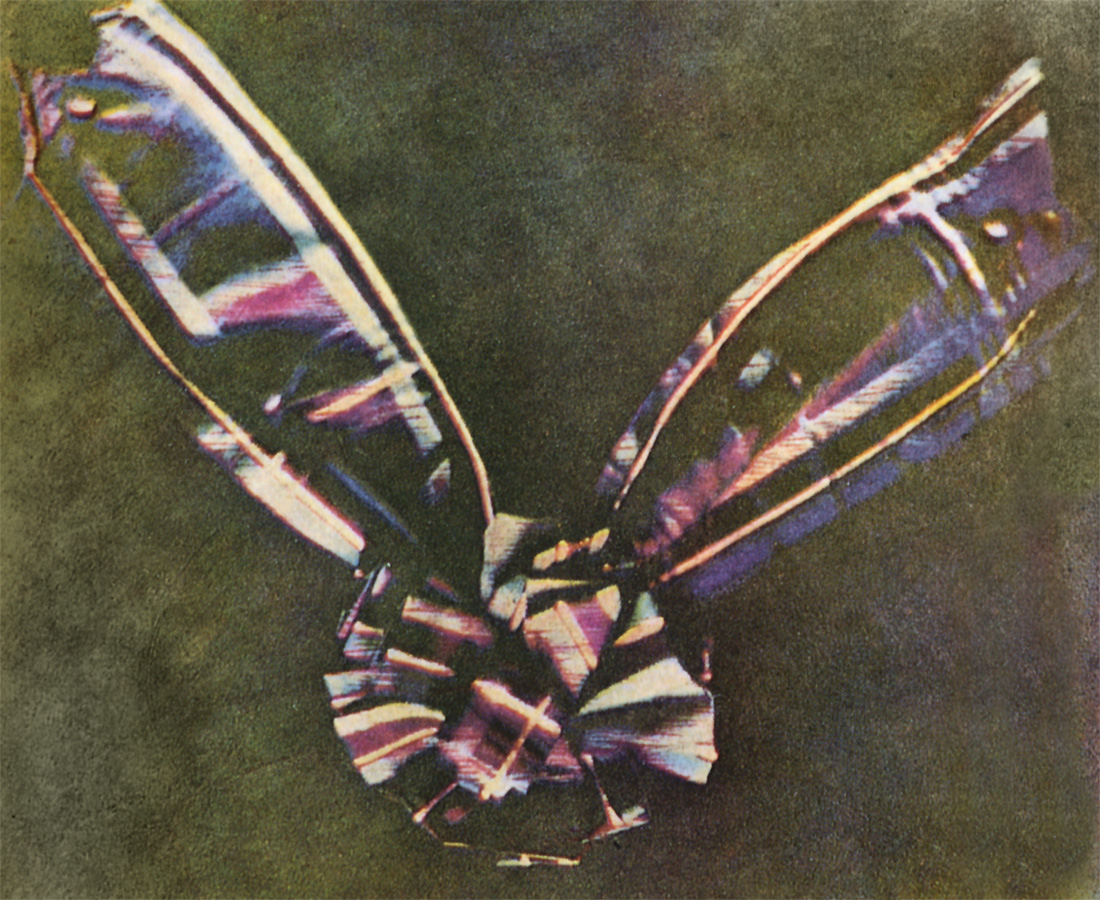
Tartan Ribbon Colour Photograph
James Clerk Maxwell with Thomas Sutton · 1861
 Document
Primary source
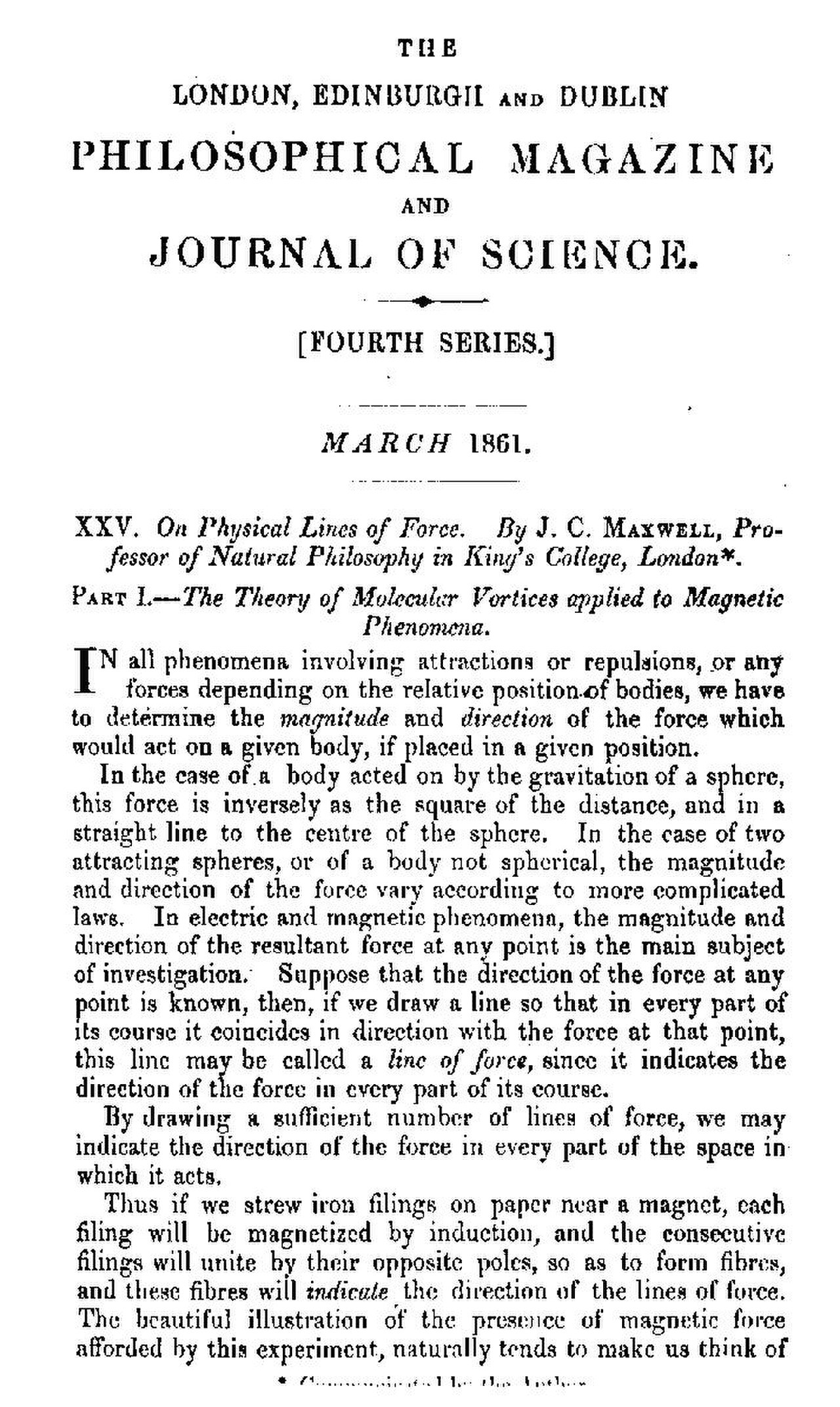
On Physical Lines of Force
James Clerk Maxwell · 1861–1862
 Document
Secondary source
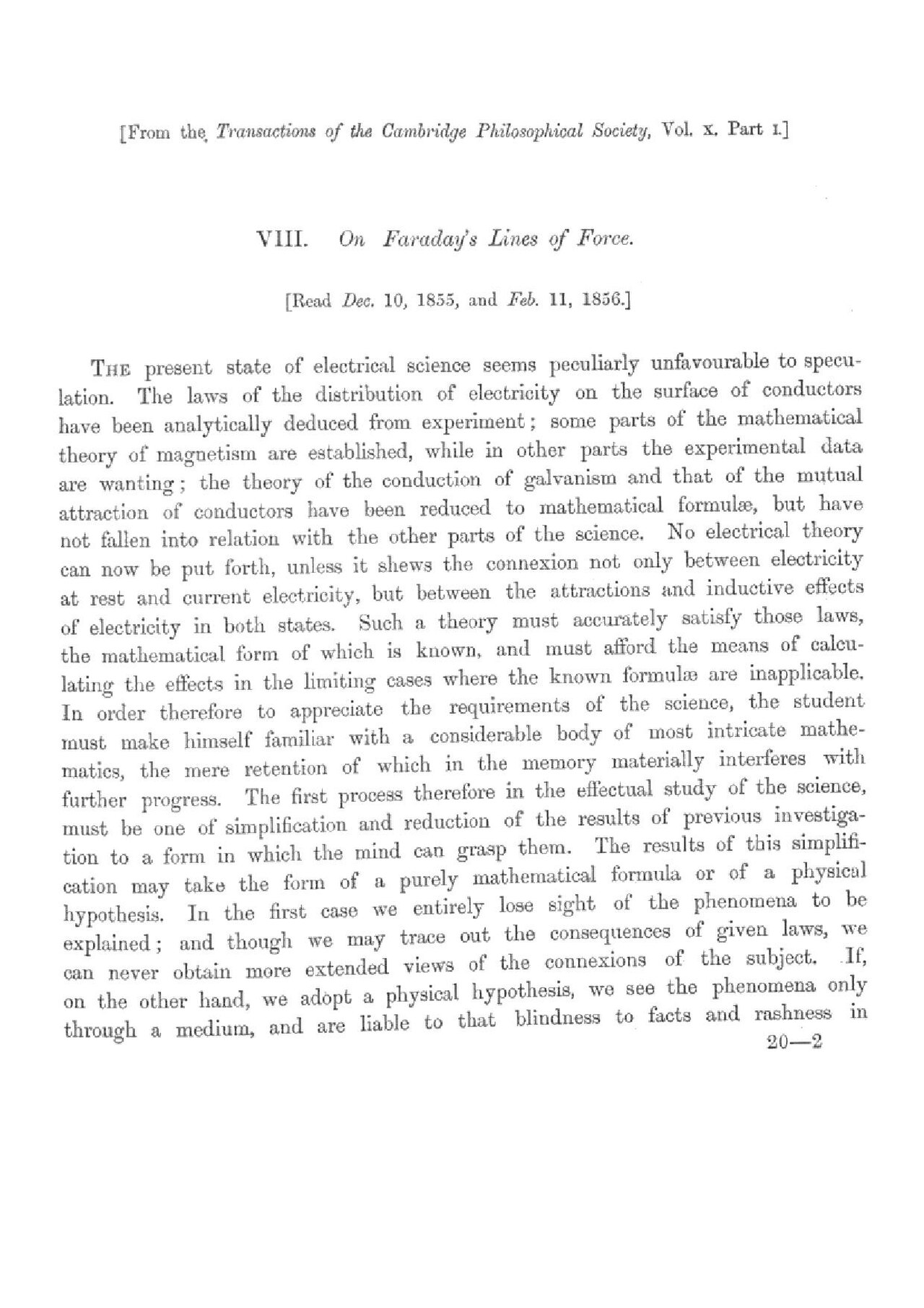
On Faraday's Lines of Force
James Clerk Maxwell · 1855-1856
Free account
Read every James Clerk Maxwell source
Sign up free →
Ready when you are
Start chatting with James Clerk Maxwell now.
20 messages free · No credit card · Available in 50+ languages.