


Primary sourceDocument1864
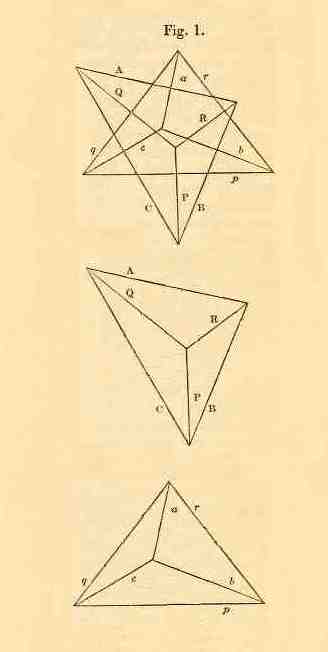
On Reciprocal Figures and Diagrams of Forces
James Clerk Maxwell · 1864
Maxwell's 1864 paper on the geometry of forces in frameworks, used in the engineering of trusses and lattices.
This 1864 paper shows Maxwell's application of mathematics to engineering problems like bridge frameworks.
About this source
What it is
This is a scientific paper written by James Clerk Maxwell, first presented in 1864, that discusses reciprocal figures and diagrams of forces. It explores the rigidity of different lattice and framework designs using geometric diagrams.
Why it matters
The paper shows Maxwell applying mathematics to practical engineering problems, such as understanding how bridge frameworks and lattices hold together under force. It reveals that Maxwell's work extended well beyond electricity and magnetism into structural engineering, a field important to the industrial growth of his time.
Look closer
- What do the labelled diagrams tell you about how Maxwell thought about physical structures?
- Why might a physicist's methods be useful to engineers designing bridges or frames?
- What questions do the letters and labels in the diagram raise about how the figure was meant to be read?
This document is part of the curated material that grounds the AI version of James Clerk Maxwell on Humy.ai — when students ask about related events, the AI can quote it and cite it.
More James Clerk Maxwell sources
Browse all 90 →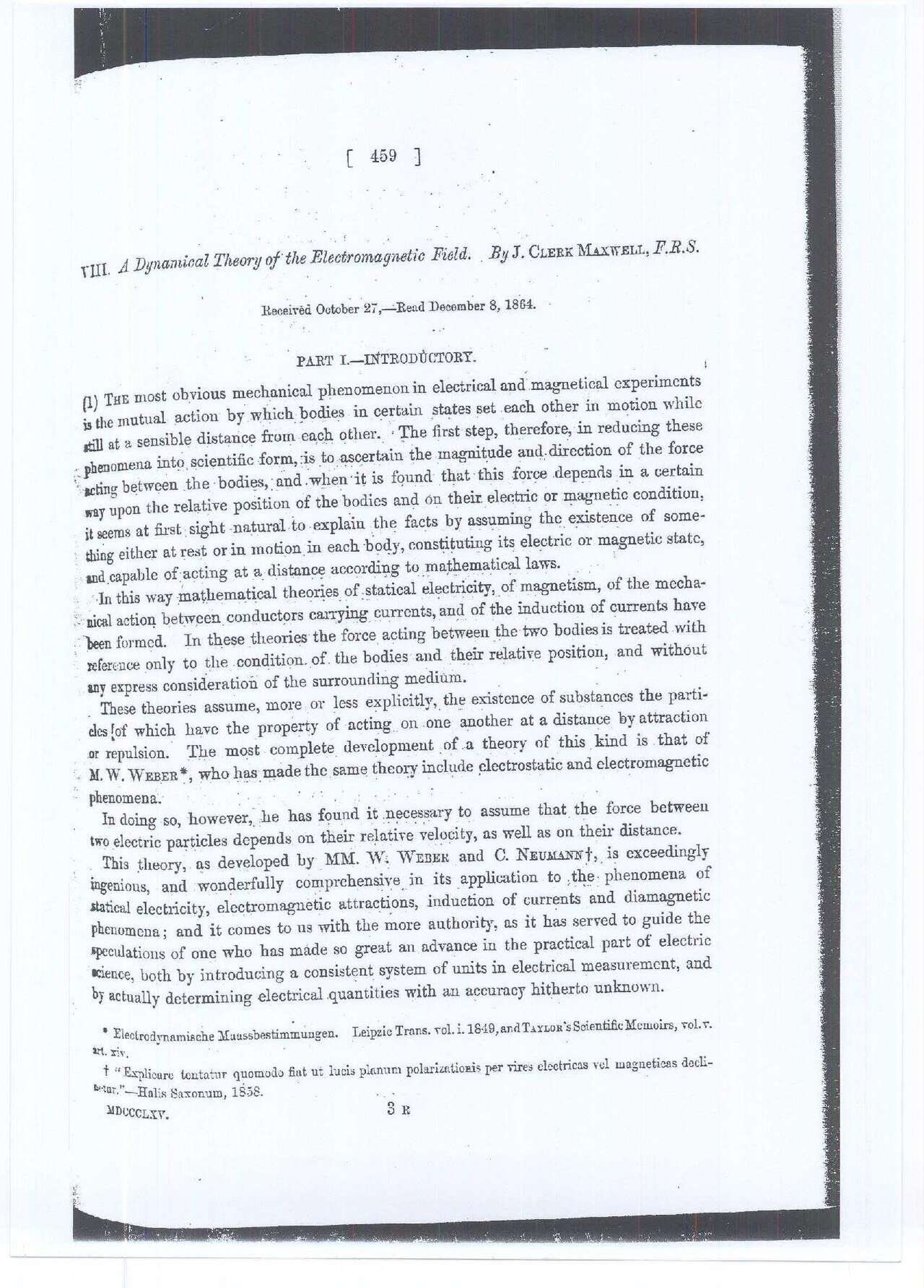 Document
Primary source
A Dynamical Theory of the Electromagnetic Field
James Clerk Maxwell · 1865 (read 8 December 1864)
 Photograph
Primary source
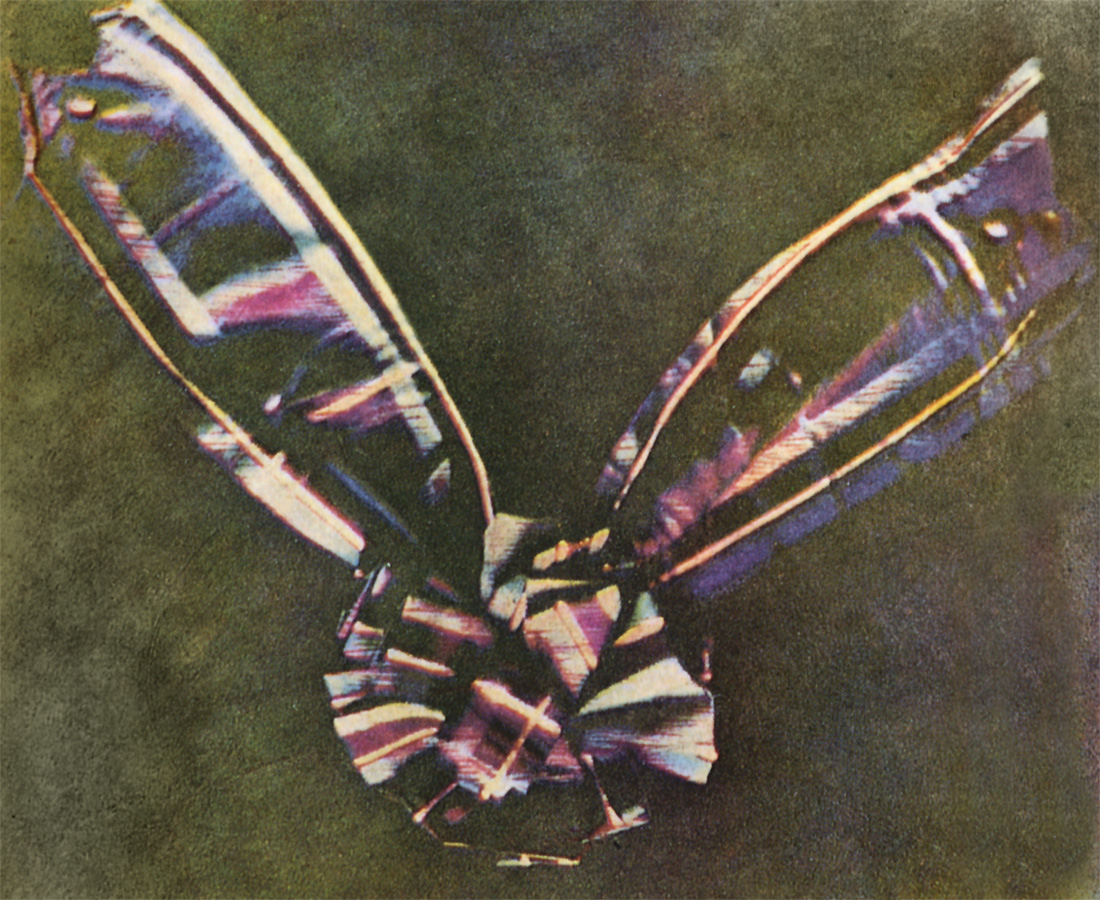
Tartan Ribbon Colour Photograph
James Clerk Maxwell with Thomas Sutton · 1861
 Document
Primary source
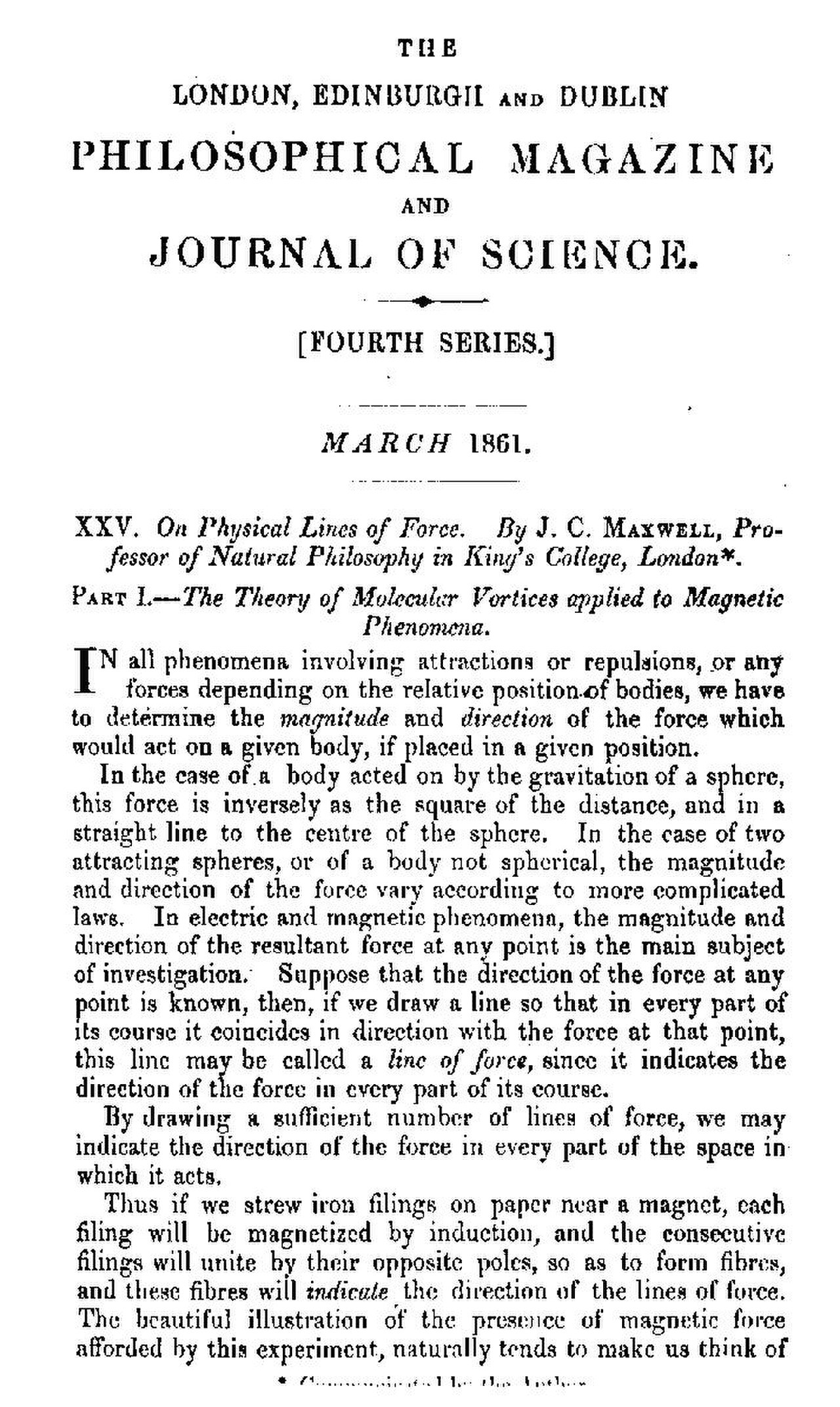
On Physical Lines of Force
James Clerk Maxwell · 1861–1862
 Document
Secondary source
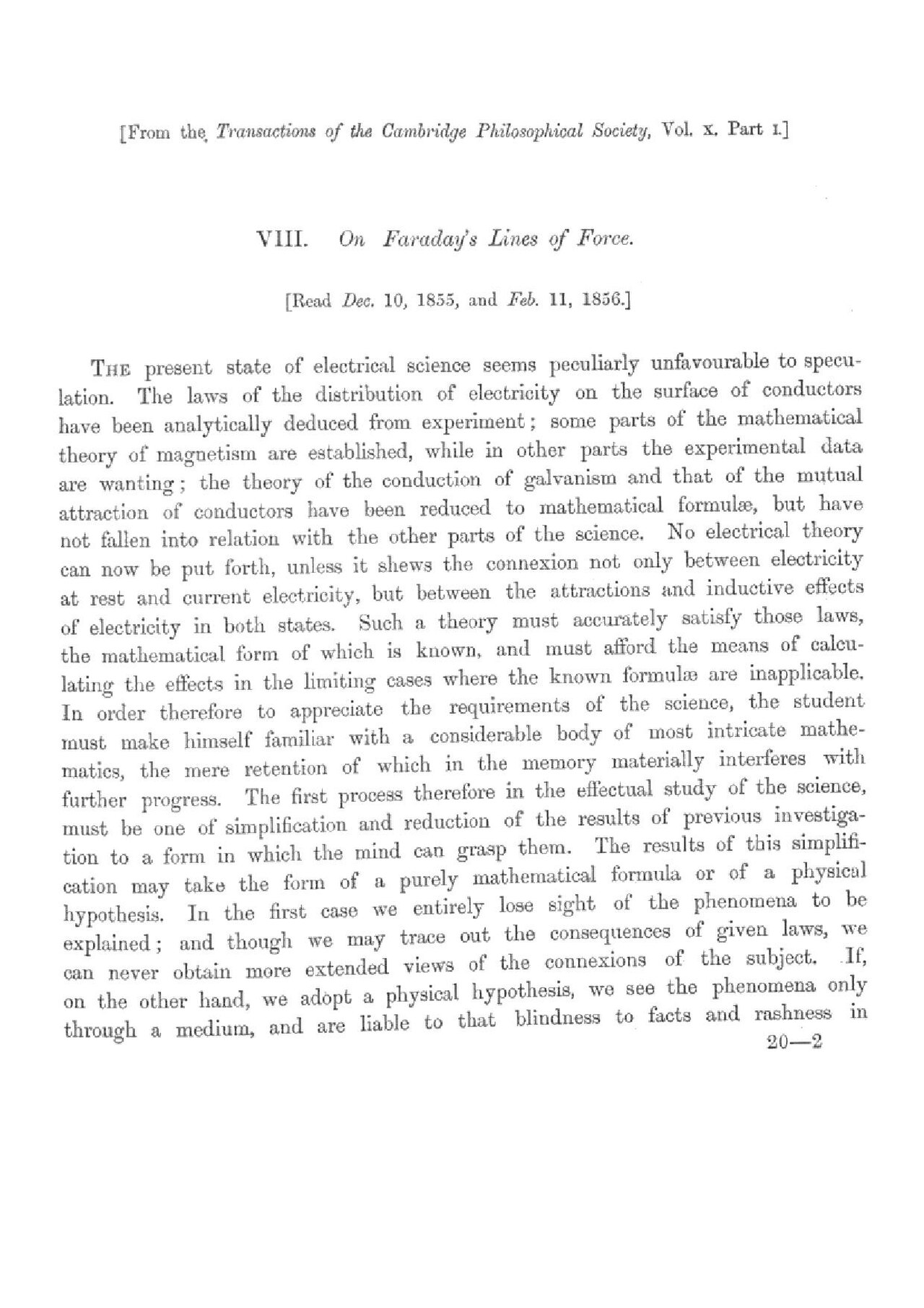
On Faraday's Lines of Force
James Clerk Maxwell · 1855-1856
Free account
Read every James Clerk Maxwell source
Sign up free →
Ready when you are
Start chatting with James Clerk Maxwell now.
20 messages free · No credit card · Available in 50+ languages.