


Primary sourceBookOctober 1520
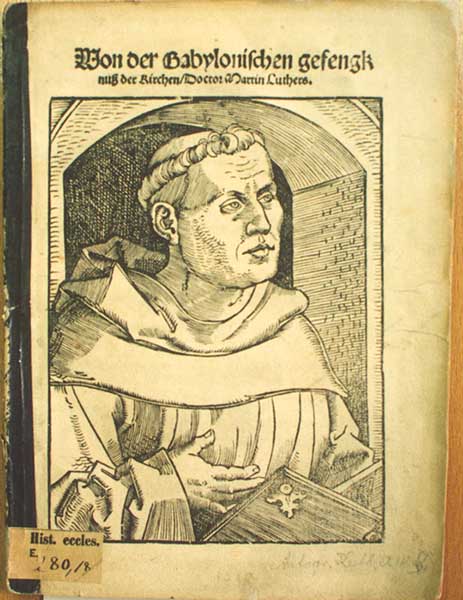
On the Babylonian Captivity of the Church
Martin Luther · October 1520
Luther's 1520 Latin treatise reducing the Catholic sacraments to those he found grounded in scripture, attacking the papacy's sacramental system.
Luther's own treatise attacking the sacramental system, marking a decisive step in his break with the papacy.
About this source
What it is
A theological treatise written by Martin Luther in Latin and published in October 1520, one of three major works he released that year. It examines the seven sacraments of the Catholic Church against his reading of scripture.
Why it matters
Luther argued the papacy held the Church "captive" through its sacramental system, recognising only baptism, the Eucharist, and partly penance as true sacraments. He rejected transubstantiation and the idea of the Mass as a sacrifice, and for the first time openly called the pope the Antichrist. The treatise arrived almost alongside the papal bull condemning Luther, making it central to his growing break with Rome.
Look closer
- Why might Luther have chosen Latin rather than German for this particular work?
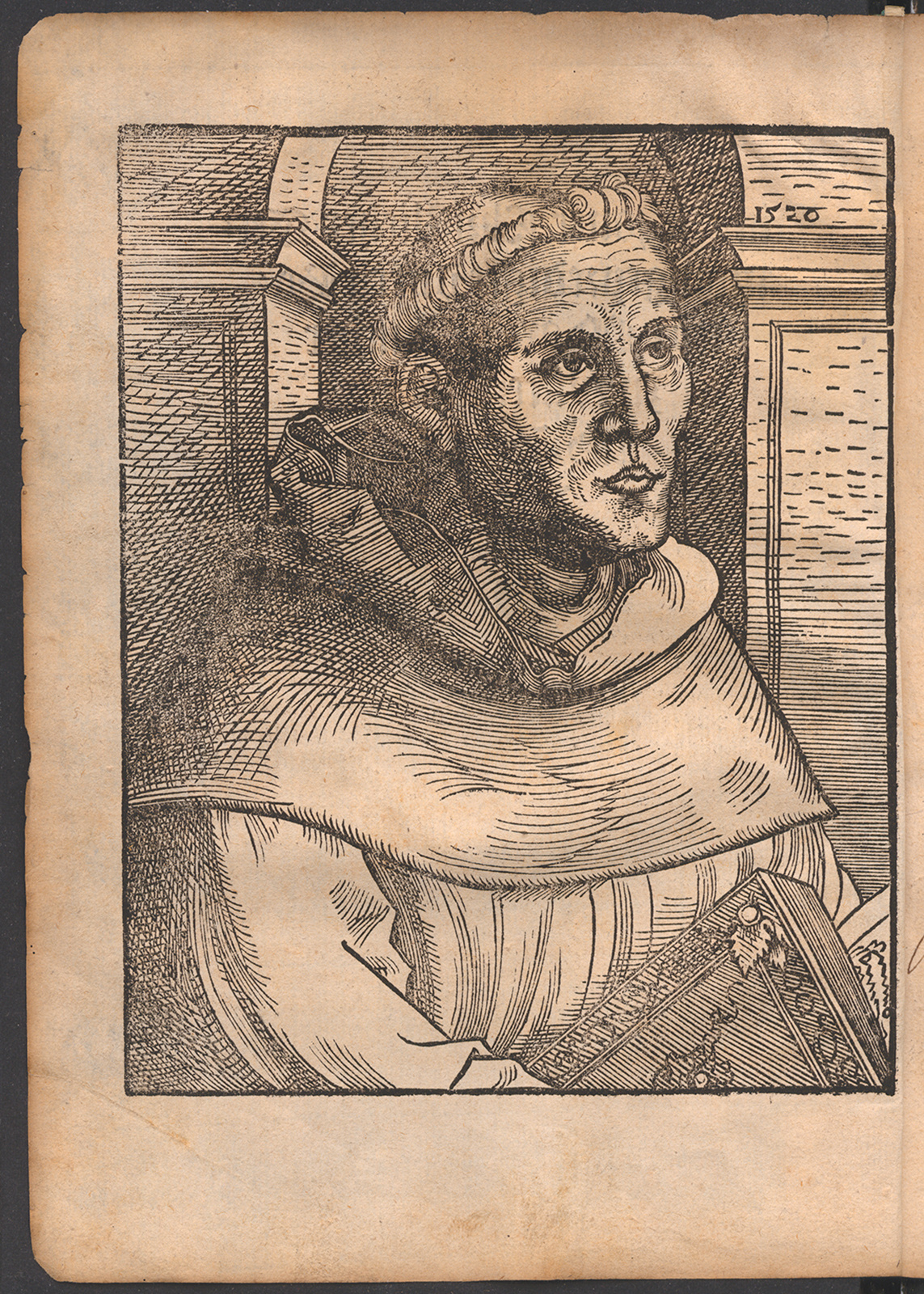
- What does the woodcut portrait on the title page suggest about how Luther wanted to be seen?
- Why would reducing the sacraments from seven to three threaten the authority of priests?
This book is part of the curated material that grounds the AI version of Martin Luther on Humy.ai — when students ask about related events, the AI can quote it and cite it.
More Martin Luther sources
Meet the AI Martin Luther →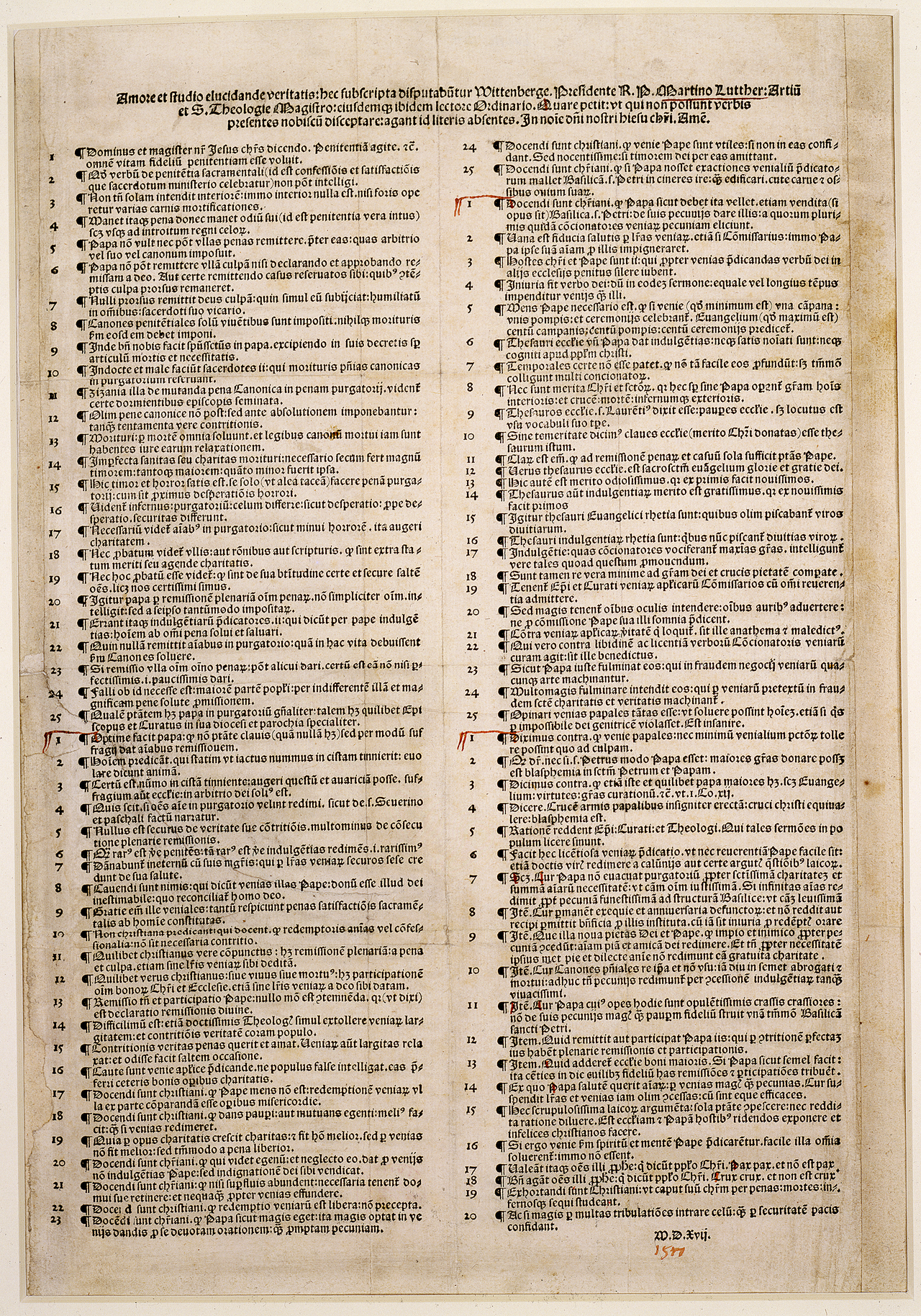 Document
Primary source
Ninety-five Theses
Martin Luther · 1517
 Painting
Secondary source
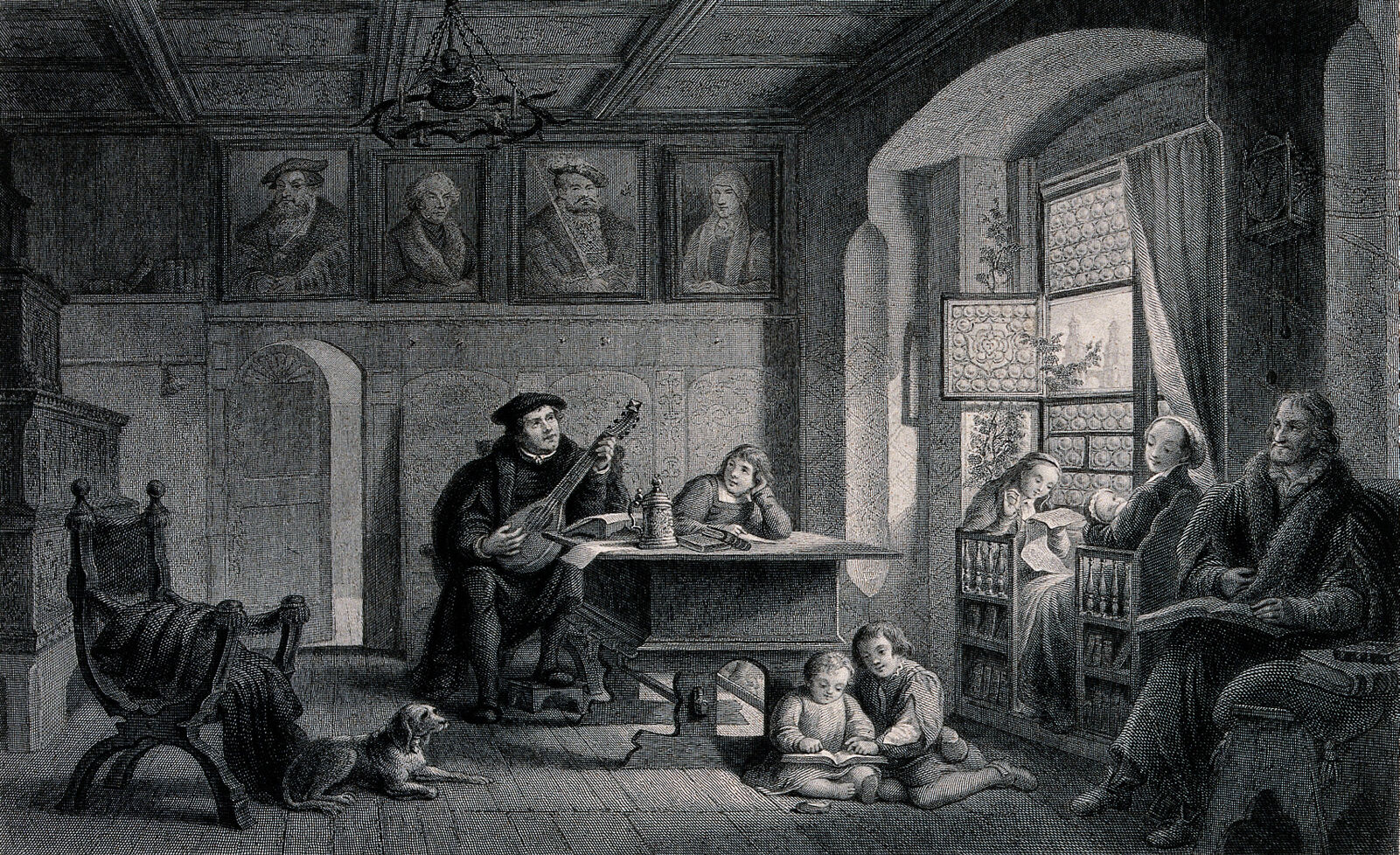
Domestic Life of Martin Luther at Wittenberg
Pierre-Antoine Labouchère (design); J. D. Nargeot (engraving) · 1800-1899
 Painting
Primary source
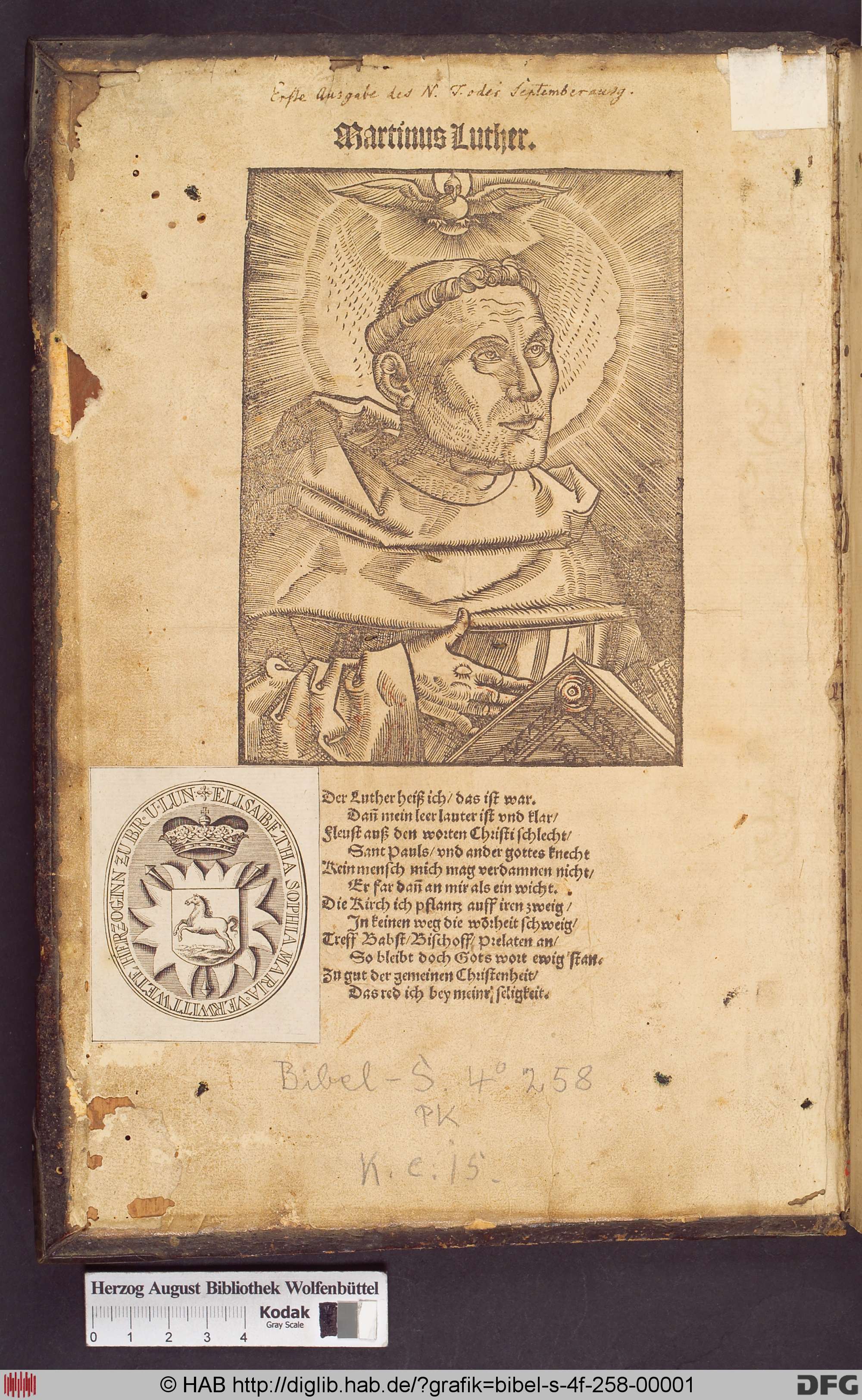
Martinus Luther Woodcut Portrait
Unbekannt (Formschneider)
 Painting
Primary source
Woodcut Portrait of Luther in Sermon Pamphlet
1523
 Book
Secondary source
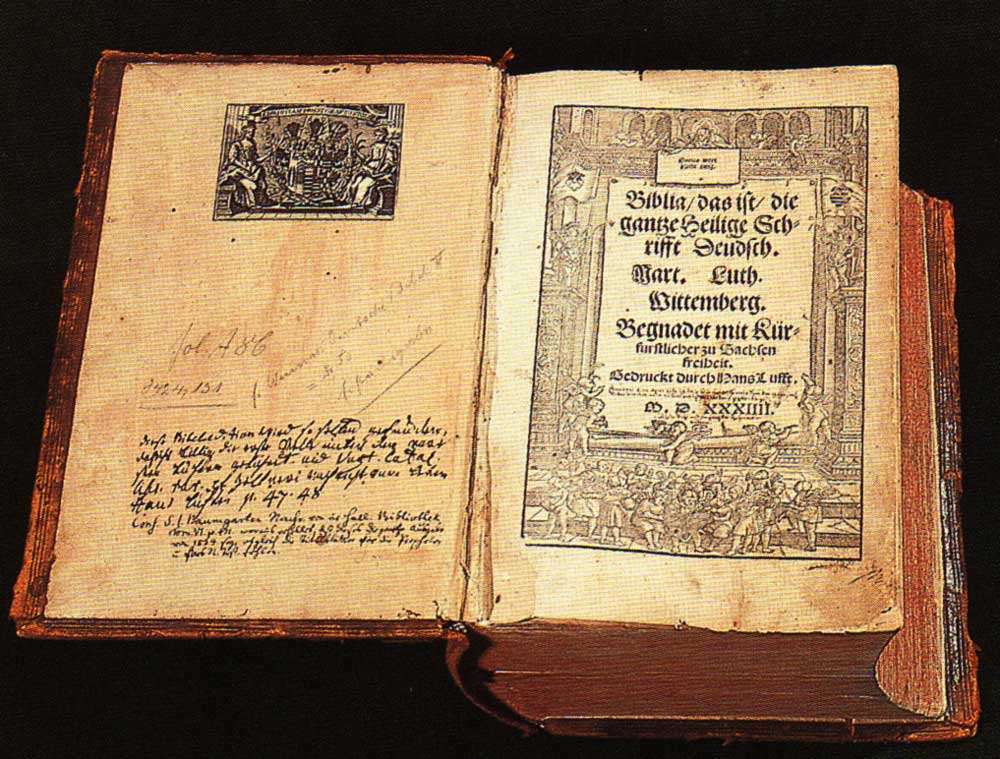
Luther Bible
Martin Luther · 1534
Ready when you are
Start chatting with Martin Luther now.
20 messages free · No credit card · Available in 50+ languages.