


Primary sourceDocument21 June 1792
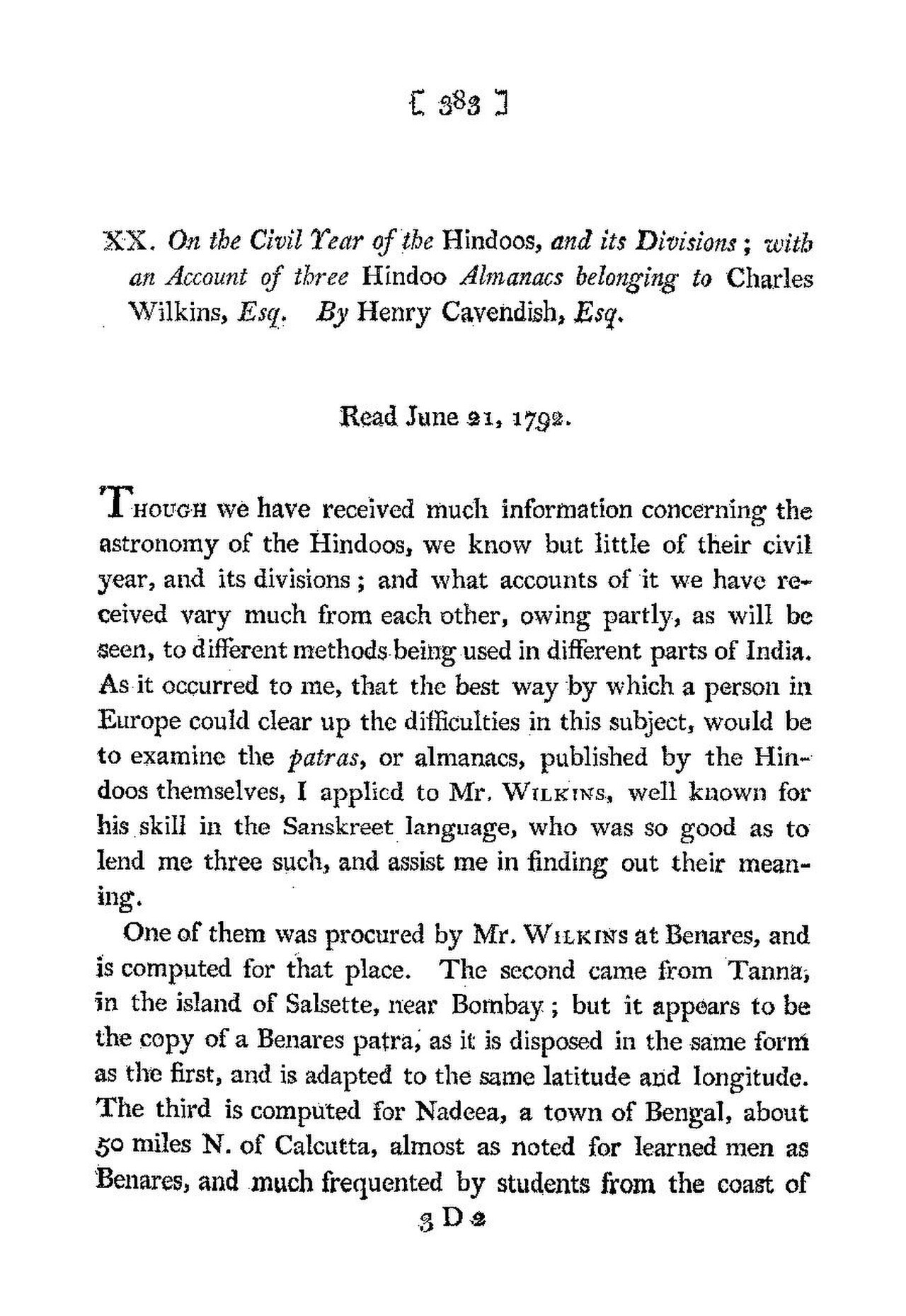
On the Civil Year of the Hindoos, and Its Divisions
Henry Cavendish · 21 June 1792
Cavendish's 1792 paper on the Hindu calendar, based on almanacs belonging to Charles Wilkins, showing his wide-ranging scholarly interests.
Written by Cavendish, this paper reveals his scholarly curiosity beyond chemistry and physics.
Free Humy account · No credit card · 120,912 sources to read
About this source
What it is
This is a paper by Henry Cavendish, read to the Royal Society in 1792 and published in Philosophical Transactions, examining the civil year used in Hindu almanacs owned by Charles Wilkins.
Why it matters
Though best known for chemistry and physics, Cavendish also studied calendrical astronomy, showing the breadth of interests typical of Royal Society fellows at the time. His use of Wilkins's almanacs also connects him to the wider network of scholars studying South Asian knowledge in this period.
Look closer
- Why might a chemist and physicist also be interested in calendars from another culture?
- Whose almanacs did Cavendish rely on, and what does that tell us about scholarly exchange at the time?
- What might this paper leave out about the people who actually created and used these almanacs?
This document is part of the curated material that grounds the AI version of Henry Cavendish on Humy.ai — when students ask about related events, the AI can quote it and cite it.
More Henry Cavendish sources
Browse all 53 →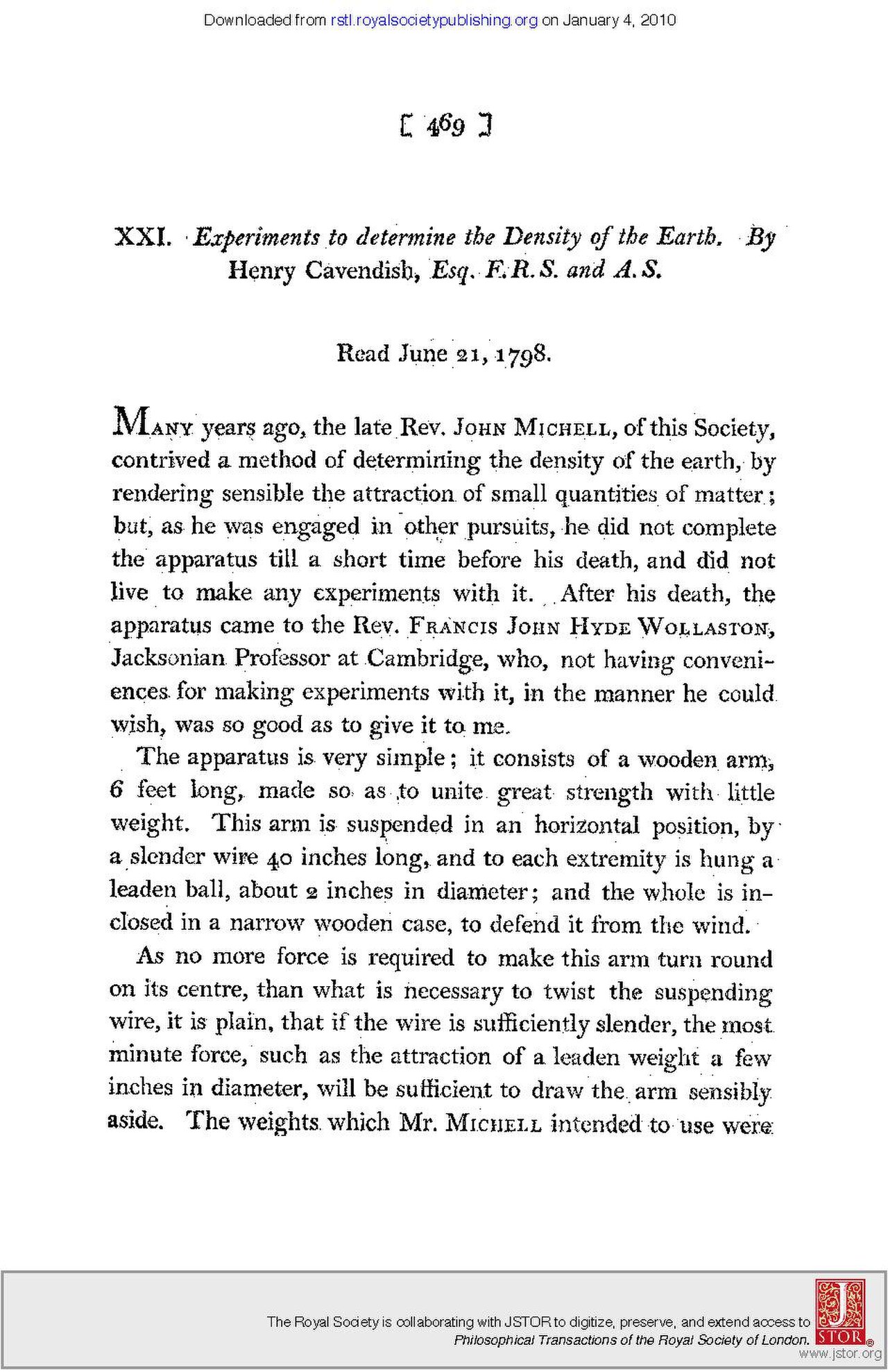 Document
Primary source
Experiments to Determine the Density of the Earth
Henry Cavendish · 1798
 Document
Primary source
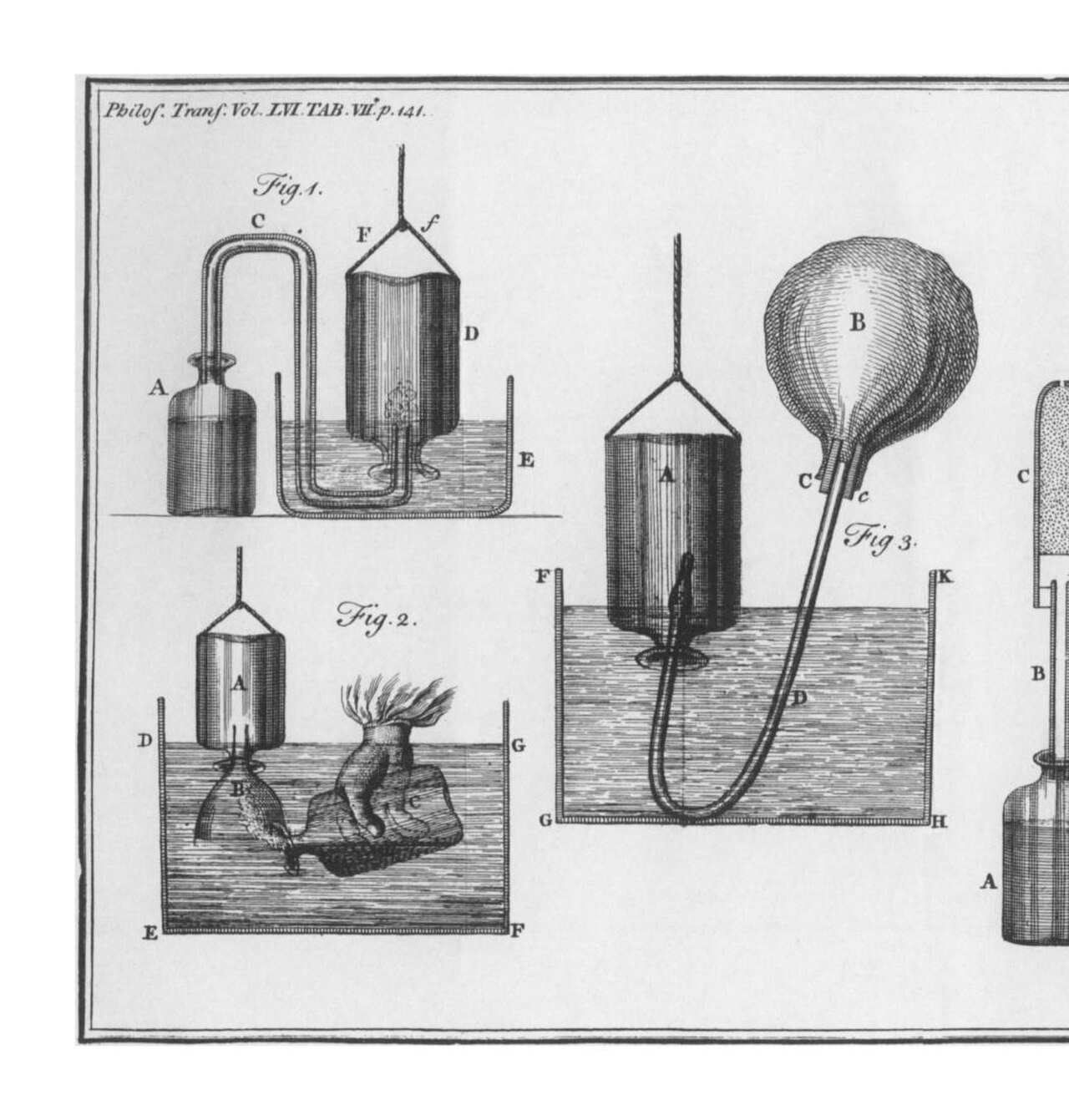
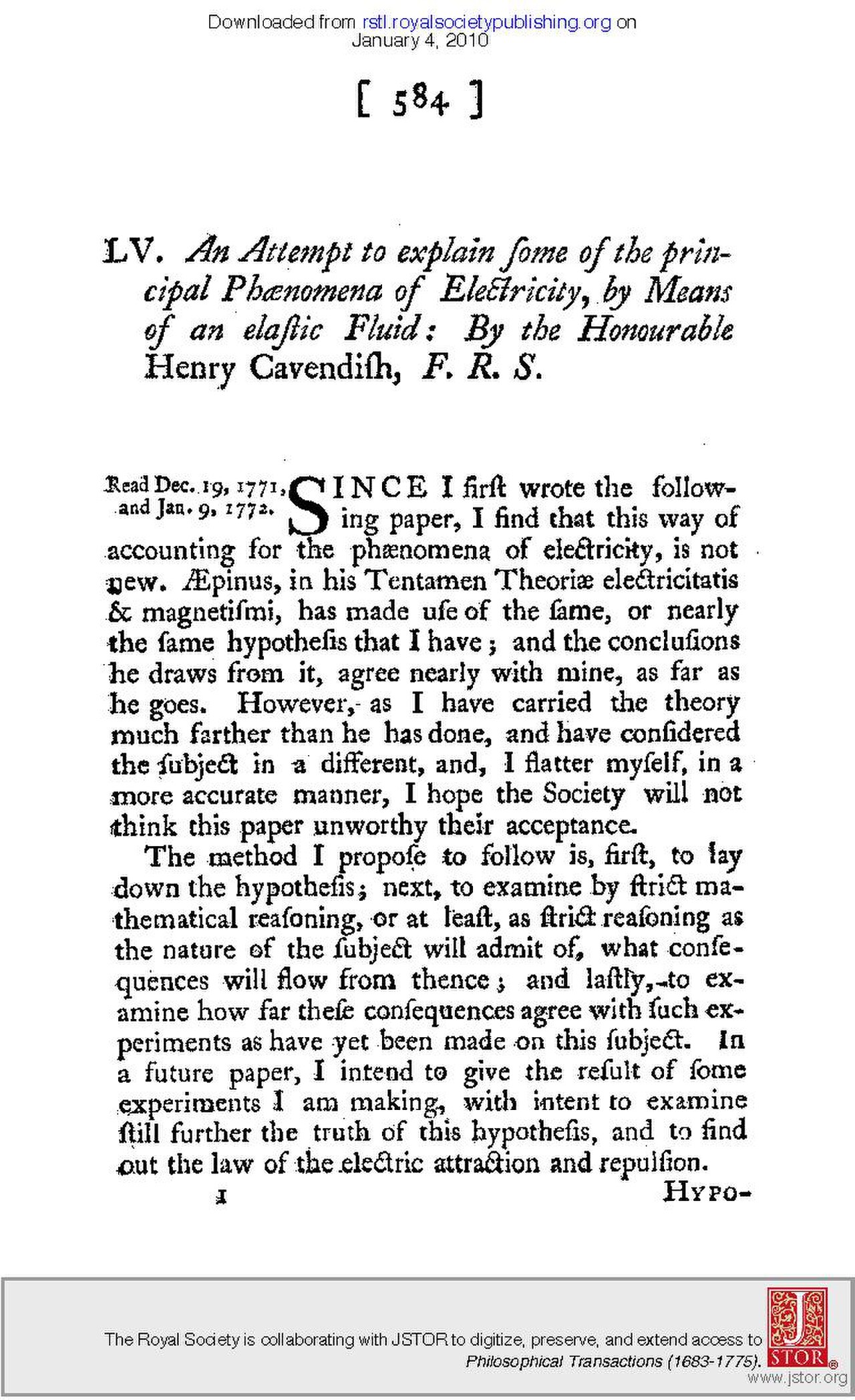
Three Papers, Containing Experiments on Factitious Air
Henry Cavendish · 1766
 Document
Primary source
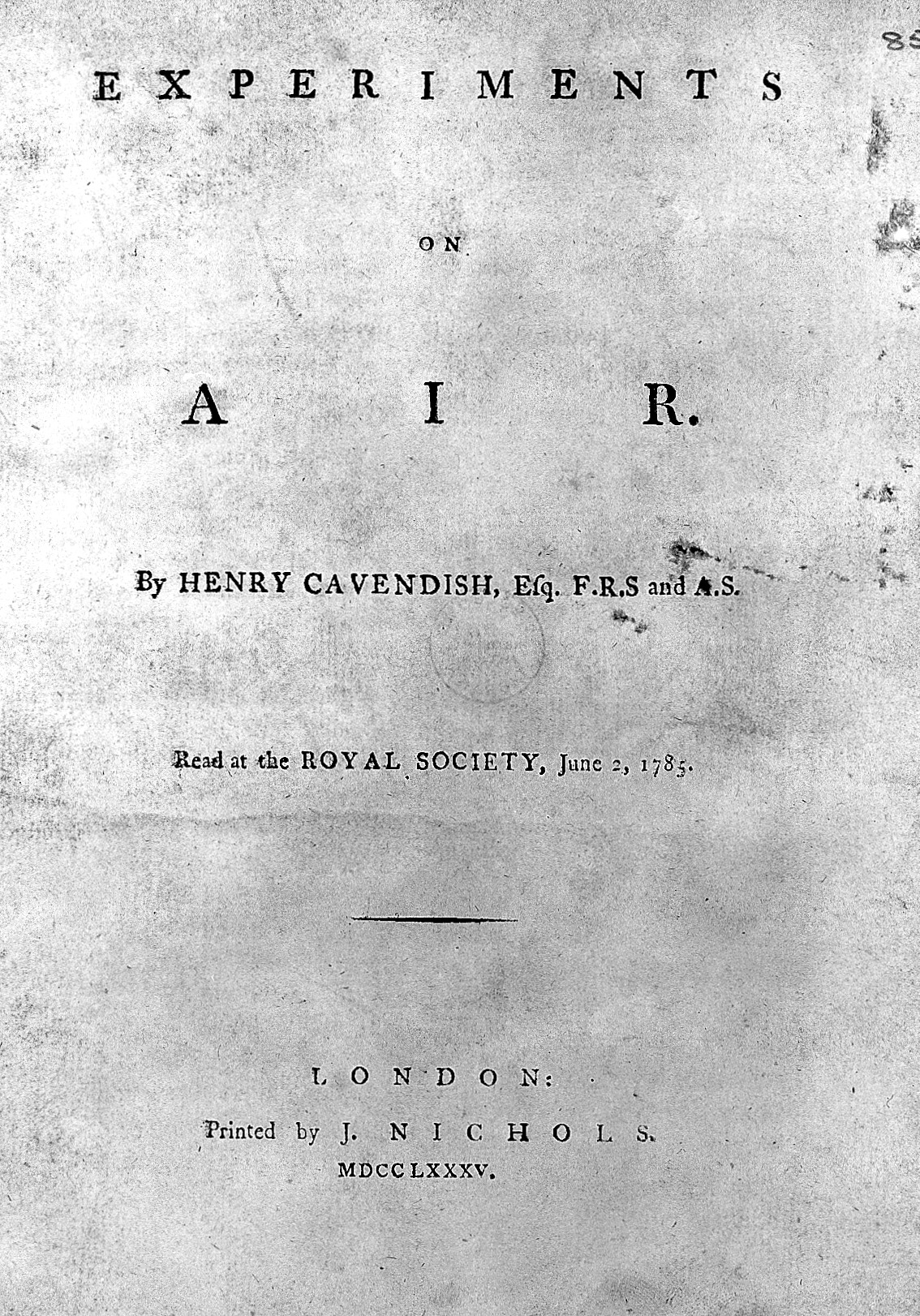
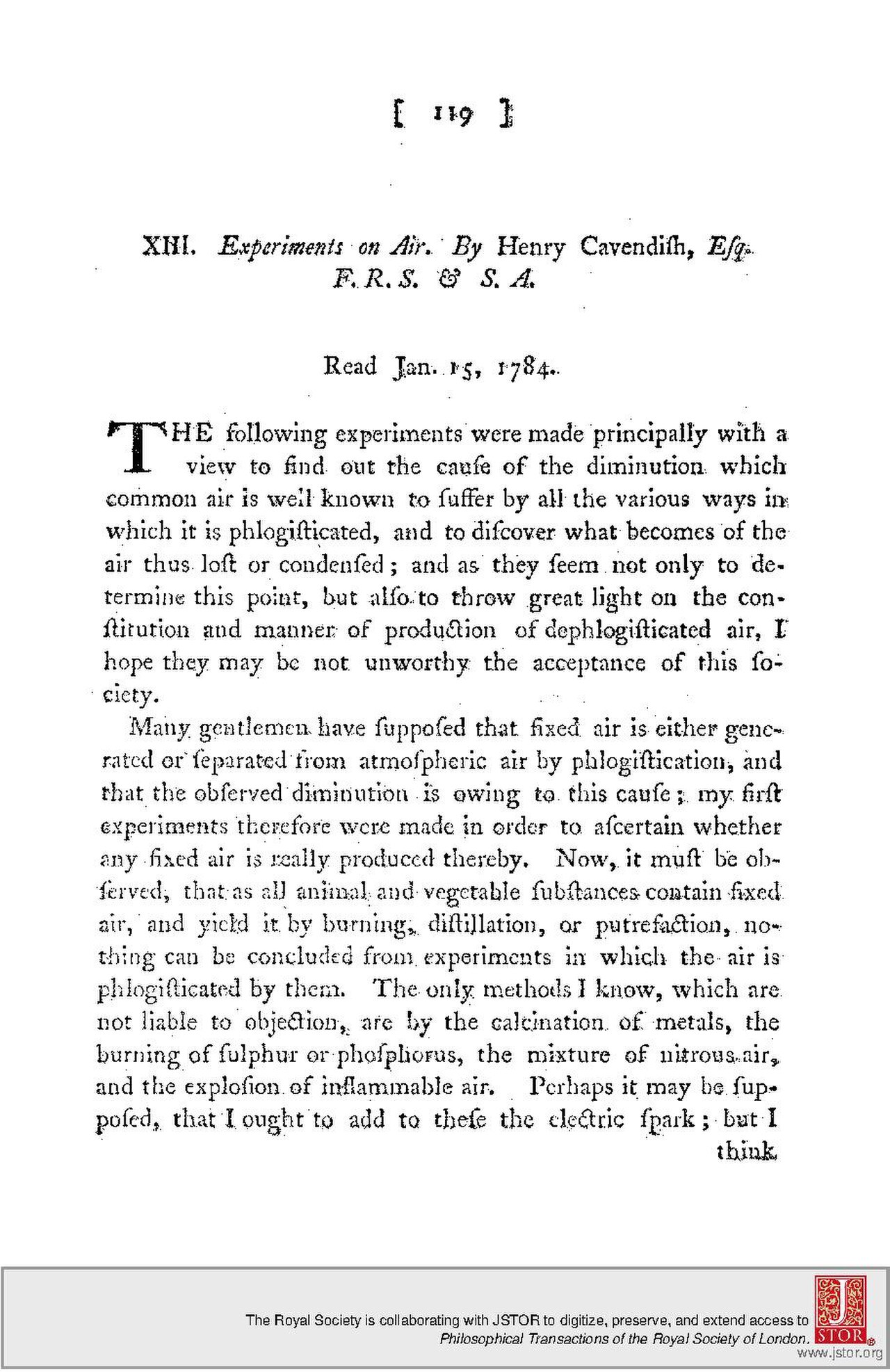
Experiments on Air, 1785 title page
Henry Cavendish · 1785
 Painting
Primary source
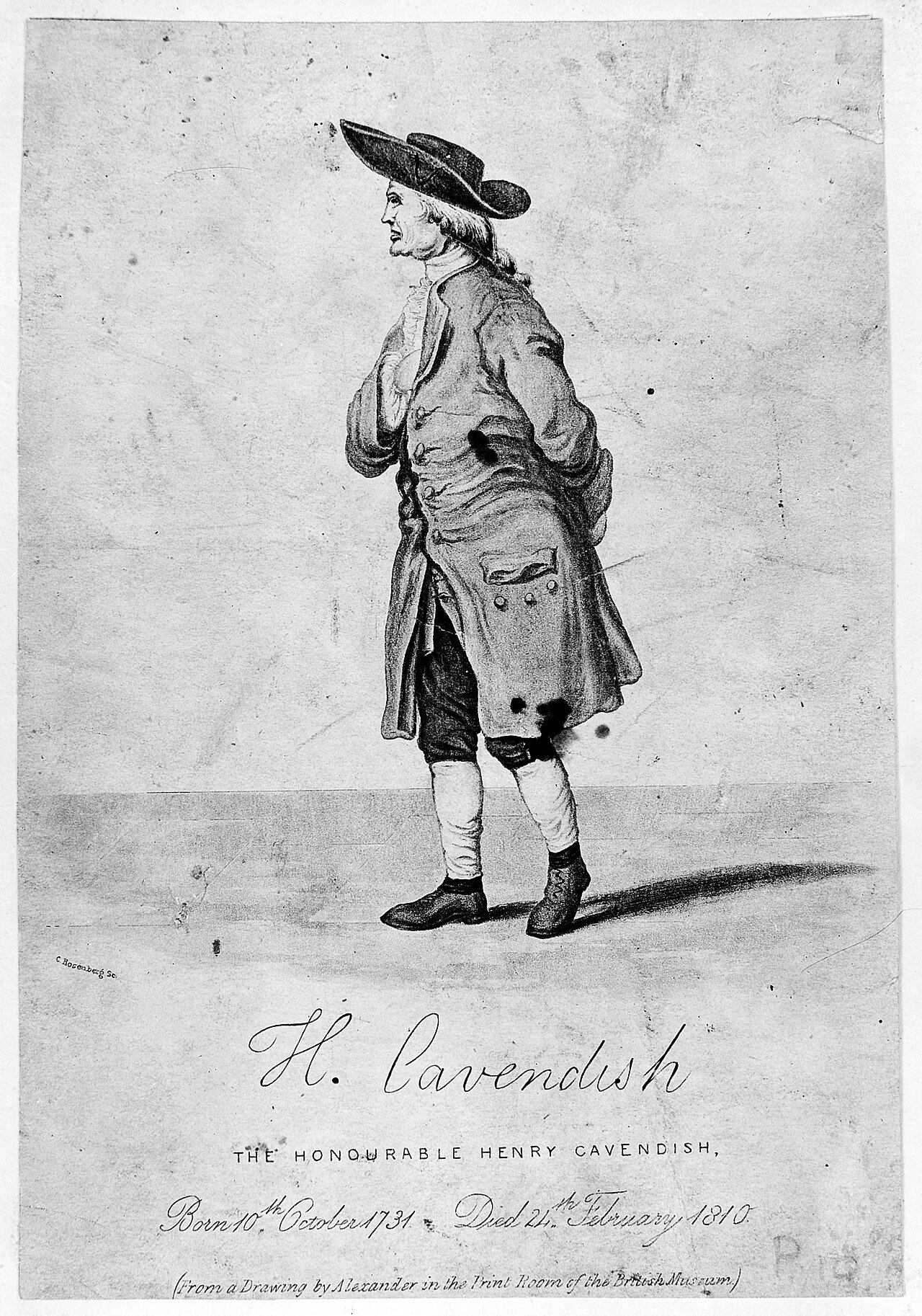
Henry Cavendish, Chemist (lithograph after Alexander)
William Alexander
Free account
Read every Henry Cavendish source
Sign up free →
Ready when you are
Start chatting with Henry Cavendish now.
20 messages free · No credit card · Available in 50+ languages.