


Primary sourceSpeechMay 1791
On the Death Penalty
Maximilien Robespierre · May 1791
Robespierre's May 1791 speech arguing against capital punishment, reflecting his progressive legal and moral views.
Robespierre's own argument against capital punishment, showing a view that contrasts with his later role in the Terror.
About this source
What it is
This is a speech by Maximilien Robespierre from May 1791, titled Sur l'abolition de la peine de mort ("On the Death Penalty"). In it he argues that the death penalty is unjust and does not actually prevent crime as well as supporters claim.
Why it matters
As a lawyer and revolutionary politician, Robespierre used classical and philosophical arguments—including a reference to ancient Athens—to challenge the use of judicial execution under French law. The speech shows a side of Robespierre's thinking that is often overshadowed by his later role overseeing mass executions during the Terror, making it useful for exploring the contradictions in his career.
Look closer
- What reasons does Robespierre give for saying the death penalty is unjust?
- Why might he compare French society to ancient Athens?
- How might you use this speech to question or complicate what Robespierre is most remembered for?
This speech is part of the curated material that grounds the AI version of Maximilien Robespierre on Humy.ai — when students ask about related events, the AI can quote it and cite it.
More Maximilien Robespierre sources
Meet the AI Maximilien Robespierre →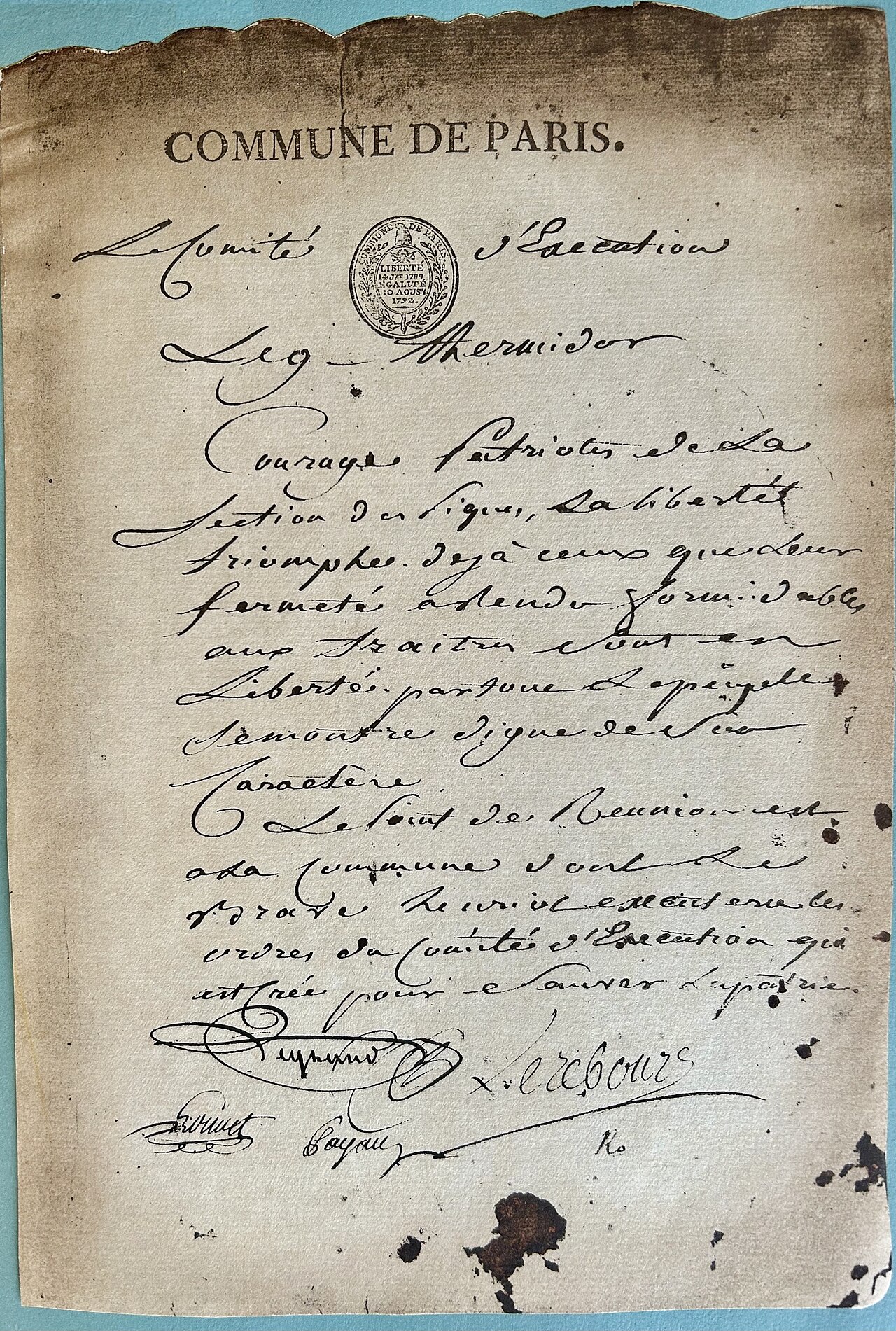 Document
Primary source
Appeal of the Commune to the Section des Piques, 9 Thermidor
Louvet, Payan, Lerebourgs, Legrand, Robespierre · 27 July 1794 (9 Thermidor Year II)
Primary source
Speech on the Trial of the King
Maximilien Robespierre · 3 December 1792
 Painting
Primary source
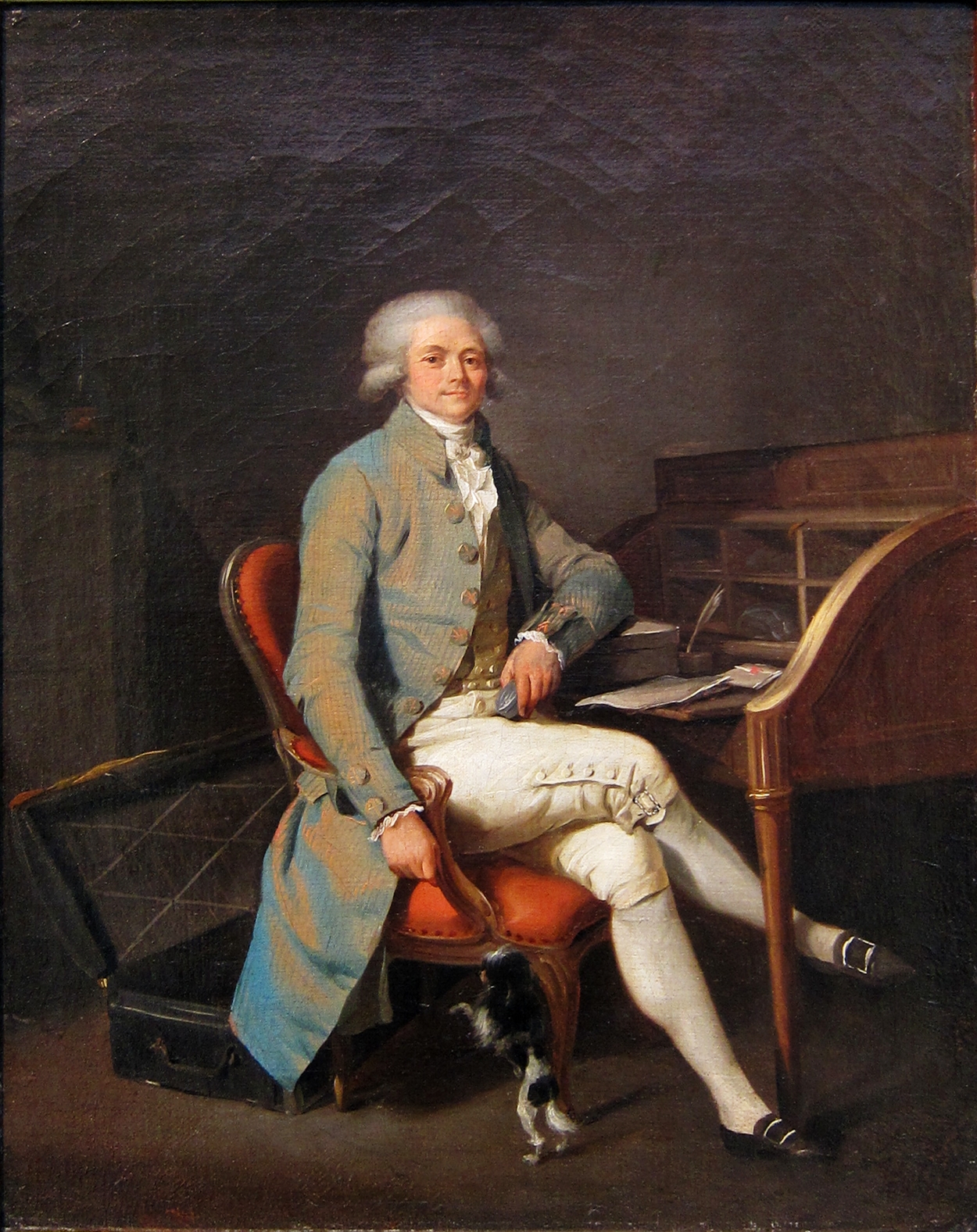
Portrait of Maximilien de Robespierre
Louis-Léopold Boilly · 1791
 Sculpture
Primary source
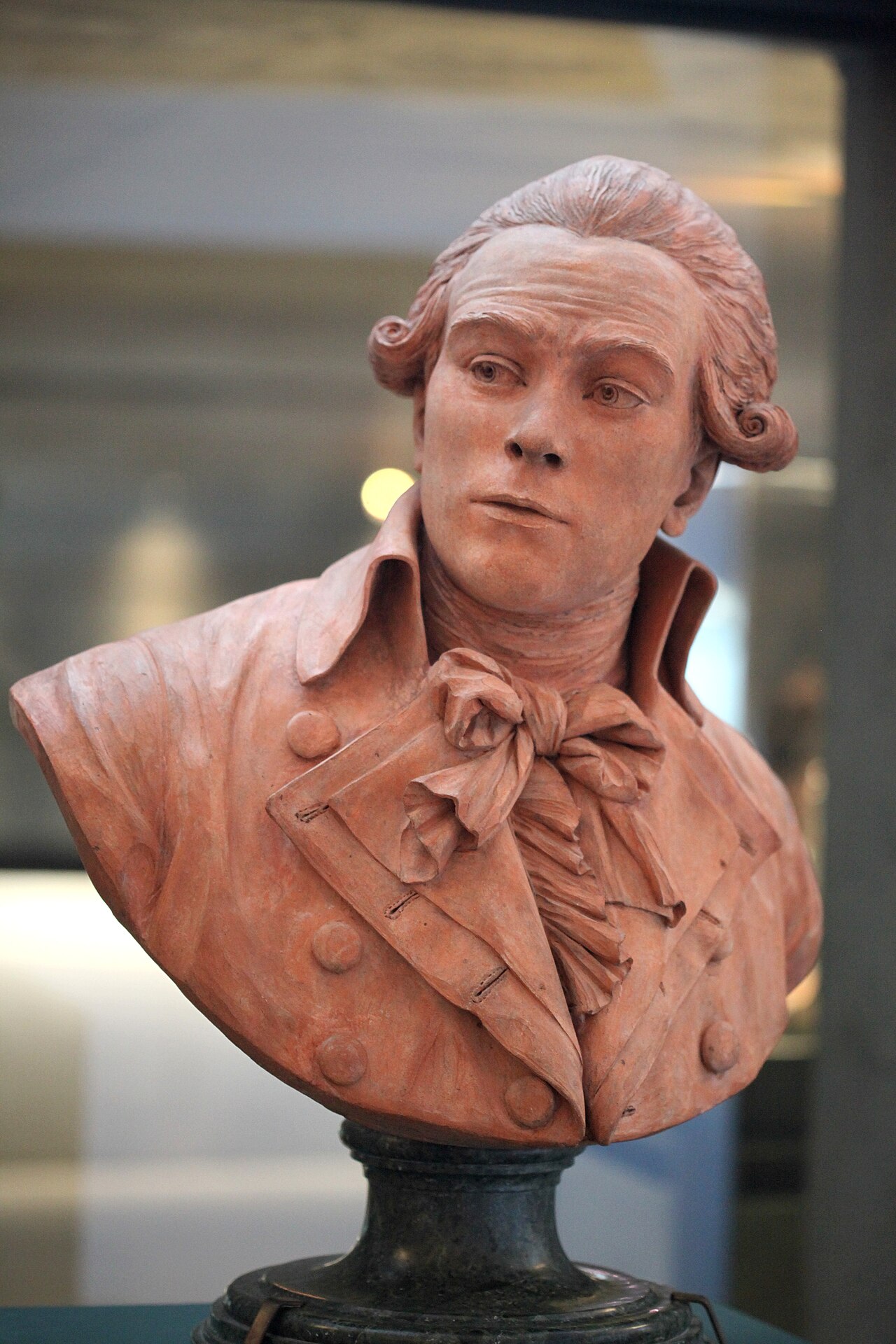
Bust of Robespierre
Claude-André Deseine · 1791
Primary source
Report on Religious and Moral Ideas and National Festivals (18 Floréal)
Maximilien Robespierre · 7 May 1794 (18 Floréal Year II)
Ready when you are
Start chatting with Maximilien Robespierre now.
20 messages free · No credit card · Available in 50+ languages.