


Primary sourceDocument1878–1879
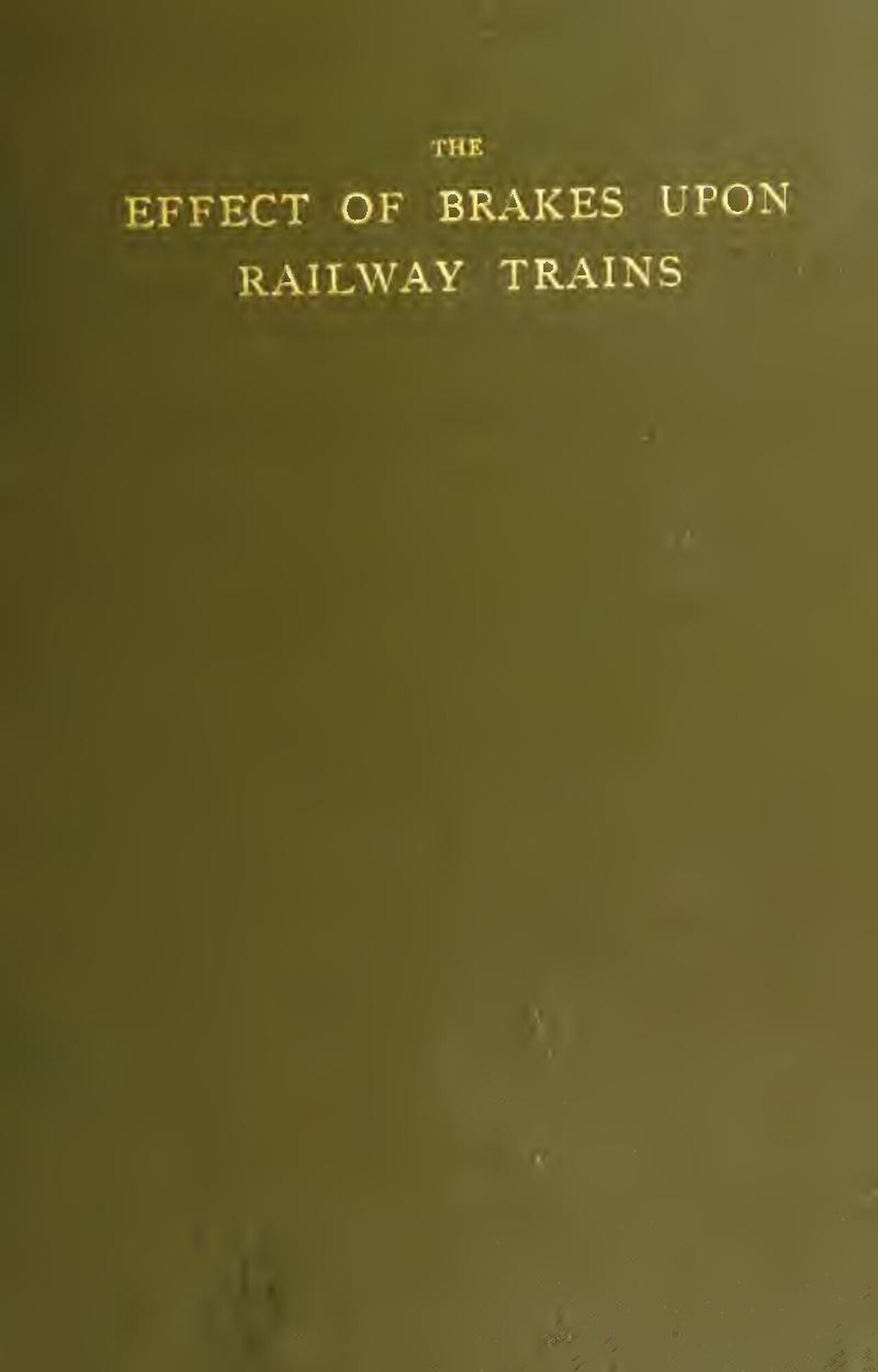
On the Effect of Brakes upon Railway Trains
Douglas Galton · 1878–1879
A report by Douglas Galton on British experiments testing railway brakes, including trials of Westinghouse's air brake.
This report documents the scientific trials that tested the effectiveness of Westinghouse's air brake against other systems.
Free Humy account · No credit card · 120,912 sources to read
About this source
What it is
This document is a paper by Captain Douglas Galton, presented to the Institution of Mechanical Engineers between 1878 and 1879, recording experiments on the friction and effectiveness of brakes on railway trains, including continuous brakes then in use.
It is held by the Institution of Mechanical Engineers.
Why it matters
These experiments measured how well different braking systems, including Westinghouse's air brake, could actually stop a moving train. Scientific testing of this kind was central to proving whether new inventions like the air brake were genuinely safer and more effective than older systems, shaping which technologies railways eventually adopted.
Look closer
- Why would railway companies and engineers need careful, repeated experiments before trusting a new braking system?
- What does the detail of these tests—measuring friction at different speeds—tell us about how engineers worked in this period?
- What questions does a report like this leave unanswered about how brakes performed in everyday use?
This document is part of the curated material that grounds the AI version of George Westinghouse on Humy.ai — when students ask about related events, the AI can quote it and cite it.
More George Westinghouse sources
Browse all 77 →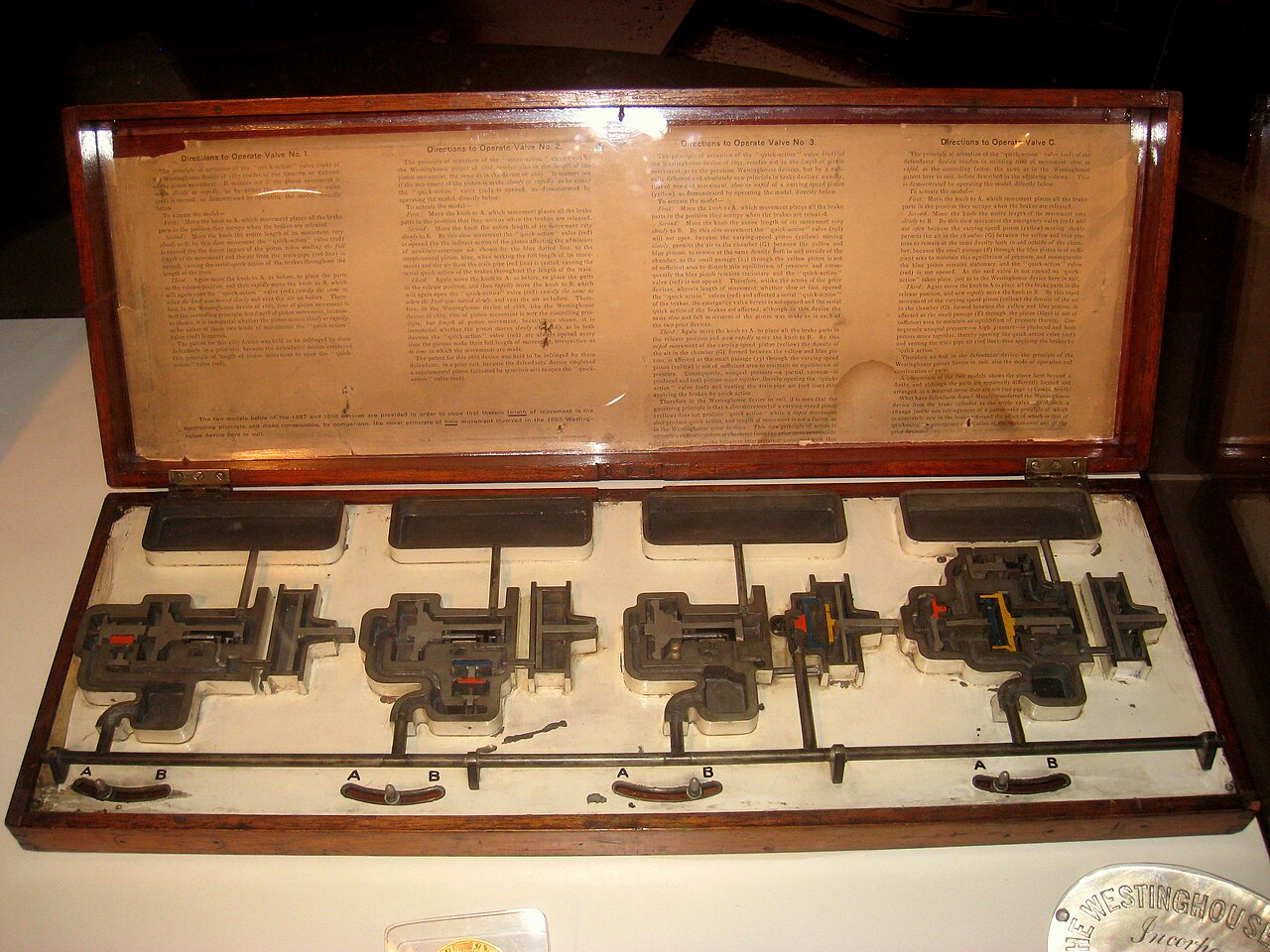 Artifact
Primary source
Patent Model for Westinghouse's Air Brake
George Westinghouse · 1869
 Document
Primary source
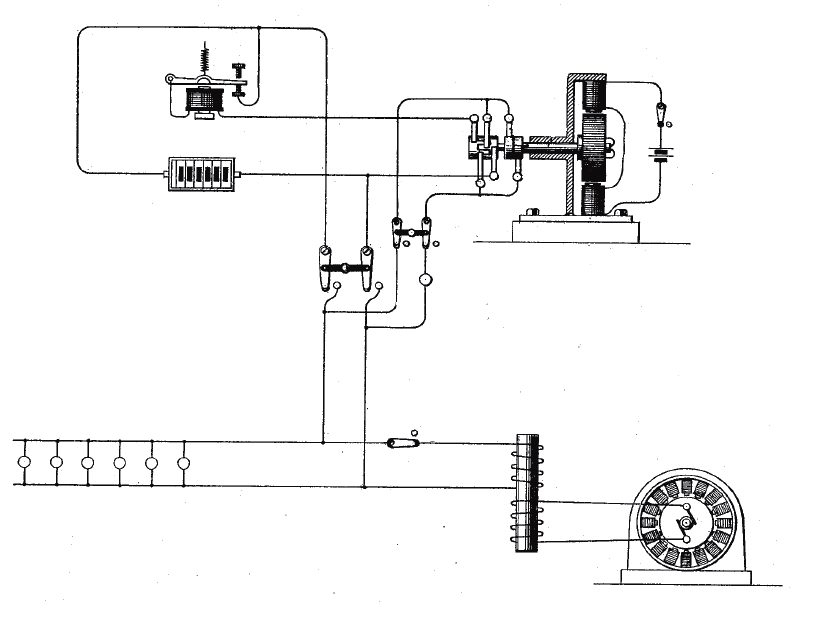
Early AC Power Distribution System Patent Drawing
George Westinghouse · 1887
 Photograph
Primary source
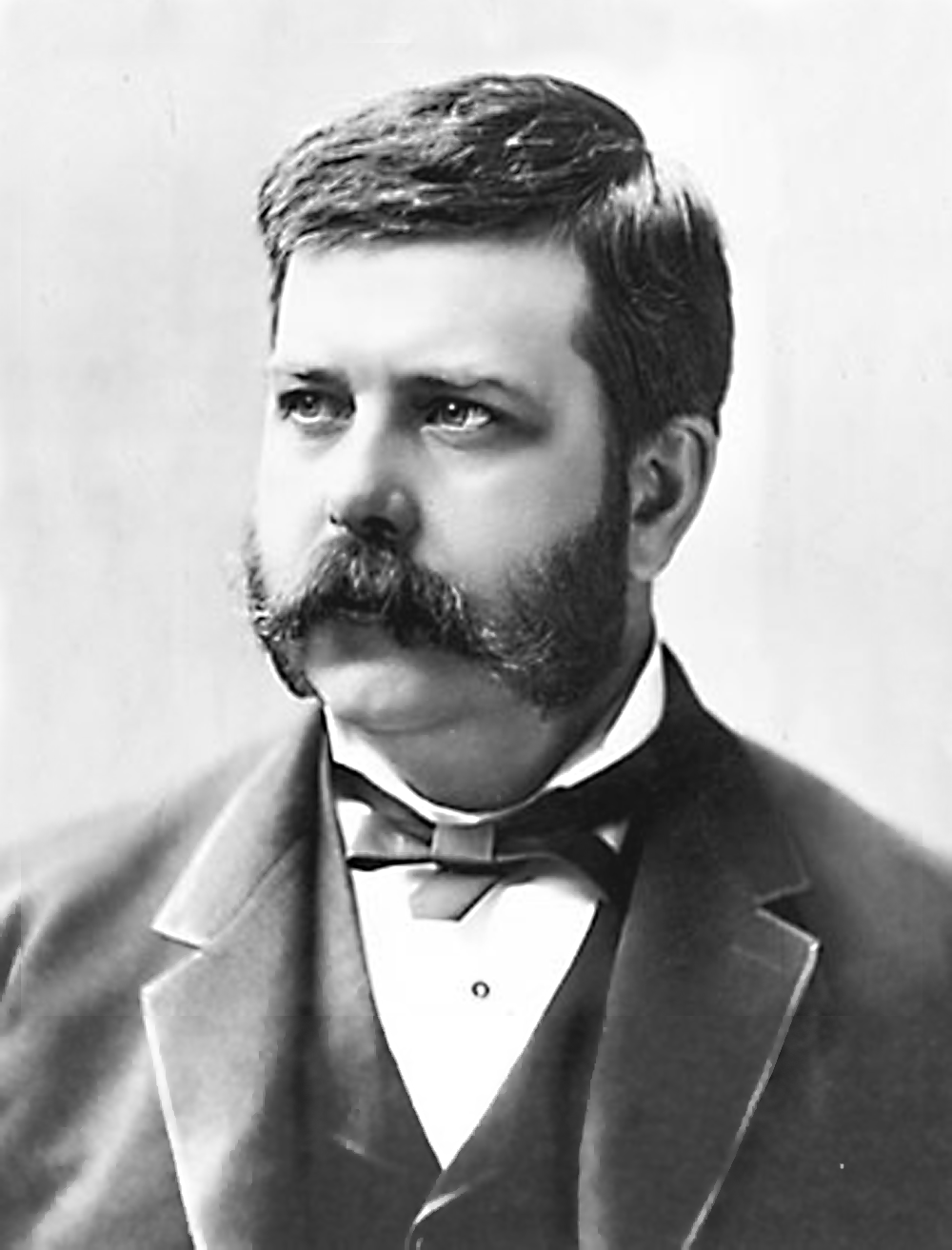
Portrait of George Westinghouse, 1884
unknown · 1884
 Photograph
Primary source
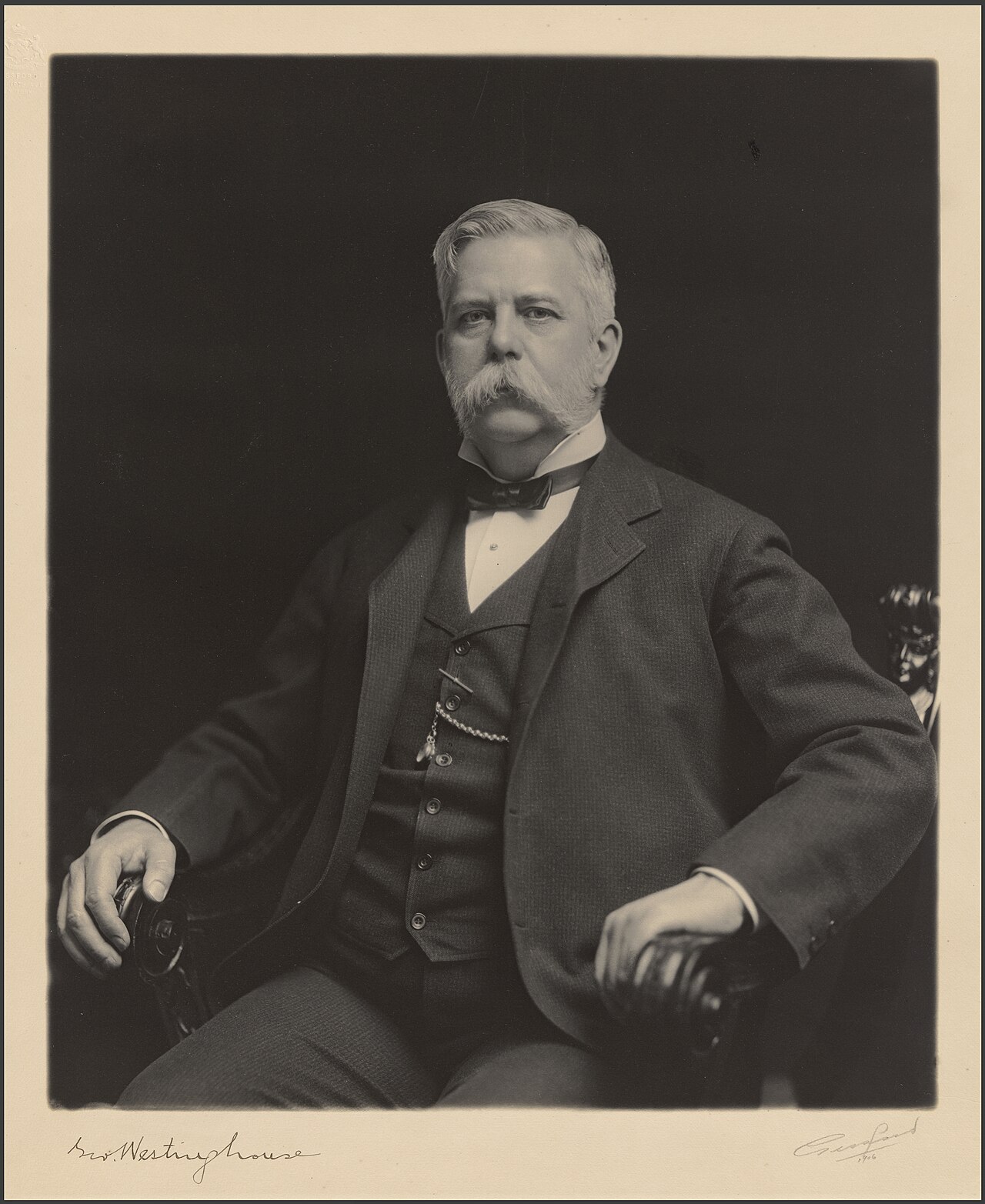
Portrait of George Westinghouse, 1906
Joseph Gaylord Gessford · 1906
Free account
Read every George Westinghouse source
Sign up free →
Ready when you are
Start chatting with George Westinghouse now.
20 messages free · No credit card · Available in 50+ languages.