


Primary sourcePhotograph1934
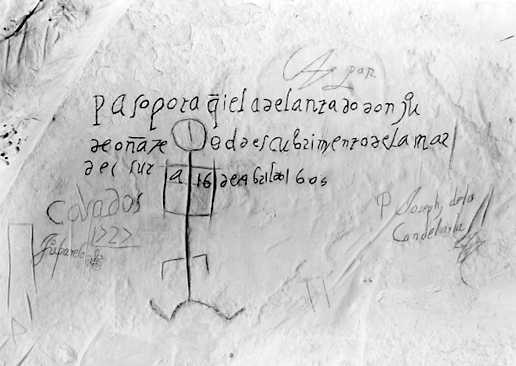
Oñate Inscription at El Morro, 1934 Photograph
George A. Grant · 1934
A 1934 black-and-white photograph of Juan de Oñate's 1605 rock inscription at El Morro, showing early damage from later graffiti.
This photograph documents Oñate's own 1605 inscription and its condition decades later.
About this source
What it is
This is a black-and-white photograph taken in 1934 by George A. Grant of the inscription carved by Juan de Oñate in 1605 at El Morro, now El Morro National Monument in New Mexico. It is the oldest known historic inscription at the site.
Why it matters
The photograph documents the condition of Oñate's inscription, showing that other names and graffiti were carved near it almost from the time it was made. It is a record of both Spanish colonial record-keeping and the long history of visitors leaving their mark at El Morro.
Look closer
- What does the presence of other carved names near Oñate's inscription tell you about how people treated this rock over time?
- Why might this site have attracted so many travelers to leave inscriptions?
- How does a 1934 photograph differ from seeing the inscription in person today?
This photograph is part of the curated material that grounds the AI version of Juan de Oñate on Humy.ai — when students ask about related events, the AI can quote it and cite it.
More Juan de Oñate sources
Browse all 28 →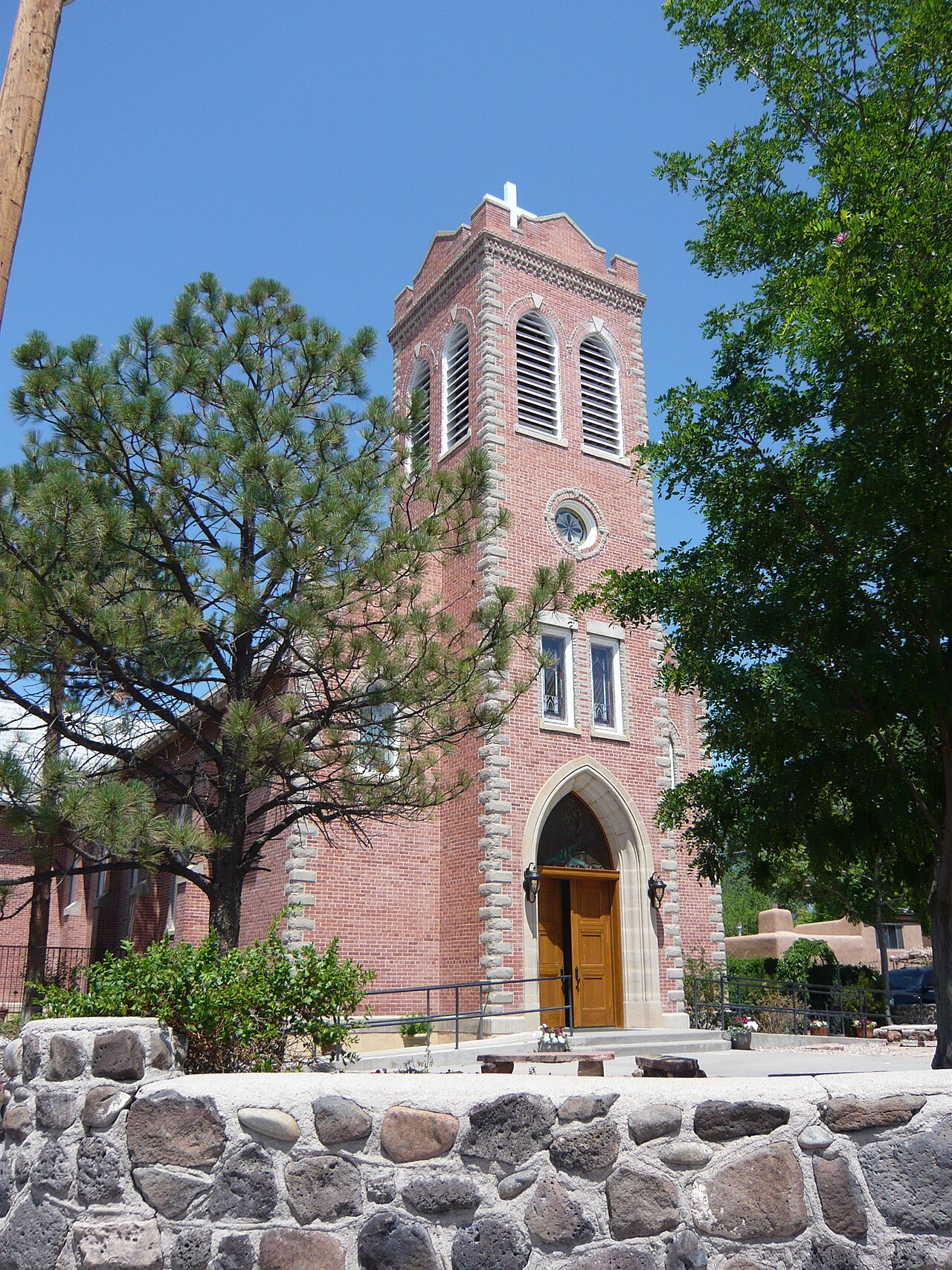 Artifact
Secondary source
Ohkay Owingeh
1540 (pueblo); 1598 (Spanish capital)
 Document
Primary source
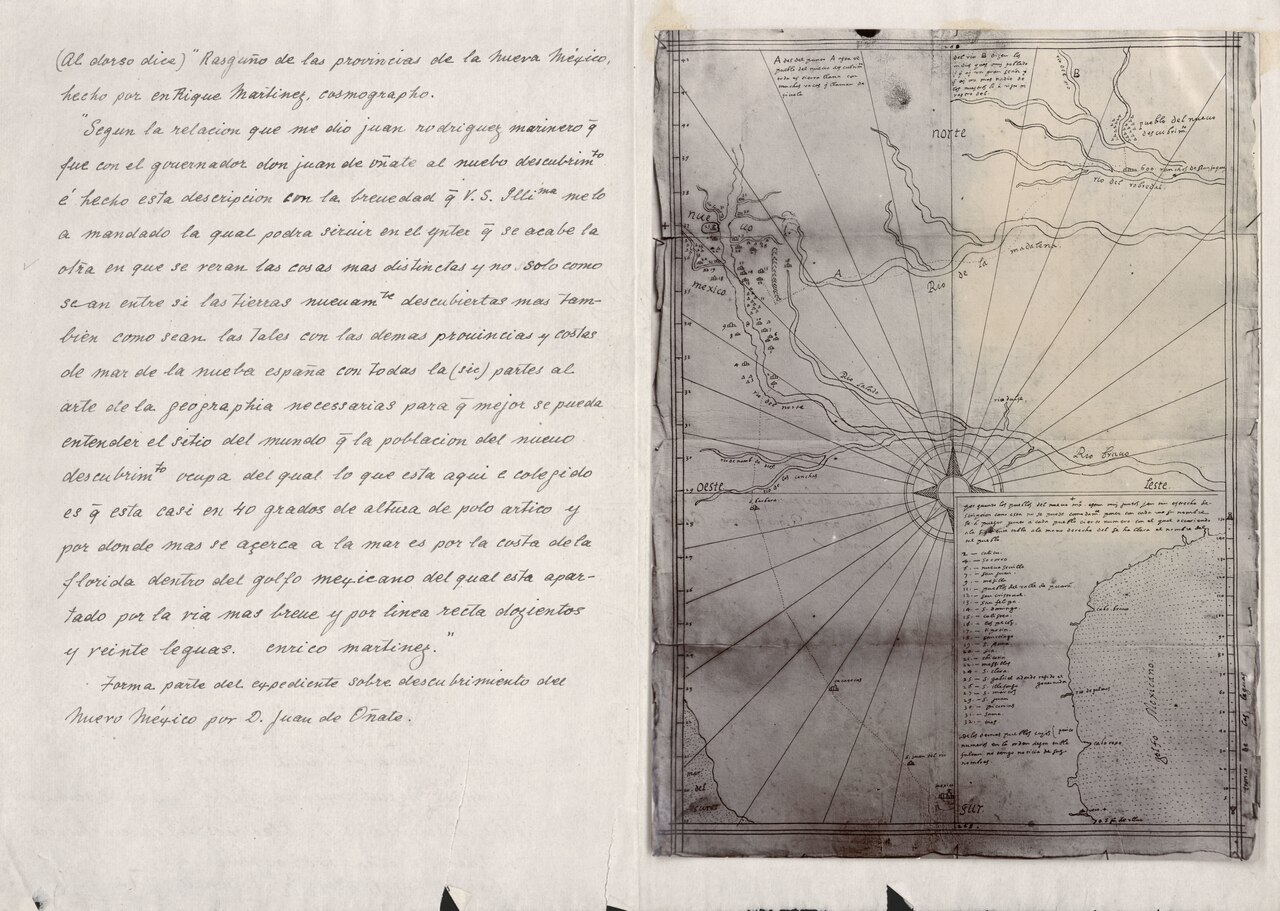
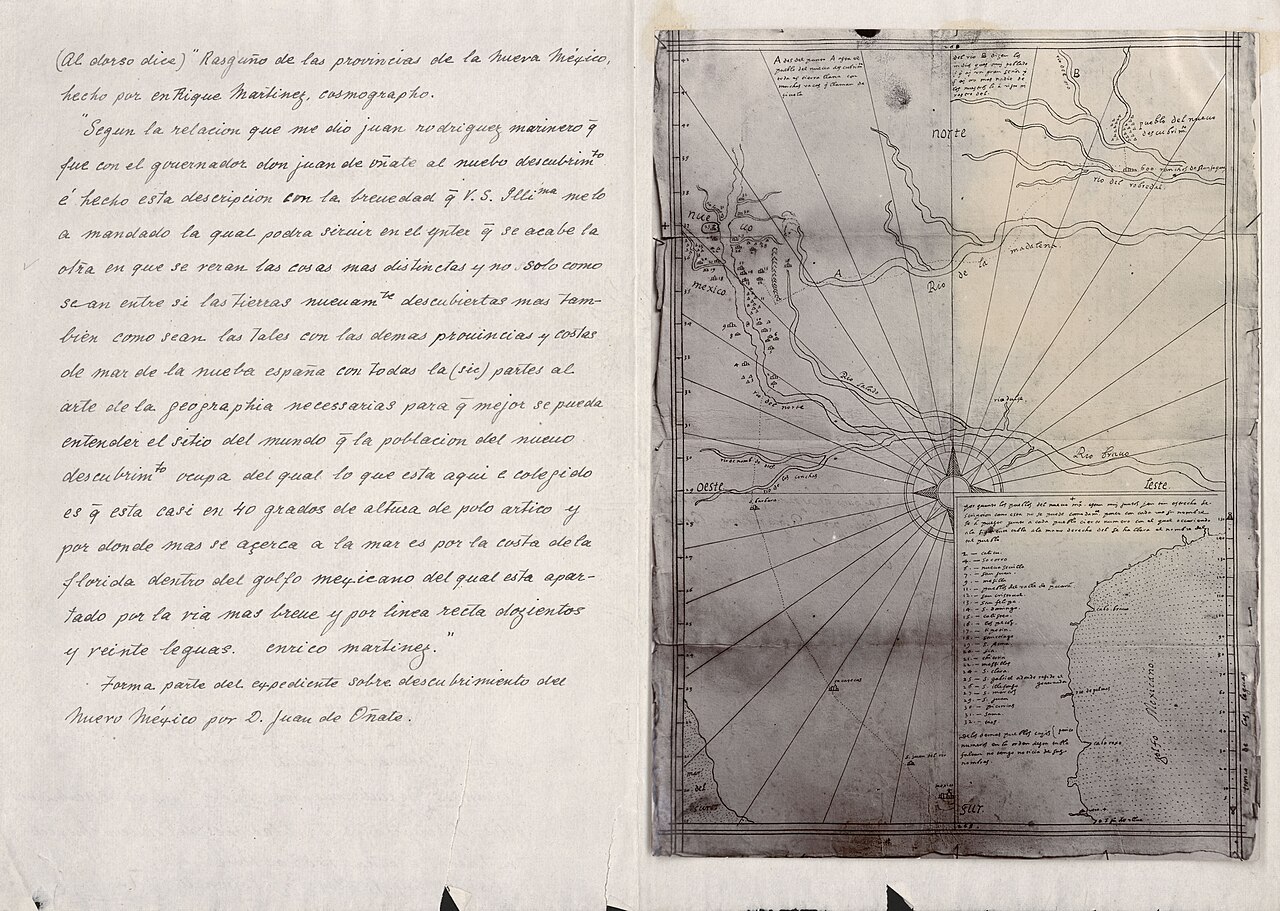
Rasguño de las provincias de la Nueva México
Enrico Martínez · c. 1602
 Book
Secondary source
The Spanish Borderlands: a chronicle of old Florida and the Southwest
Herbert Eugene Bolton · 1921
 Diary entry
Primary source
Diary of Fray Francisco de Escobar on the Colorado River expedition
Francisco de Escobar · 1605
Free account
Read every Juan de Oñate source
Sign up free →
Ready when you are
Start chatting with Juan de Oñate now.
20 messages free · No credit card · Available in 50+ languages.