


Secondary sourceBook9th century AH / 15th century AD
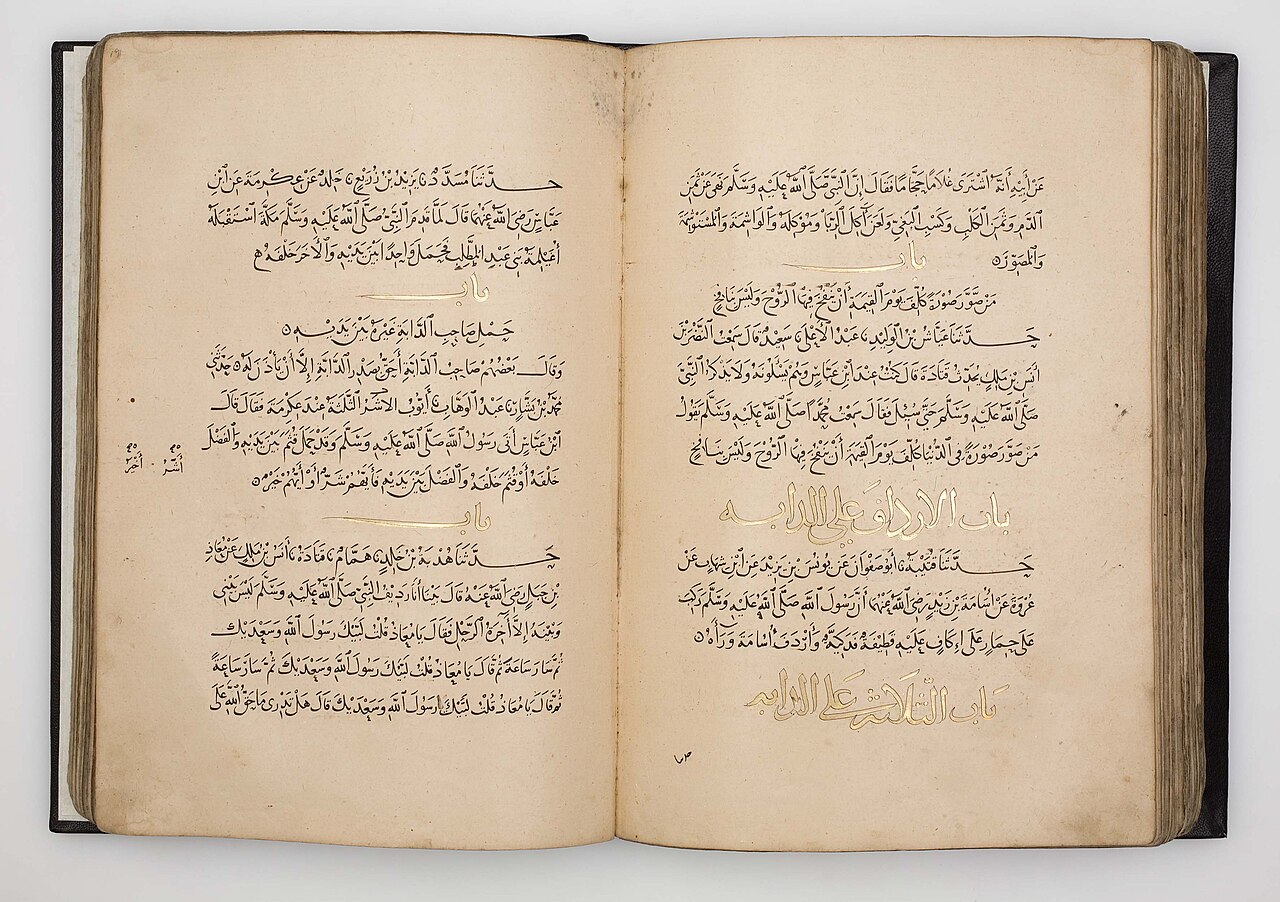
One Hundred Sayings attributed to Ali, Walters W.615
Alī ibn Abī Ṭālib (attributed); Rashid al-Din Muhammad al-Balkhi al-Vatvat (Persian paraphrase) · 9th century AH / 15th century AD
An illuminated manuscript of sayings attributed to Ali, Husayn's father, with a Persian paraphrase. It was completed in Iran in the fifteenth century and was not written by Husayn.
It preserves sayings of Ali, Husayn's father, showing the teachings of the household Husayn grew up in, though Husayn did not write them.
About this source
What it is
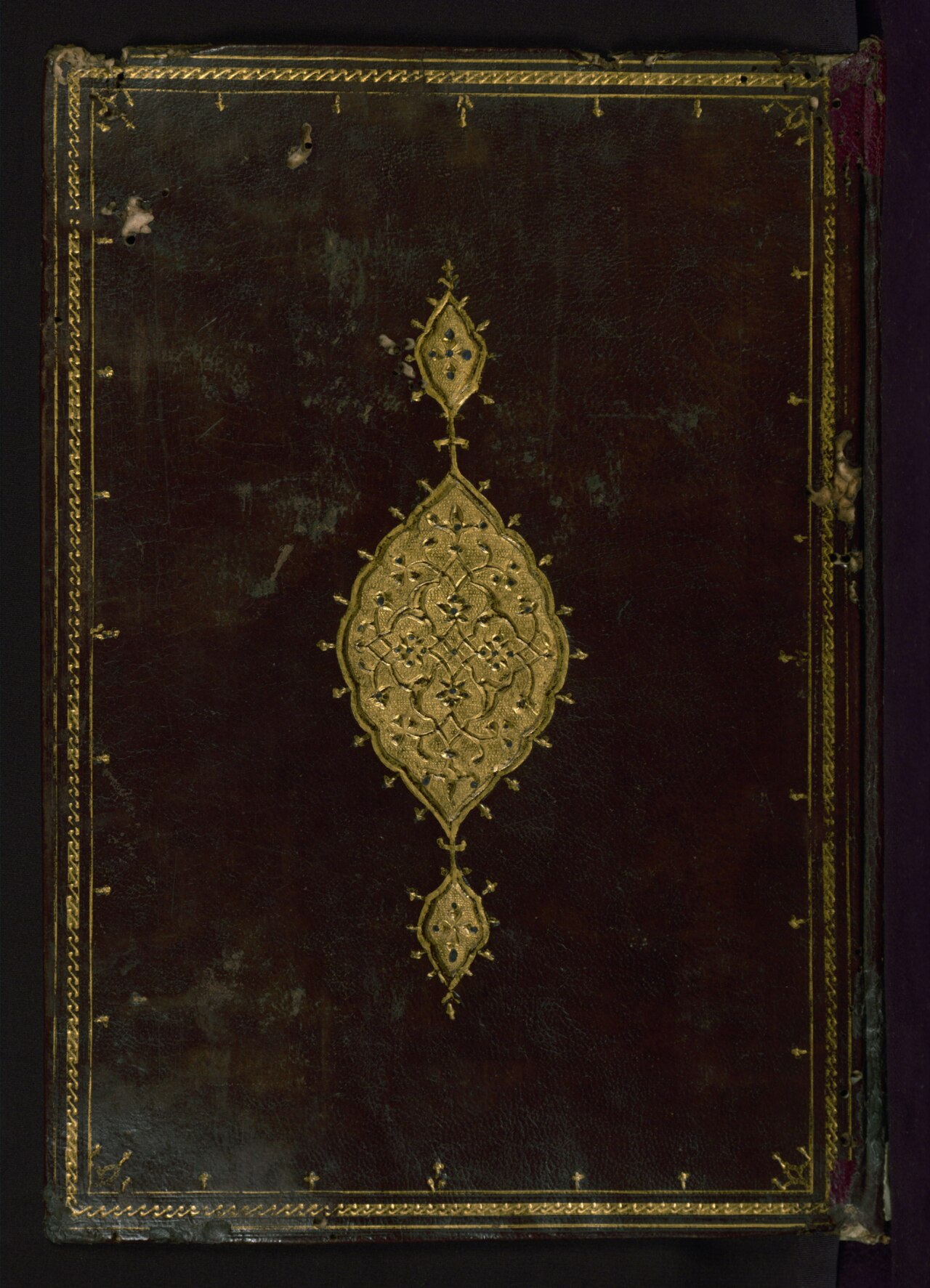
This is the Walters manuscript W.615, an illuminated copy of the One Hundred Sayings, called Mi'at kalimah in Arabic and Sad kalimah in Persian. The sayings are attributed to Ali ibn Abi Talib, who died in 661. The manuscript includes a Persian paraphrase in verse by Rashid al-Din Muhammad al-Balkhi, known as al-Vatvat, who died around 1182. The manuscript was completed in Iran in the 9th century AH, which is the fifteenth century AD. The sayings are written in Arabic and the verses in Persian, and the cover is dark brown goatskin with a gold-tooled medallion.
Why it matters
Ali was the father of Husayn, and the sayings reflect the teachings of his household. The manuscript shows how these teachings were copied, decorated and read for centuries after Ali's death. The Persian verses show that the sayings were also shared with readers who spoke Persian. The book tells us more about later readers and craftsmen than about Husayn himself.
Look closer
- What does the decoration on the cover and the calligraphy inside suggest about who owned or valued this book?
- Why were the sayings paraphrased in Persian, and who was the intended reader?
- What does this manuscript leave out, such as the context in which Ali first spoke these words?
This book is part of the curated material that grounds the AI version of Husayn ibn Ali on Humy.ai — when students ask about related events, the AI can quote it and cite it.
More Husayn ibn Ali sources
Browse all 86 →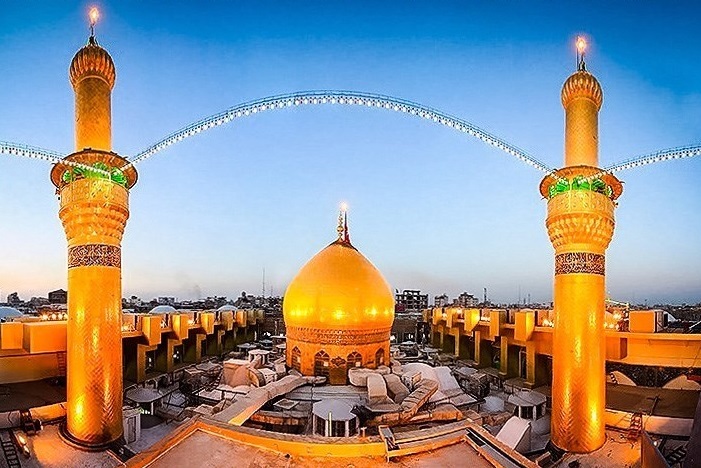 Artifact
Secondary source
Grave of Husayn ibn Ali
 Book
Secondary source
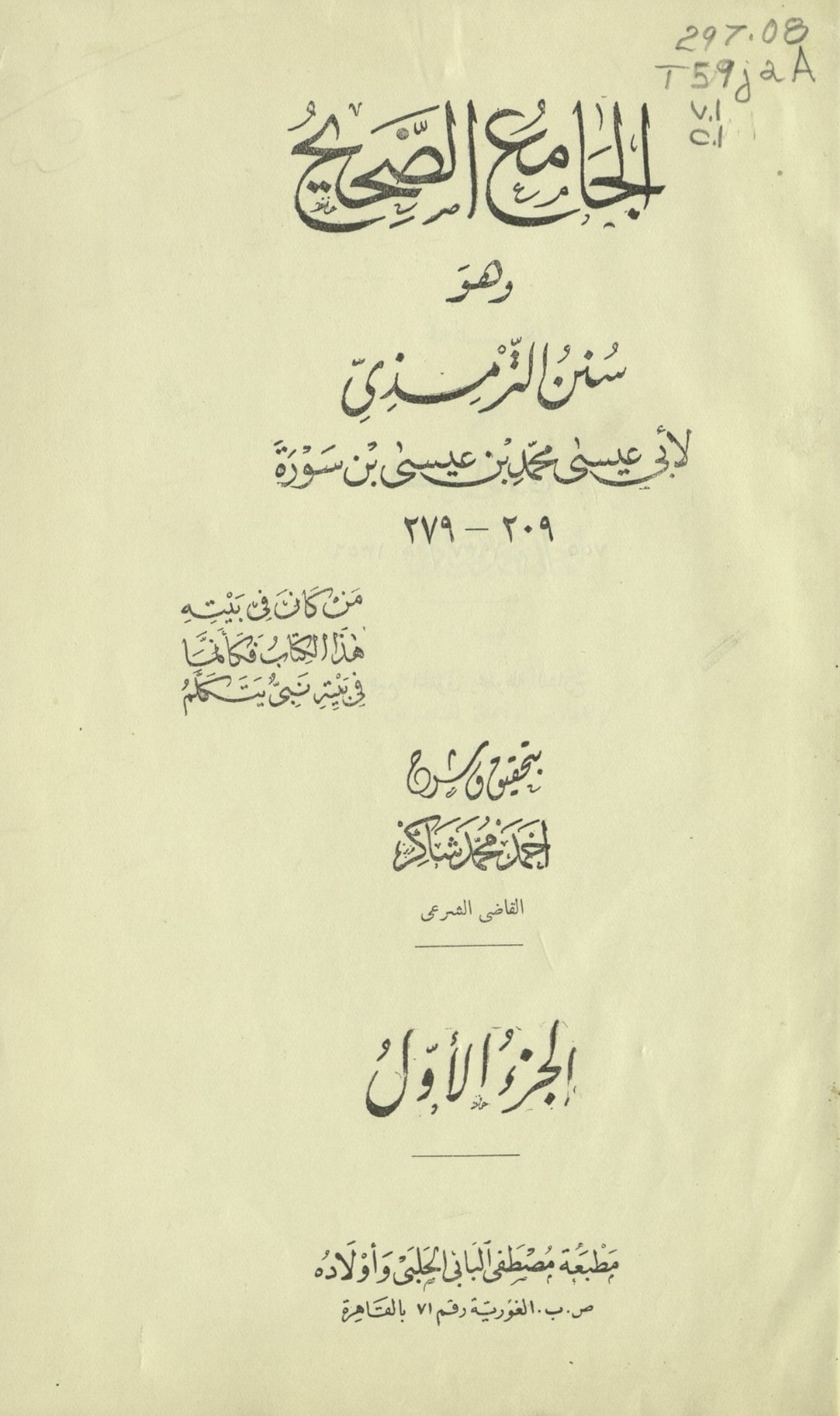
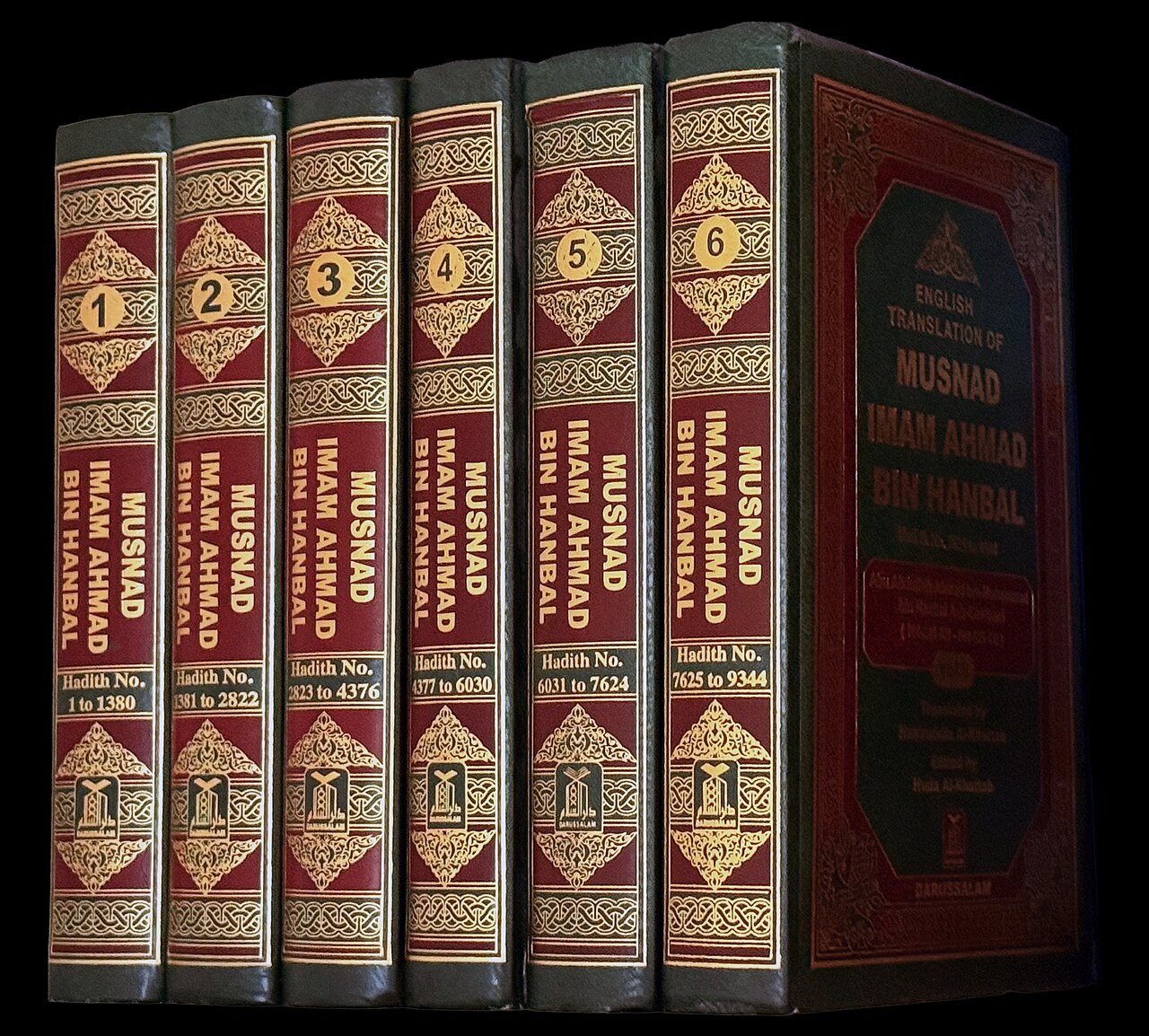
Jami` at-Tirmidhi
Abu Isa at-Tirmidhi · c. 864–884 CE
 Photograph
Secondary source
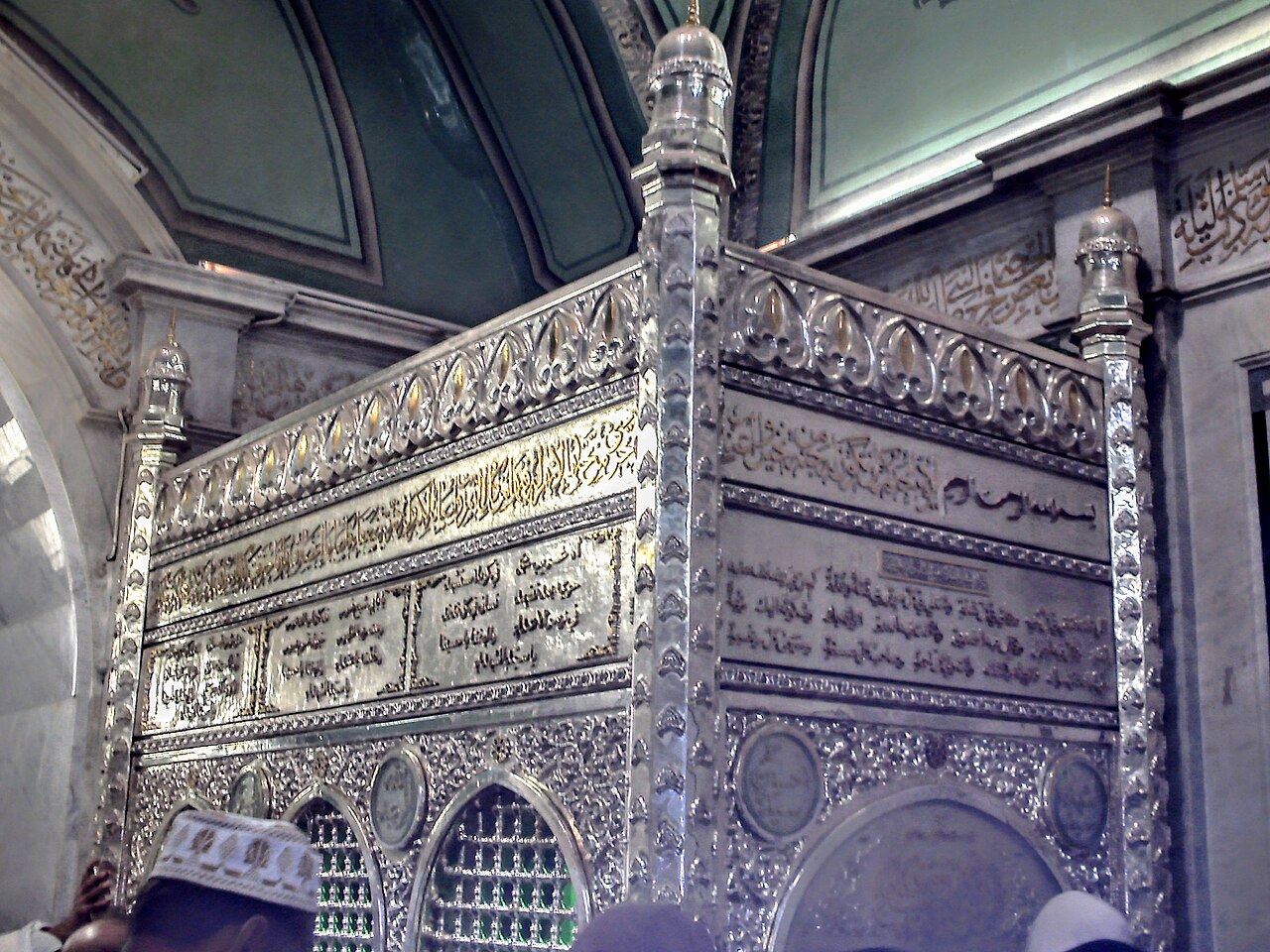
Shrine of Husayn's Head, Damascus
Murtaza.aliakbar
 Artifact
Secondary source
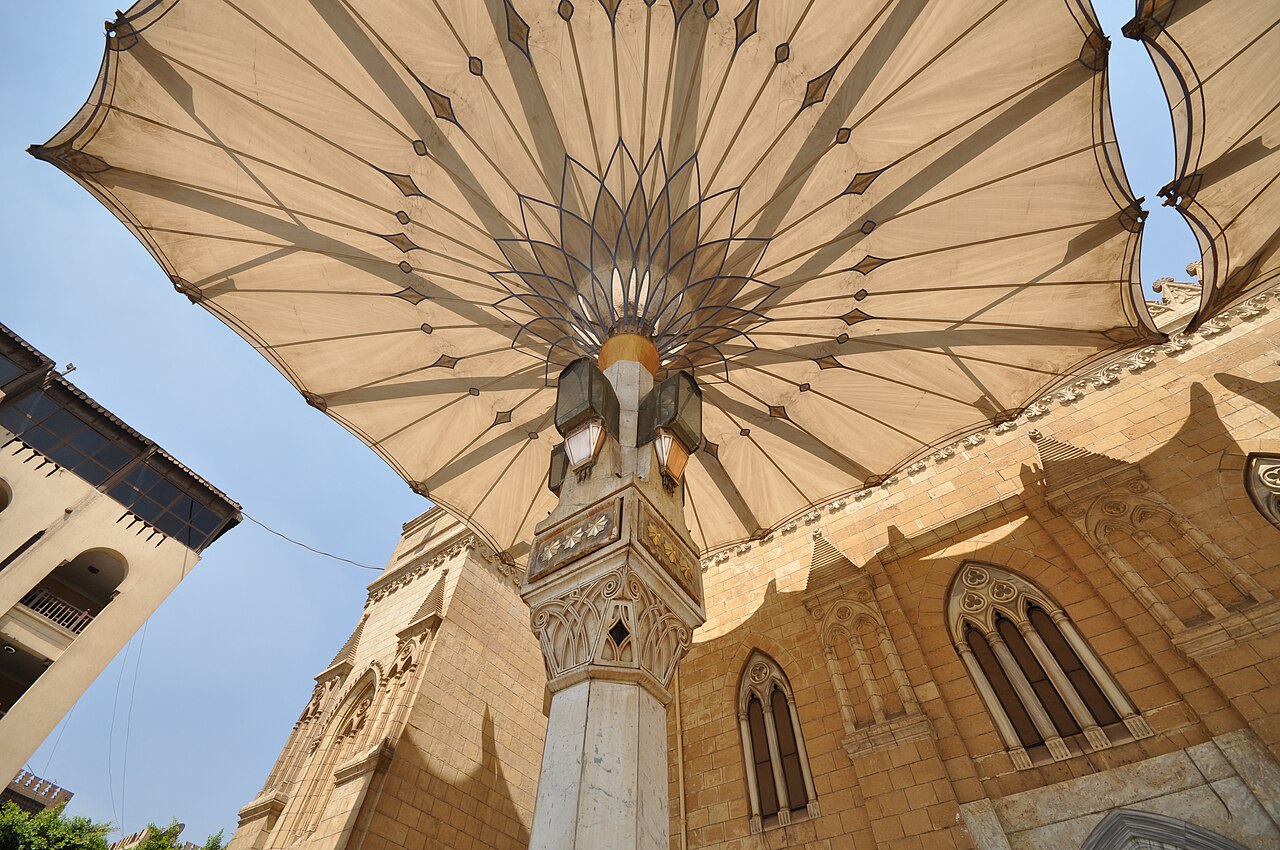
Al-Hussein Mosque, Cairo
1154 (rebuilt 1874)
Free account
Read every Husayn ibn Ali source
Sign up free →
Ready when you are
Start chatting with Husayn ibn Ali now.
20 messages free · No credit card · Available in 50+ languages.