


Primary sourceDocument1793
Opinion in Chisholm v. Georgia
James Wilson · 1793
Justice James Wilson's own separate opinion in the 1793 Supreme Court case Chisholm v. Georgia, addressing state sovereignty.
This is Wilson's own written opinion as a sitting Supreme Court Justice, directly showing his legal reasoning.
Free Humy account · No credit card · 120,912 sources to read
About this source
What it is
This is James Wilson's separate opinion in the Supreme Court case Chisholm v. Georgia, decided in 1793. In it, Wilson addresses whether a state can be sued in the Supreme Court, a question he links to the larger issue of whether the people of the United States form a single nation.
Why it matters
As a sitting Justice, Wilson wrote this opinion himself, making it a direct primary source for his legal thinking. The case was significant because it tested the limits of state sovereignty under the new Constitution, and the strong reaction to the decision eventually led to the Eleventh Amendment. Wilson's opinion reveals his deep commitment to the idea of a unified American nation rather than a mere alliance of states.
Look closer
- Why does Wilson frame the case around the question "do the people of the United States form a Nation?"
- What method does Wilson use to build his argument, and why might he look at other countries' laws?
- How might a state have reacted to being told it could be sued by an individual?
This document is part of the curated material that grounds the AI version of James Wilson on Humy.ai — when students ask about related events, the AI can quote it and cite it.
More James Wilson sources
Browse all 62 →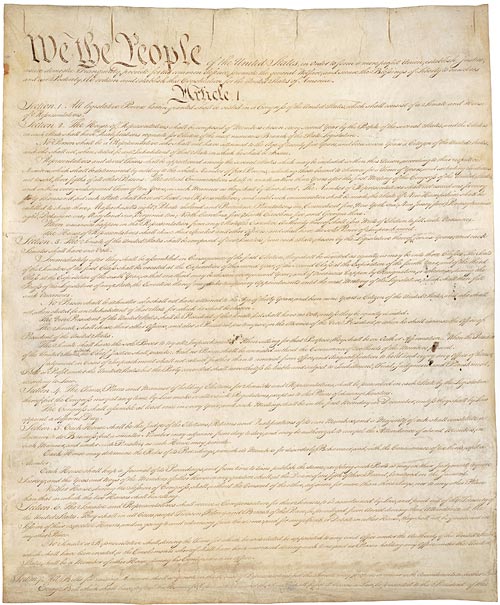 Document
Primary source
United States Constitution
Constitutional Convention · 17 September 1787
 Document
Primary source
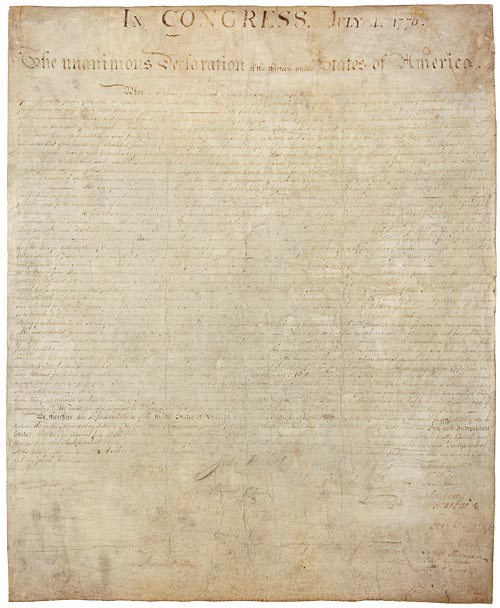
Declaration of Independence
Continental Congress (drafted by Thomas Jefferson) · 1776
Primary source
State House Yard Speech
James Wilson · 6 October 1787
 Document
Primary source
Notes of Debates in the Federal Convention of 1787
James Madison · 1787
Free account
Read every James Wilson source
Sign up free →
Ready when you are
Start chatting with James Wilson now.
20 messages free · No credit card · Available in 50+ languages.