


Primary sourceDocument1783
Opinion in Quock Walker vs. Nathaniel Jennison
William Cushing · 1783
Justice William Cushing's 1783 jury charge explaining why Quock Walker's enslavement was unconstitutional under Massachusetts law, effectively ending slavery in the state.
This is the judicial opinion that decided Quock Walker's freedom suit and declared slavery incompatible with the Massachusetts Constitution.
Free Humy account · No credit card · 120,912 sources to read
About this source
What it is
This is the written opinion of Justice William Cushing in the case of Quock Walker versus Nathaniel Jennison, delivered to the jury in 1783. It survives today as a short text preserved on Wikisource.
Why it matters
Cushing argued that the old custom of slavery had never been formally established by law, and that the new Massachusetts Constitution's declaration that all men are born free and equal made slaveholding incompatible with the state's own government. This reasoning, building directly on Quock Walker's case, is credited with ending slavery as a legal institution in Massachusetts.
Look closer
- What does Cushing mean when he says slavery was a
This document is part of the curated material that grounds the AI version of Quock Walker on Humy.ai — when students ask about related events, the AI can quote it and cite it.
More Quock Walker sources
Browse all 19 →Primary source
The Selling of Joseph
Samuel Sewall · 1700
 Document
Primary source
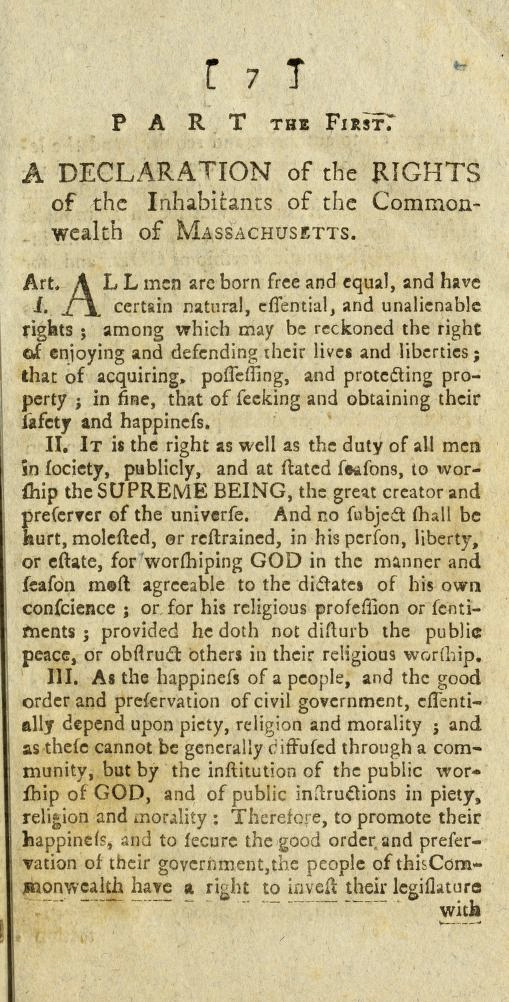
Constitution of Massachusetts
John Adams · 1779-1780
 Document
Primary source
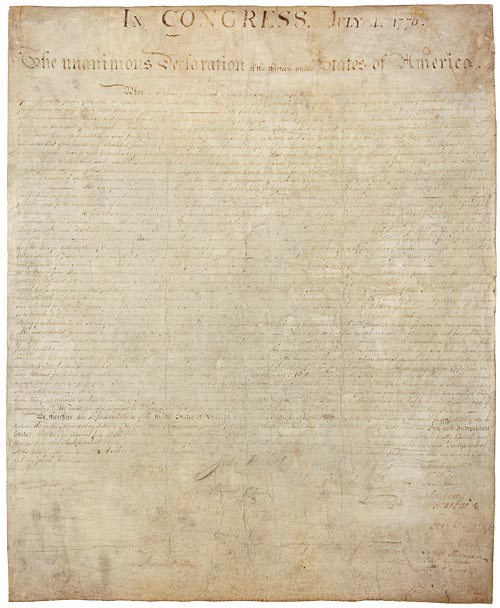
Declaration of Independence
Continental Congress (drafted by Thomas Jefferson) · 1776
 Document
Primary source
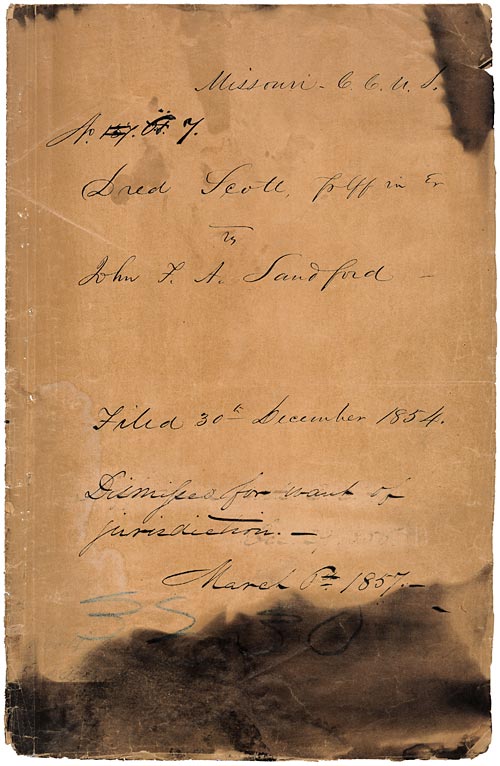
Dred Scott v. Sandford
Roger B. Taney · 6 March 1857

Free account
Read every Quock Walker source
Sign up free →
Ready when you are
Start chatting with Quock Walker now.
20 messages free · No credit card · Available in 50+ languages.