


Secondary sourceArtifactPhotographed 15 December 2002
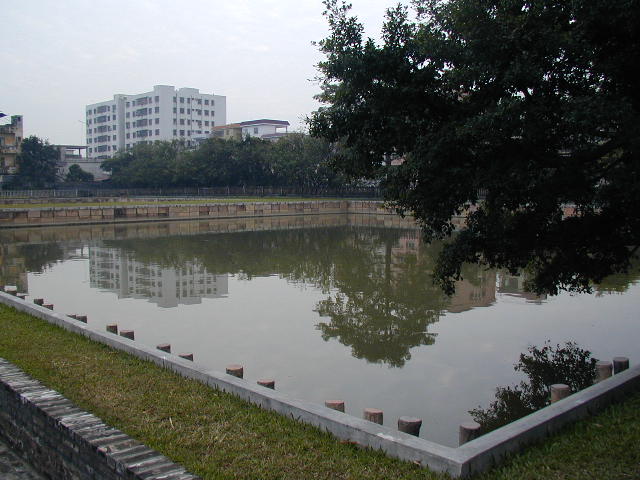
Opium Destruction Pool at Humen
Photographed 15 December 2002
The pool at Humen where Lin Tse-hsu's officials destroyed confiscated opium in 1839, a key event leading to the First Opium War.
This is the site where Lin Tse-hsu ordered the destruction of confiscated opium, a key act of his campaign.
About this source
What it is
This photograph, taken in 2002, shows the pool at Humen where confiscated opium was destroyed under the order of Lin Tse-hsu. The site is now part of the Opium War Museum.
Why it matters
The destruction of opium at Humen was one of the most dramatic acts of Lin's anti-opium campaign and a direct trigger for the First Opium War between China and Britain. This site preserves the physical memory of that event, even though the photograph itself was taken long afterward.
Look closer
- Why might the Chinese government choose to preserve this site as a museum?
- What does the calm appearance of the pool today suggest about how history can be hidden by time?
- How might the destruction of the opium have been seen differently by Chinese officials and British traders?
This artifact is part of the curated material that grounds the AI version of Viceroy Lin Zexu on Humy.ai — when students ask about related events, the AI can quote it and cite it.
More Viceroy Lin Zexu sources
Browse all 97 →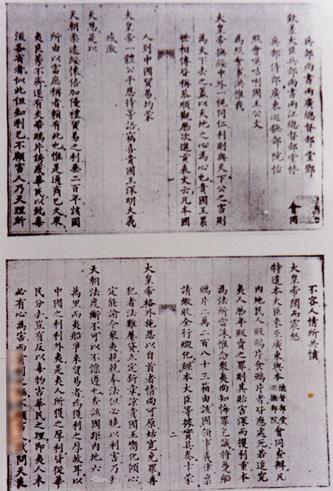 Letter
Primary source
Letter to Queen Victoria
Lin Tse-hsu · 1839
 Painting
Primary source
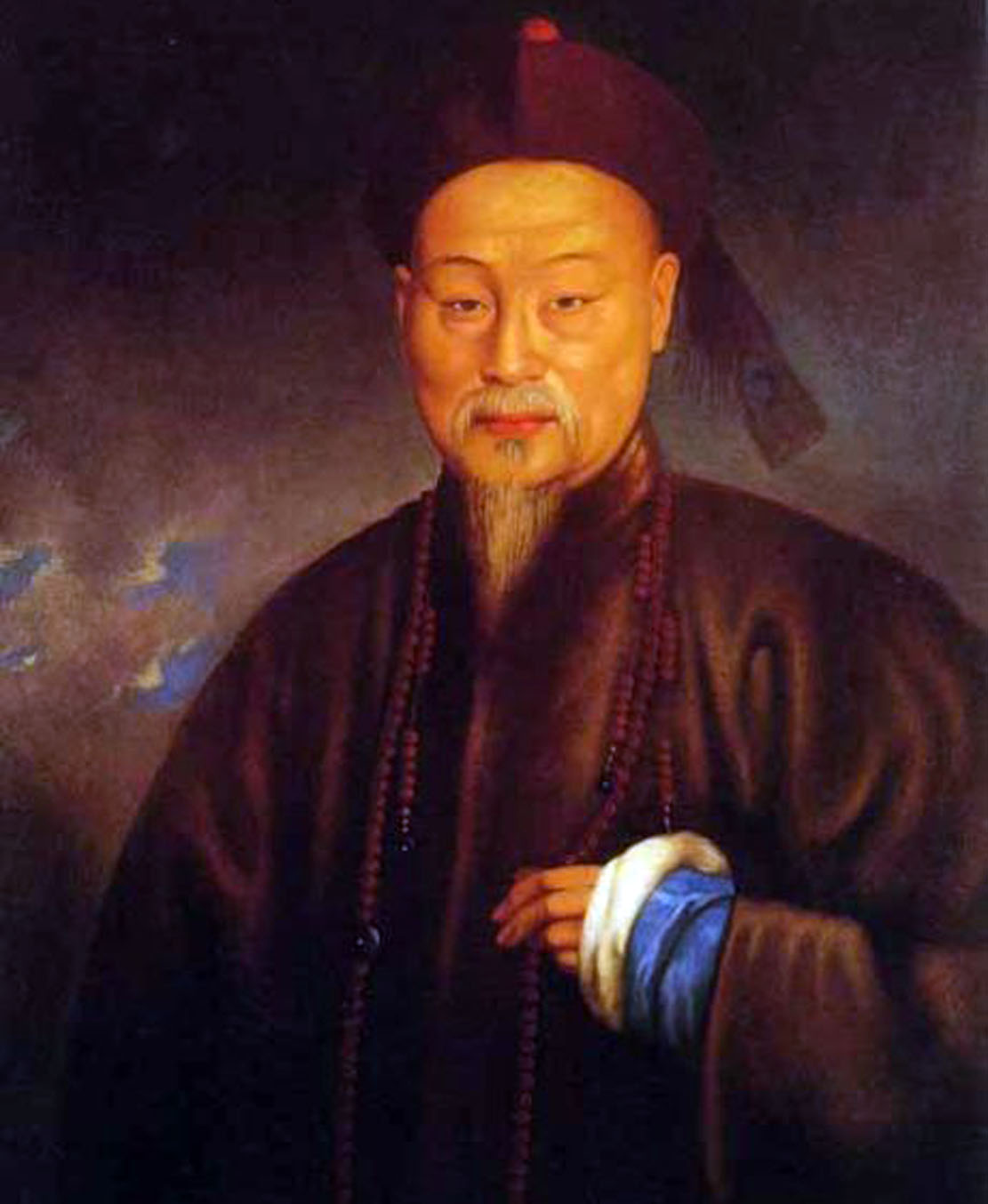
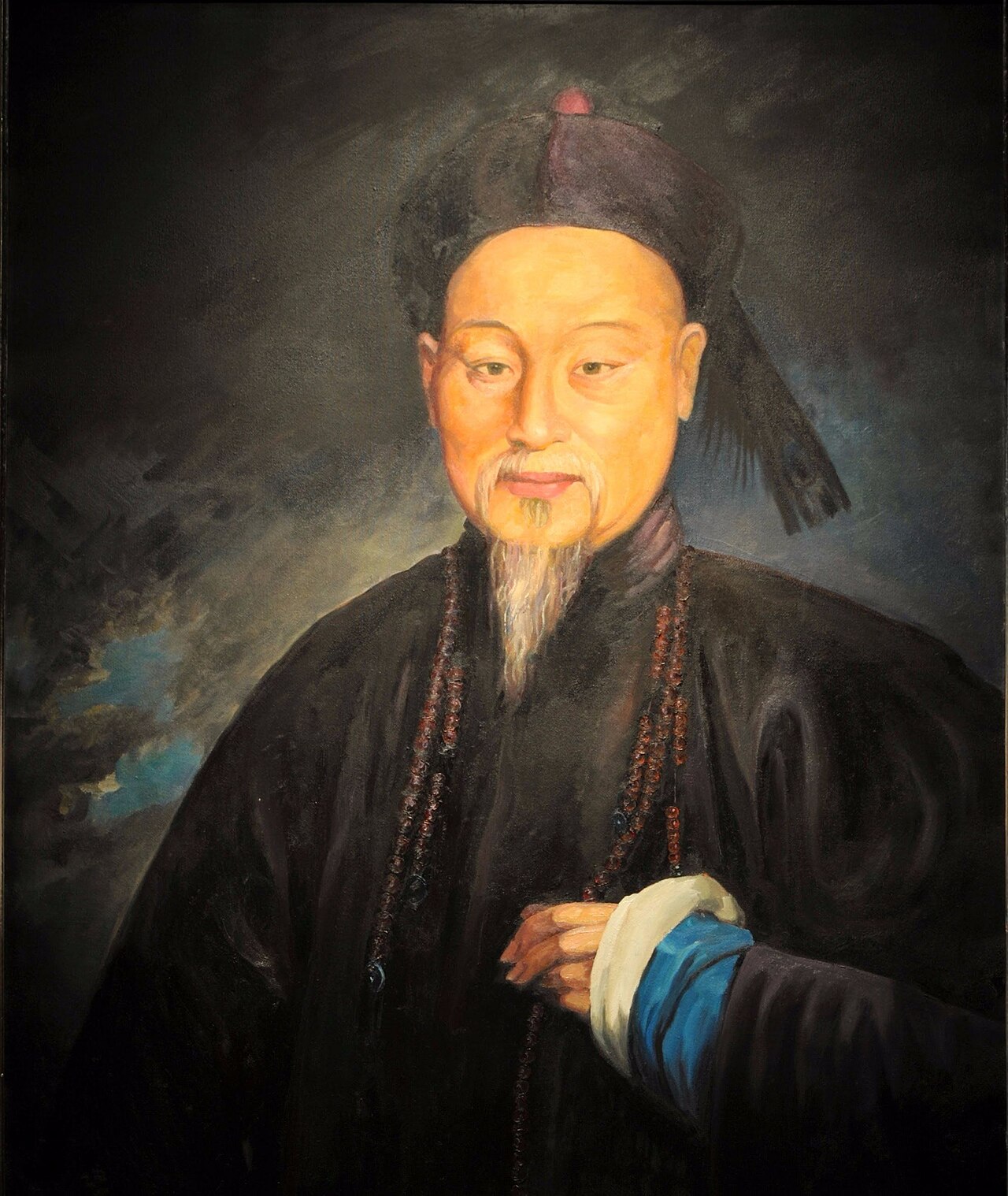
Lin Zexu Portrait by Lamqua
Lamqua (attributed)
 Book
Secondary source
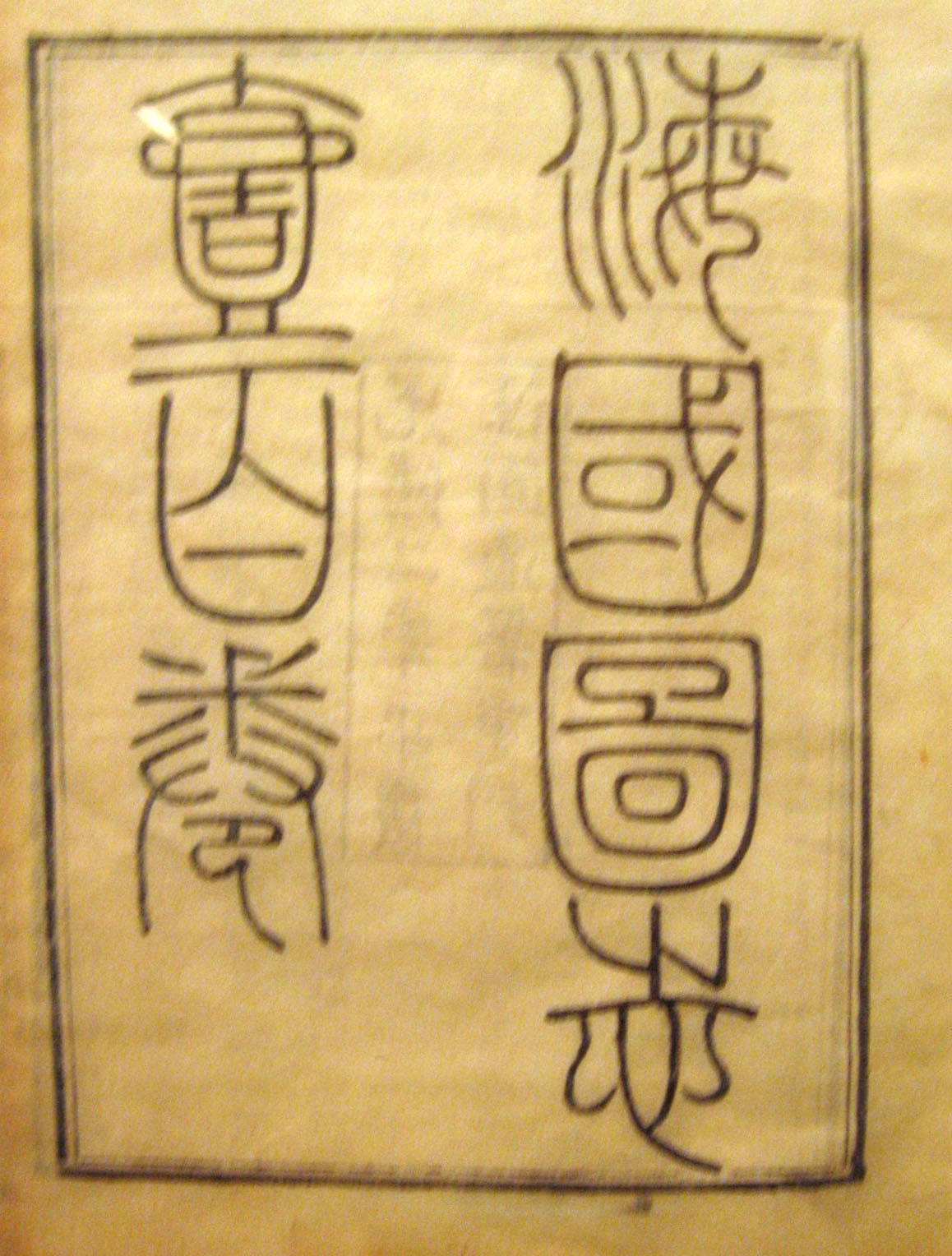
Illustrated Treatise on the Maritime Kingdoms
Wei Yuan · 1843 (first edition)
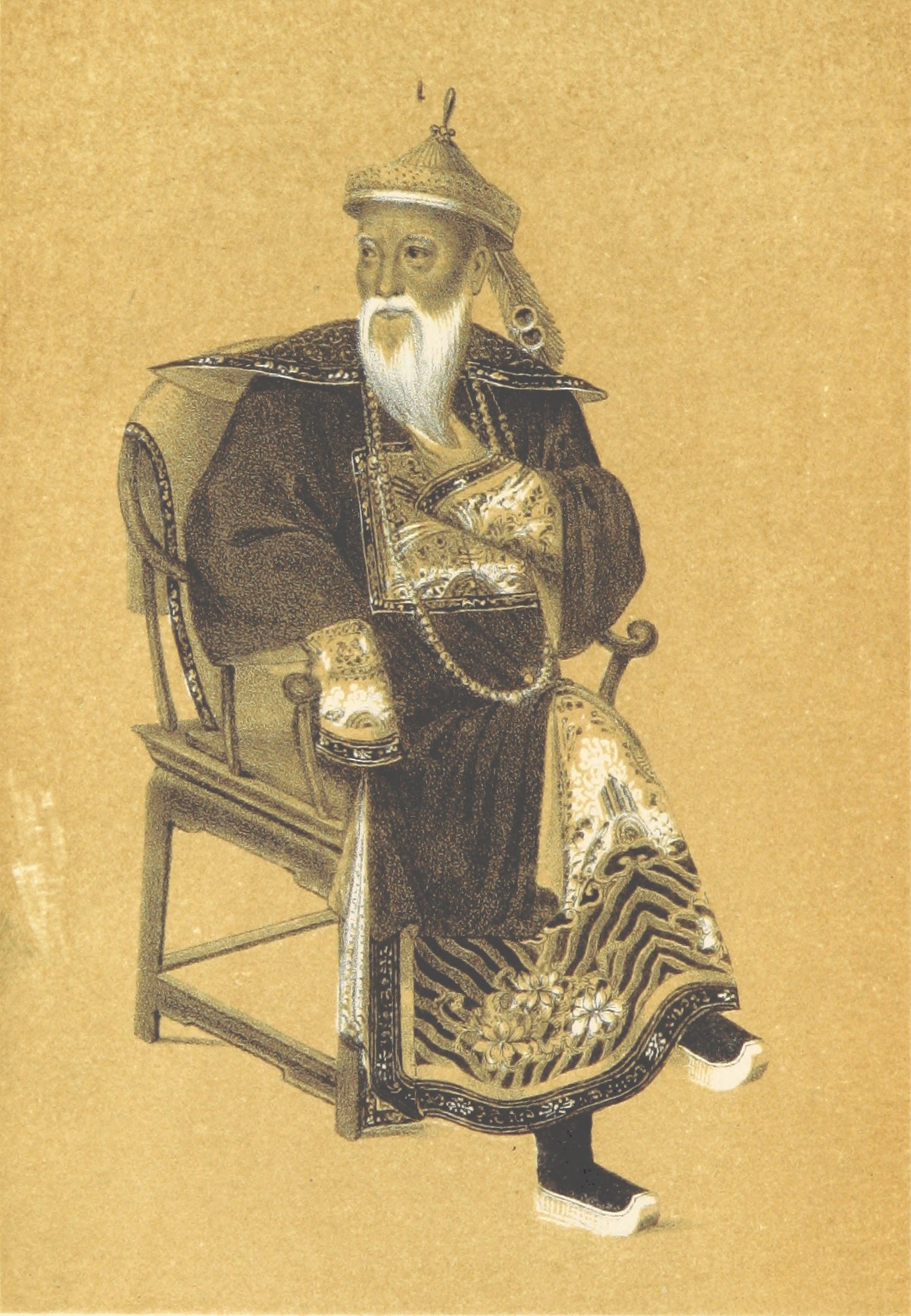 Painting
Primary source
Commissioner Lin Zexu
Unknown (native artist)
Free account
Read every Viceroy Lin Zexu source
Sign up free →
Ready when you are
Start chatting with Viceroy Lin Zexu now.
20 messages free · No credit card · Available in 50+ languages.