


Primary sourceBook1730 (fourth edition text); audio recorded recently
Opticks
Isaac Newton · 1730 (fourth edition text); audio recorded recently
A LibriVox volunteer audio reading of Newton's own book on light and colour, first published in 1704.
This is Newton's own written work on light and colour, read aloud by volunteers long after his death.
About this source
What it is
This is a modern volunteer audio recording of Opticks, Newton's treatise on the reflection, refraction and colours of light. The text read here is based on the fourth English edition of 1730, corrected from an earlier version by Newton himself before his death. The recording was made by LibriVox volunteers and is not Newton's own voice.
Why it matters
Newton lectured on optics in the early 1670s and developed his theories using prisms, discovering chromatic aberration and proposing that light was made of particles. Opticks set out these ideas in plain English rather than Latin, making them accessible to a wider audience of readers across Europe.
Look closer
- Why might Newton have waited years before publishing some of these ideas?
- How is listening to a reading different from reading the original printed page?
- What does the formal language of the title page tell you about how books were presented in Newton's time?
This book is part of the curated material that grounds the AI version of Isaac Newton on Humy.ai — when students ask about related events, the AI can quote it and cite it.
More Isaac Newton sources
Meet the AI Isaac Newton →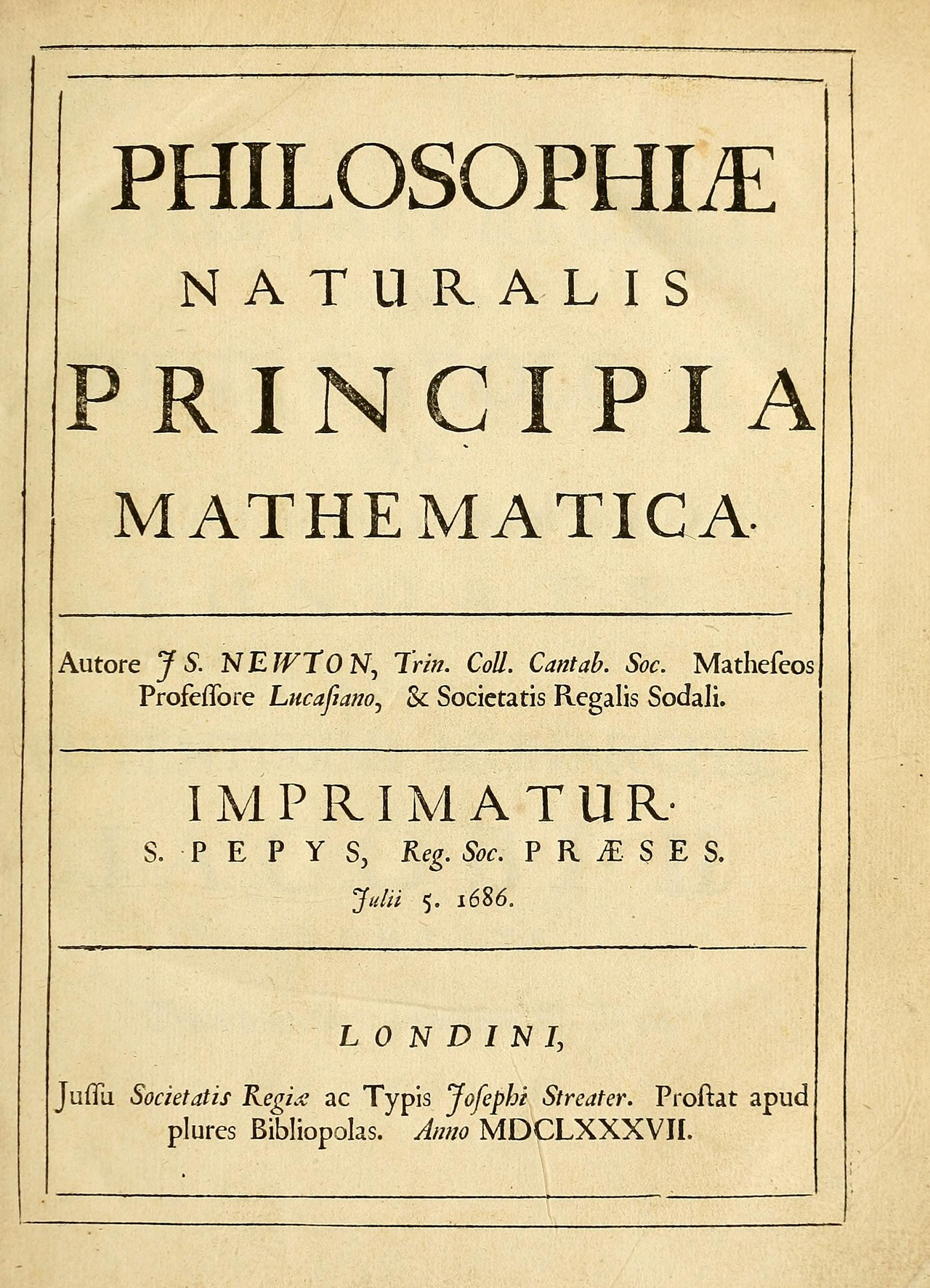 Book
Primary source
Philosophiæ Naturalis Principia Mathematica
Isaac Newton · 1687
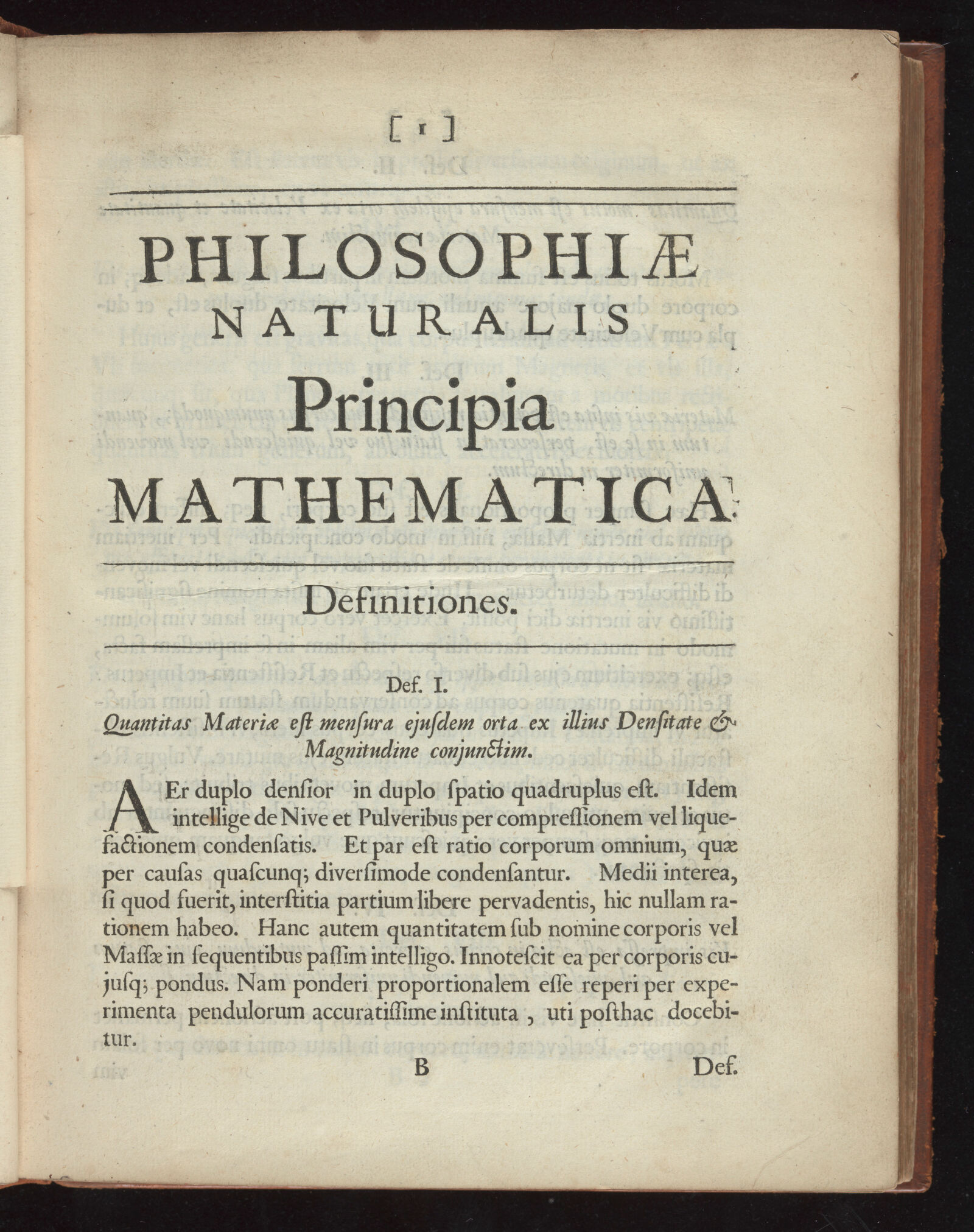 Book
Primary source
Principia Mathematica, Page 1: Definitions
Isaac Newton · 1687
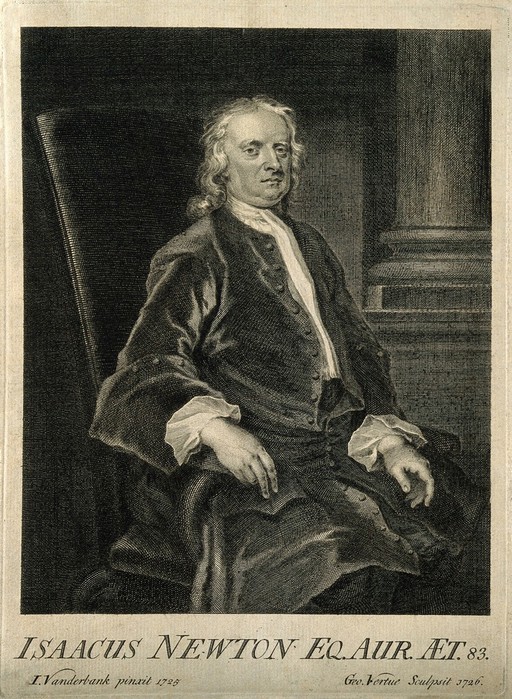 Painting
Primary source
Sir Isaac Newton, line engraving by Vertue, 1726
George Vertue · 1726
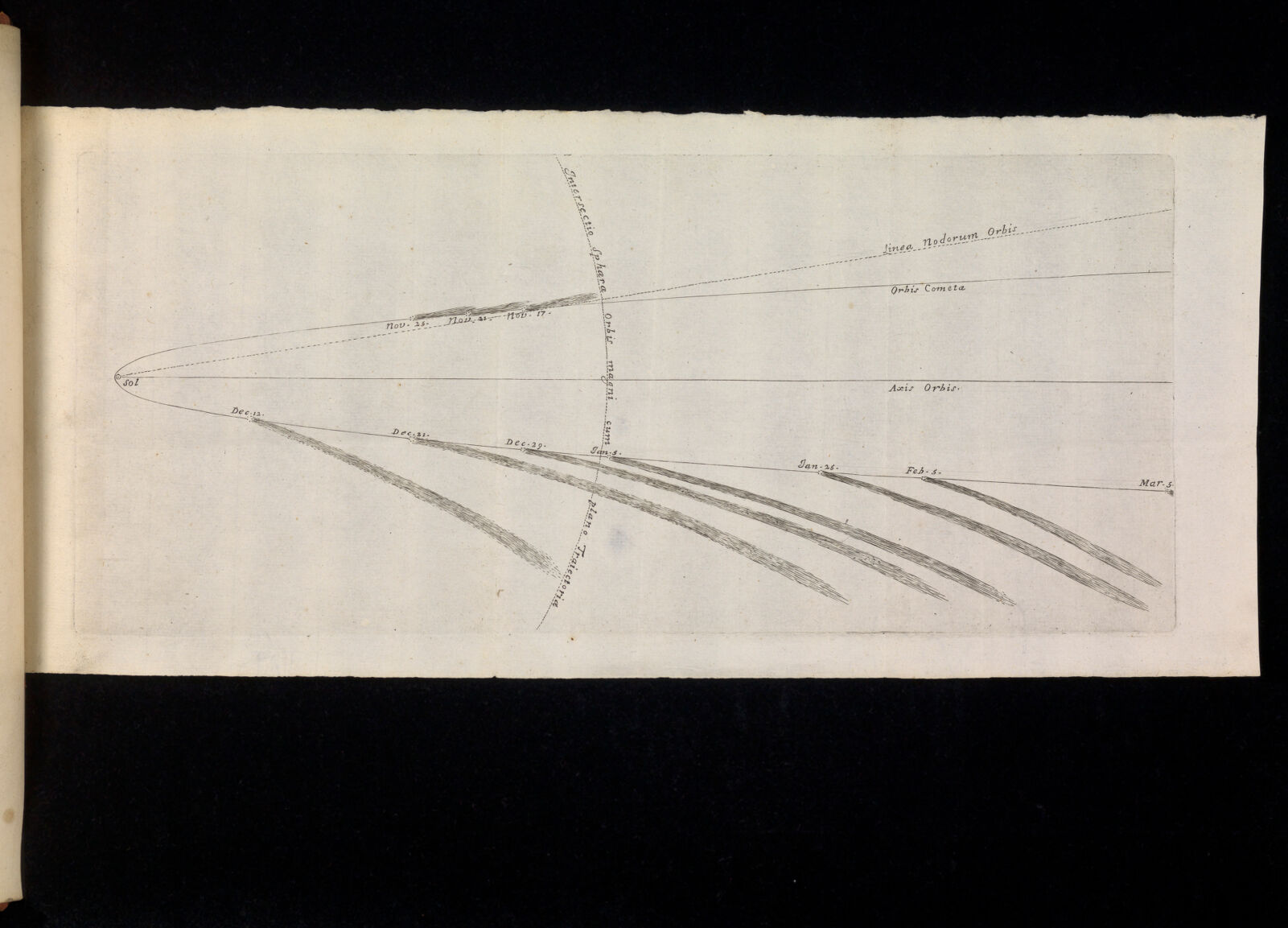 Document
Primary source
Principia Mathematica, Fold-out Diagram
Isaac Newton · 1687
 Painting
Primary source
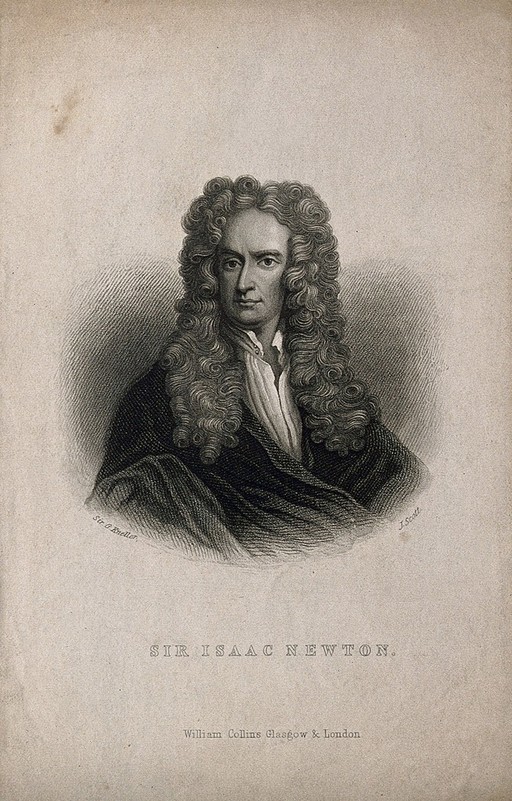
Sir Isaac Newton, stipple engraving by J. Scott after Kneller, 1702
J. Scott, after Sir Godfrey Kneller · 1702 (print made later)
Ready when you are
Start chatting with Isaac Newton now.
20 messages free · No credit card · Available in 50+ languages.