


Primary sourceBook1704
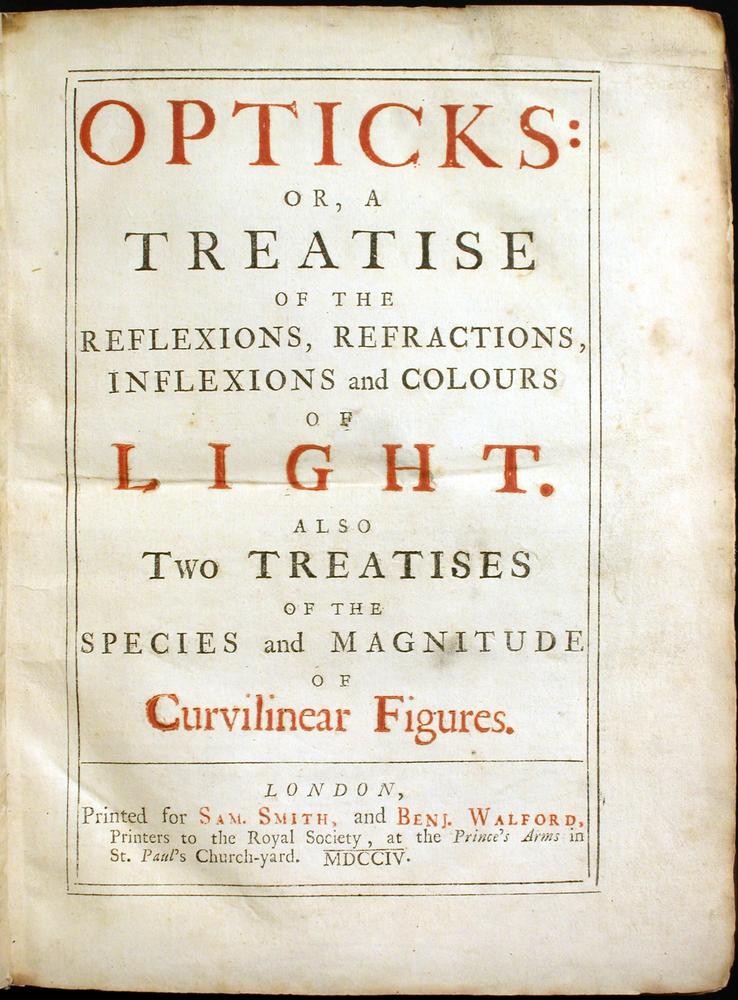
Opticks, or a Treatise of the Reflections, Refractions, Inflections and Colours of Light
Isaac Newton · 1704
Newton's 1704 English treatise on light and colour, written by him after decades of experiments with prisms.
Newton's own treatise recording his experiments and theories on light and colour.
About this source
What it is
This is the title page of the first edition (1704) of Opticks, written in English by Isaac Newton. It presents his experiments on light, colour and dispersion, carried out over many years and first reported to the Royal Society in 1672.
Why it matters
Unlike the Latin Principia, Opticks was written in English and helped build a tradition of science writing for a wider public. Newton used careful experiments, not just mathematics, to show that white light is made of different coloured rays, overturning older ideas about light and colour. The book's speculative closing 'Queries' influenced scientists for decades after Newton's death.
Look closer
- Why do you think Newton chose to publish this work in English rather than Latin?
- What does Newton's opening statement about using 'Reason and Experiments' rather than hypotheses tell you about his scientific method?
- How might the experiments described differ from the mathematical proofs in the Principia?
This book is part of the curated material that grounds the AI version of Isaac Newton on Humy.ai — when students ask about related events, the AI can quote it and cite it.
More Isaac Newton sources
Meet the AI Isaac Newton →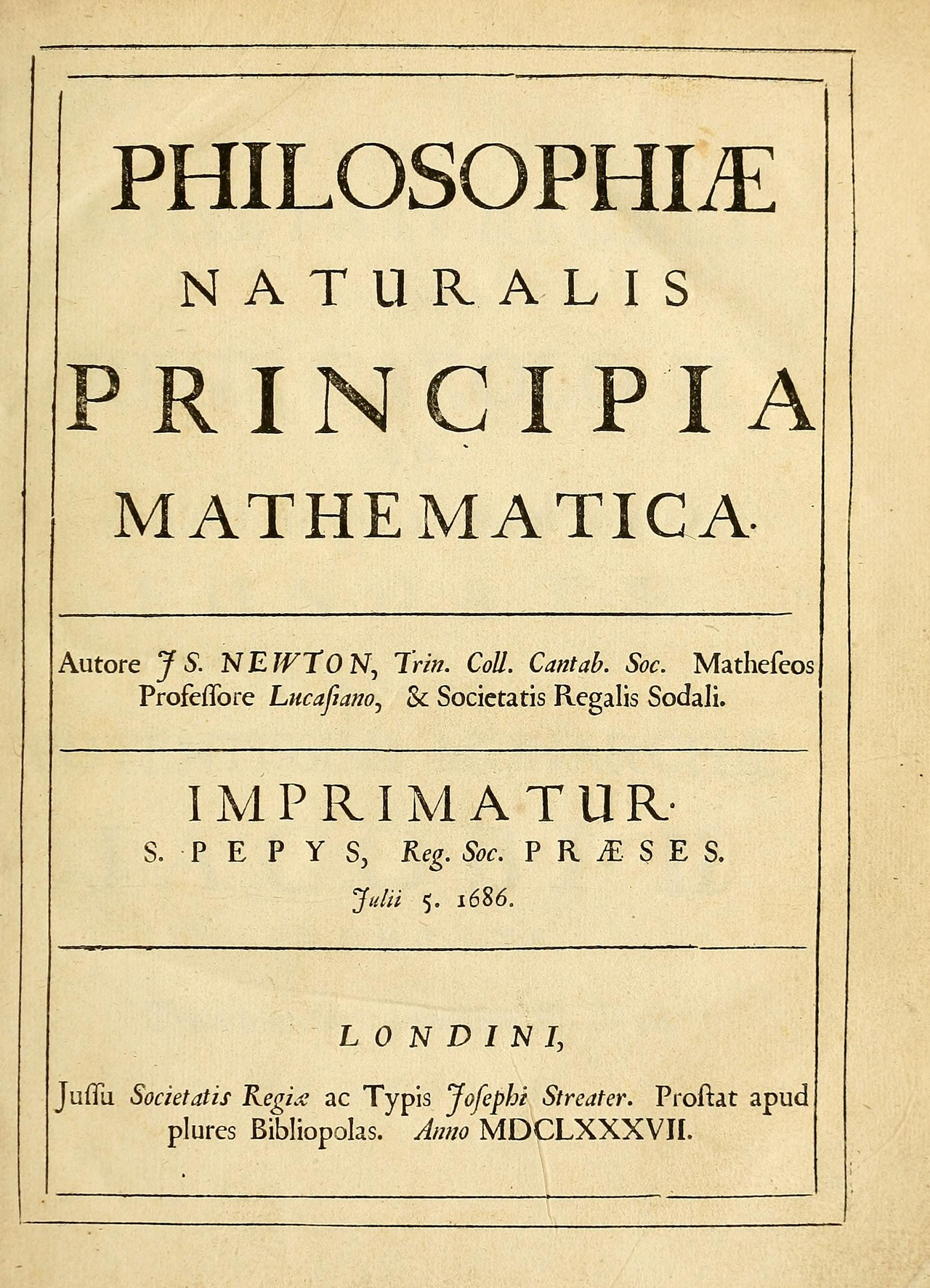 Book
Primary source
Philosophiæ Naturalis Principia Mathematica
Isaac Newton · 1687
 Book
Primary source
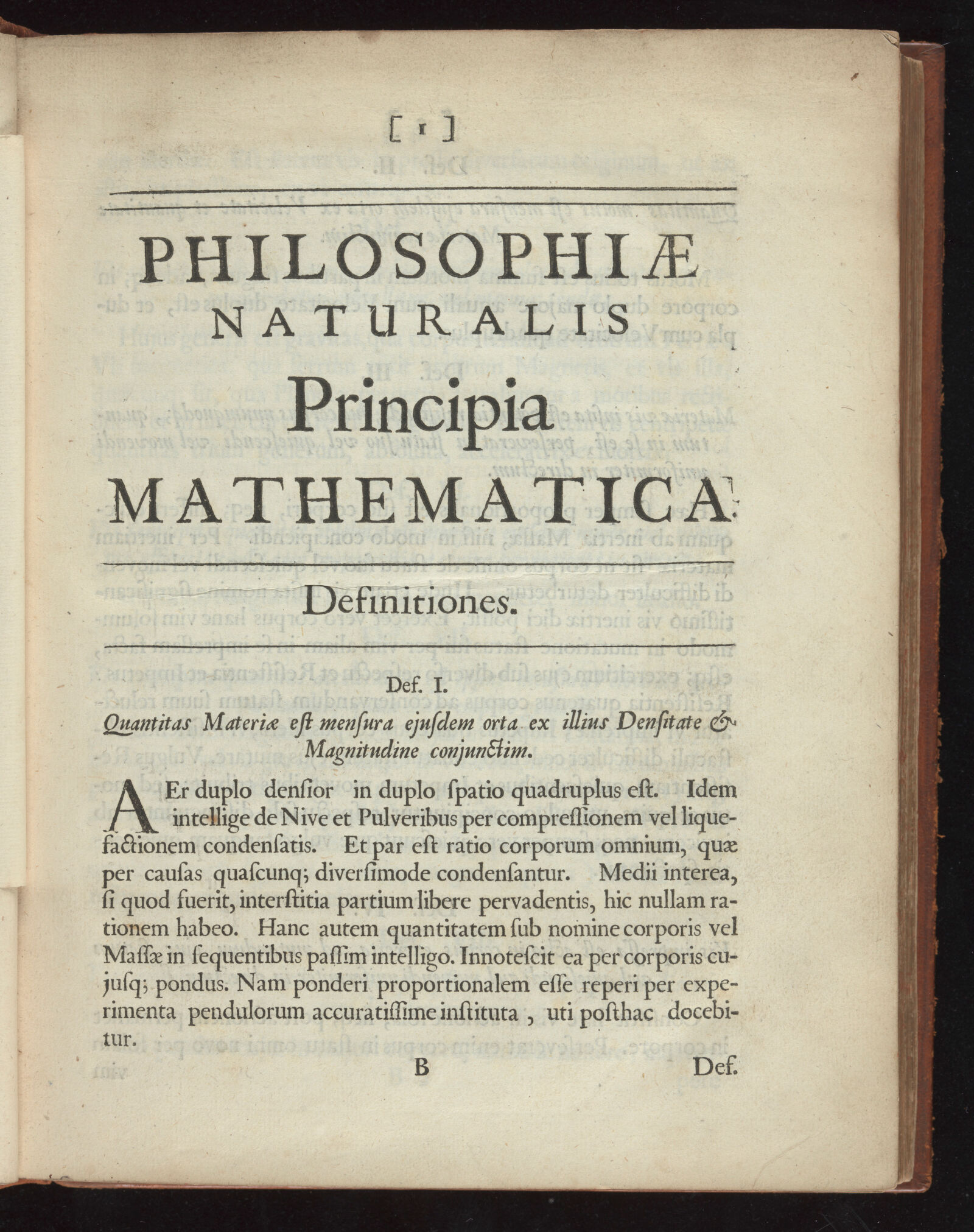
Principia Mathematica, Page 1: Definitions
Isaac Newton · 1687
 Painting
Primary source
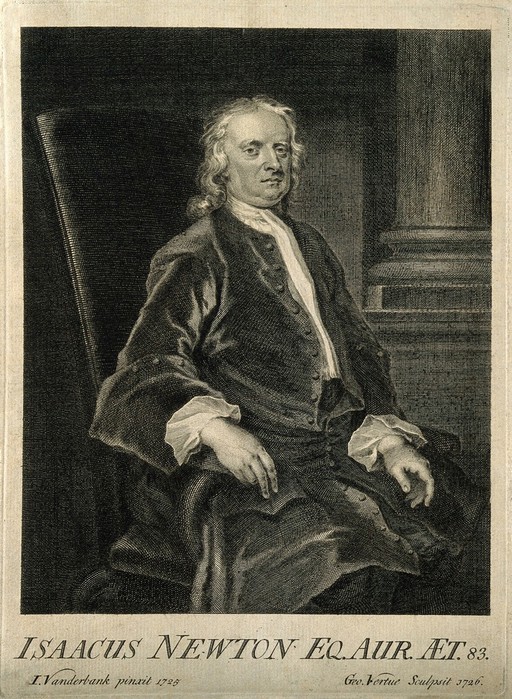
Sir Isaac Newton, line engraving by Vertue, 1726
George Vertue · 1726
 Document
Primary source
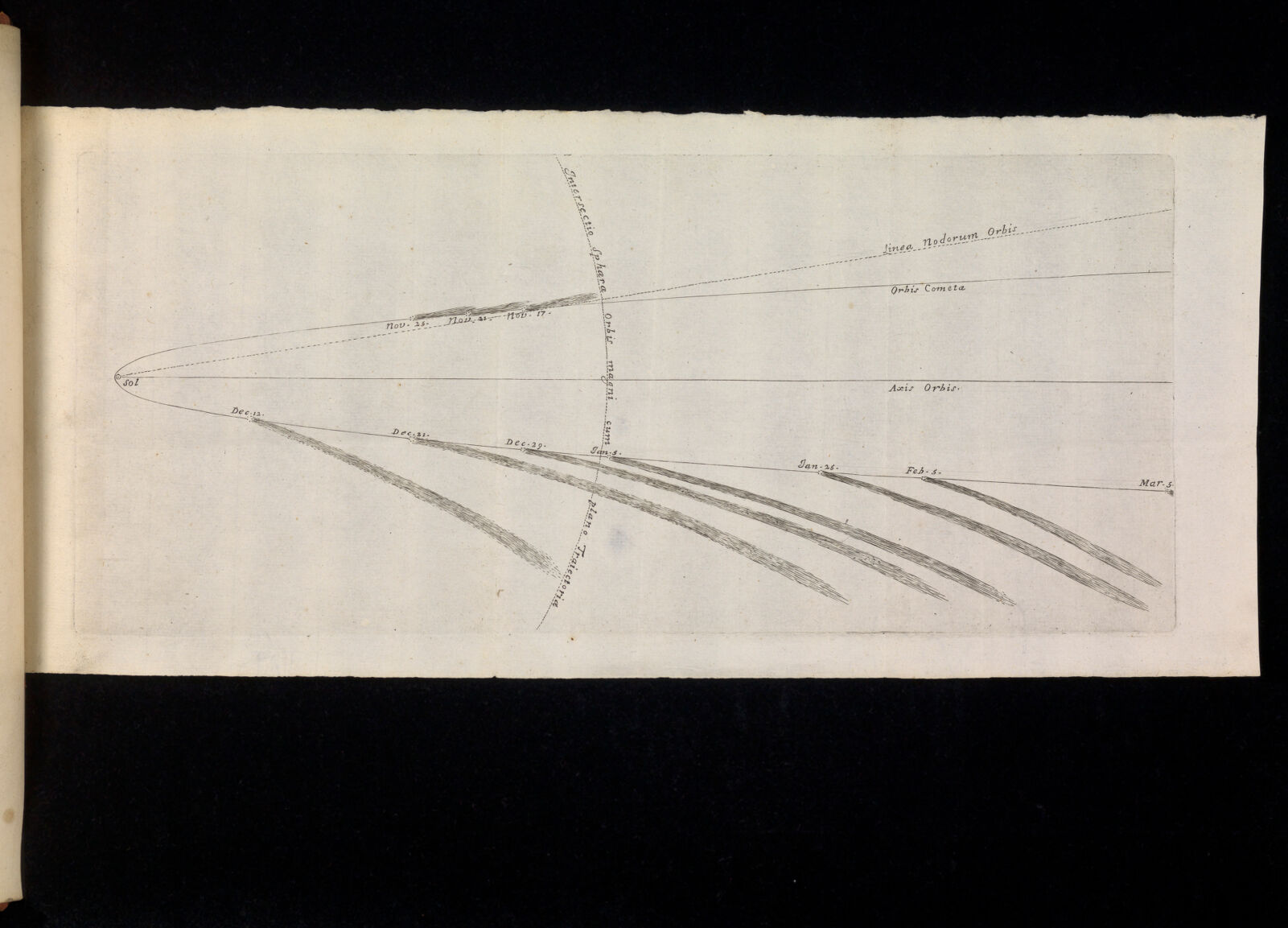
Principia Mathematica, Fold-out Diagram
Isaac Newton · 1687
 Painting
Primary source
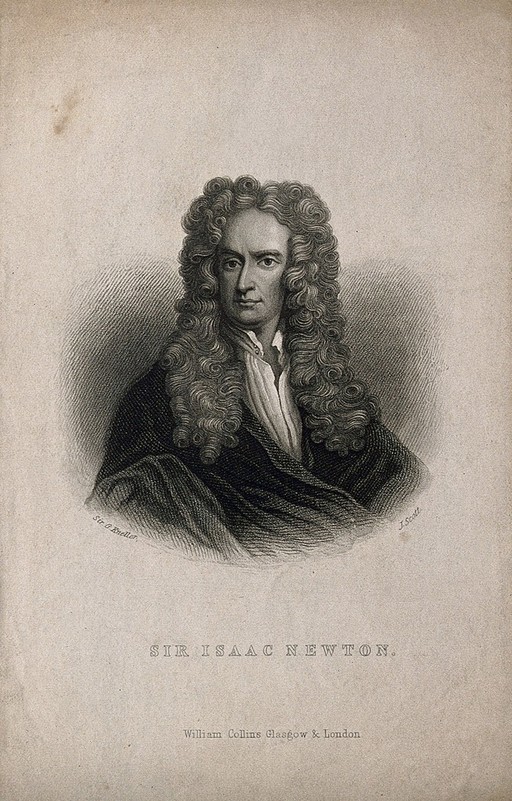
Sir Isaac Newton, stipple engraving by J. Scott after Kneller, 1702
J. Scott, after Sir Godfrey Kneller · 1702 (print made later)
Ready when you are
Start chatting with Isaac Newton now.
20 messages free · No credit card · Available in 50+ languages.