


Primary sourceDocument1782
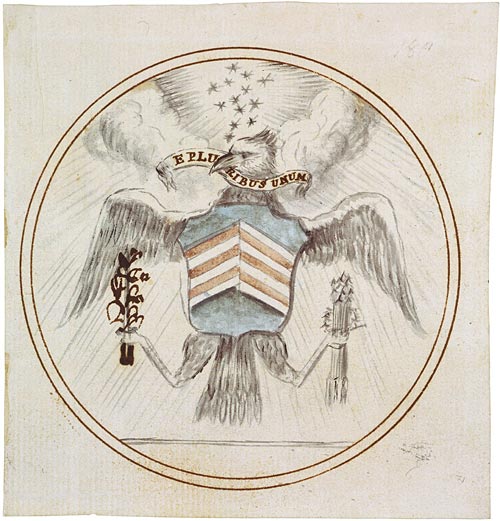
Original Design of the Great Seal of the United States
Charles Thomson · 1782
Charles Thomson's 1782 design for the Great Seal, the final version in a process that began with a committee including Benjamin Franklin in 1776.
Franklin served on the first 1776 committee to design the seal, proposing an earlier design that shaped later symbolism.
About this source
What it is
This is a pen and watercolor drawing of the Great Seal of the United States, created by Charles Thomson in 1782 and held by the U.S. National Archives. It shows an eagle holding a shield, a ribbon reading 'E Pluribus Unum,' stars, and an olive branch and arrows in its talons.
Why it matters
The design process began in 1776, just hours after the Declaration of Independence was adopted, when a committee of Benjamin Franklin, Thomas Jefferson, and John Adams was appointed to create a seal. Their complex design was rejected, but its motto 'E Pluribus Unum' survived into the final 1782 version by Charles Thomson. The seal became the symbol of U.S. sovereignty, used on official documents and buildings.
Look closer
- Why might a brand-new nation want a seal with symbols and a Latin motto?
- What elements from Franklin's committee survived into the final design, and what does that suggest about how ideas get passed along?
- What might the choice of an eagle and olive branch say about how the nation wanted to be seen?
This document is part of the curated material that grounds the AI version of Benjamin Franklin and John Adams on Humy.ai — when students ask about related events, the AI can quote it and cite it.
More Benjamin Franklin sources
Meet the AI Benjamin Franklin →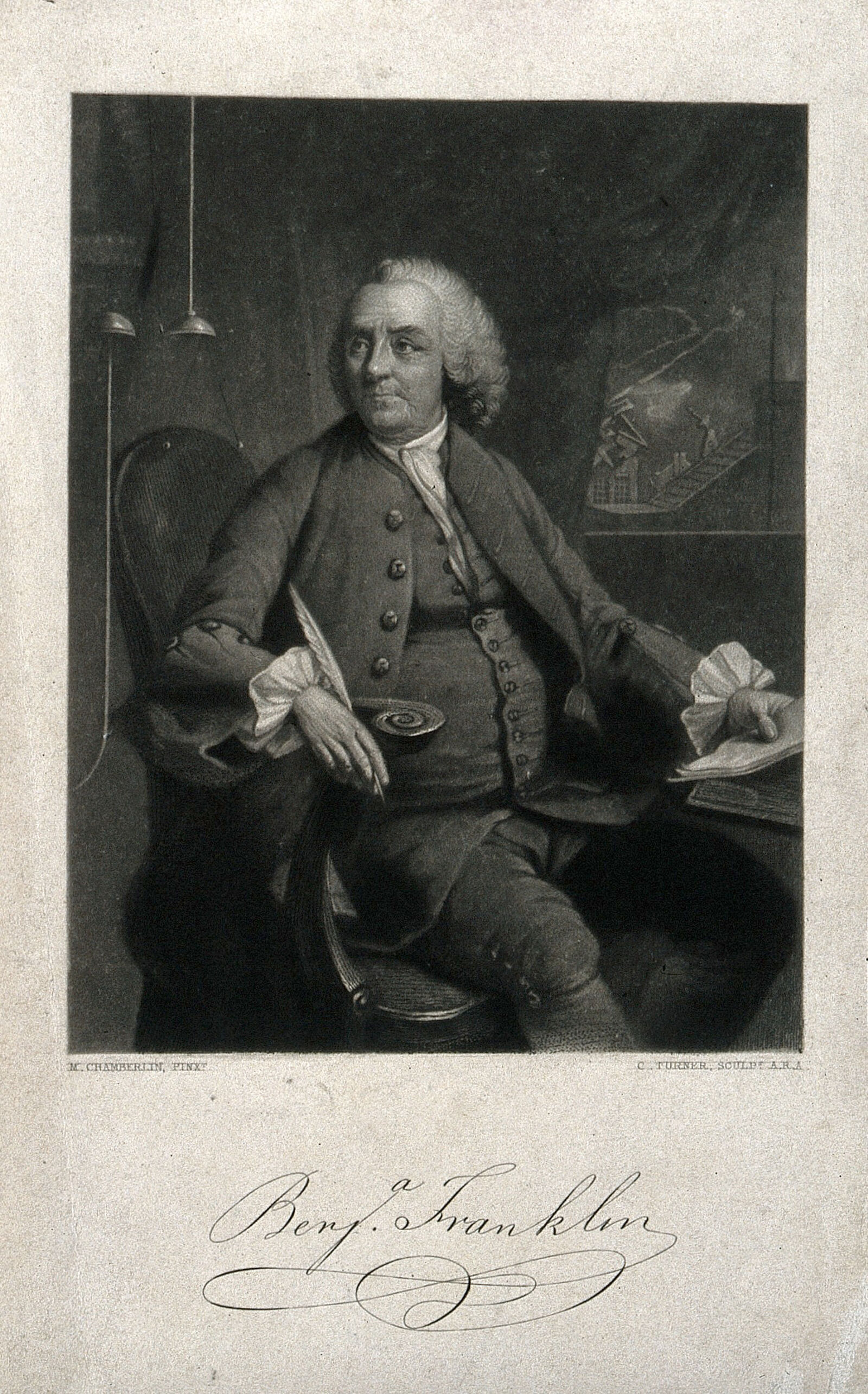 Painting
Primary source
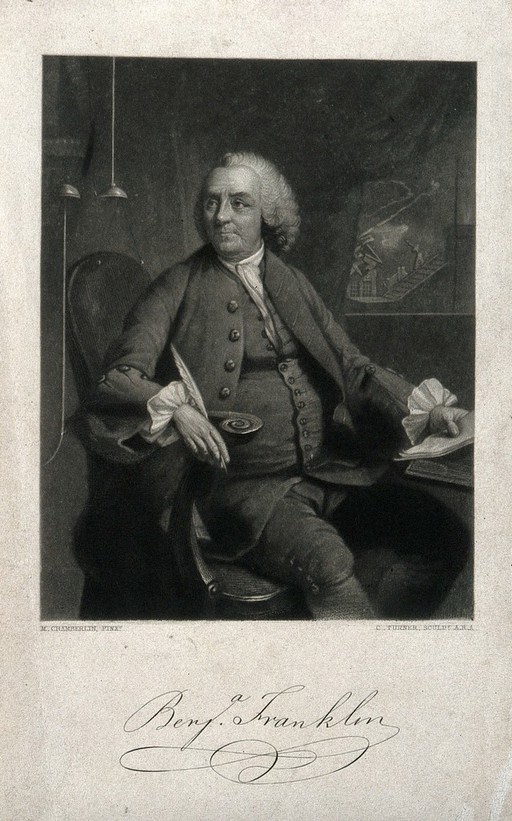
Benjamin Franklin, mezzotint by C. Turner after M. Chamberlin
Mason Chamberlin · 1762
 Document
Primary source
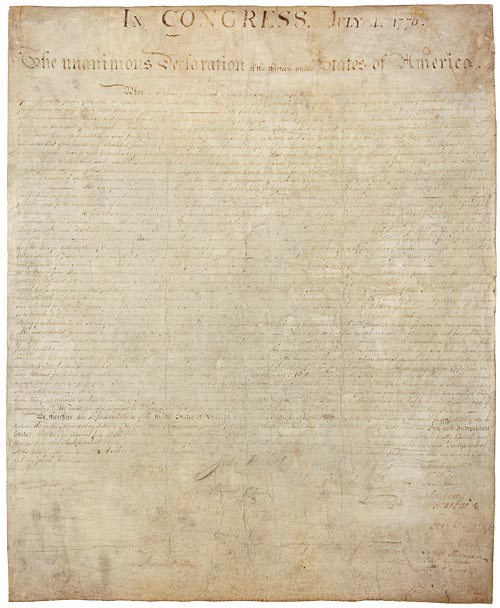
Declaration of Independence
Continental Congress (drafted by Thomas Jefferson) · 1776
 Artifact
Primary source
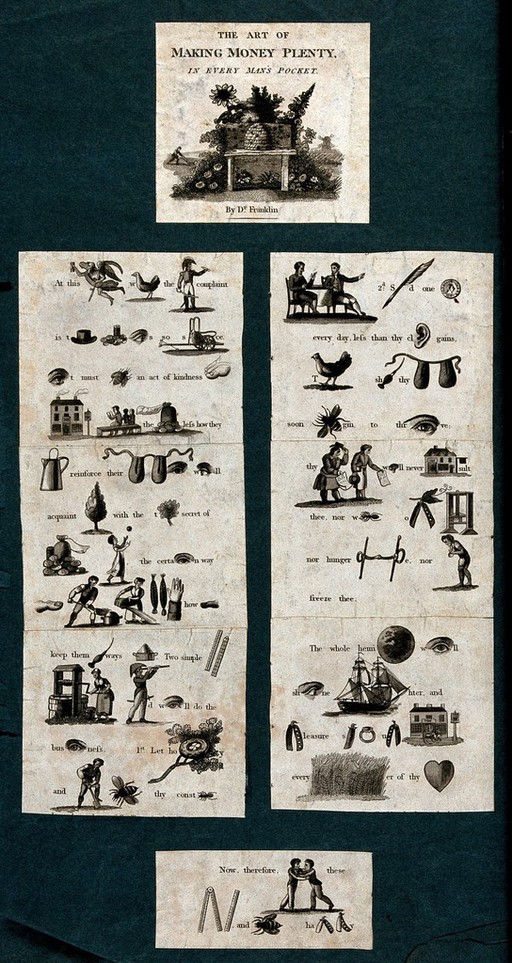
The Art of Making Money Plenty, In Every Man's Pocket
Benjamin Franklin
 Painting
Primary source
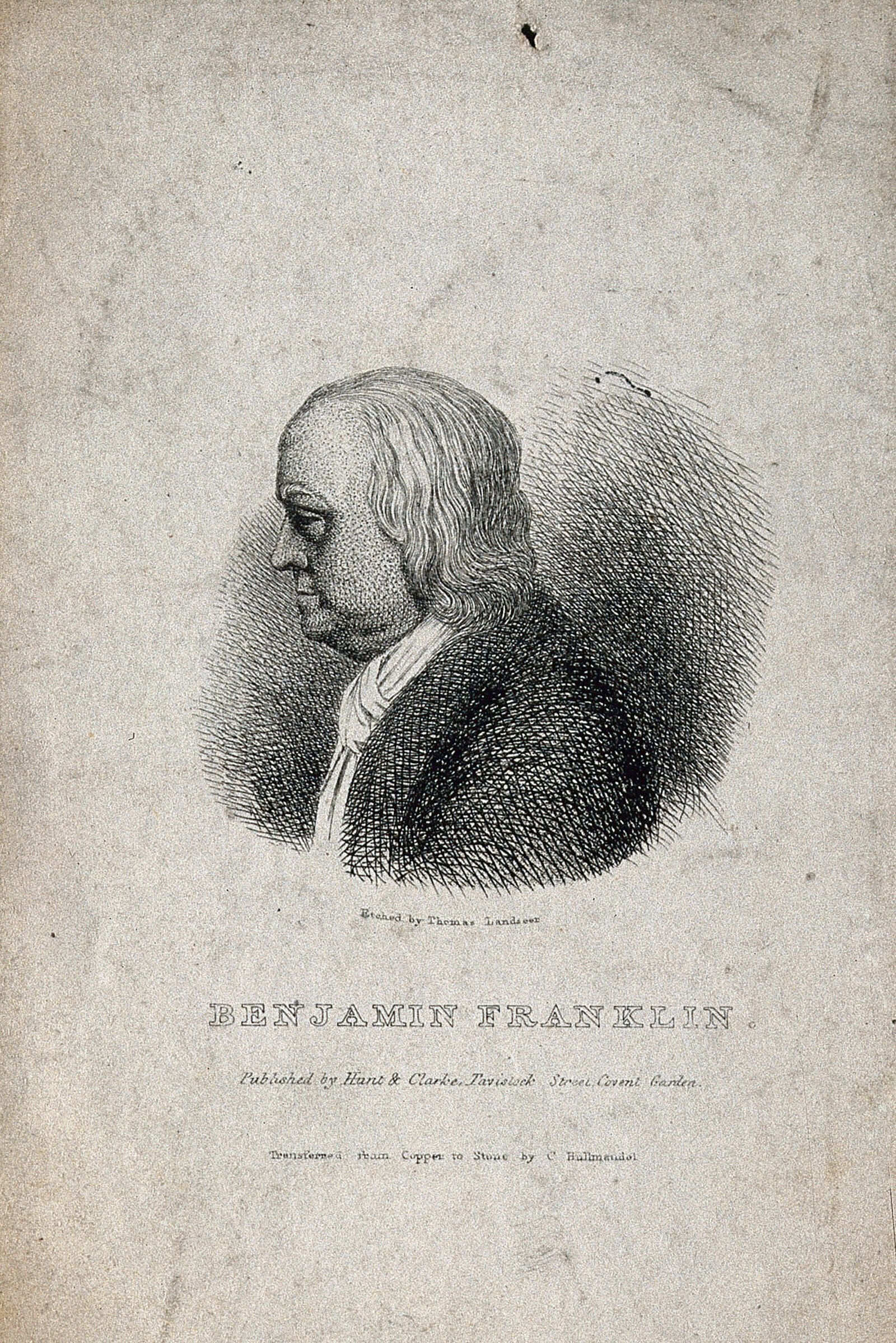
Benjamin Franklin, engraving after Mason Chamberlin
Mason Chamberlin · 1762
 Painting
Primary source
Benjamin Franklin, after J. J. Caffieri
Jean-Jacques Caffieri · 1777 (bust); print later
Ready when you are
Start chatting with Benjamin Franklin now.
20 messages free · No credit card · Available in 50+ languages.