


Primary sourceDocumentearly 8th century
Orkhon Inscriptions
Yollıg Tigin · early 8th century
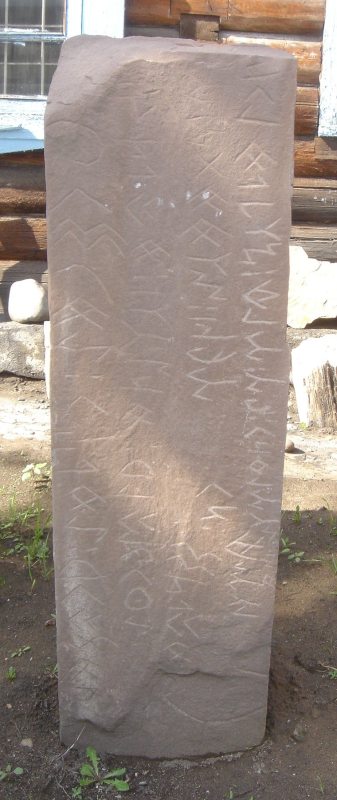
Bilingual Old Turkic and Chinese stone inscriptions that describe the Göktürks' subjugation by the Tang dynasty under Taizong.
These inscriptions give a Turkic viewpoint on the subjugation of the Eastern Turks under Taizong's rule.
About this source
What it is
The Orkhon inscriptions are two memorial stone steles carved in the early 8th century by the Göktürks in what is now Mongolia, honouring the princes Bilge Qaghan and Kul Tigin. They are written in both Old Turkic and Chinese and were composed by Yollıg Tigin, a son of Bilge Qaghan.
Why it matters
The texts describe the Göktürks' subjugation by the Tang dynasty and their later liberation, giving a rare non-Chinese perspective on events connected to Taizong's campaigns against the Eastern Turks. They are also the oldest surviving examples of a Turkic language, important for the history of writing in Central Asia as well as for Tang history.
Look closer
- Why might the Göktürks have chosen to record their history on large stone monuments?
- How might this account of being subjugated differ from a Chinese court record of the same events?
- What does it mean that the inscriptions survived underground for centuries before being deciphered?
This document is part of the curated material that grounds the AI version of Taizong of Tang on Humy.ai — when students ask about related events, the AI can quote it and cite it.
More Taizong of Tang sources
Browse all 90 →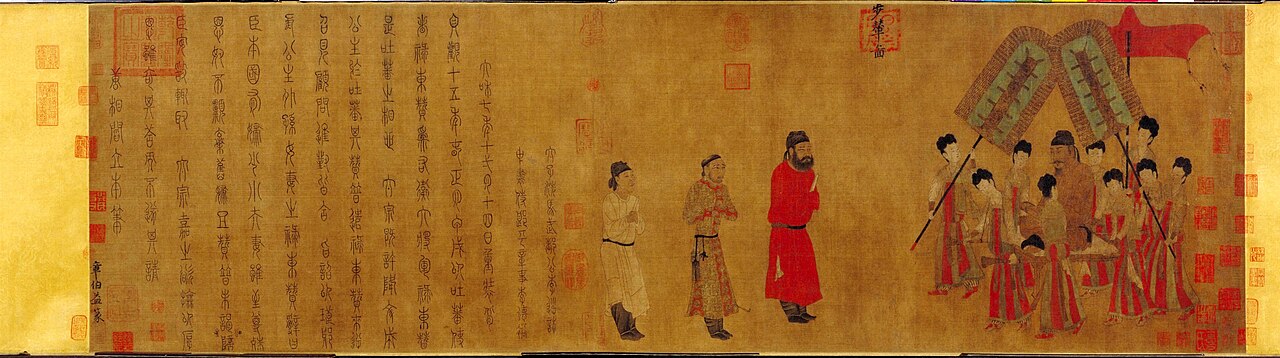 Painting
Secondary source
Bunian Tu
Yan Liben · c. 700 (possibly a later copy of an earlier original)
 Document
Primary source
Tang Code
624, revised 627 and 637
 Sculpture
Primary source
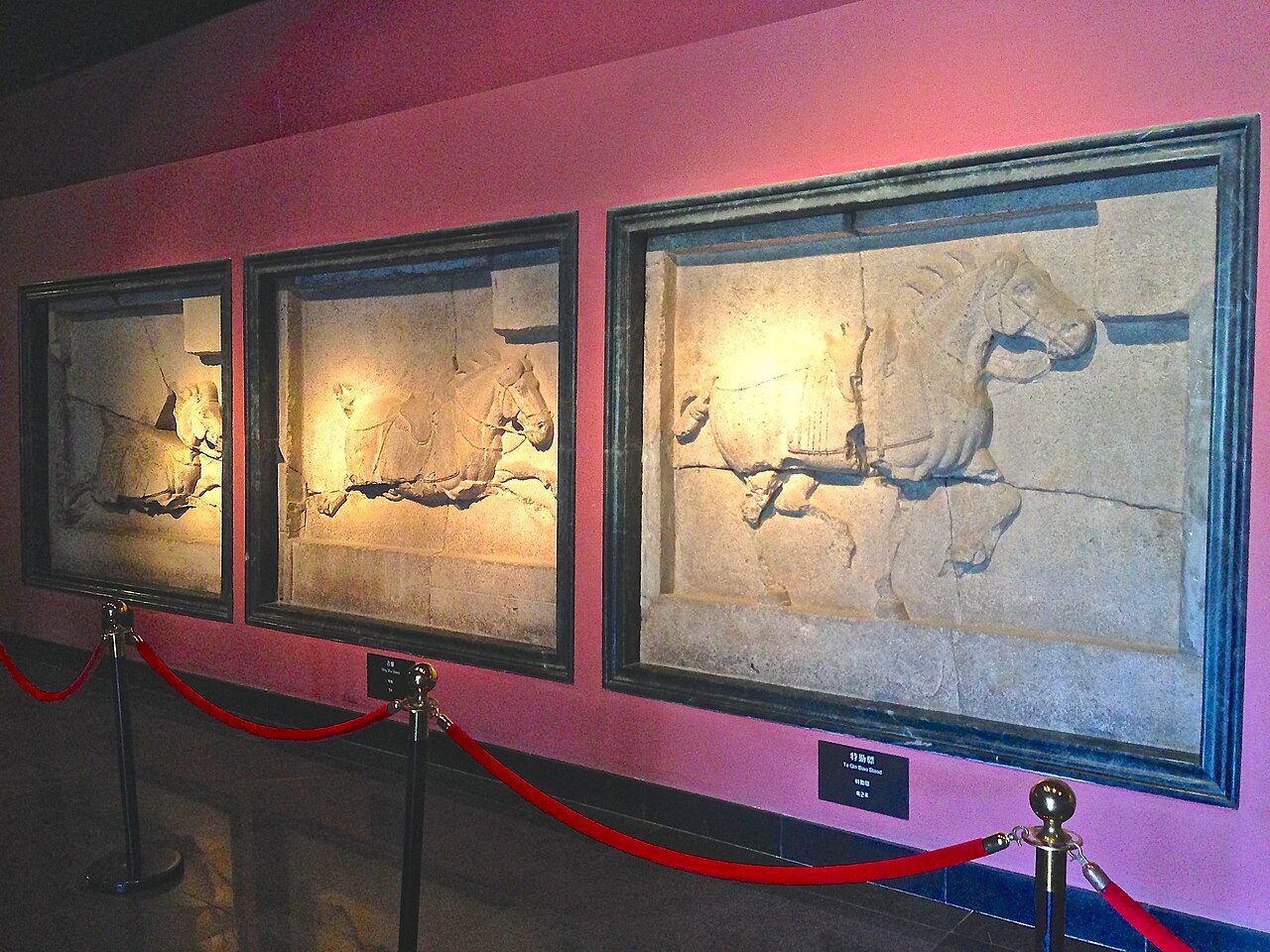
Six Steeds of Zhao Mausoleum
Yan Liben (attributed) · Tang dynasty (618-907)
Primary source
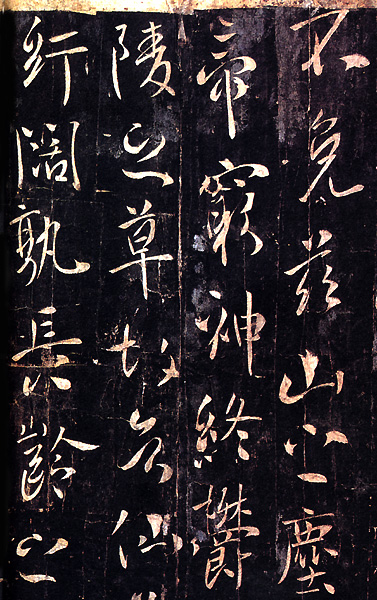
Difan
Emperor Taizong of Tang · 648
Free account
Read every Taizong of Tang source
Sign up free →
Ready when you are
Start chatting with Taizong of Tang now.
20 messages free · No credit card · Available in 50+ languages.