


Secondary sourceArtifactfirst half of the 11th century
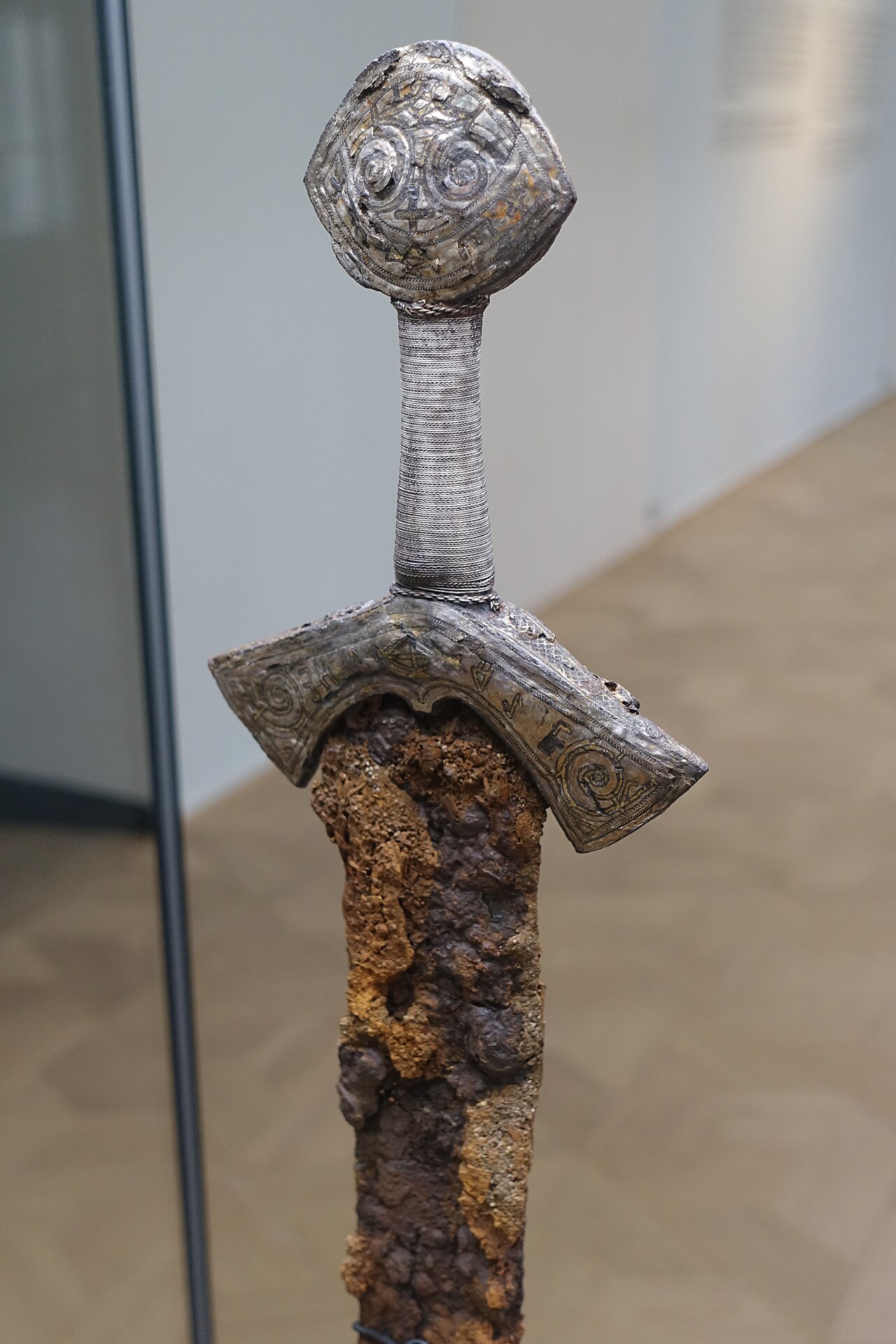
Ornate Viking Sword from Langeid
first half of the 11th century
An ornate Viking Age sword from an eleventh-century grave in Norway, showing the warrior culture of the period in which Olaf ruled.
This sword, from just after Olaf's time, shows the warrior culture and religious change of the era he ruled.
About this source
What it is
This photograph shows the ornate sword from Langeid (Praktsverdet fra Langeid), a 91 cm Viking sword found in a pagan grave at Langeid in the Setesdal valley, Norway. Its hilt is inlaid with gold, silver and copper, decorated with inscriptions and Christian crosses. The grave dates to the first half of the 11th century. It is held at the Museum of Cultural History, University of Oslo.
Why it matters
This sword comes from the period shortly after Olaf's reign and shows the mix of pagan burial customs and Christian symbols appearing in Norway as the country converted to Christianity, a process closely linked to kings like Olaf. It helps illustrate the warrior culture and changing beliefs of the Viking Age.
Look closer
- Why might a sword buried in a pagan grave be decorated with Christian crosses?
- What does the fine craftsmanship of this hilt suggest about its original owner's status?
- How does this object help you imagine the world Olaf lived and ruled in?
This artifact is part of the curated material that grounds the AI version of Olaf Tryggvason on Humy.ai — when students ask about related events, the AI can quote it and cite it.
More Olaf Tryggvason sources
Browse all 45 →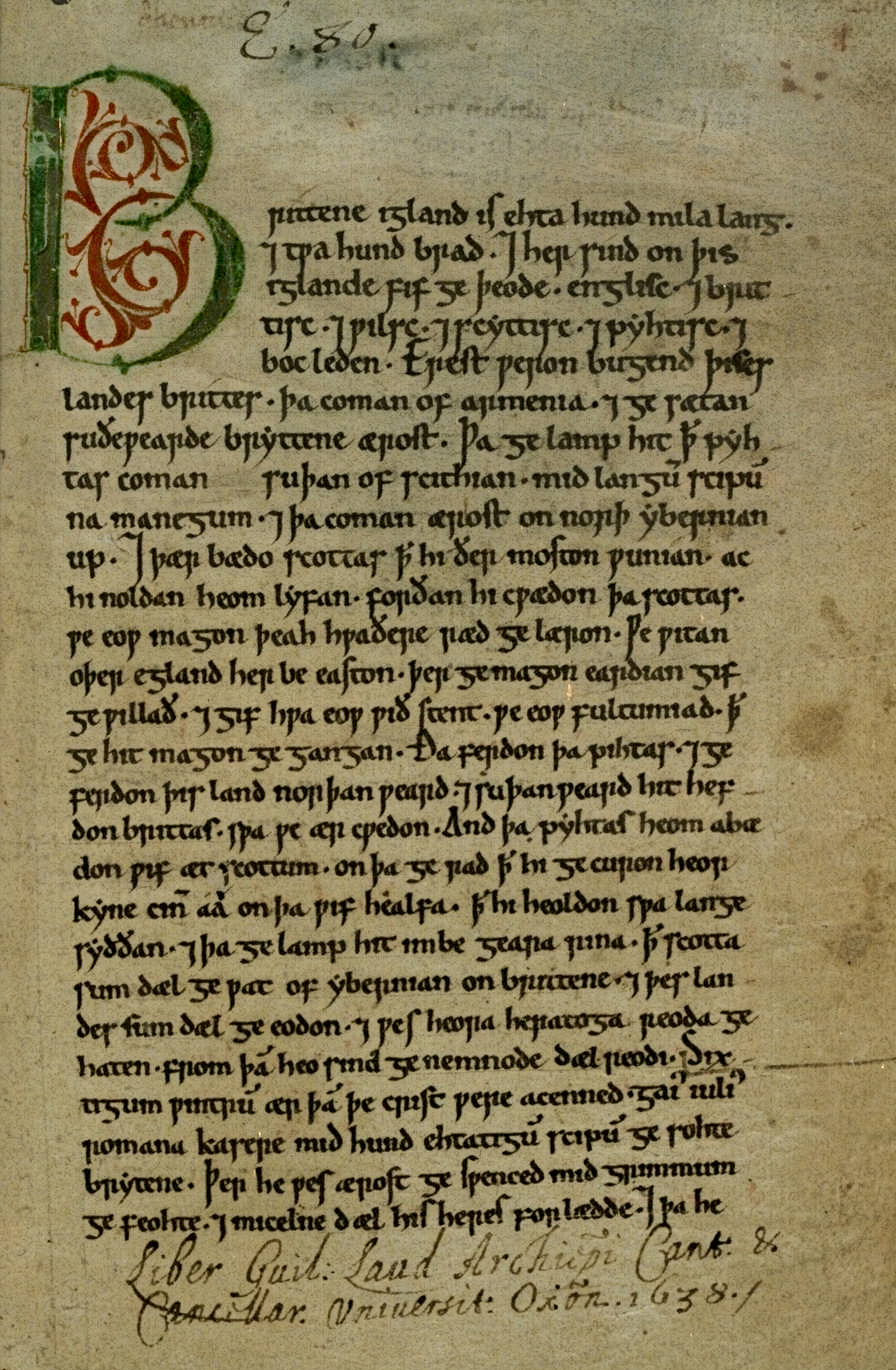 Document
Primary source
Anglo-Saxon Chronicle
c. 890 (Common Stock)
 Book
Secondary source
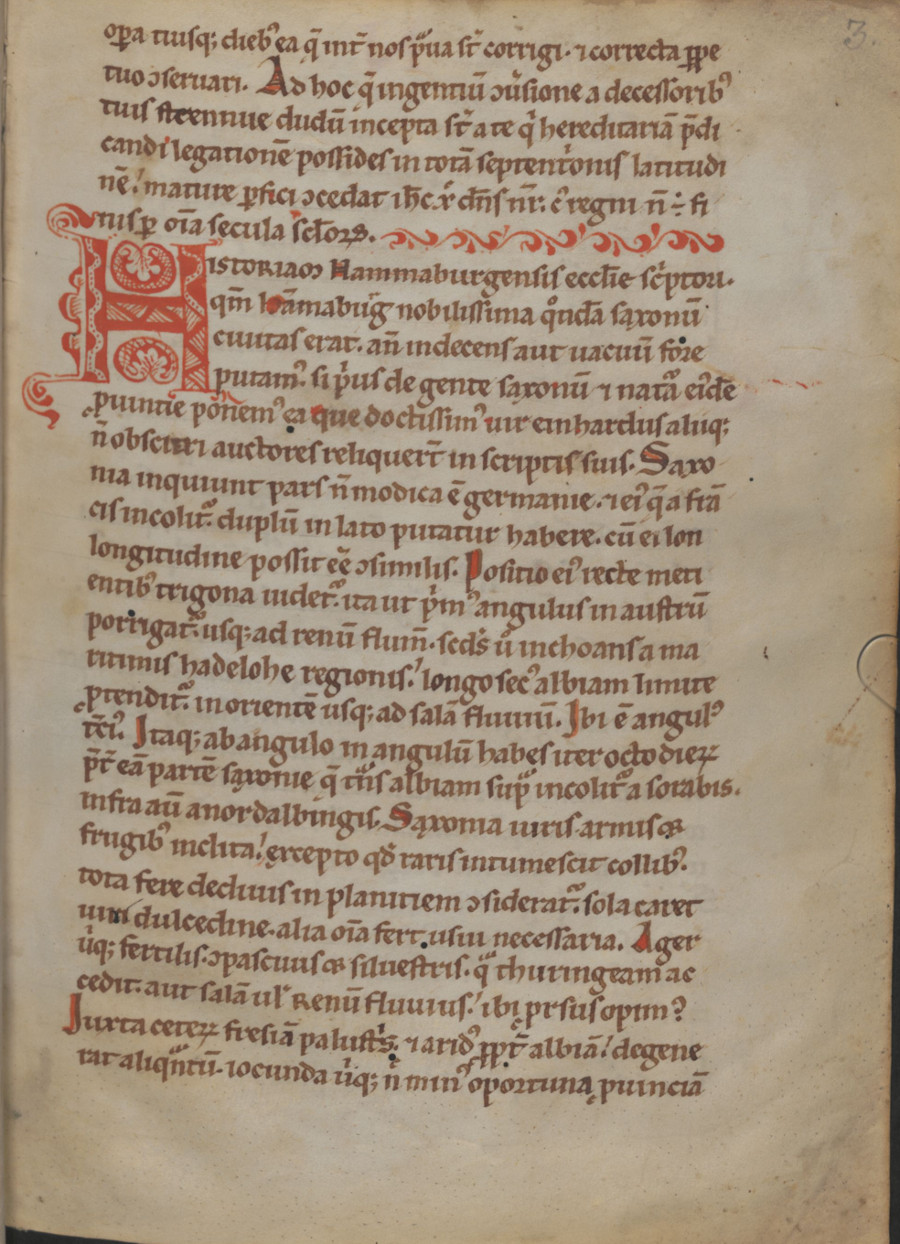
Gesta Hammaburgensis ecclesiae pontificum
Adam of Bremen · 1073-1076
 Book
Secondary source
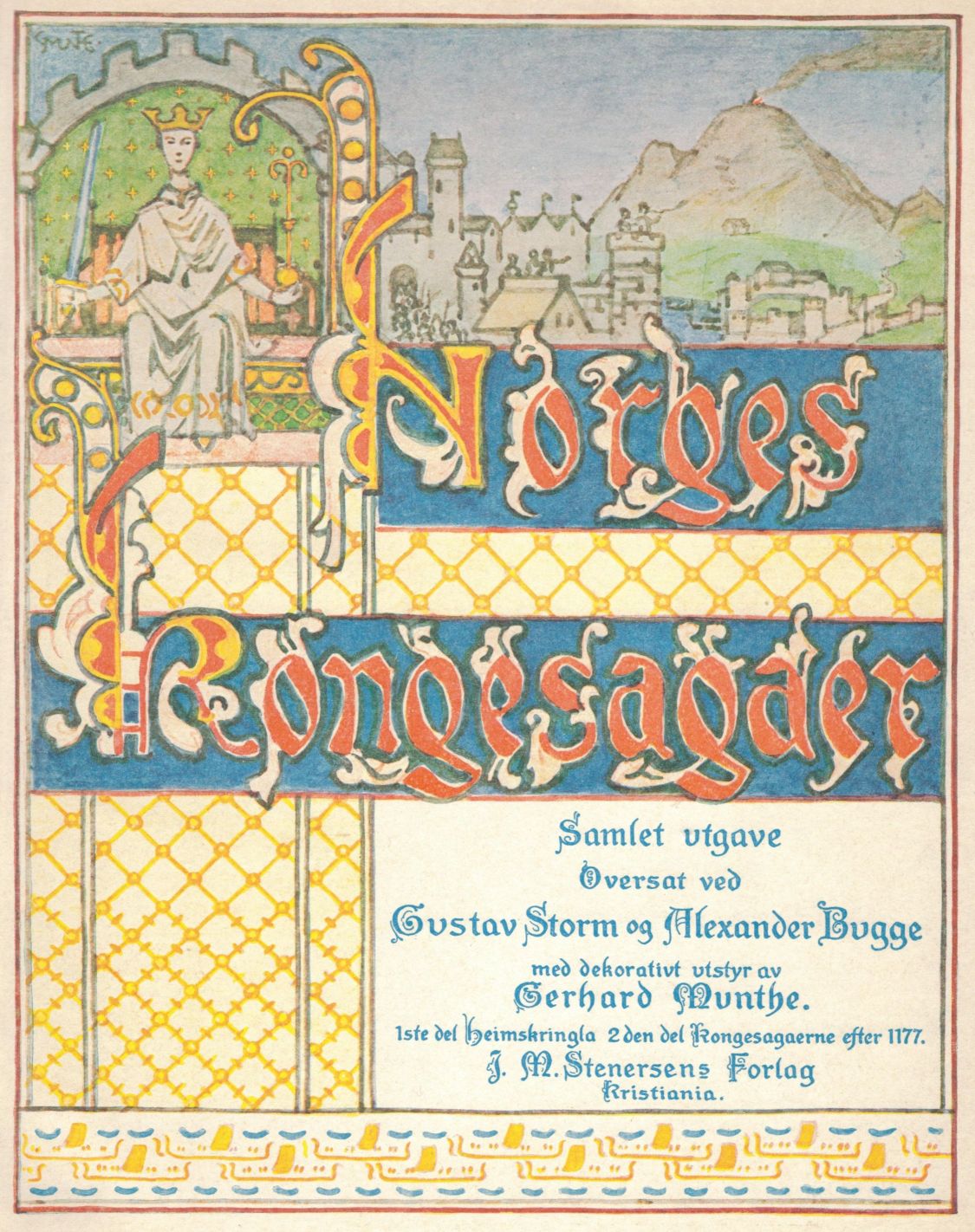
Heimskringla
Snorri Sturluson · c. 1230
 Artifact
Primary source
Kuli Stone
c. 1034
Free account
Read every Olaf Tryggvason source
Sign up free →
Ready when you are
Start chatting with Olaf Tryggvason now.
20 messages free · No credit card · Available in 50+ languages.