


Secondary sourceArtifact1856
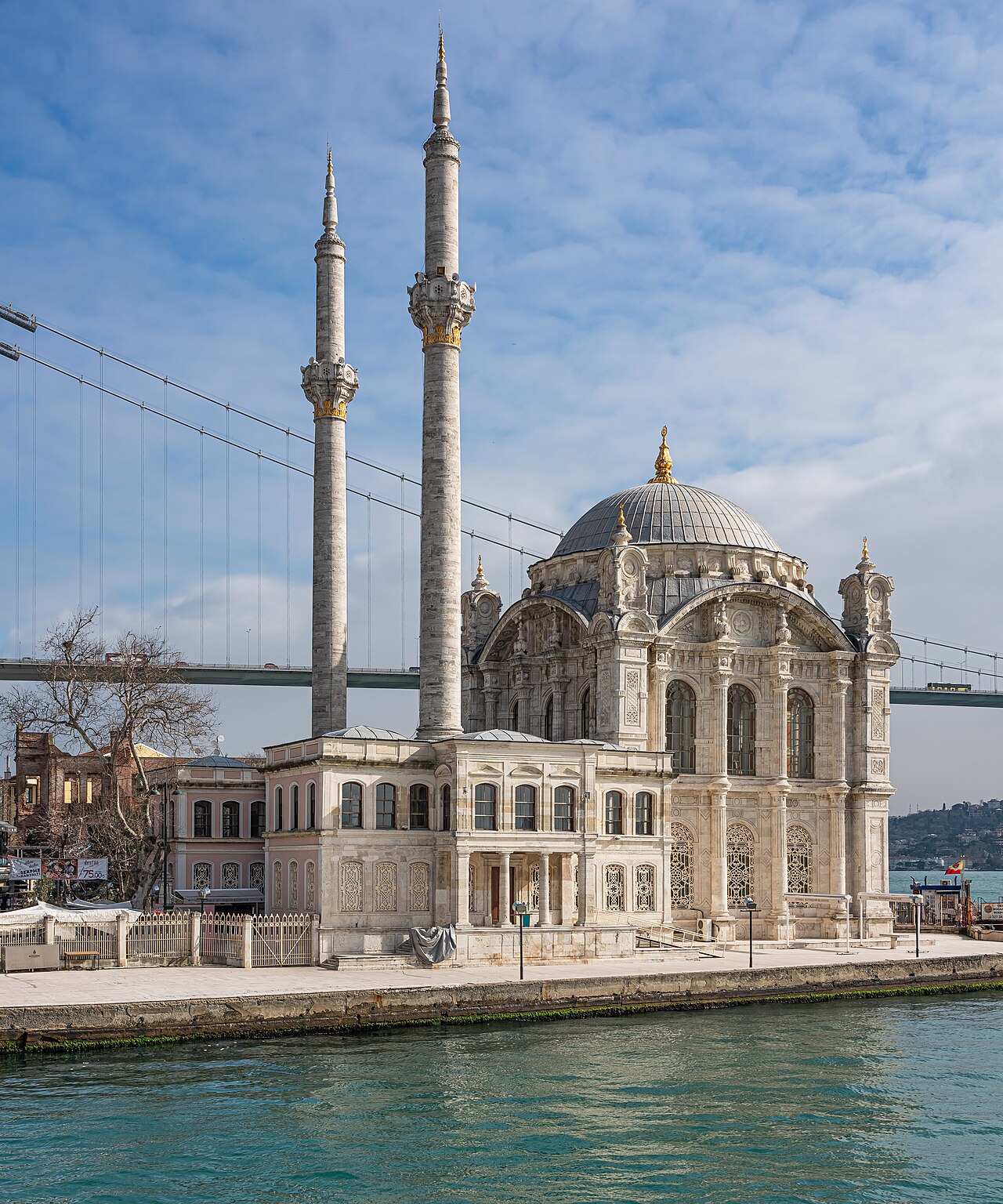
Ortaköy Mosque
Garabet Balyan and Nikoğos Balyan · 1856
A mosque on the Bosphorus in Istanbul commissioned by Sultan Abdülmecid I, built in a mixed European and Ottoman style and featuring his own calligraphy.
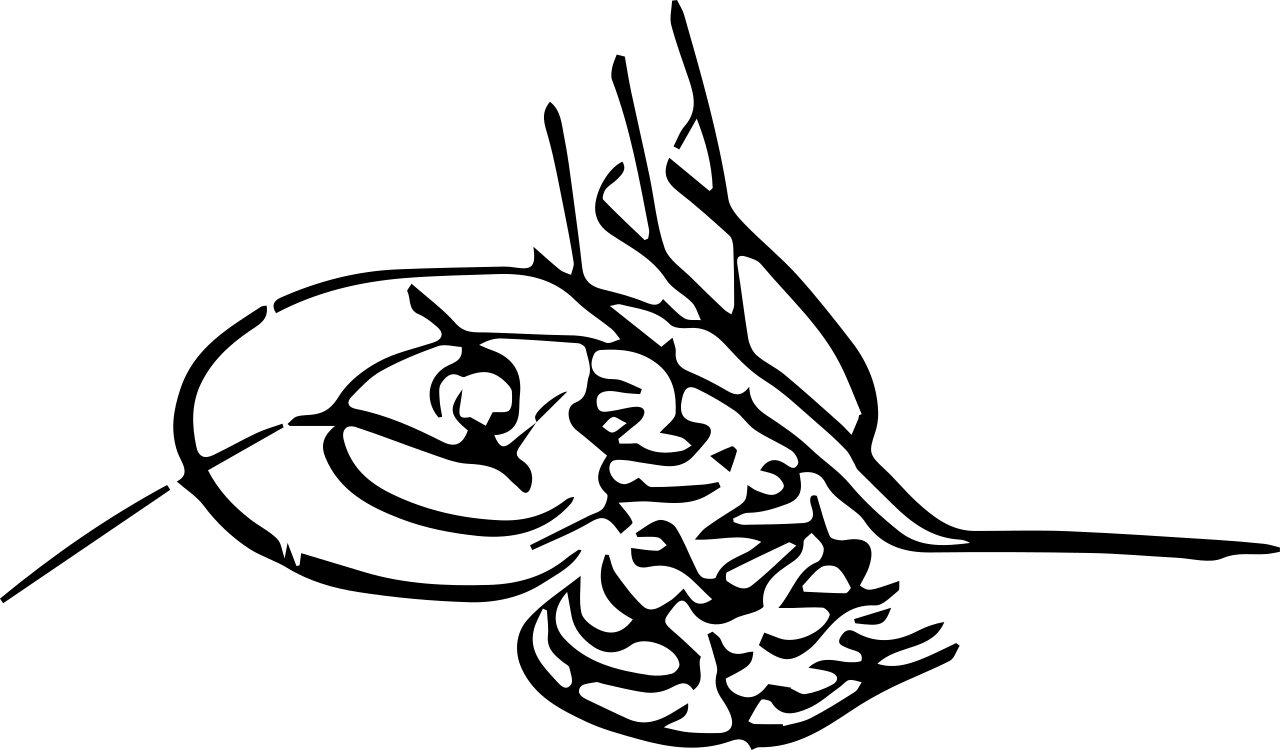
Abdülmecid I commissioned this mosque, which also contains calligraphy panels made by his own hand.
About this source
What it is
Ortaköy Mosque, formally the Büyük Mecidiye Camii, is a mosque on the Bosphorus shore in Istanbul, commissioned by Sultan Abdülmecid I and completed around 1854-1856. It was designed by the Armenian architects Garabet Balyan and his son Nikoğos Balyan, who also designed the nearby Dolmabahçe Palace and Mosque.
Why it matters
The mosque mixes European Revivalist styles, like Neoclassical elements, with earlier Ottoman Baroque features, reflecting the broader Tanzimat-era push to modernize the empire while keeping Ottoman identity. Its interior includes calligraphy panels made by Abdülmecid I himself, linking the building directly to his personal artistic skill.
Look closer
- What features of the building look European, and what features look traditionally Ottoman?
- Why might a sultan want his own calligraphy inside a mosque he commissioned?
- How might the mosque's location on the Bosphorus have mattered to its design and purpose?
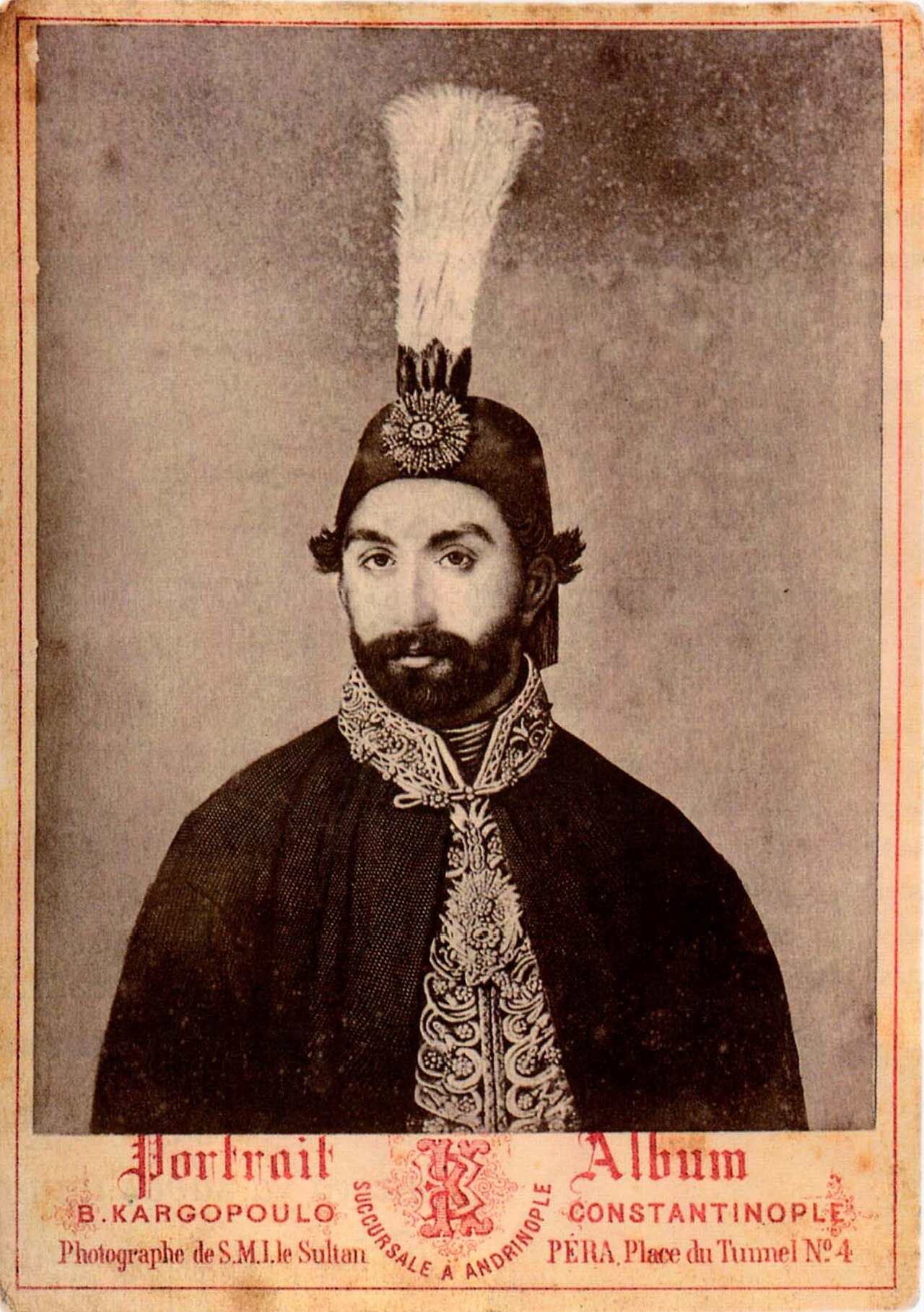
This artifact is part of the curated material that grounds the AI version of Abdülmecid I on Humy.ai — when students ask about related events, the AI can quote it and cite it.
More Abdülmecid I sources
Browse all 85 →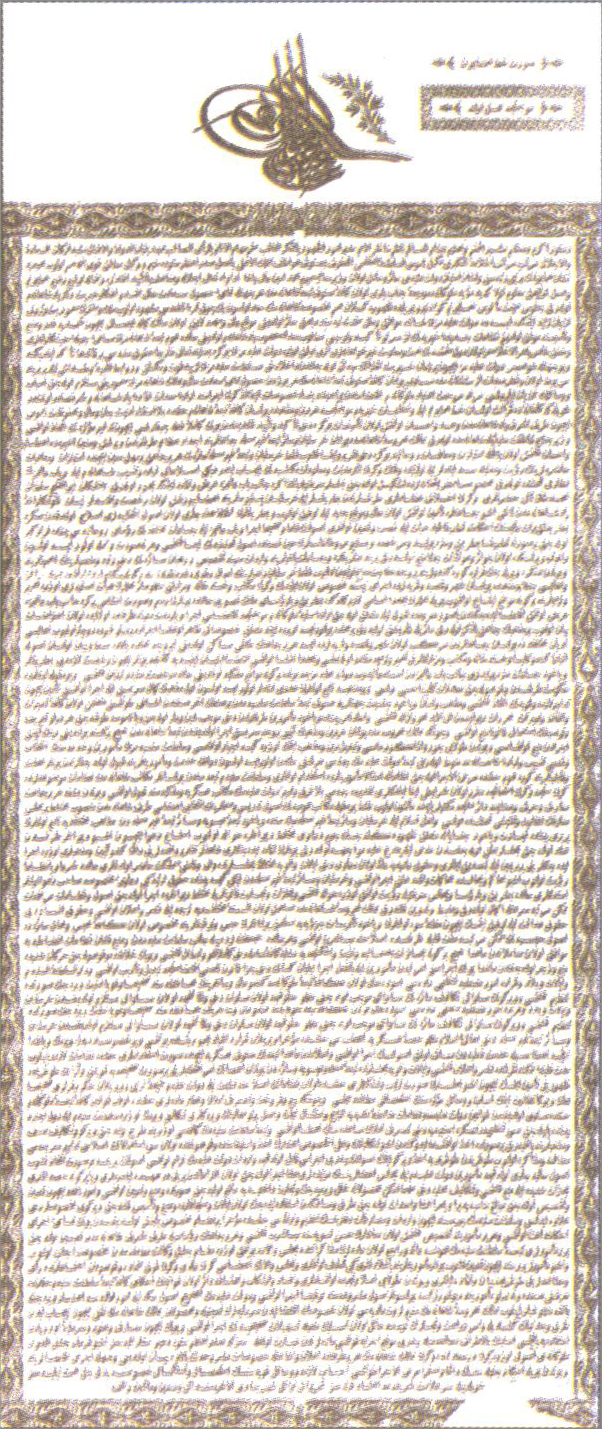 Document
Primary source
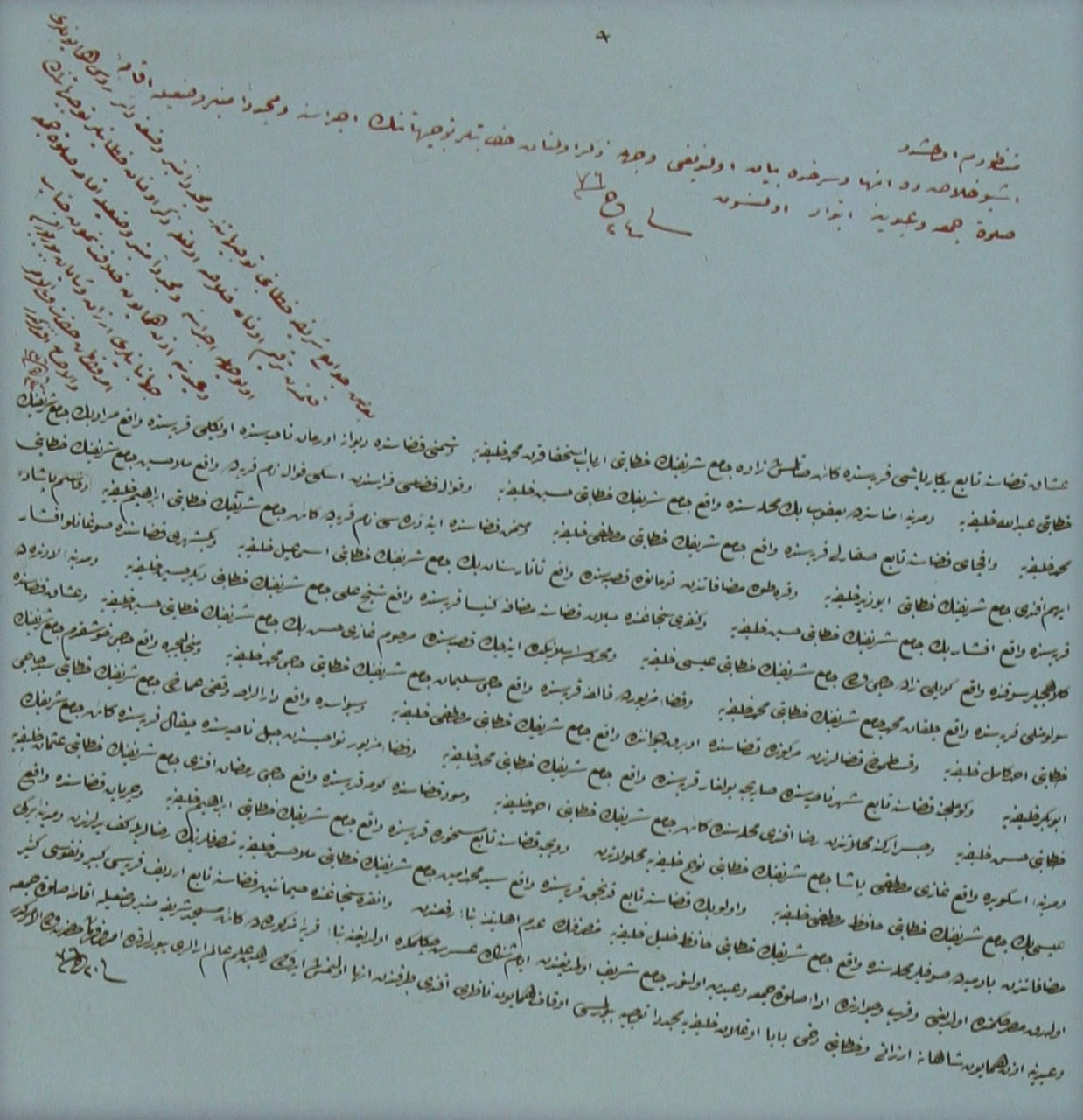
Edict of Gülhane
Abdülmecid I; drafted by Mustafa Reşid Pasha · 3 November 1839
Primary source
Treaty of Paris (1856)
30 March 1856
 Artifact
Secondary source
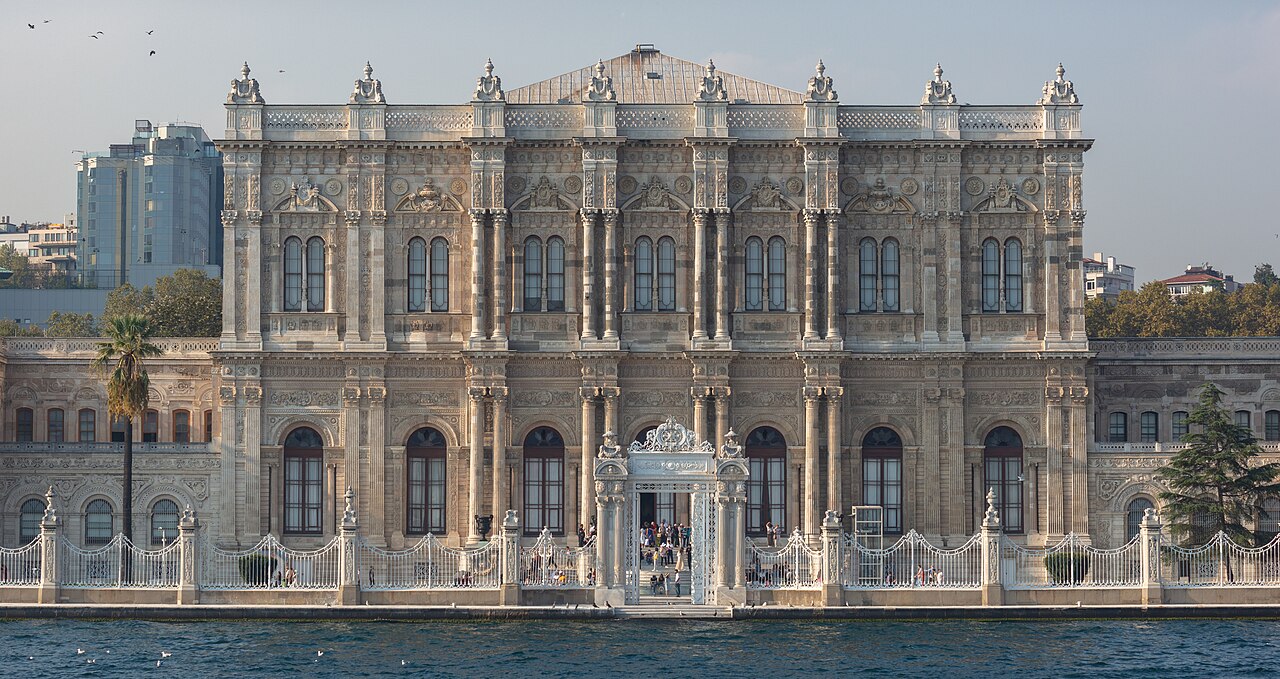
Dolmabahçe Palace
Garabet Balyan, Nigoğayos Balyan, Evanis Kalfa · 1823
 Painting
Primary source
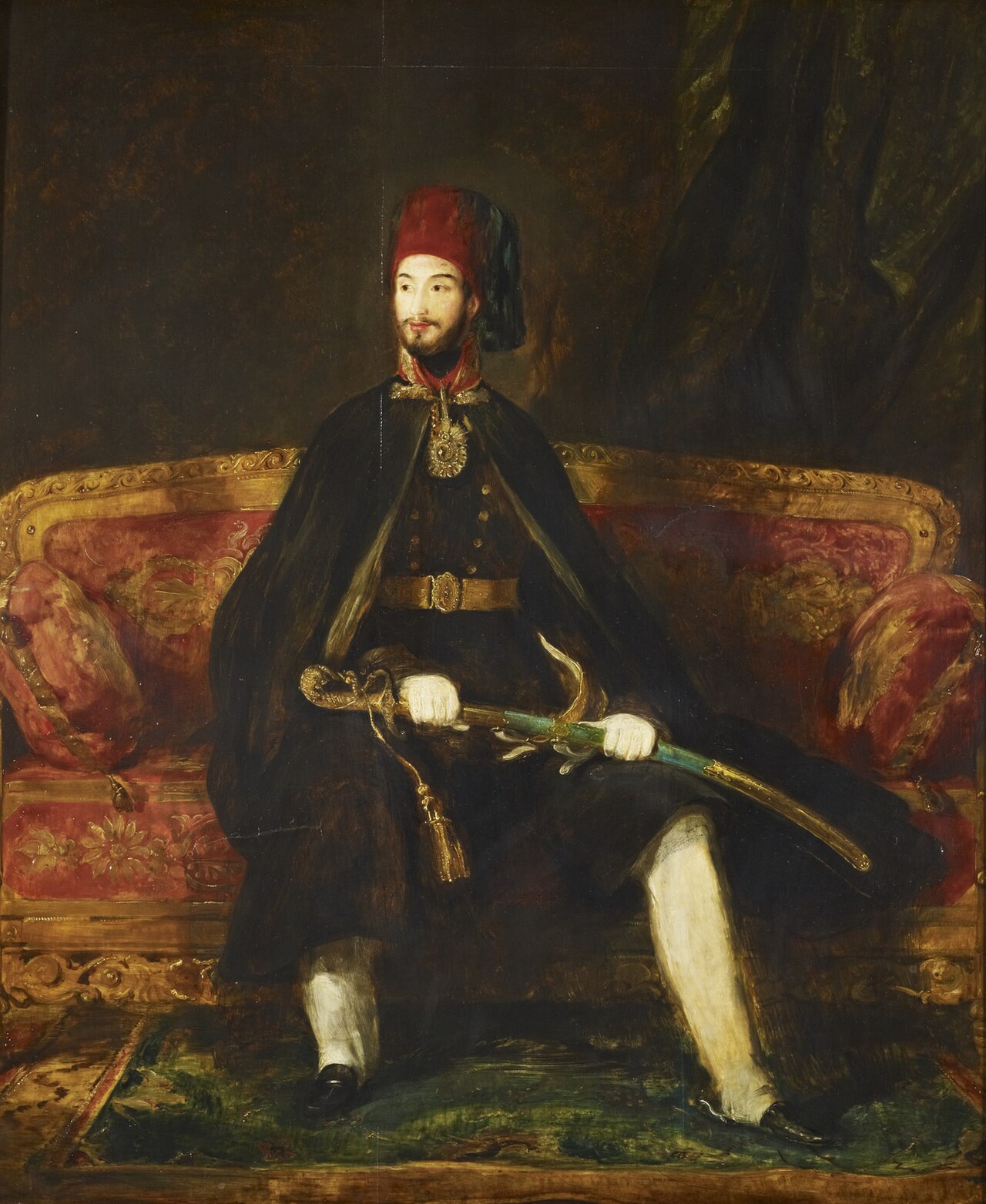
Portrait of Abdülmecid I
David Wilkie · 1840
Free account
Read every Abdülmecid I source
Sign up free →
Ready when you are
Start chatting with Abdülmecid I now.
20 messages free · No credit card · Available in 50+ languages.