


Primary sourceDocument30 March 1856
Treaty of Paris (1856)
30 March 1856
The treaty signed in Alexander II's first year as emperor that ended the Crimean War and humiliated Russia by neutralizing the Black Sea.
This treaty, concluded in Alexander II's first year as emperor, shaped his view that Russia needed major internal reform.
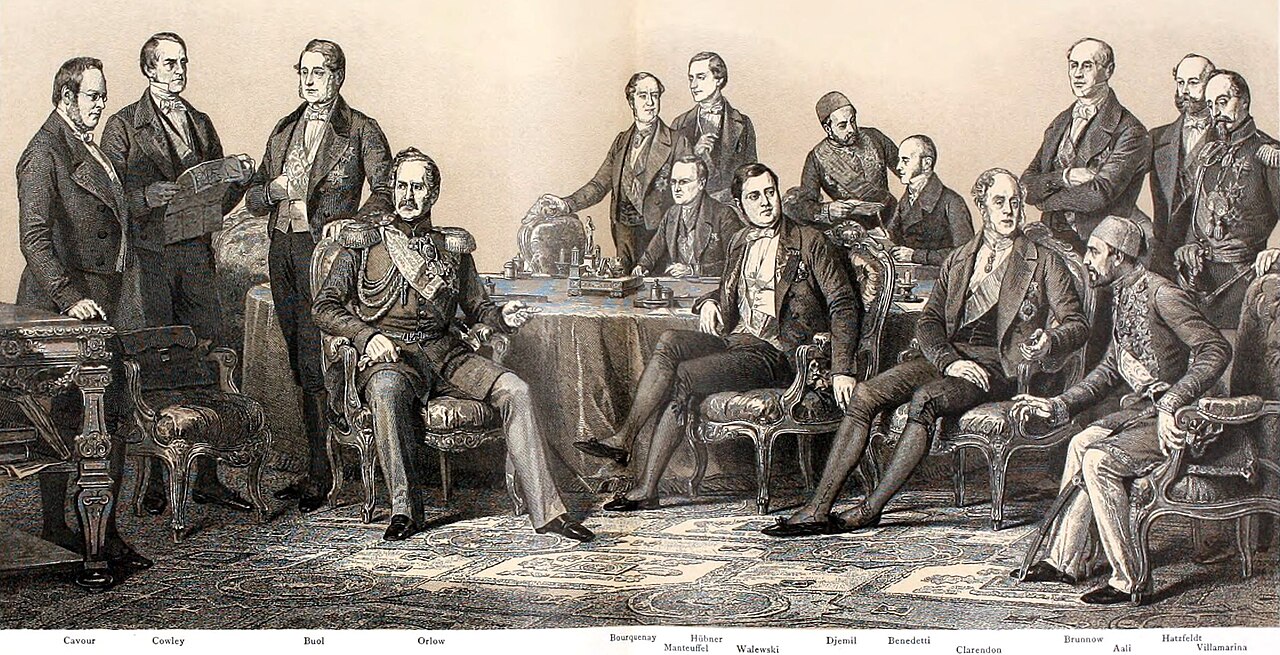
About this source
What it is
Signed on 30 March 1856 at the Congress of Paris, this treaty ended the Crimean War between Russia and an alliance of the Ottoman Empire, Britain, France, and Sardinia. It restricted Russia from keeping a navy or fortifications on the Black Sea and reduced Russian influence over the Ottoman Empire's Christian populations and the Danubian principalities.
Why it matters
Alexander II had just become emperor in 1855, inheriting a losing war. The harsh terms of this peace exposed Russia's military weakness and pushed Alexander toward internal reform, including the eventual emancipation of the serfs. The treaty also reshaped the balance of power in Europe, showing how Britain and France sought to limit Russian expansion.
Look closer
- Why might diplomats from rival nations still disagree even after agreeing to end a war?
- What does this treaty suggest about how defeat in war can push a ruler toward domestic change?
- Looking at the engraving of the Congress, what does the formal setting suggest about who held power in these negotiations?
This document is part of the curated material that grounds the AI version of Alexander II of Russia on Humy.ai — when students ask about related events, the AI can quote it and cite it.
More Alexander II of Russia sources
Meet the AI Alexander II of Russia →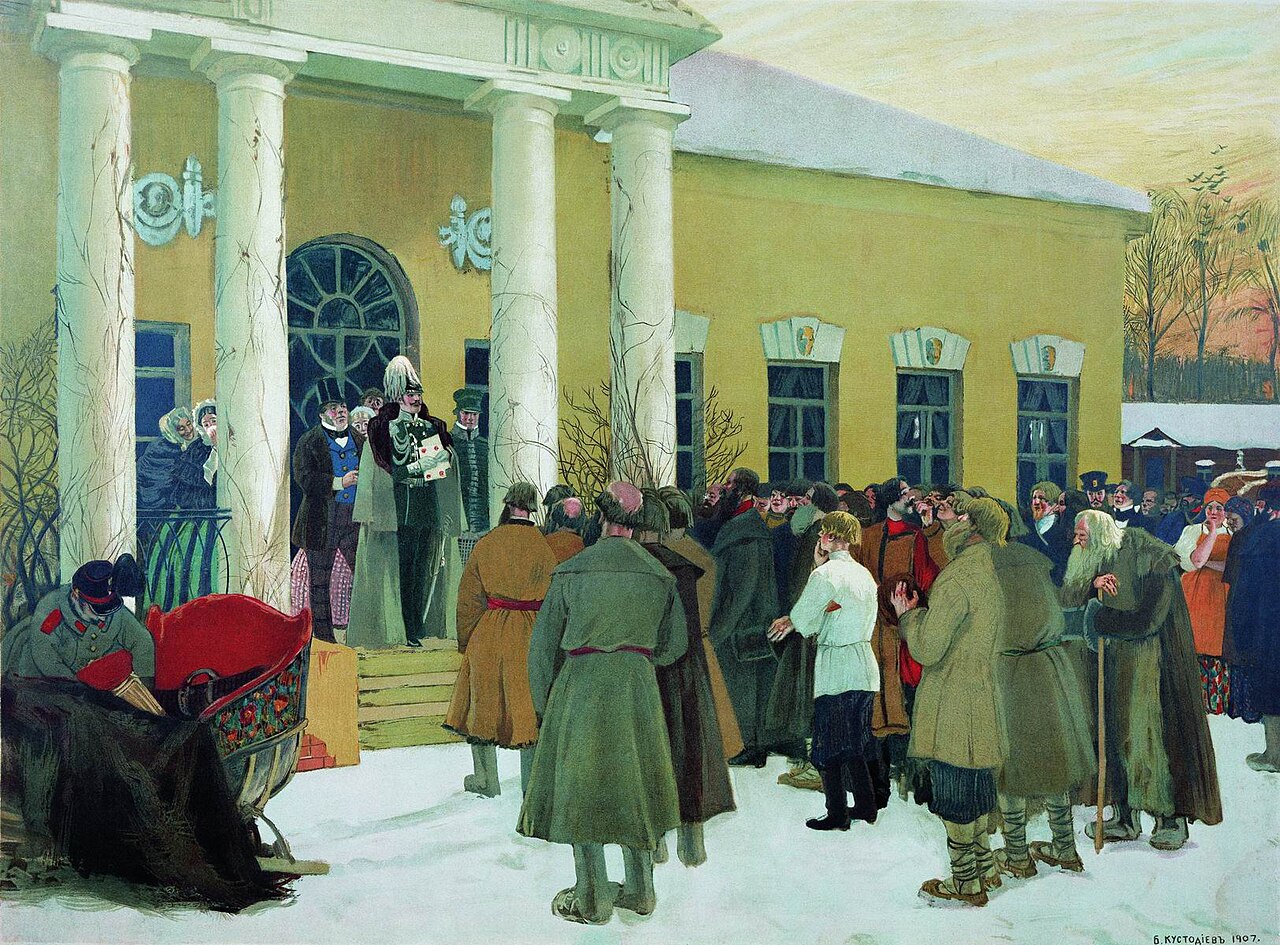 Document
Primary source
Emancipation Reform of 1861
Alexander II of Russia · 1861
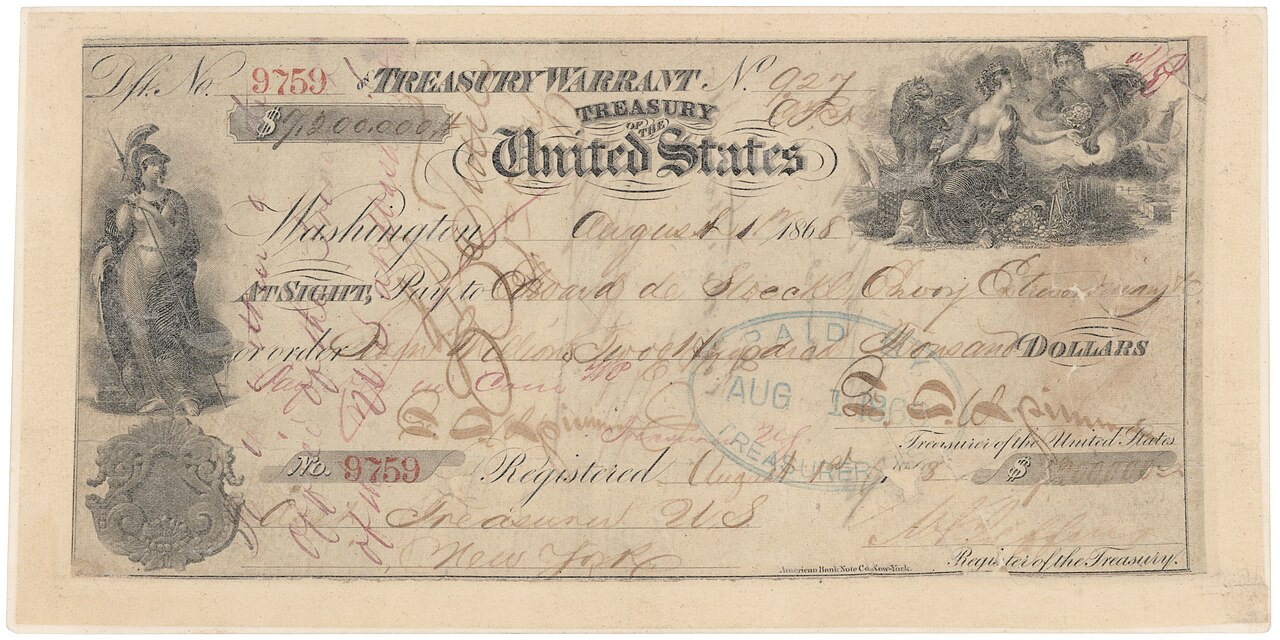 Document
Primary source
Alaska Purchase Treaty
30 March 1867
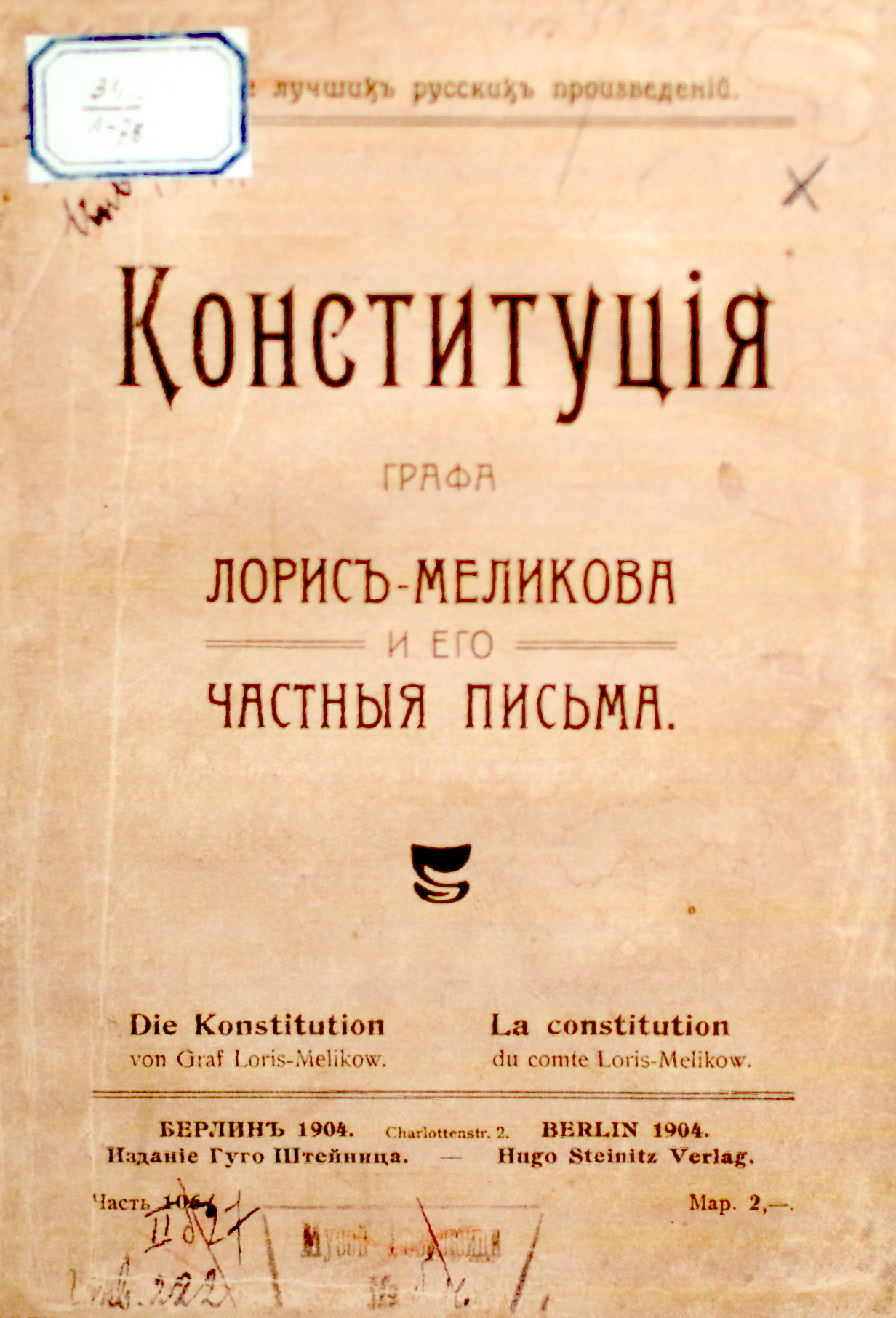 Document
Secondary source
Loris-Melikov Constitution
Mikhail Loris-Melikov · 13 March 1881
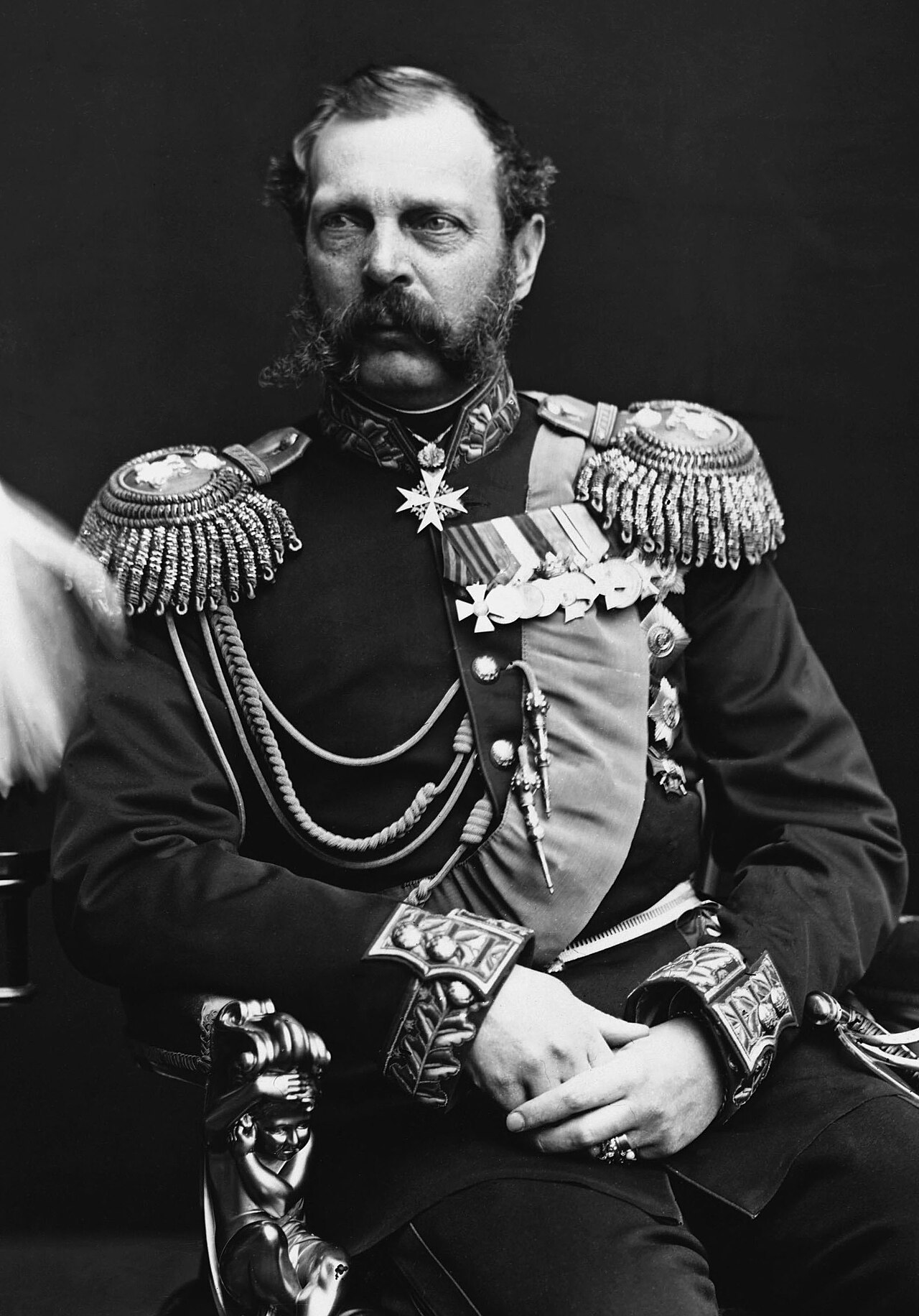 Photograph
Primary source
Portrait of Alexander II of Russia
Primary source
Treaty of Aigun
28 May 1858
Ready when you are
Start chatting with Alexander II of Russia now.
20 messages free · No credit card · Available in 50+ languages.