


Primary sourceArtifact482 BC
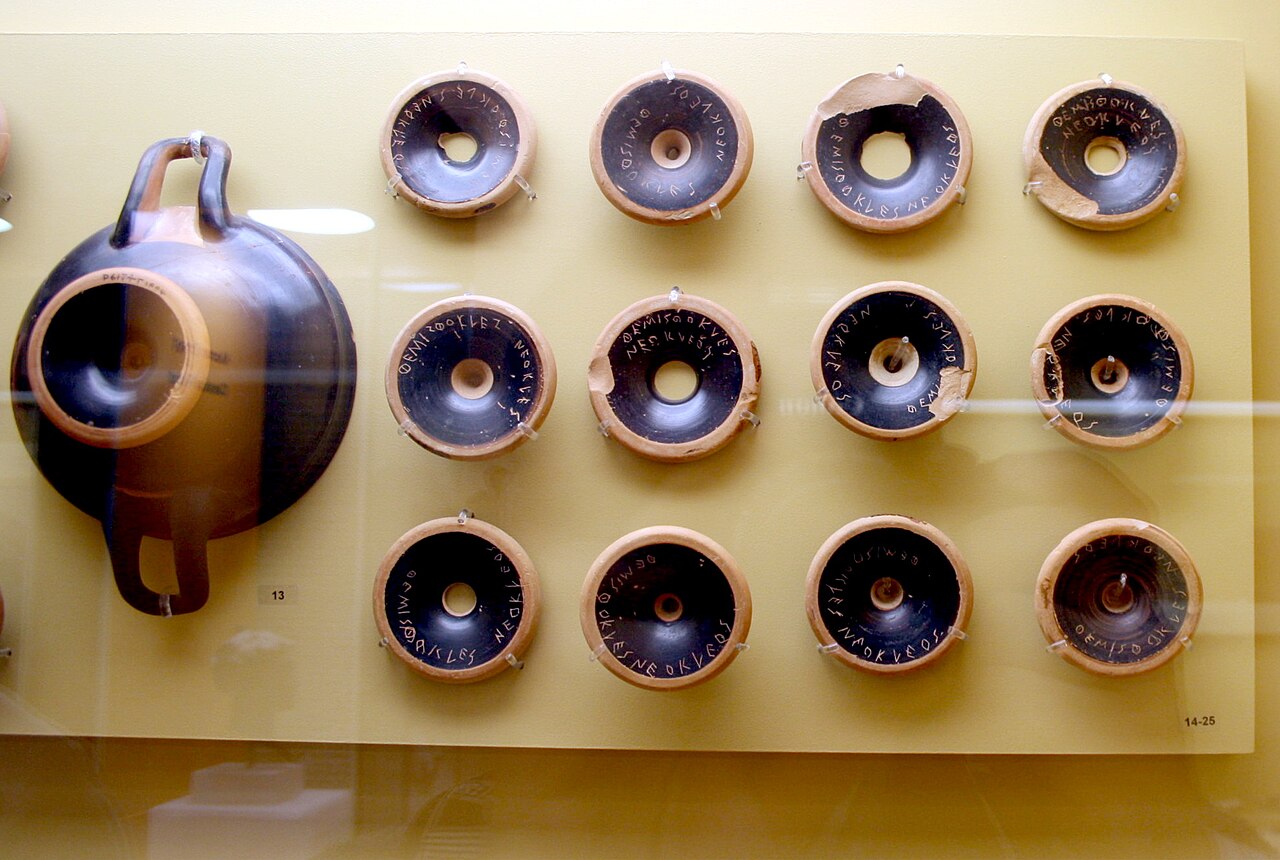
Ostrakon from 482 BC inscribed against Themistocles
482 BC
An ancient pottery shard inscribed with Themistocles' name, used to vote for his exile in 482 BC, now displayed in the Stoa of Attalus Museum.
These voting shards were used by Athenian citizens to exile Themistocles, direct physical evidence of the politics that ended his career at home.
About this source
What it is
This is a photograph of ostraka, broken pieces of pottery, recovered from a well near the Acropolis in Athens. They date to 482 BC and were used in the Athenian practice of ostracism, where citizens scratched a name onto pottery to vote for someone's ten-year exile. One set on display is inscribed against Themistocles.
Why it matters
These are real objects handled by ordinary Athenian citizens who voted to remove Themistocles from the city. He was later exiled, partly through the efforts of rival Sparta, and ended up serving the Persian king Artaxerxes I as governor of Magnesia. The ostraka show direct, physical evidence of ancient democratic politics turning against a famous leader.
Look closer
- What does it tell us that ordinary citizens, not officials, scratched these names themselves?
- Why might political rivals, including foreign powers like Sparta, want a leader exiled?
- What does it mean that someone exiled by his own city later served its enemy?
This artifact is part of the curated material that grounds the AI version of Themistocles on Humy.ai — when students ask about related events, the AI can quote it and cite it.
More Themistocles sources
Browse all 92 →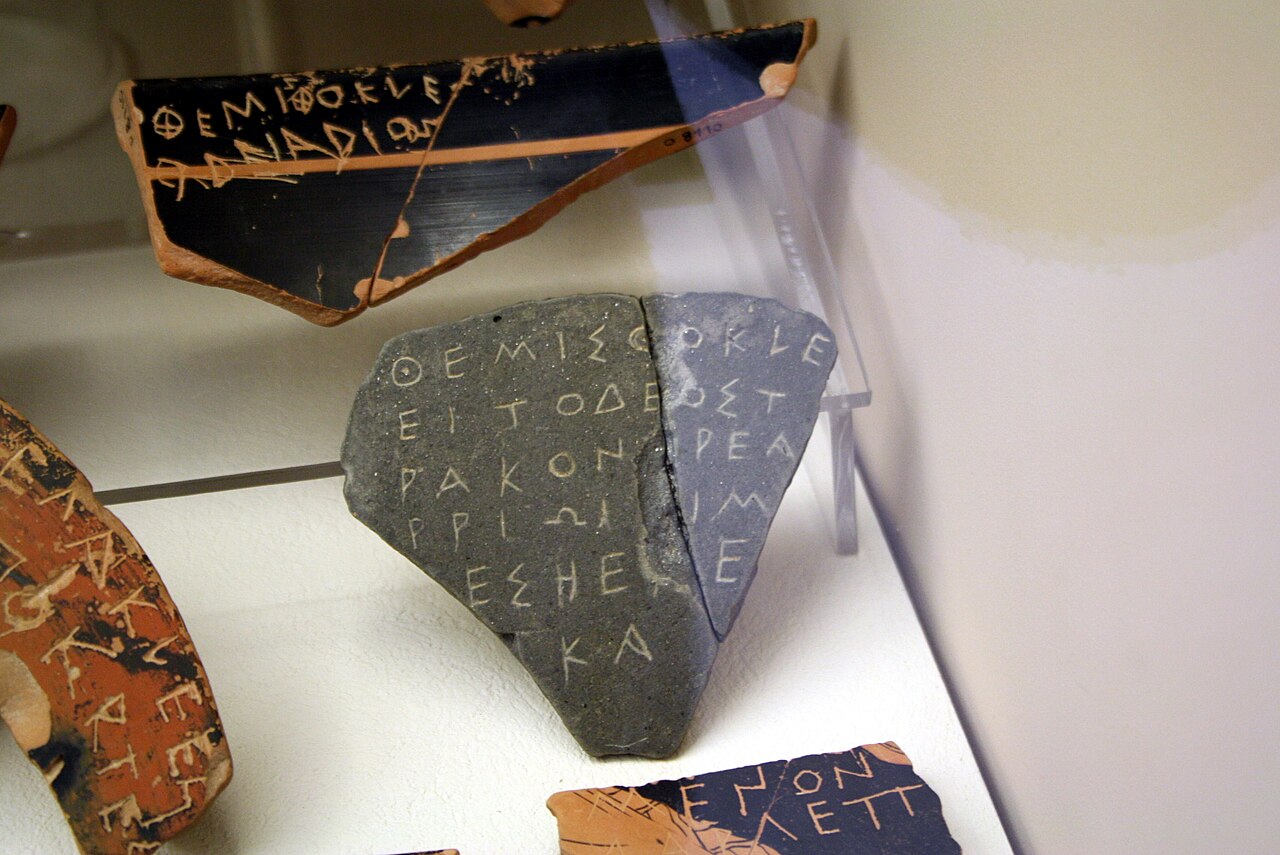 Artifact
Primary source
Ostraka inscribed with the name of Themistocles
Athenian citizens · c. 487-471 BC
 Book
Secondary source
Histories
Herodotus · c. 440 BCE
 Book
Secondary source
The Persians
Aeschylus · 472 BC
 Book
Primary source
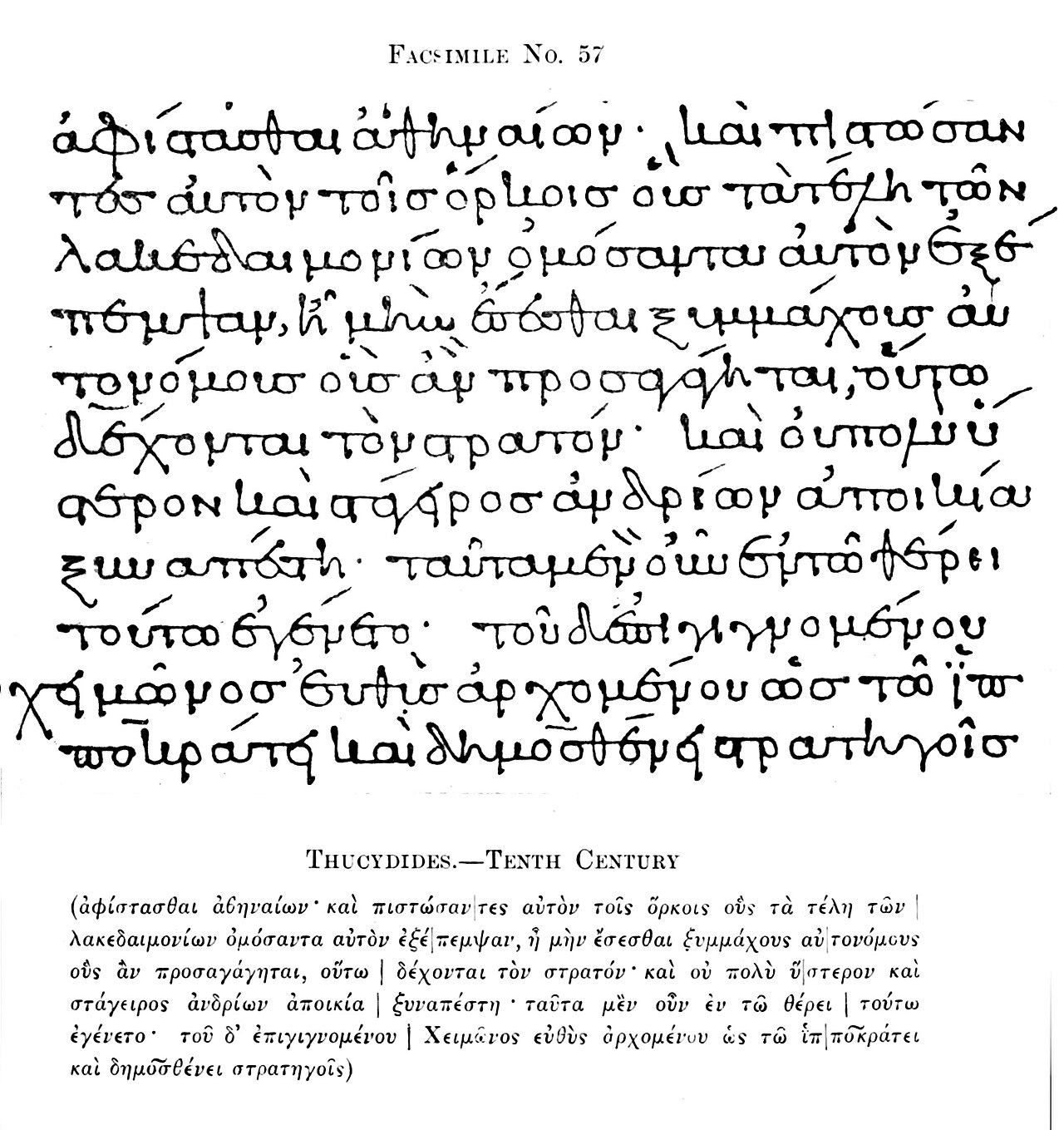
History of the Peloponnesian War
Thucydides · 5th century BCE
Free account
Read every Themistocles source
Sign up free →
Ready when you are
Start chatting with Themistocles now.
20 messages free · No credit card · Available in 50+ languages.