


Primary sourceDocument27 January 1967
Outer Space Treaty
United Nations Committee on the Peaceful Uses of Outer Space · 27 January 1967
The 1967 international treaty setting the basic legal rules for space, agreed in the years following Gagarin's pioneering 1961 flight.
Signed while Gagarin was still a living public figure, showing how the space race he opened led to international law.
Free Humy account · No credit card · 120,912 sources to read
About this source
What it is
This treaty, formally the Treaty on Principles Governing the Activities of States in the Exploration and Use of Outer Space, was negotiated under the United Nations and opened for signature by the United States, United Kingdom, and Soviet Union on 27 January 1967, entering into force later that year. It remains the foundational document of international space law.
Why it matters
The treaty bans weapons of mass destruction in space, forbids countries from claiming ownership of celestial bodies, and declares space should be used for the benefit of all humanity. It grew out of the Cold War rivalry between the United States and Soviet Union that had been dramatically advanced by Gagarin's 1961 flight, showing how his achievement helped push nations toward cooperation as well as competition.
Why it matters (why it belongs to Gagarin)
Gagarin himself was not a signer, but the treaty is a direct consequence of the space race his flight intensified.
Look closer
- Why might nations want to agree on rules before weapons or territory claims appeared in space?
- What does the phrase 'province of all mankind' suggest about the hopes behind this treaty?
- Whose interests might be left out of a treaty negotiated mainly by a few major powers?
This document is part of the curated material that grounds the AI version of Yuri Gagarin on Humy.ai — when students ask about related events, the AI can quote it and cite it.
More Yuri Gagarin sources
Browse all 99 →Primary source
Gagarin's 'Poyekhali!' Recording
Yuri Gagarin · 12 April 1961
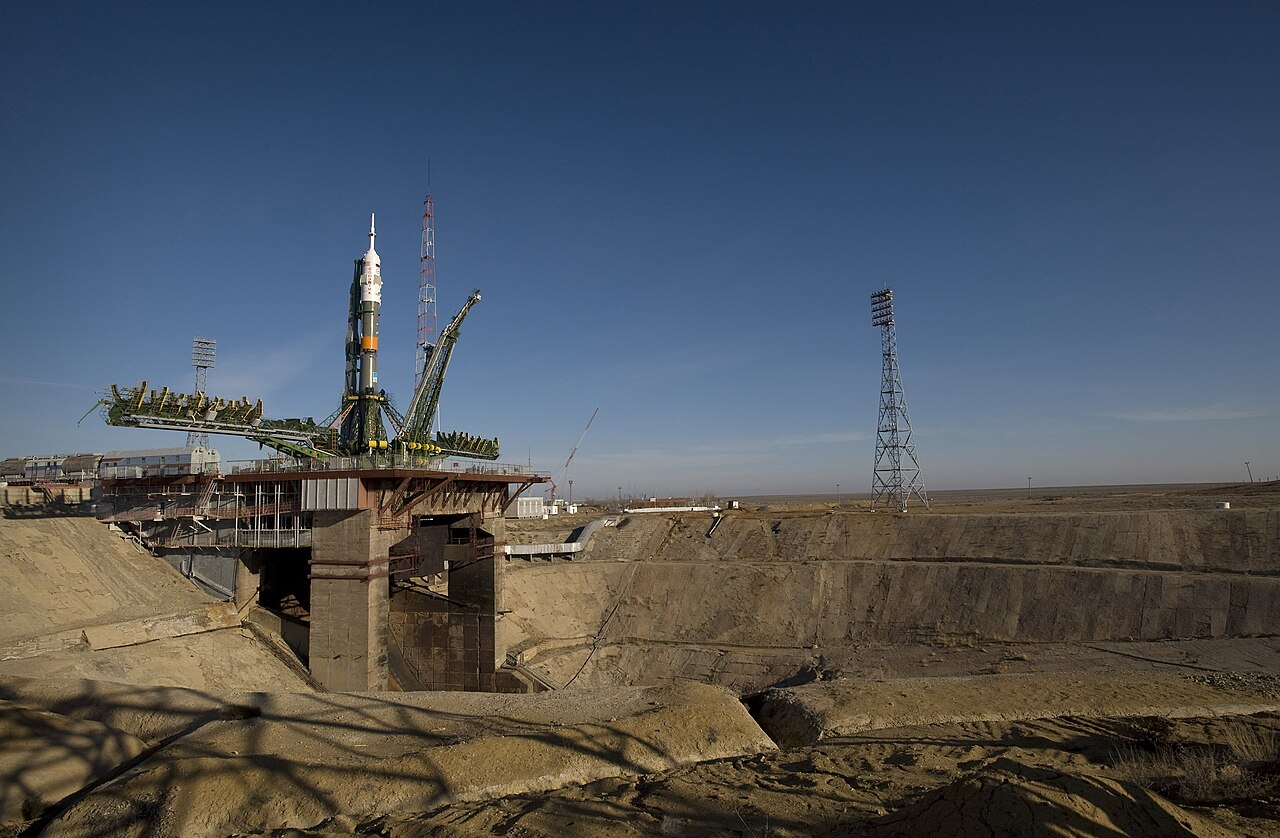 Artifact
Primary source
Gagarin's Start
1955
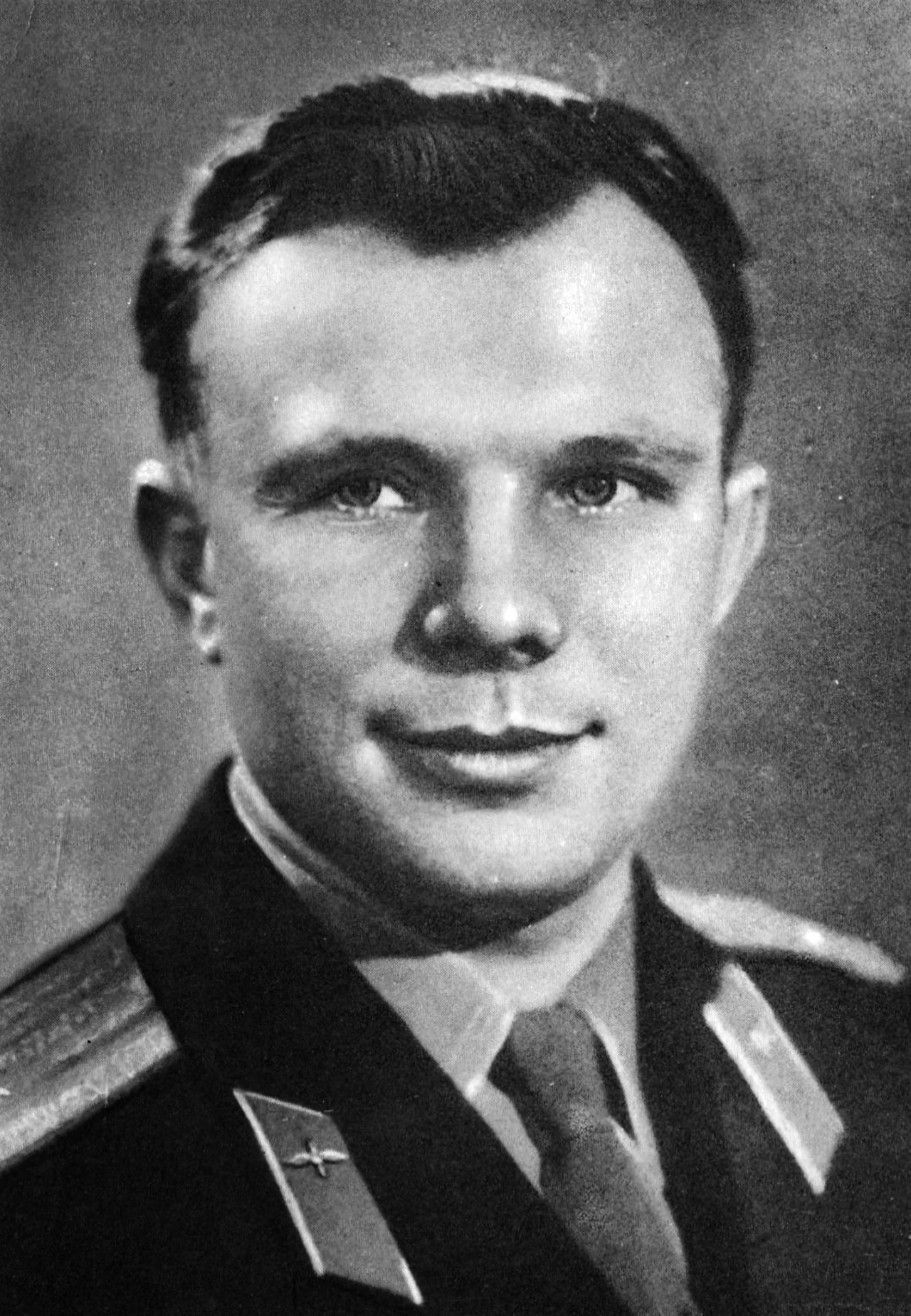 Photograph
Primary source
Portrait of Yuri Gagarin
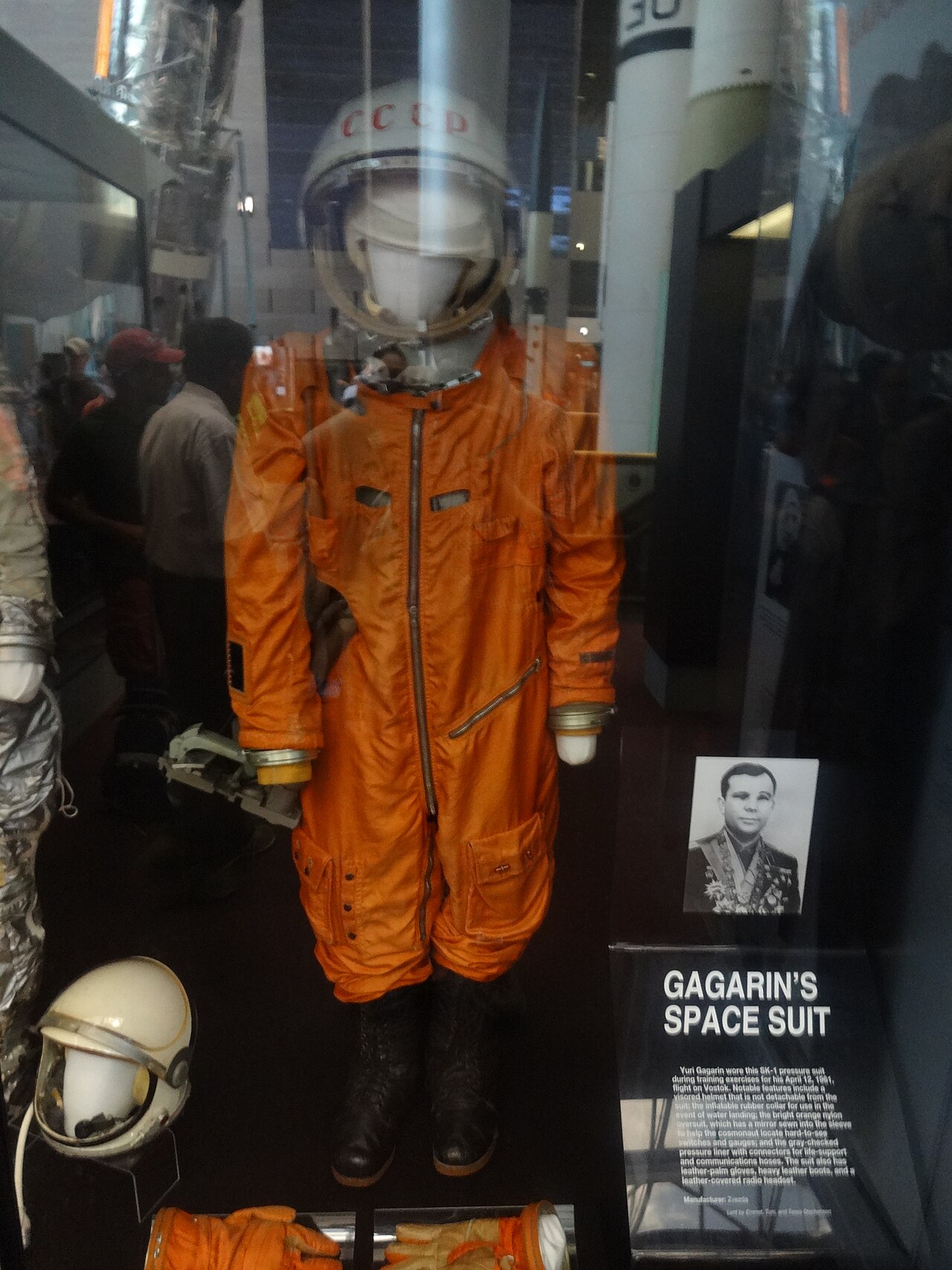 Artifact
Primary source
Gagarin's SK-1 Spacesuit
Zvezda design bureau · 1961
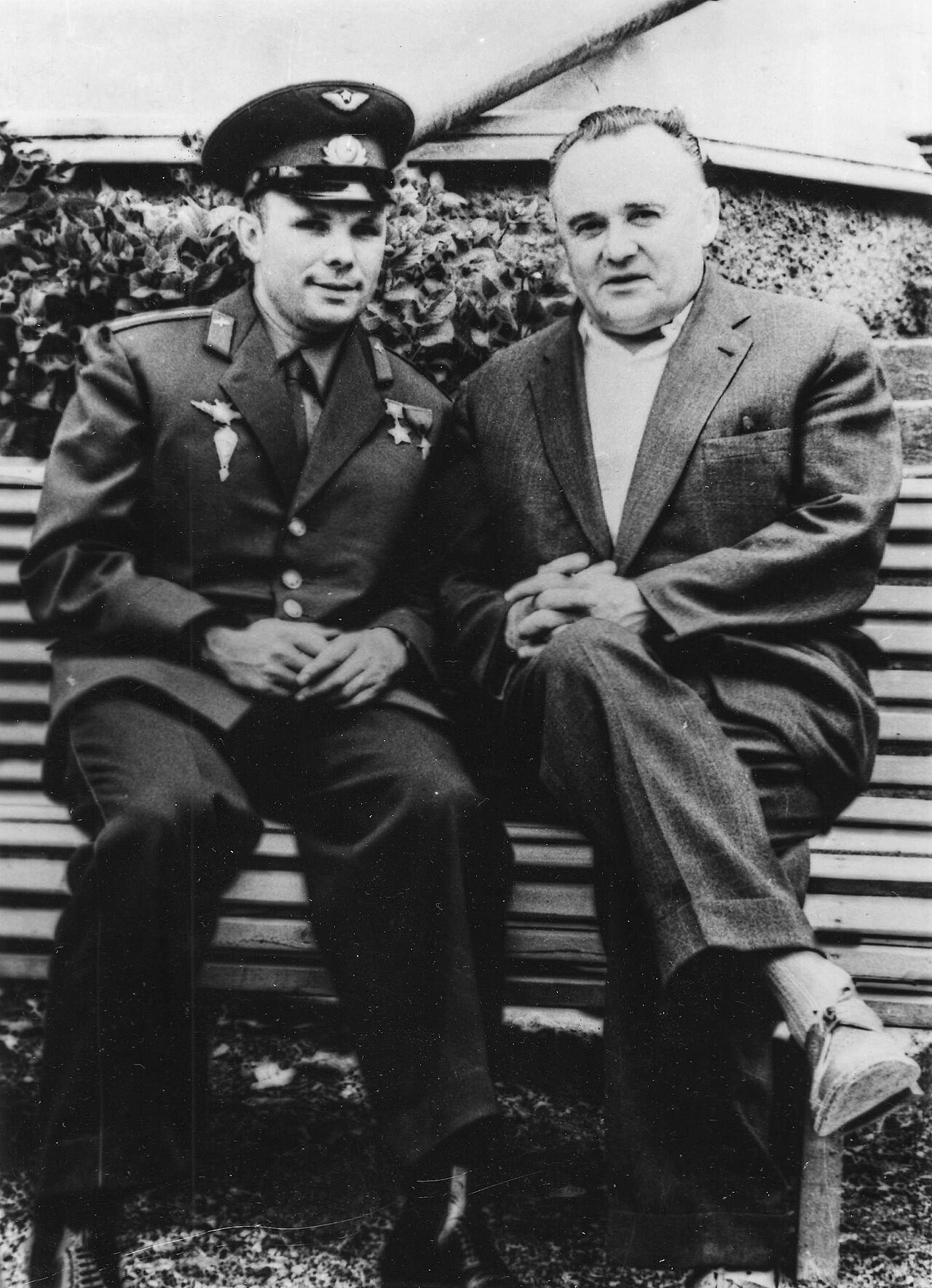
Free account
Read every Yuri Gagarin source
Sign up free →
Ready when you are
Start chatting with Yuri Gagarin now.
20 messages free · No credit card · Available in 50+ languages.