


Primary sourcePainting1670
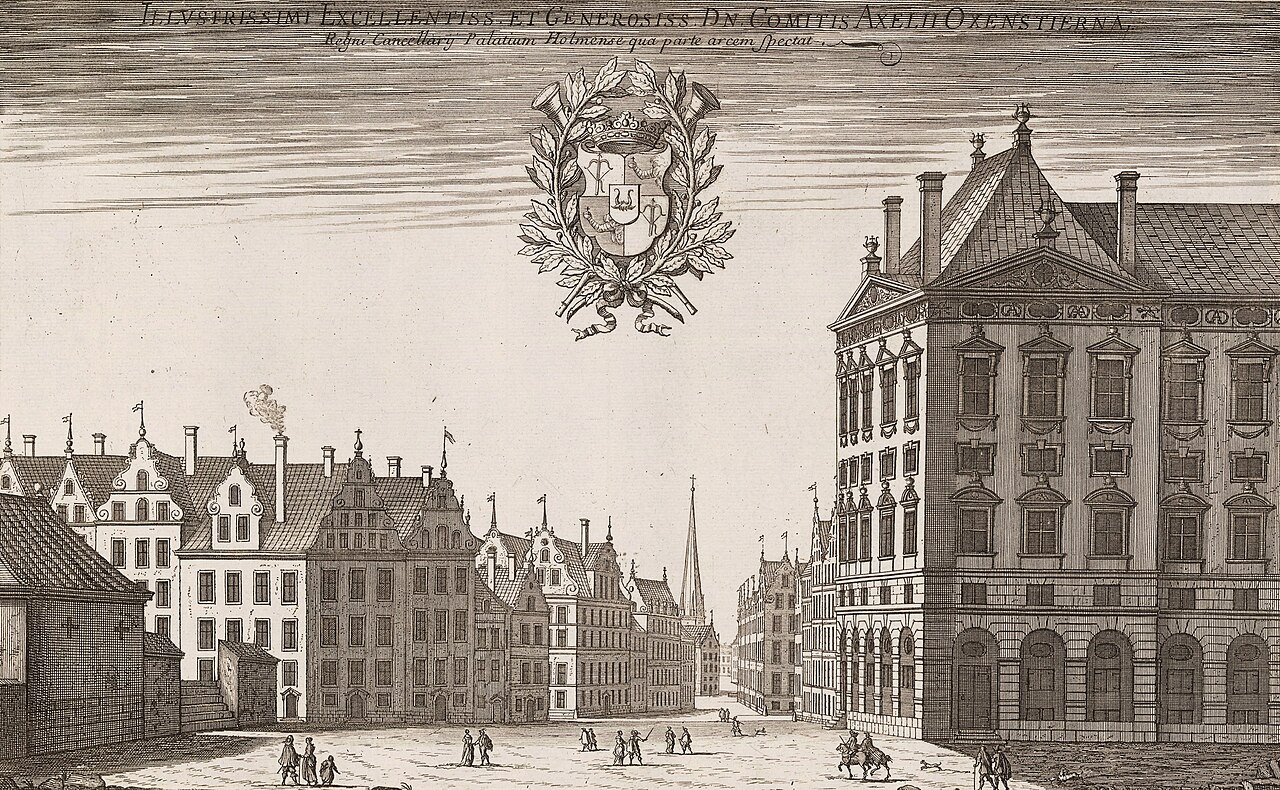
Oxenstierna Palace Seen from the Castle
Jean Marot and Erik Dahlbergh · 1670
A 1670 engraving of Oxenstierna's palace in Stockholm, commissioned during his era and showing a building he owned.
This engraving depicts the Stockholm palace owned by Oxenstierna, commissioned to record his property and status.
About this source
What it is
This engraving, made by Jean Marot with Erik Dahlbergh, shows the palace of Axel Oxenstierna in Stockholm as seen from the castle side. It was printed in 1670 as part of a larger work recording notable Swedish buildings. The title names Oxenstierna as Chancellor of the Realm and owner of the palace.
Why it matters
The engraving shows the scale and grandeur of the palace owned by Oxenstierna, one of Sweden's most powerful statesmen. Such images were made to record and celebrate important buildings and the people connected to them.
Look closer
- What does the size and style of the palace suggest about Oxenstierna's wealth and status?
- Why might an artist be commissioned to record a building like this?
- What everyday details—people, carts, other buildings—can you spot, and what do they tell you about the city around the palace?
This painting is part of the curated material that grounds the AI version of Axel Oxenstierna on Humy.ai — when students ask about related events, the AI can quote it and cite it.
More Axel Oxenstierna sources
Browse all 91 →Primary source
Instrument of Government
Axel Oxenstierna · 29 July 1634
 Document
Primary source
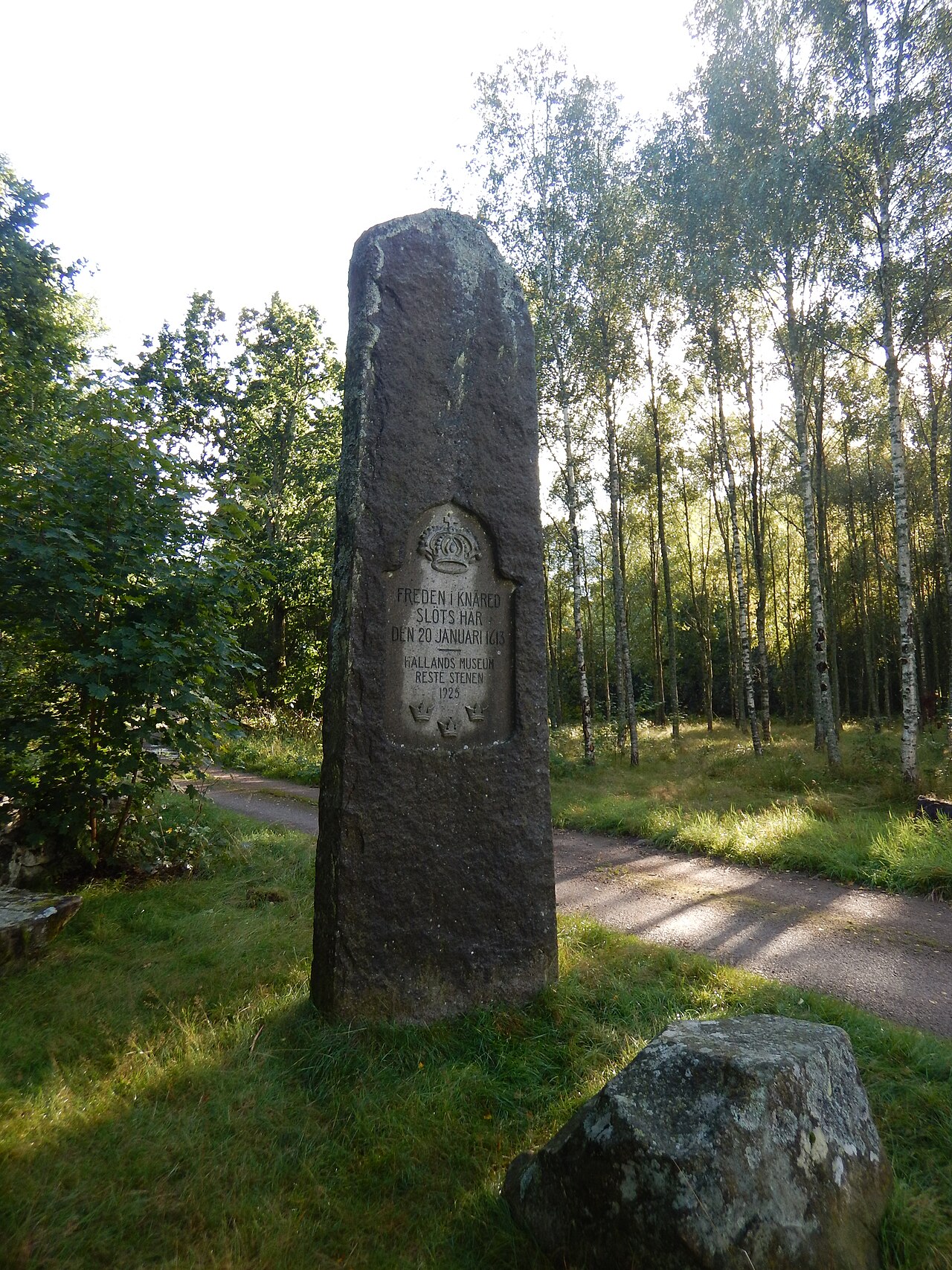
Treaty of Knäred
21 January 1613
 Document
Primary source
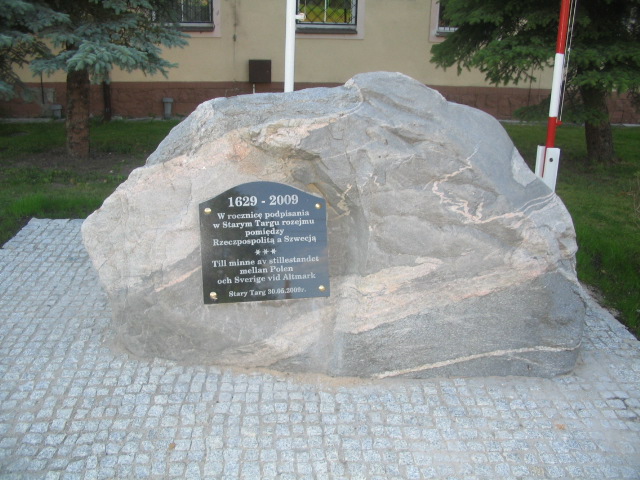
Truce of Altmark
26 September 1629
 Painting
Primary source
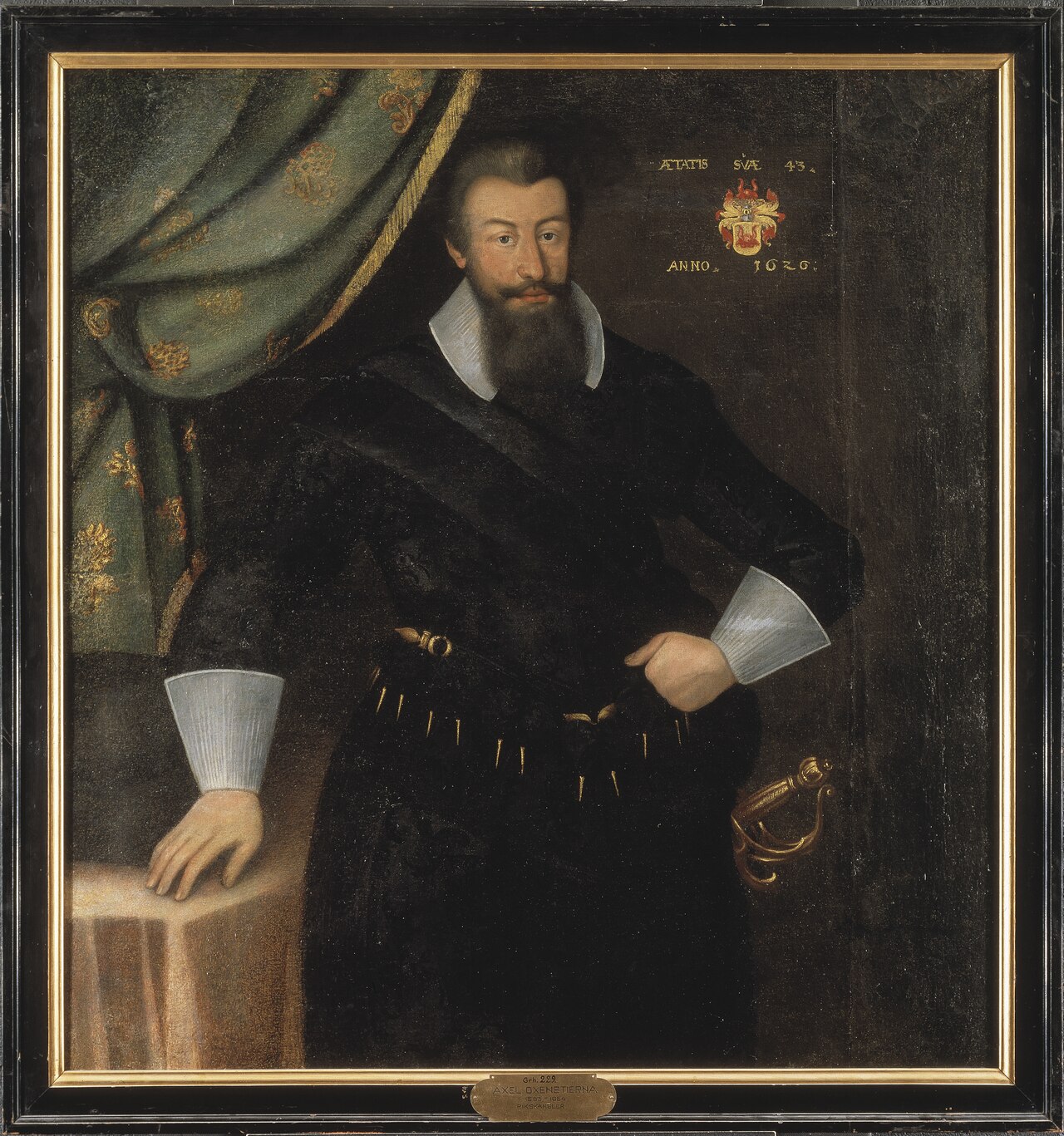
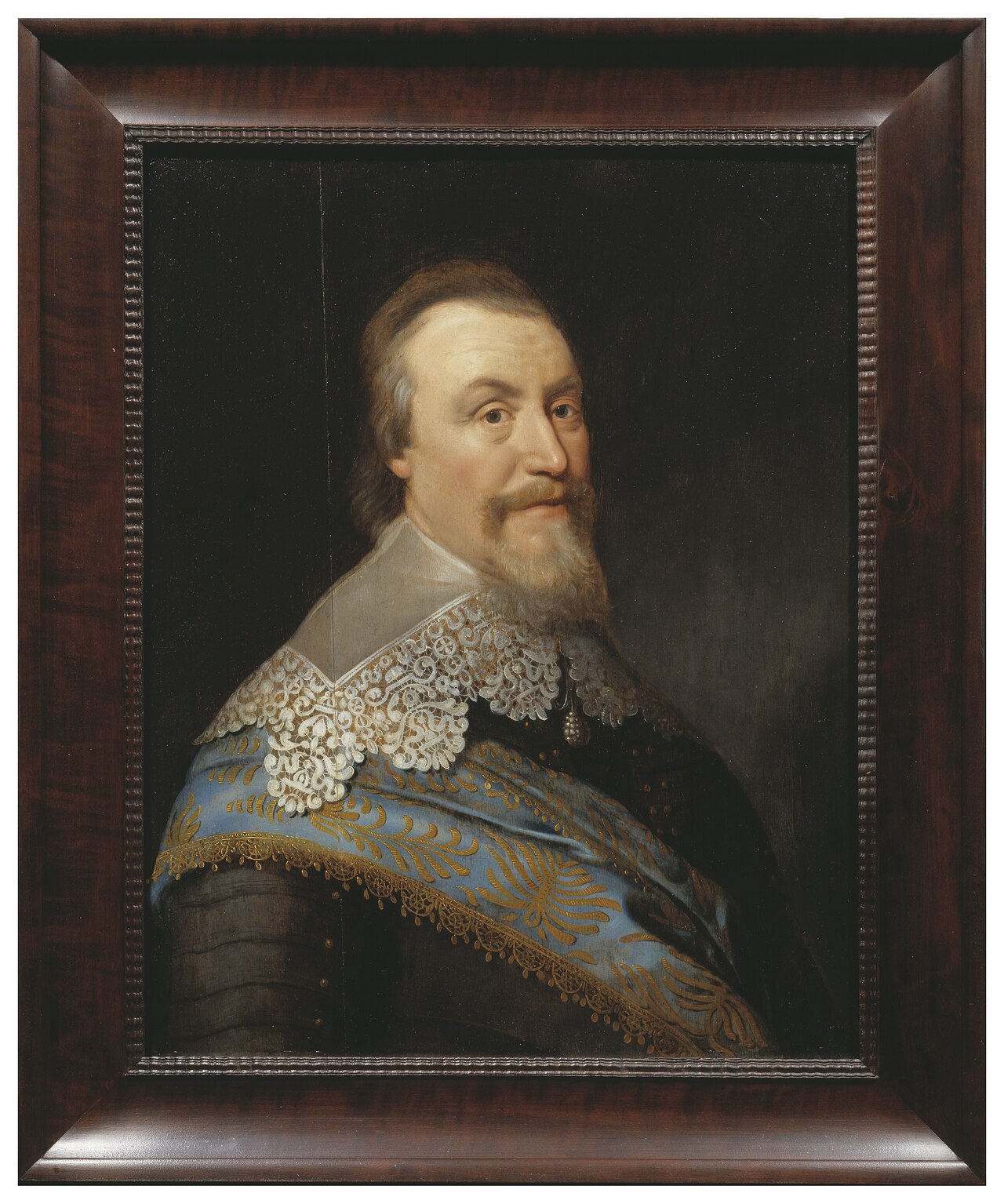
Axel Oxenstierna
Jacob Heinrich Elbfas · 1626
Free account
Read every Axel Oxenstierna source
Sign up free →
Ready when you are
Start chatting with Axel Oxenstierna now.
20 messages free · No credit card · Available in 50+ languages.