


Primary sourceArtifactc. 1803
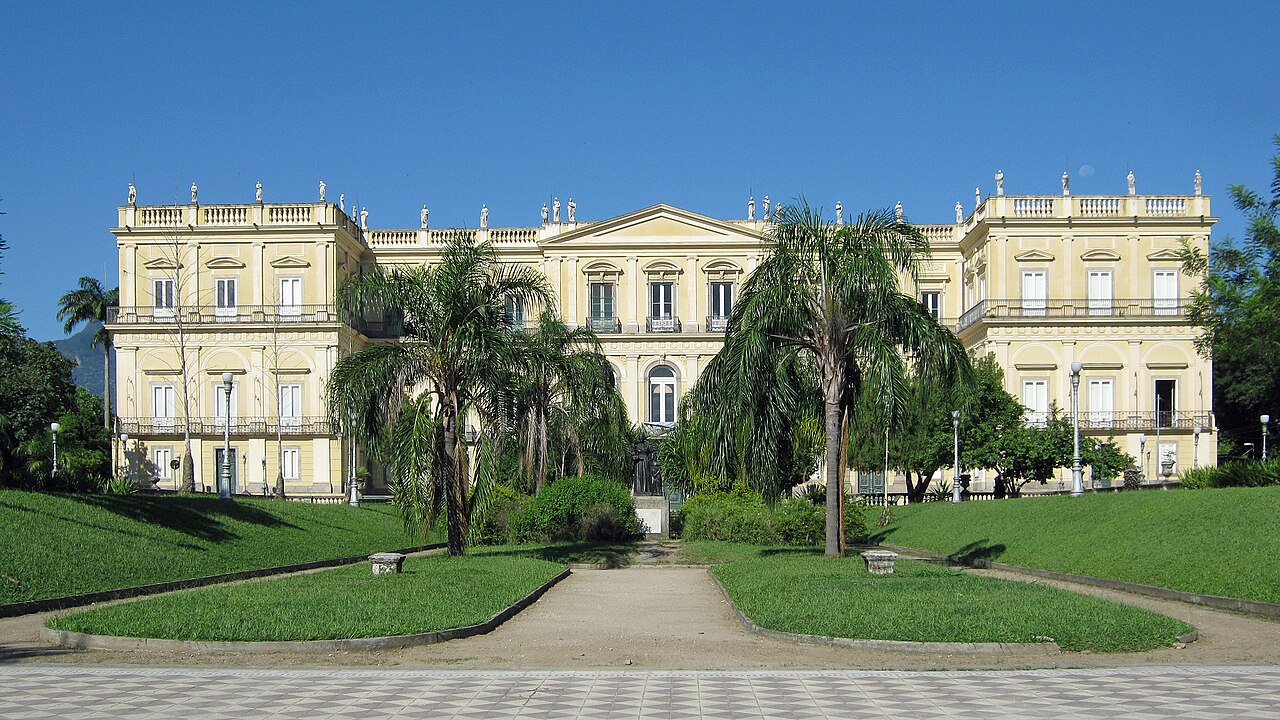
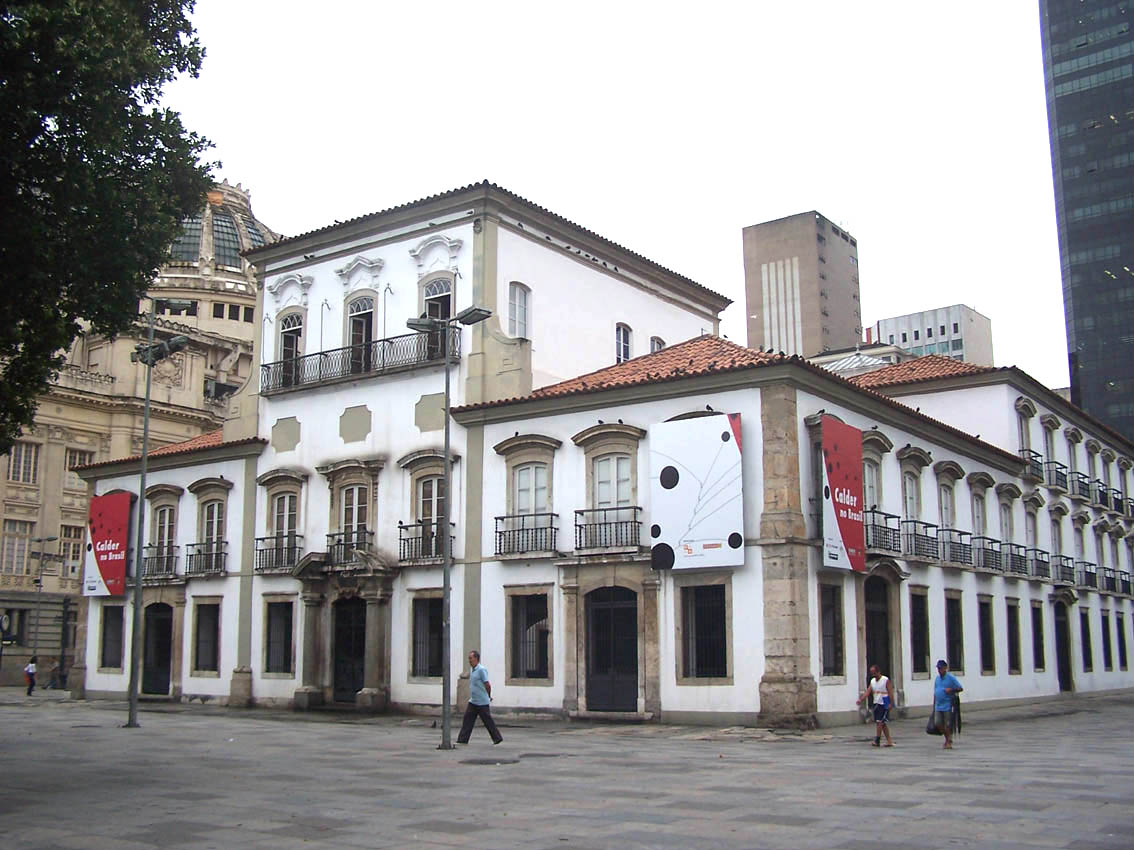
Paço de São Cristóvão
c. 1803
The palace in Rio de Janeiro that became John VI's residence after he fled to Brazil in 1808.
This palace became John VI's residence in Rio de Janeiro after he fled Portugal in 1808.
About this source
What it is
The Paço de São Cristóvão (Palace of Saint Christopher) was a manor house built around 1803 near Rio de Janeiro, later donated to John VI in 1808 by its owner Elias Antônio Lopes when the Portuguese court fled Napoleon's invasion. It became the royal, then imperial, residence and later housed Brazil's National Museum.
Why it matters
The palace shows how the arrival of the Portuguese royal family transformed Rio de Janeiro, as John VI expanded and remodeled the house into a grand state residence. After Brazilian independence in 1822, it passed to Emperor Pedro I, linking the building to the end of Portuguese colonial rule in Brazil.
Look closer
- Why might a wealthy merchant donate his finest house to the fleeing royal family?
- How does the building's transformation reflect the political changes happening in Brazil at the time?
- What does the palace's later history as a national museum tell us about how societies reuse royal buildings?
This artifact is part of the curated material that grounds the AI version of John VI of Portugal on Humy.ai — when students ask about related events, the AI can quote it and cite it.
More John VI of Portugal sources
Browse all 98 →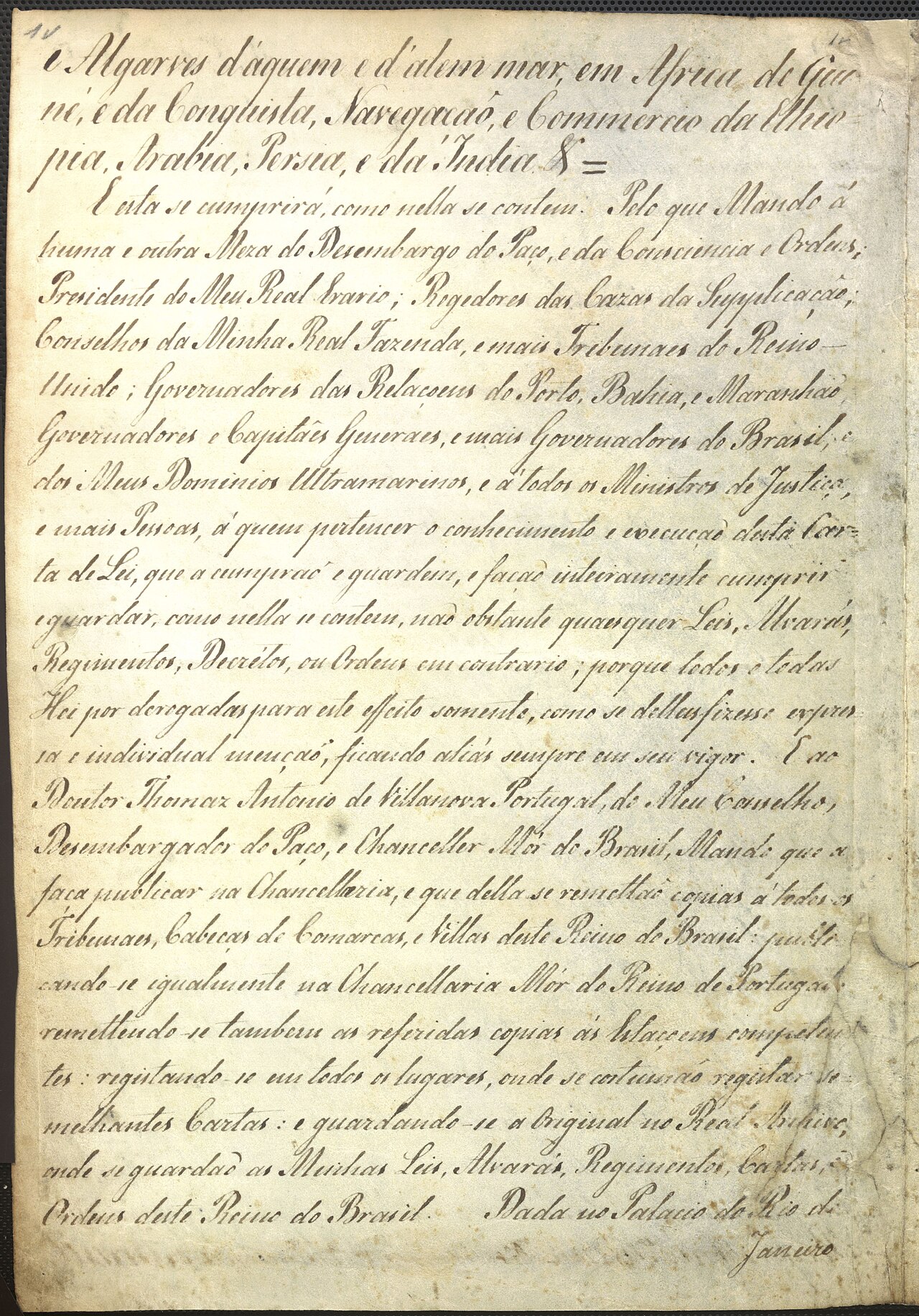 Document
Primary source
Carta de Lei de 16 de Dezembro de 1815
16 December 1815
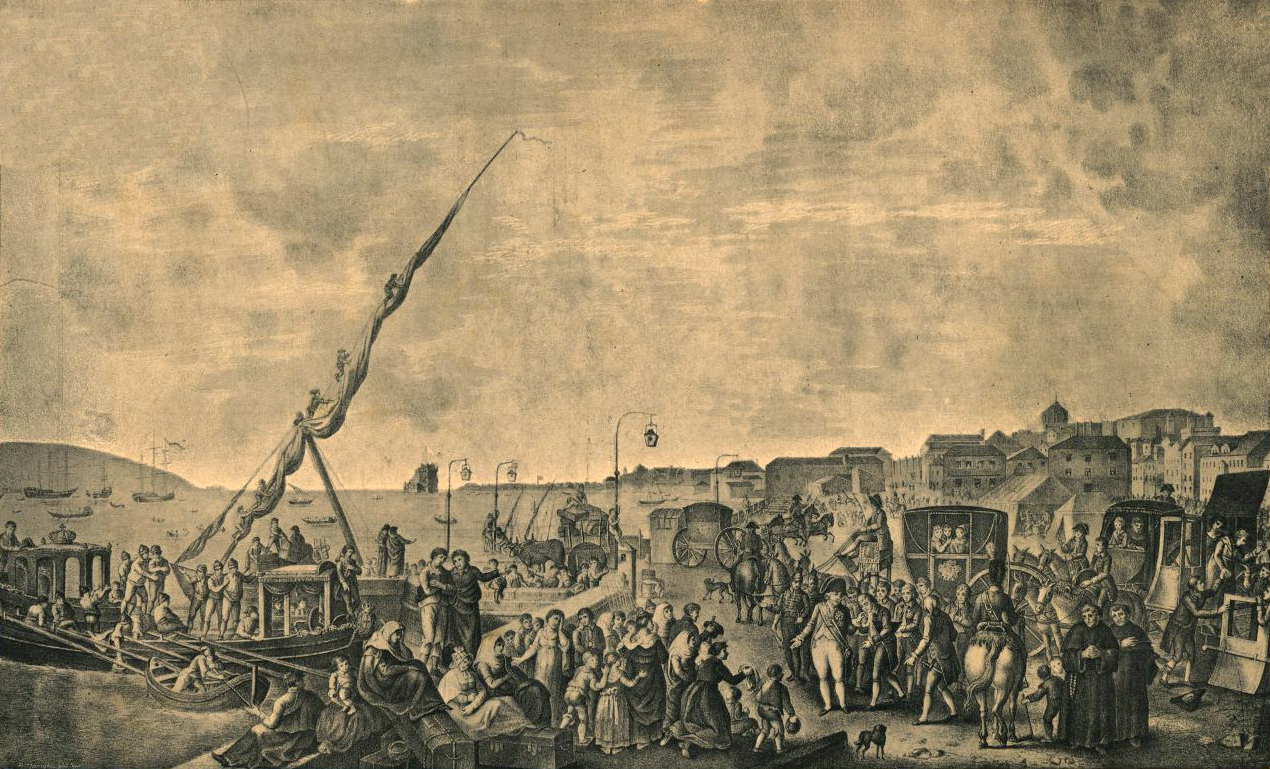 Painting
Secondary source
Príncipe Regente de Portugal e toda a Família Real embarcando para Brasil no cais de Belém
Henri L'Evêque · after 1807
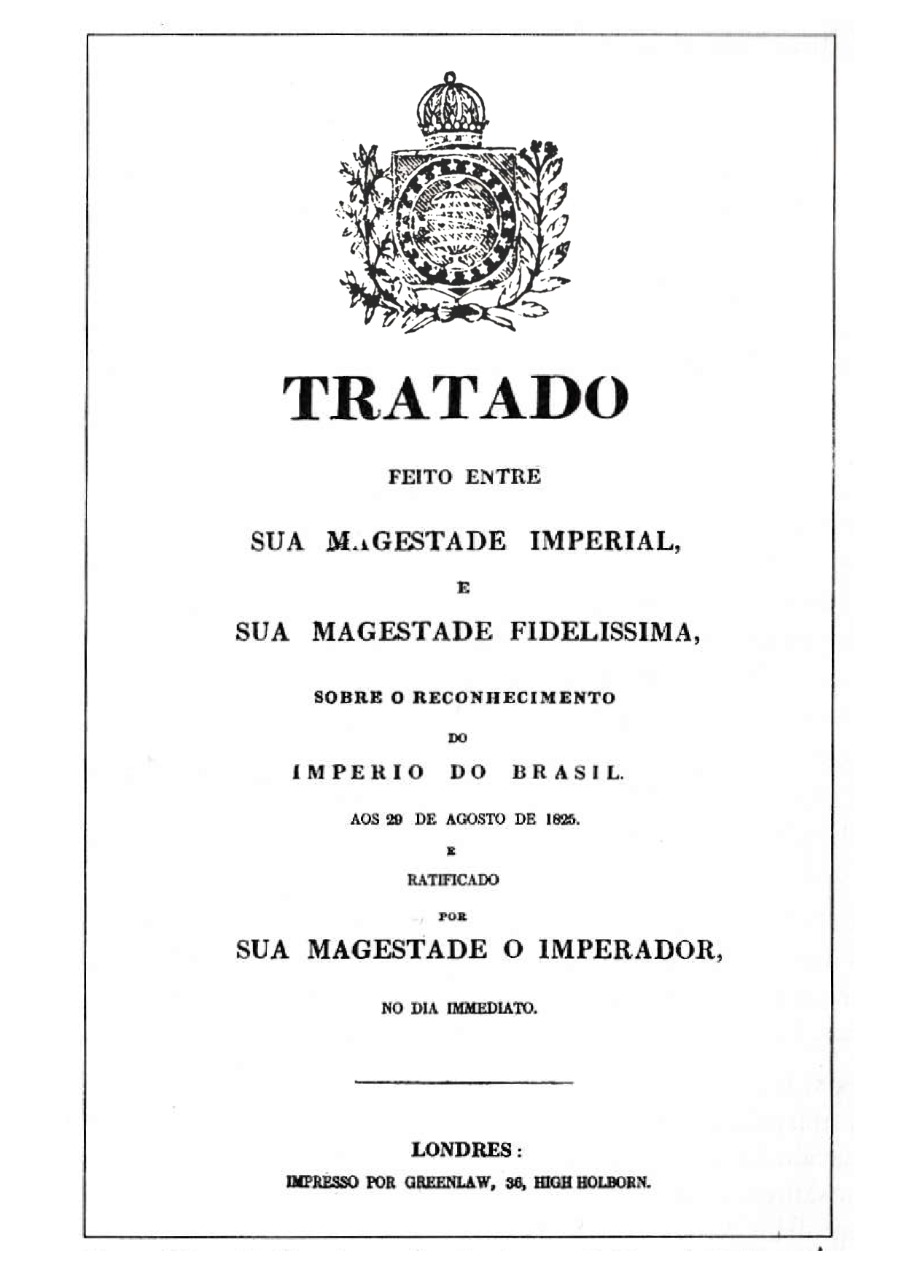 Document
Primary source
Treaty of Rio de Janeiro
29 August 1825
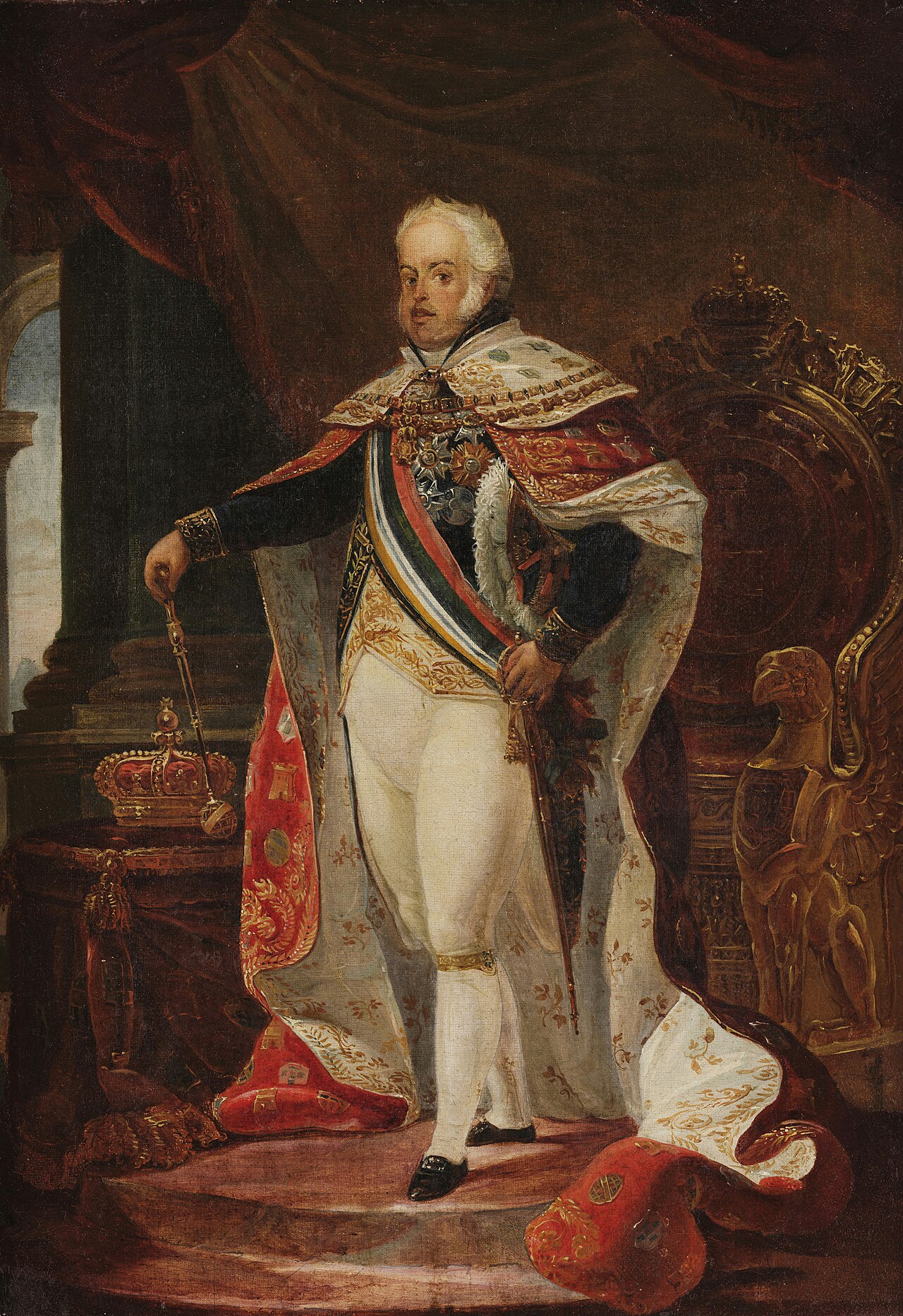 Painting
Primary source
Portrait of Dom João VI by Jean-Baptiste Debret
Jean-Baptiste Debret · c. 1817
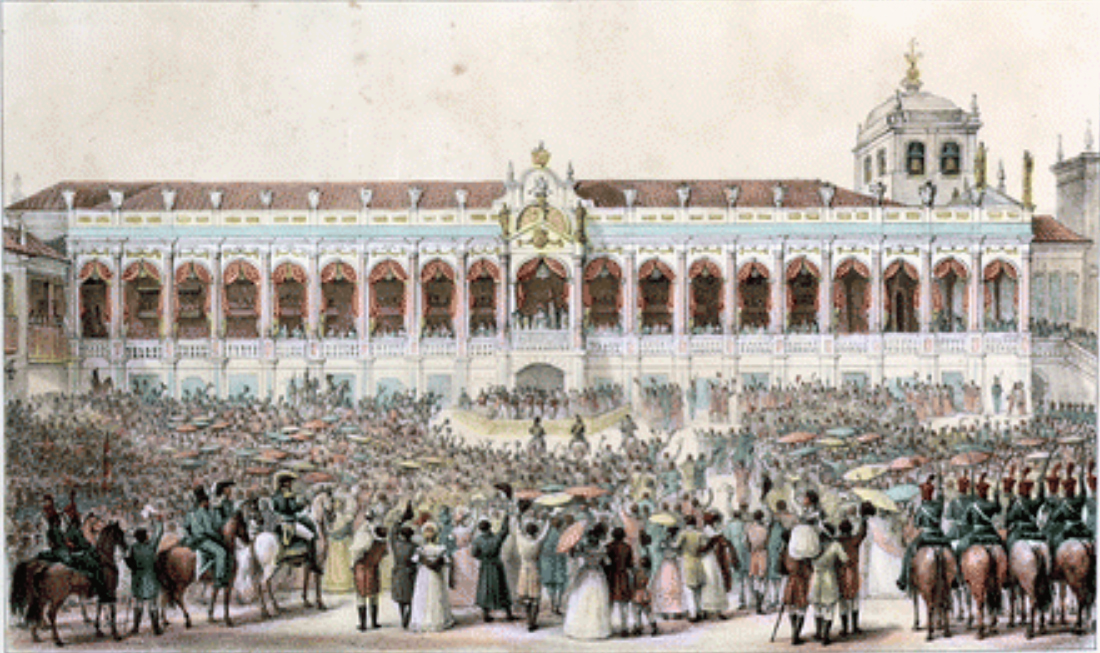
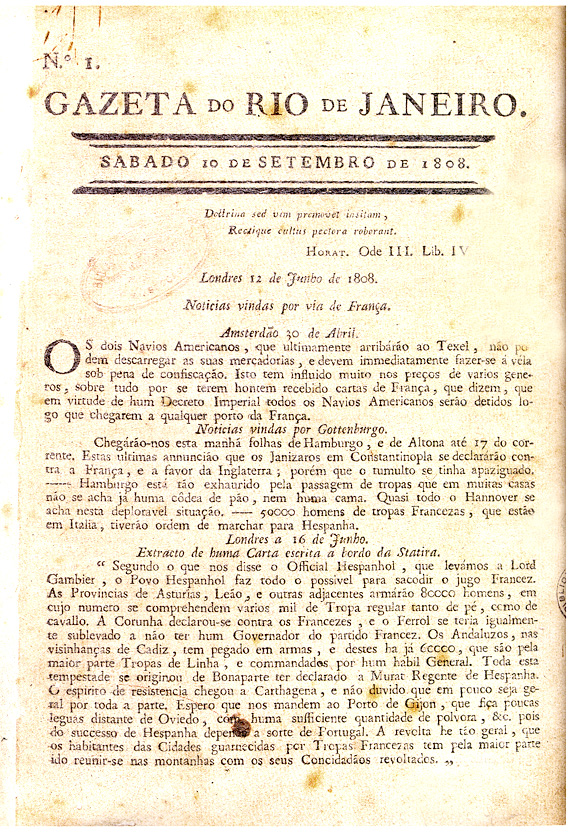
Free account
Read every John VI of Portugal source
Sign up free →
Ready when you are
Start chatting with John VI of Portugal now.
20 messages free · No credit card · Available in 50+ languages.