


Primary sourceArtifactbetween 1490 and 1492
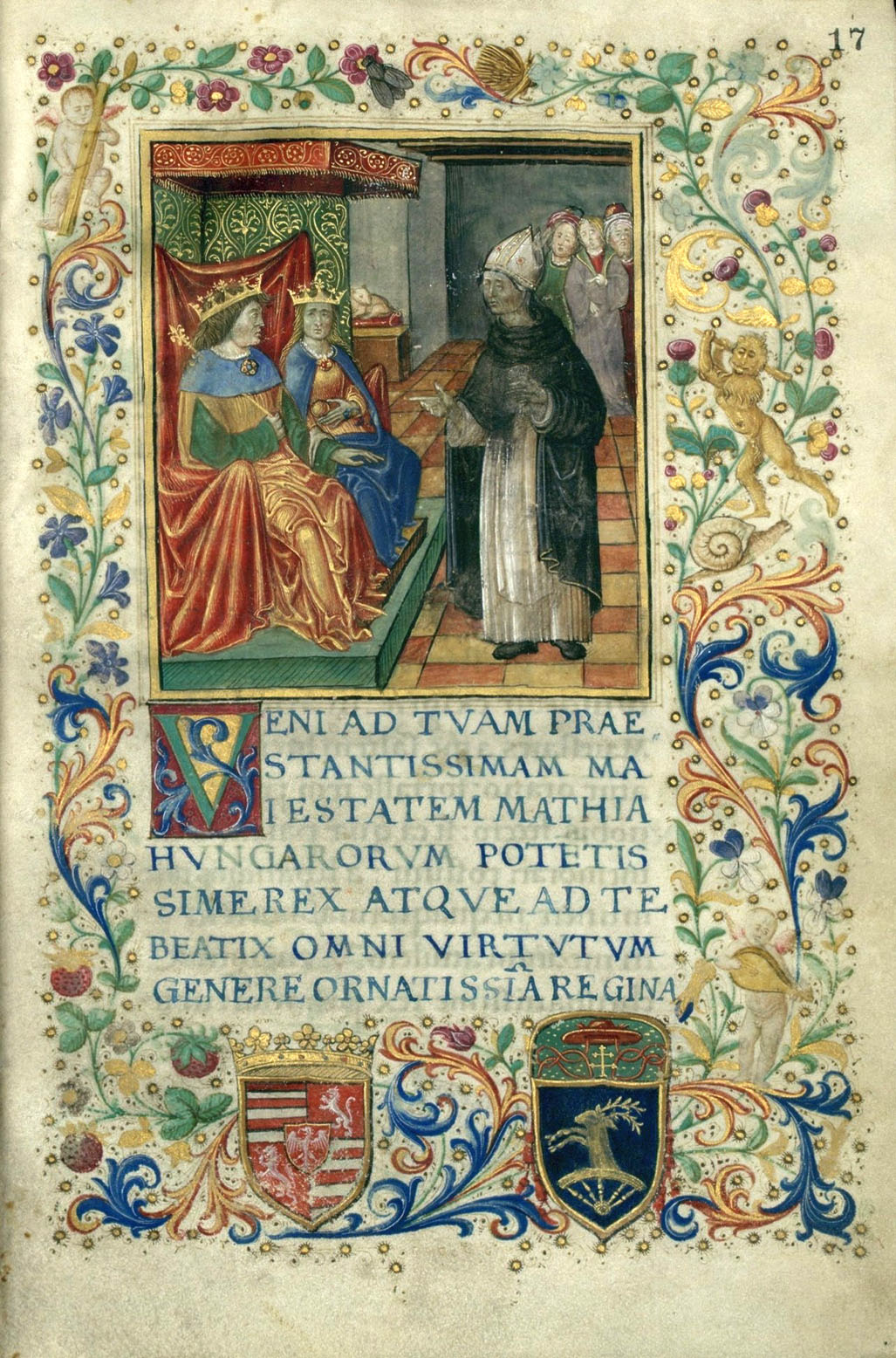
Page from Corvina manuscript Cod. Lat. 249, Ransanus Epitome
Petrus Ransanus · between 1490 and 1492
A page from a Corvina manuscript containing Petrus Ransanus's Epitome of Hungarian history, made between 1490 and 1492 for Matthias's library.
Shows a royal history of Hungary in Matthias's Corvina library, illustrated with the king's court and the Church.
About this source
What it is
This is a page from a manuscript in the Corvina collection, catalogued as Cod. Lat. 249. The text is Petrus Ransanus's Epitome of Hungarian history, written in Latin. The page is dated between 1490 and 1492. It has a border of flowers, leaves, putti and gold. A framed miniature shows a crowned king and queen seated on a red-draped throne at left, while a bishop in a dark robe and mitre points toward them. Onlookers stand at right. Below is a large decorated initial V and blue Latin text. Two coat-of-arms shields appear at the bottom, and the page number 17 is at top right.
Why it matters
Ransanus wrote a history of Hungary, and Matthias's library held his work in a finely illuminated copy. The page shows how the history of the kingdom was presented to a royal audience through text and picture together. The miniature links the royal couple with the Church, showing how those powers were shown as working side by side.
Look closer
- Who are the figures in the miniature, and how does the bishop's gesture direct our attention?
- Why might a history of Hungary be illustrated with scenes of the royal court?
- What does the page leave out, such as the names of the people in the scene or the sources Ransanus used?
This artifact is part of the curated material that grounds the AI version of Matthias Corvinus on Humy.ai — when students ask about related events, the AI can quote it and cite it.
More Matthias Corvinus sources
Browse all 83 →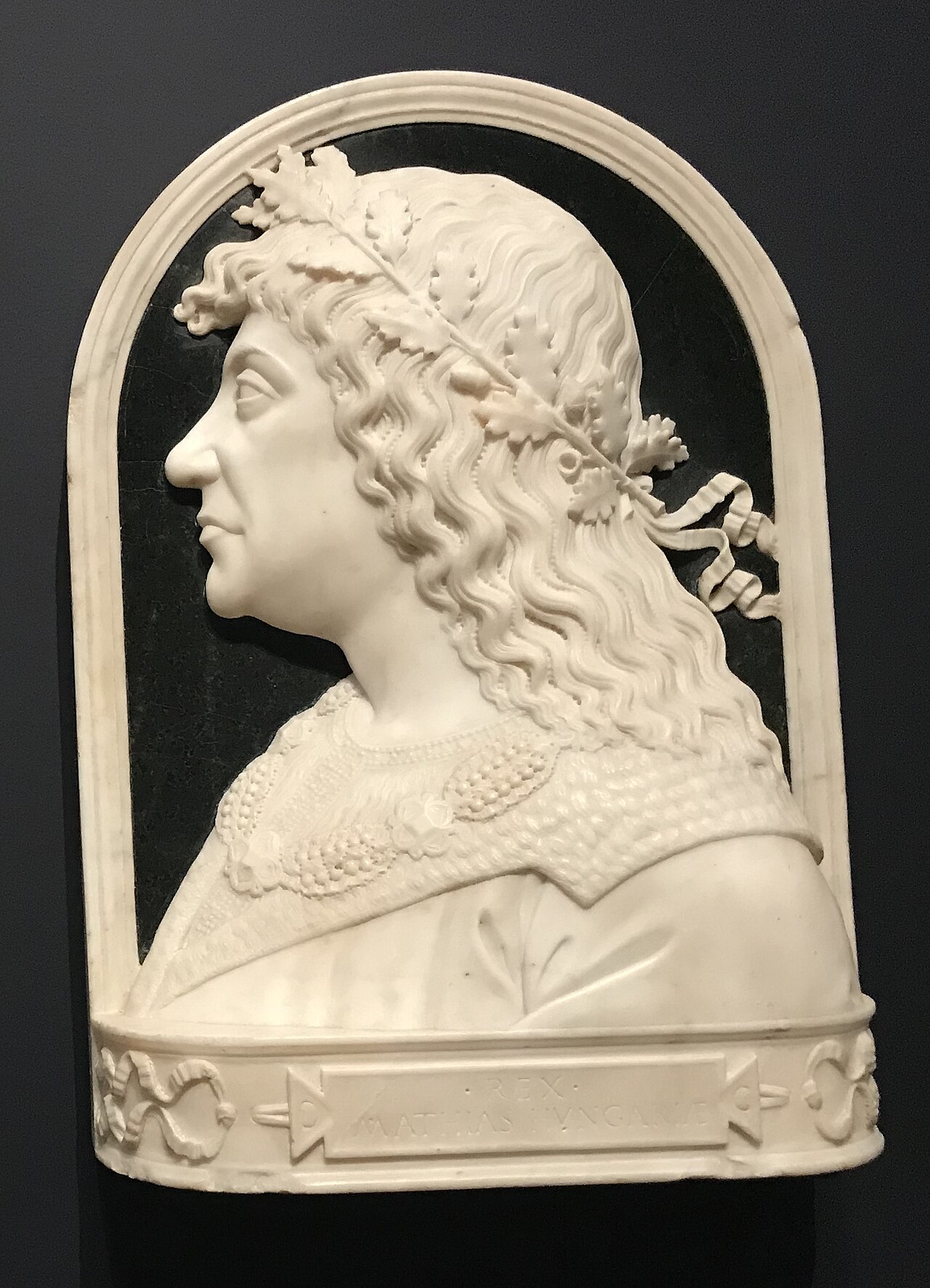 Sculpture
Primary source
Portrait of Matthias Corvinus, King of Hungary
Benedetto da Maiano · 1476
 Painting
Secondary source
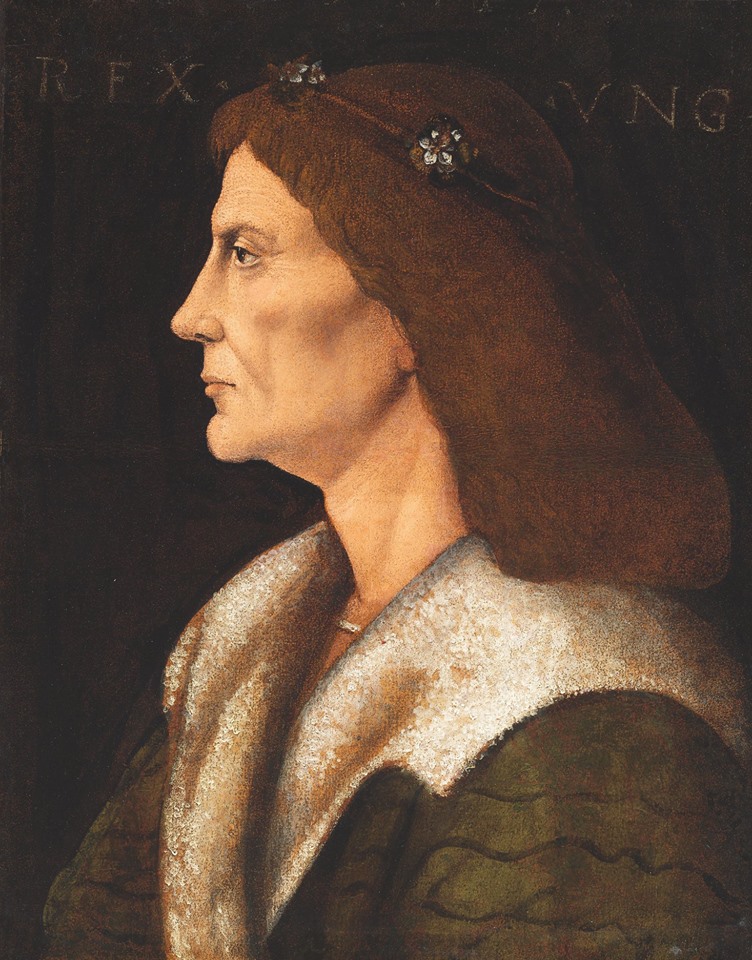
Portrait of Matthias Corvinus
Circle of Andrea Mantegna
 Artifact
Secondary source
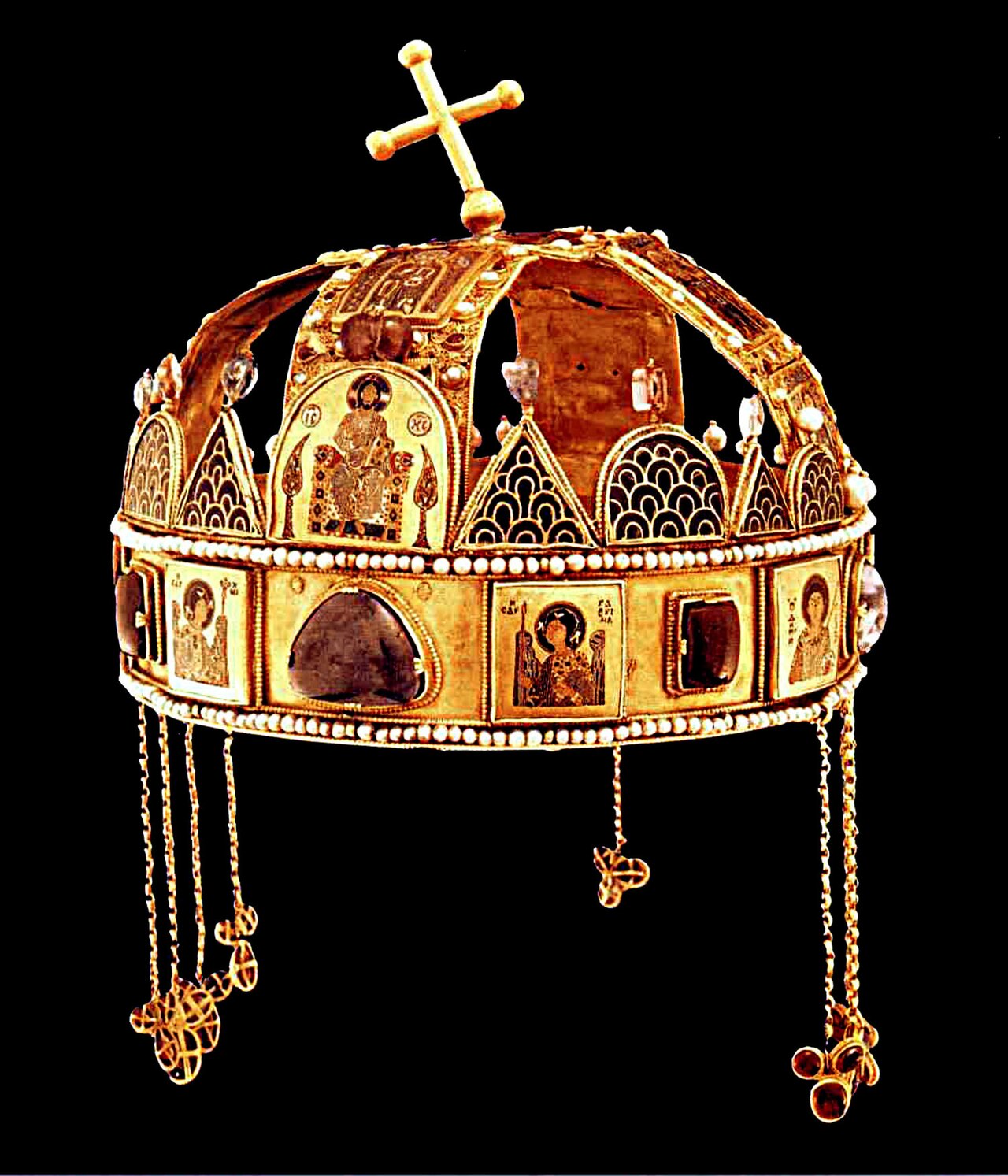
Holy Crown of Hungary
1070s, present form c. late 12th century
SculpturePrimary source
Marble Portrait Reliefs of Matthias Corvinus and Beatrice of Aragon
Italian sculptor in Matthias's service (workshop attribution debated) · c. 1476-1490
Free account
Read every Matthias Corvinus source
Sign up free →
Ready when you are
Start chatting with Matthias Corvinus now.
20 messages free · No credit card · Available in 50+ languages.