


Secondary sourcePaintingc. 1877
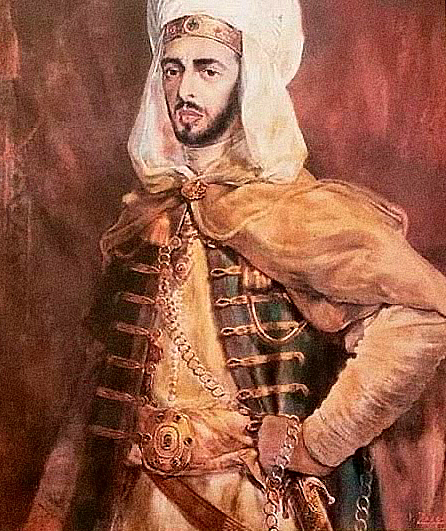
Painting of Sultan Ahmad al-Mansur
Jules de Moutier · c. 1877
A 19th-century imagined portrait of Sultan Ahmad al-Mansur, painted long after his death and displayed in a museum in Fez, Morocco.
An imagined later portrait showing how Ahmad al-Mansur was remembered as a powerful Saadian sultan long after his reign.
About this source
What it is
This is a painted portrait of Ahmad al-Mansur made by the artist Jules de Moutier around 1877, nearly three centuries after the sultan's death. It is displayed at the Museum of Arms in Fez, Morocco, and shows a bearded man in a white turban and an ornate golden-brown robe with braided cords and a jeweled belt.
Why it matters
Because the artist never saw Ahmad al-Mansur in person, this painting is not a true likeness but an imagined one, created to honour his memory as a powerful Saadian ruler. It shows how later generations in Morocco pictured and remembered the sultan, using clothing and symbols of royal authority rather than a real record of his appearance.
Look closer
- What details in the clothing and setting suggest power or royalty?
- Why might an artist in the 1870s want to paint a ruler who died centuries earlier?
- What can and can't a painting like this tell us about the real Ahmad al-Mansur?
This painting is part of the curated material that grounds the AI version of Ahmad al-Mansur on Humy.ai — when students ask about related events, the AI can quote it and cite it.
More Ahmad al-Mansur sources
Browse all 24 →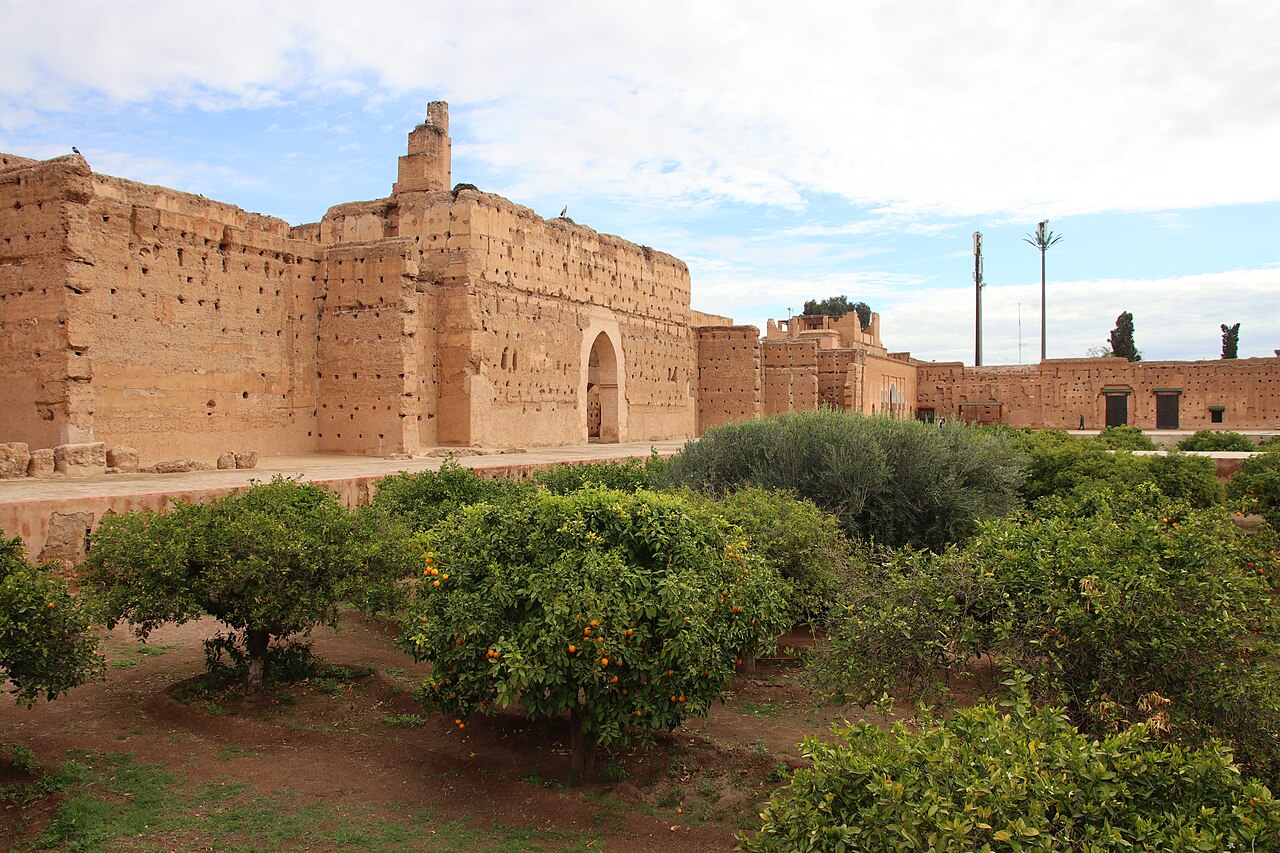 Artifact
Primary source
El Badi Palace
1578 (construction began)
 Artifact
Primary source
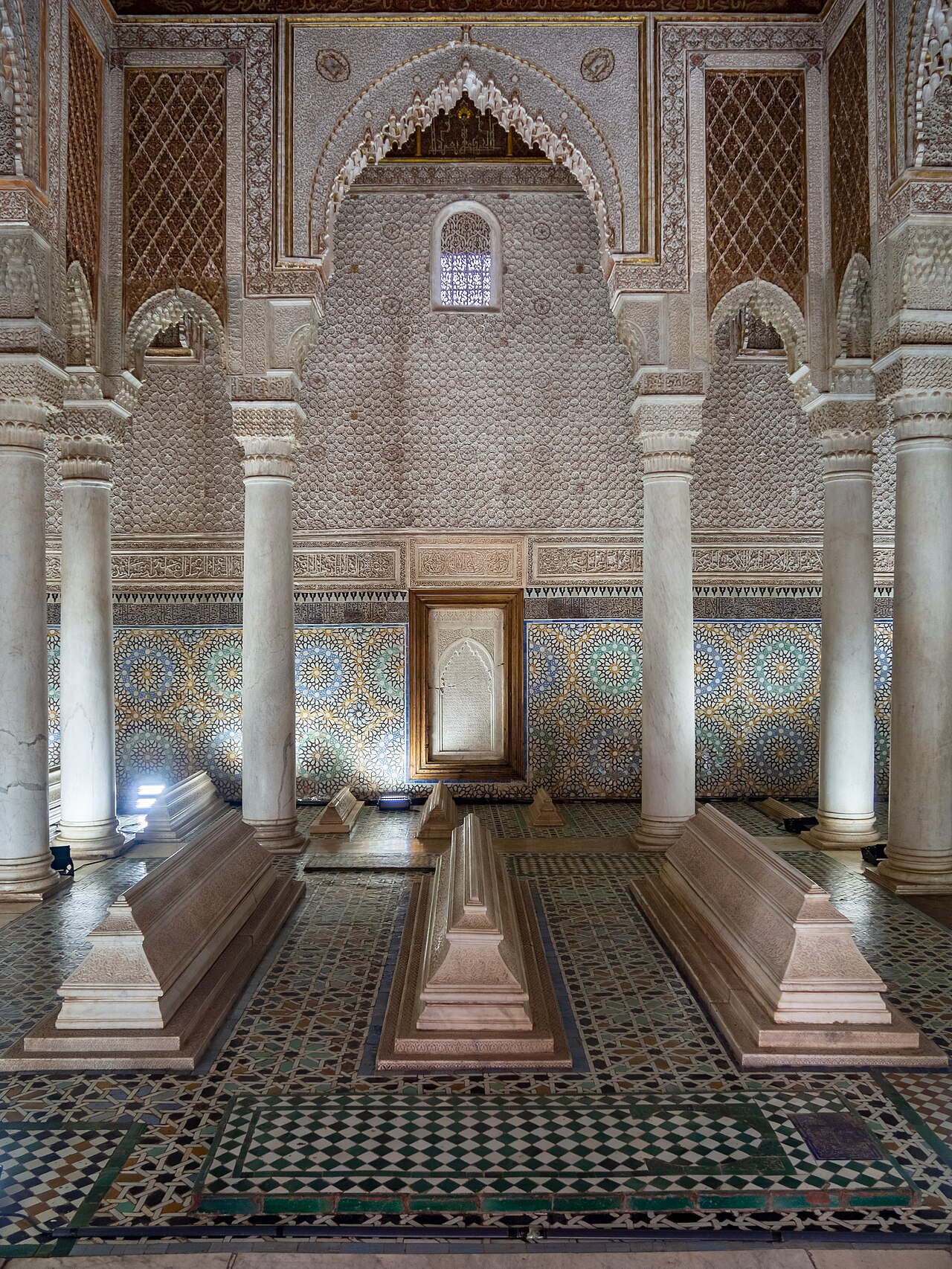
Saadian Tombs
c. 1600
 Painting
Secondary source
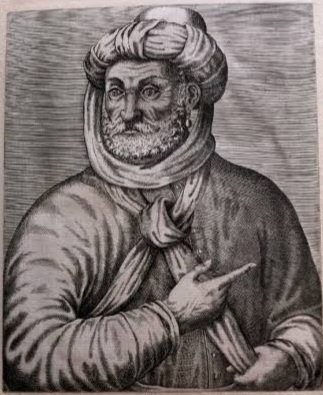
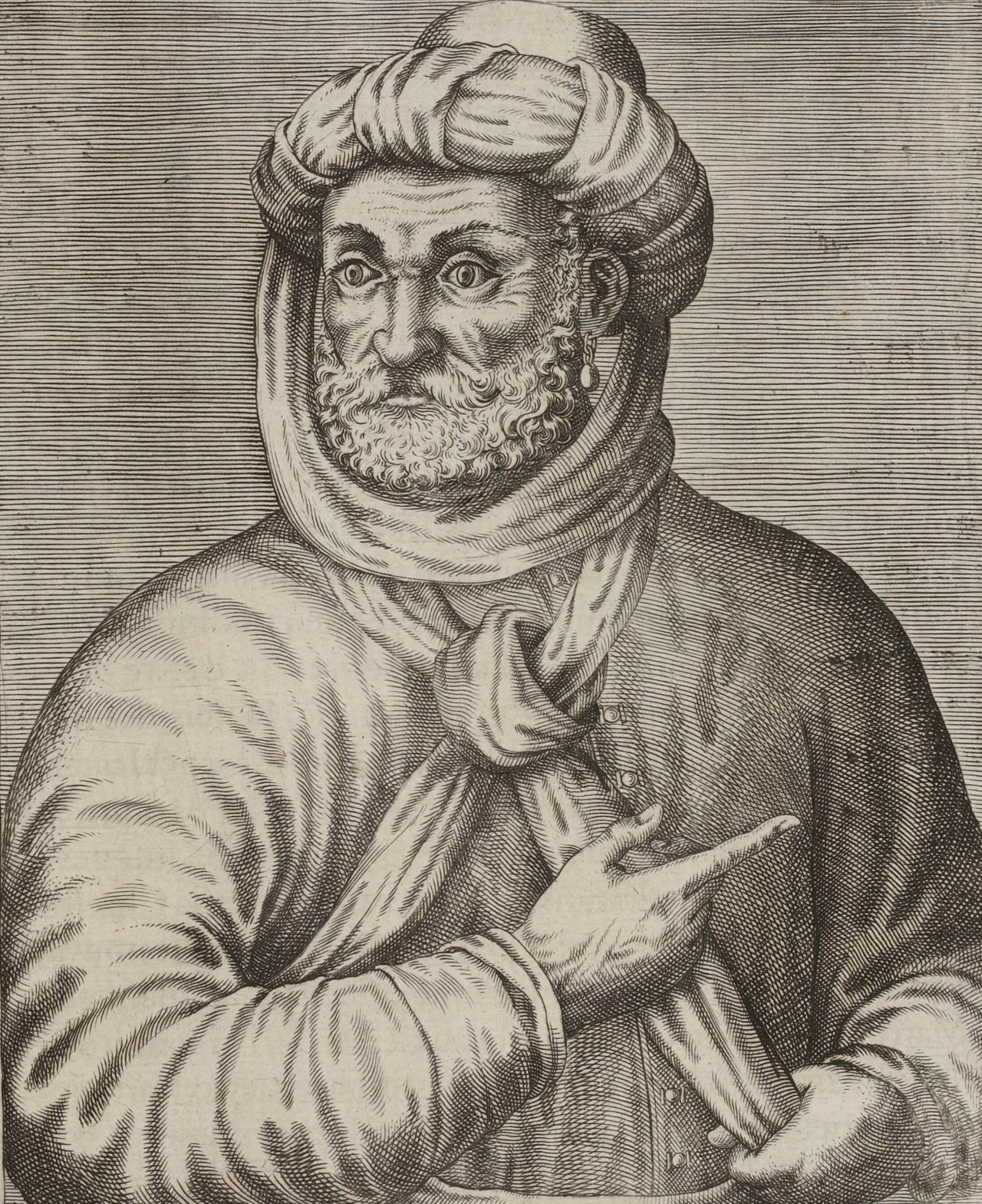
Cherif roi de Fez et de Marroc
André Thevet · 1584
 Painting
Primary source
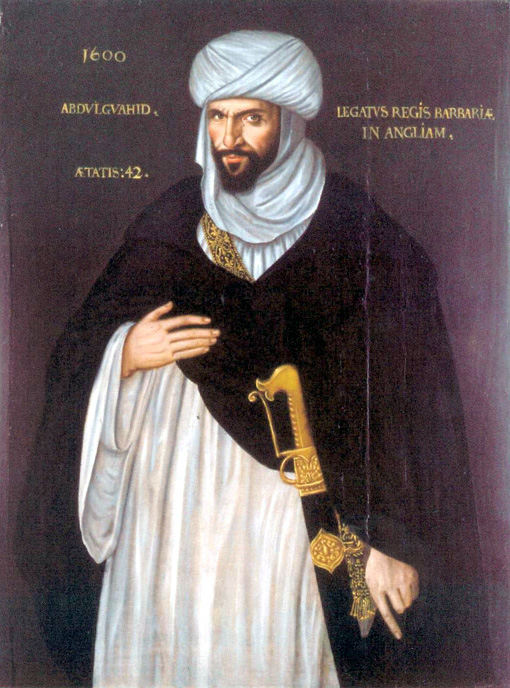
Portrait of Abd el-Ouahed ben Messaoud
Unknown English artist · 1600
Free account
Read every Ahmad al-Mansur source
Sign up free →
Ready when you are
Start chatting with Ahmad al-Mansur now.
20 messages free · No credit card · Available in 50+ languages.