


Primary sourceArtifact
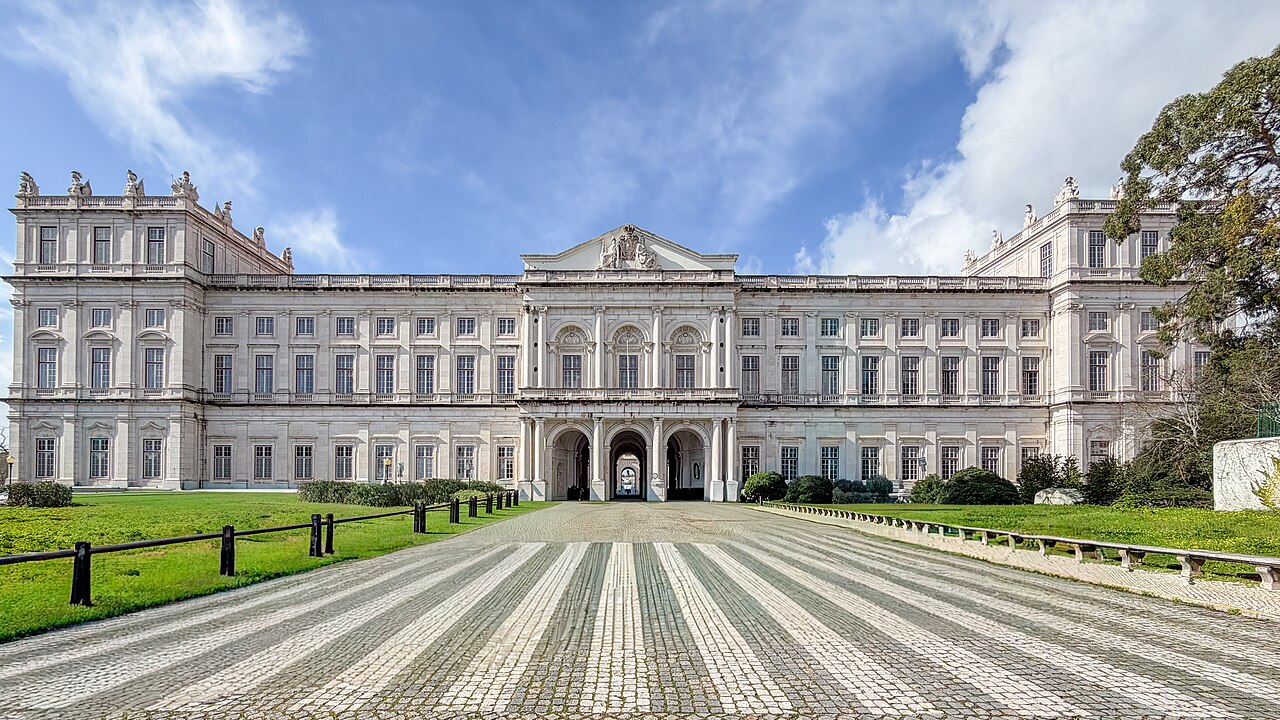
Palace of Ajuda
Manuel Caetano de Sousa
The neoclassical royal palace in Lisbon begun under John VI's regency, reflecting his ambitions for the monarchy.
This palace was begun during the period of John VI's regency, reflecting the monarchy's architectural ambitions.
About this source
What it is
The Palace of Ajuda is a neoclassical building in Lisbon, built on the site where the royal family took refuge after the 1755 earthquake. Construction began in 1796 under architects including Manuel Caetano de Sousa, José da Costa e Silva, and Francisco Xavier Fabri, and continued into the late 19th century. It now houses the Royal Treasure Museum.
Why it matters
The palace was begun during the regency connected to John VI, reflecting his family's ambitions for a grand royal residence. Its construction was repeatedly delayed by financial troubles, political conflict, and the French invasion of 1807, which forced the royal family to flee to Brazil. The building shows the shift from Baroque to Neoclassical style and the political turbulence of the era.
Look closer
- Why might a royal building take so many decades to complete?
- What does the repeated interruption of construction tell us about the political instability of the period?
- How does the scale of the palace reflect the ambitions of the monarchy that built it?
This artifact is part of the curated material that grounds the AI version of John VI of Portugal on Humy.ai — when students ask about related events, the AI can quote it and cite it.
More John VI of Portugal sources
Browse all 98 →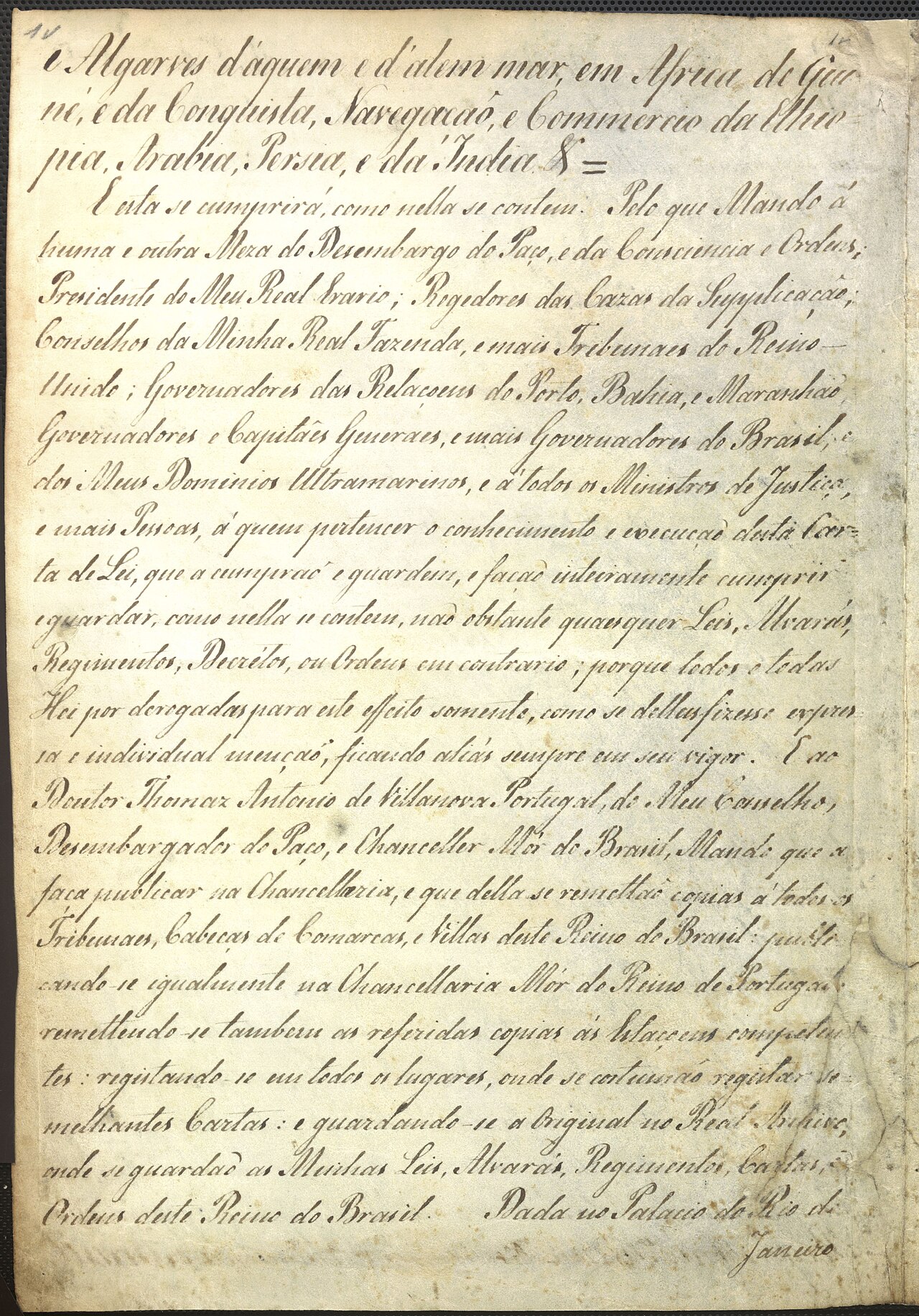 Document
Primary source
Carta de Lei de 16 de Dezembro de 1815
16 December 1815
 Painting
Secondary source
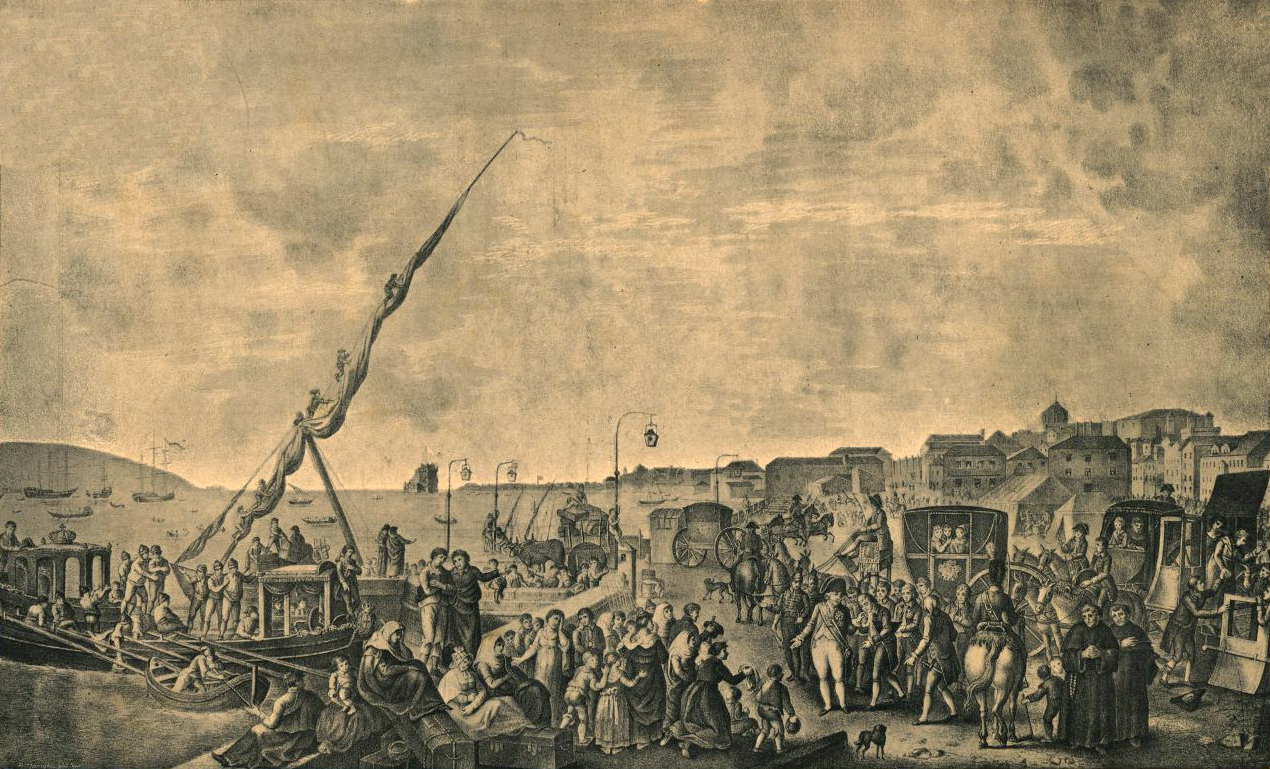
Príncipe Regente de Portugal e toda a Família Real embarcando para Brasil no cais de Belém
Henri L'Evêque · after 1807
 Document
Primary source
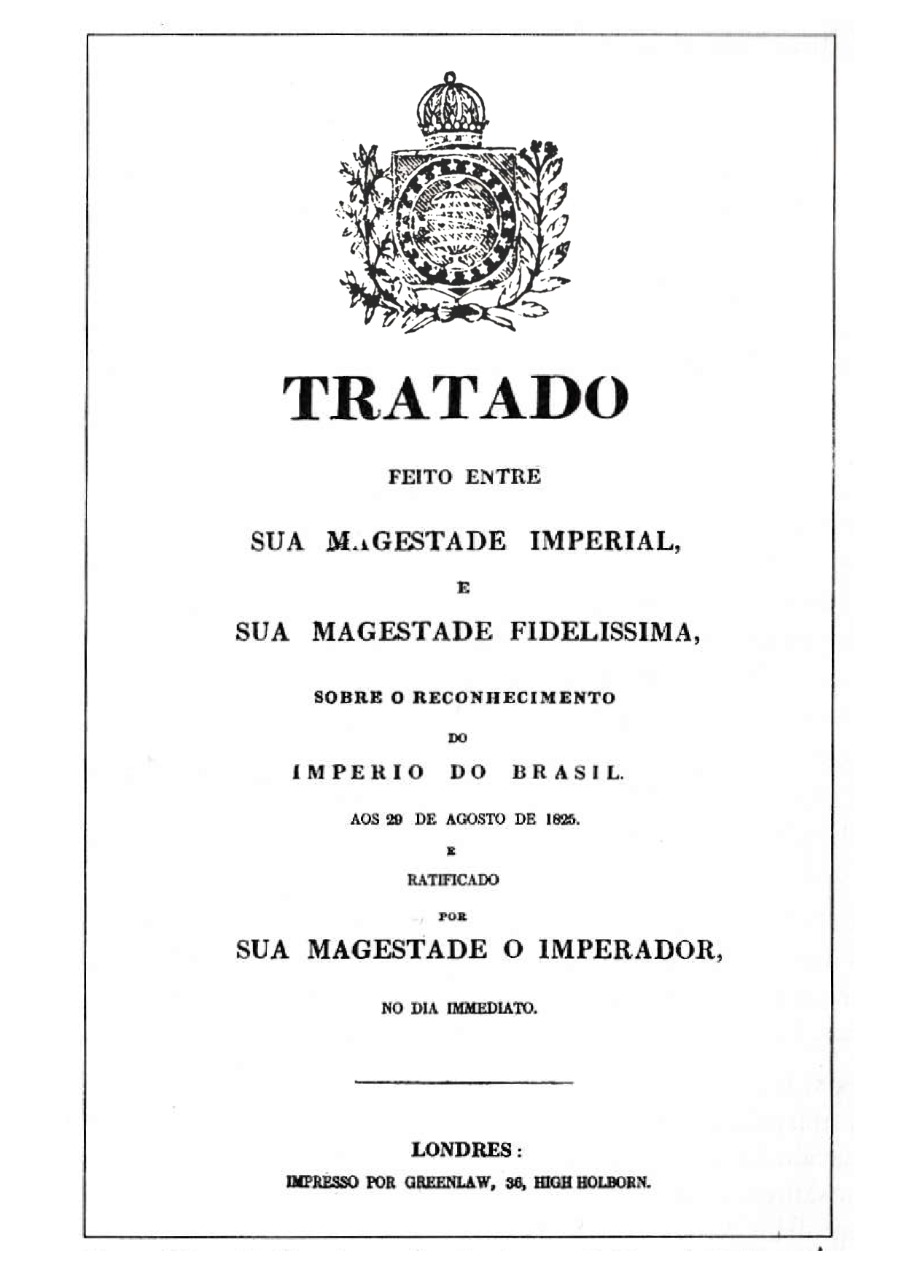
Treaty of Rio de Janeiro
29 August 1825
 Painting
Primary source
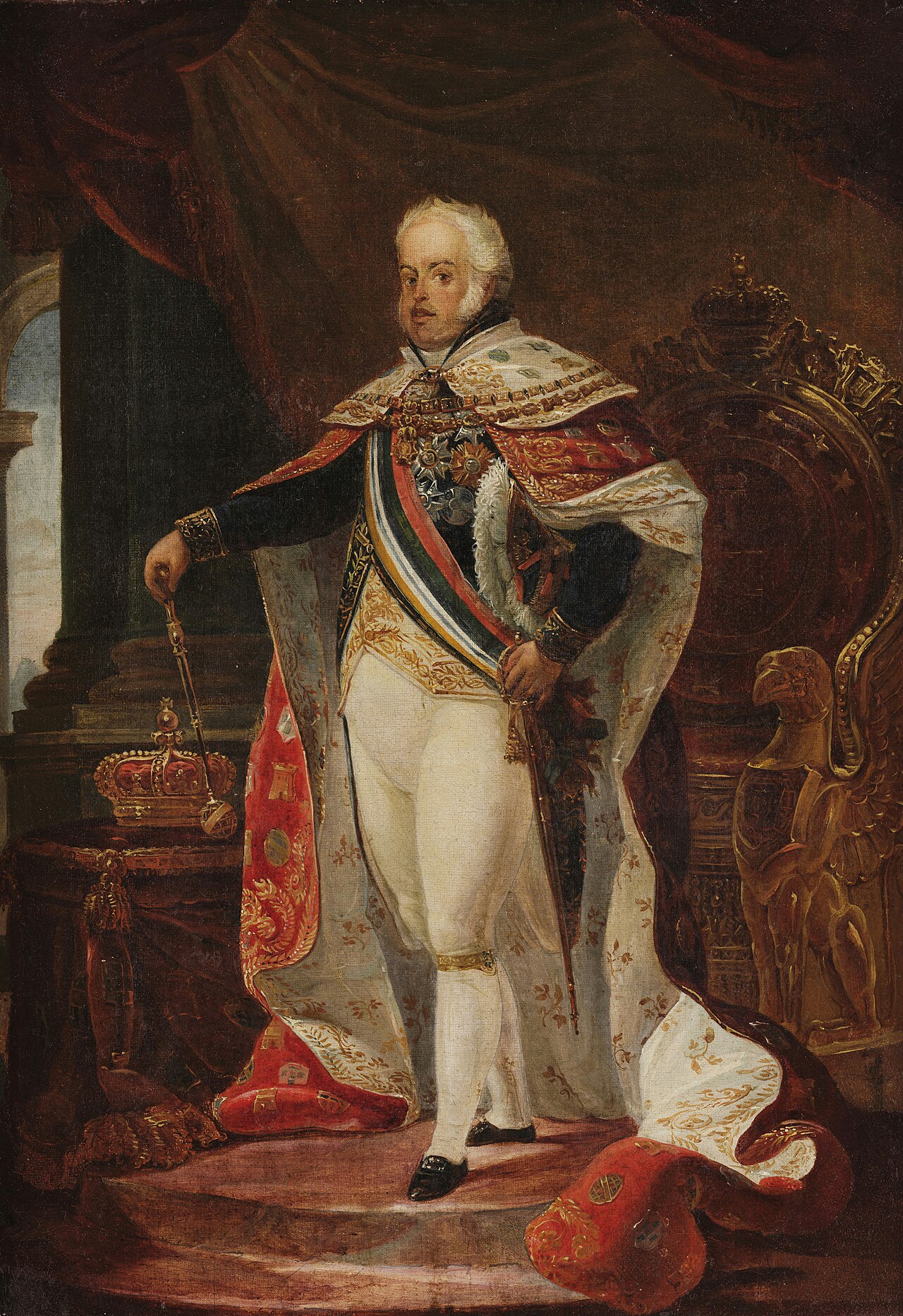
Portrait of Dom João VI by Jean-Baptiste Debret
Jean-Baptiste Debret · c. 1817
Free account
Read every John VI of Portugal source
Sign up free →
Ready when you are
Start chatting with John VI of Portugal now.
20 messages free · No credit card · Available in 50+ languages.