


Primary sourceArtifact1777-1780
Palace of Monza
Giuseppe Piermarini · 1777-1780
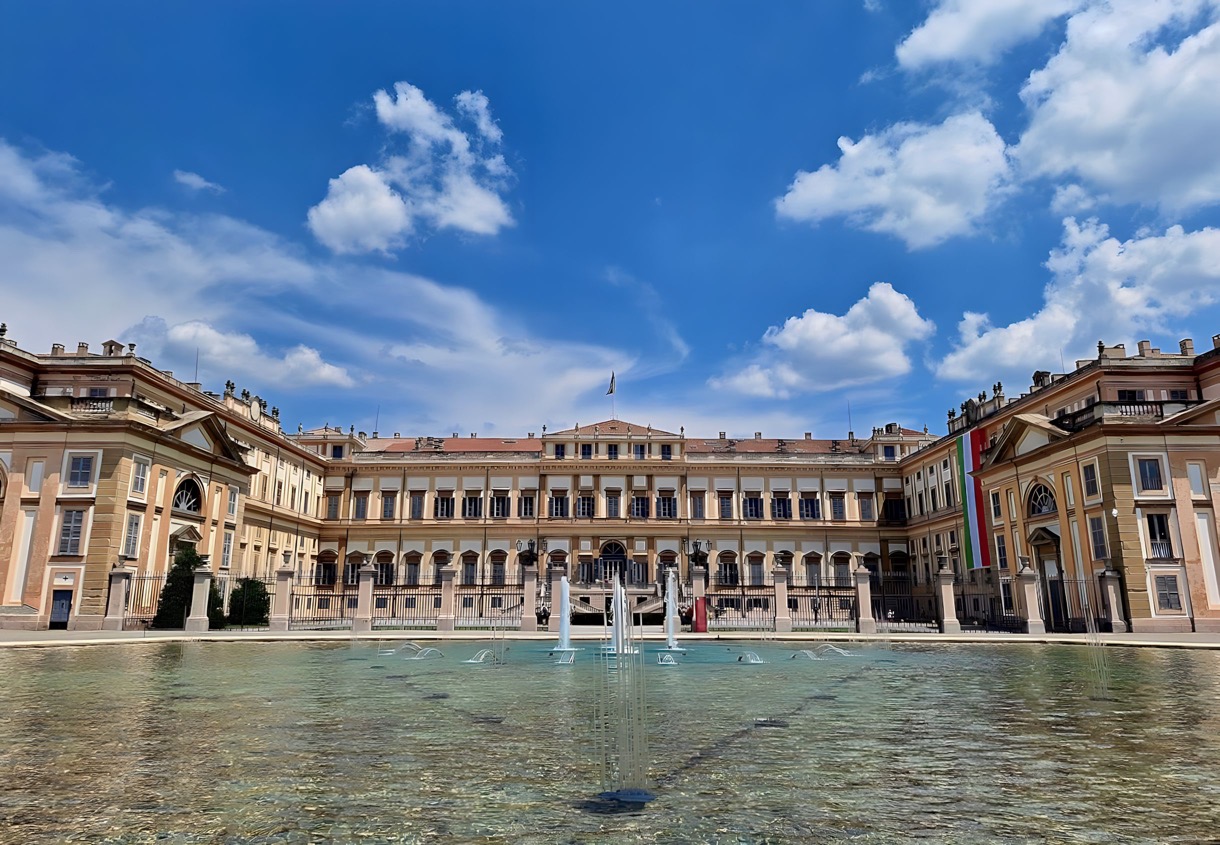
The Palace of Monza is a neoclassical royal villa built from 1777 to 1780 on Maria Theresa's commission as a summer residence for her son, Archduke Ferdinand.
Commissioned by her as a residence for her son Ferdinand, the villa shows her use of buildings to place her family in Italy.
About this source
What it is
The Palace of Monza, also called the Royal Villa, is a neoclassical palace in Monza, Italy. Its construction was commissioned by Empress Maria Theresa of Austria to be the summer residence of Archduke Ferdinand of Austria, governor of the Duchy of Milan. Giuseppe Piermarini built it between 1777 and 1780, and it was later enlarged. Its plan takes inspiration from Schönbrunn Palace and from the Royal Palace of Caserta. Monza was chosen partly because it lay on the way to the imperial capital. The villa later served Napoleon's viceroy Eugène de Beauharnais and then the Italian royal House of Savoy. Today it hosts exhibitions.
Why it matters
The villa shows how the Habsburgs placed their family in northern Italy. Its design links Vienna and Milan, and its later use by Napoleonic, Austrian and Savoyard rulers shows how the building passed between powers. The palace was abandoned after the murder of King Umberto I in Monza in 1900.
Look closer
- Why might the builders have chosen an east-west orientation for the facades?
- What does the choice of Monza, on the way to Vienna, tell us about the empire's plans for its Italian lands?
- Who is missing from a building photograph, and whose lives in the palace are not shown?
This artifact is part of the curated material that grounds the AI version of Maria Theresa and Umberto I of Italy on Humy.ai — when students ask about related events, the AI can quote it and cite it.
More Maria Theresa sources
Browse all 96 →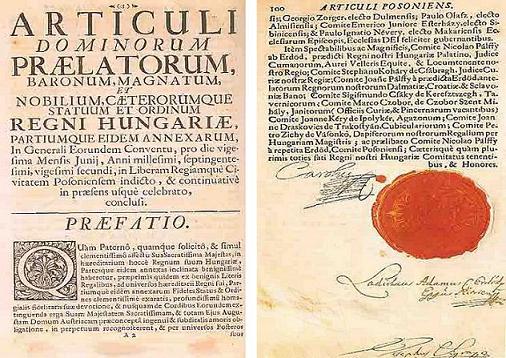 Document
Primary source
Pragmatic Sanction of 1713
Charles VI, Holy Roman Emperor · 1713
 Speech
Primary source
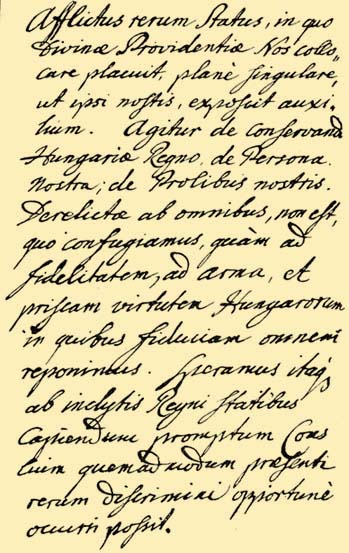
Address to the Hungarian Diet at Pressburg
Maria Theresa · 11 September 1741
 Artifact
Primary source
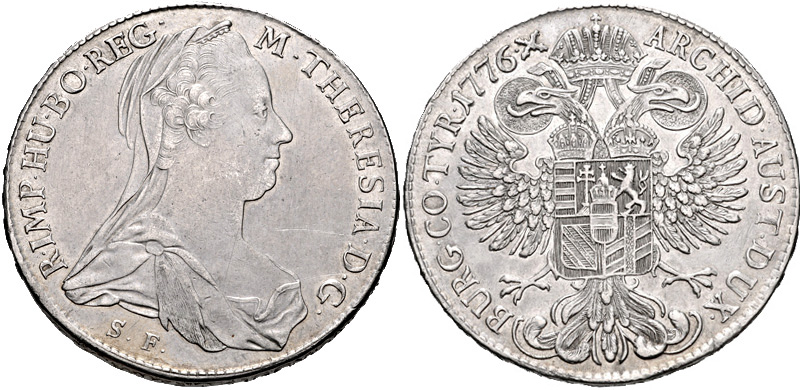
Maria Theresa Thaler
first minted 1741, this example dated 1780 (struck 1776)
 Painting
Primary source
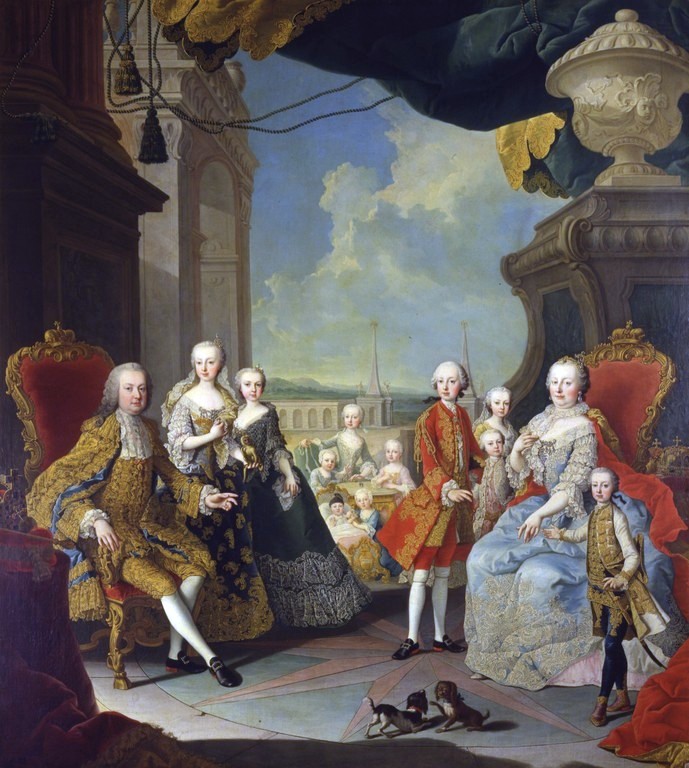
Franz Stephan and Maria Theresa Surrounded by Their Family
Martin van Meytens · 1754
Free account
Read every Maria Theresa source
Sign up free →
Ready when you are
Start chatting with Maria Theresa now.
20 messages free · No credit card · Available in 50+ languages.