


Primary sourceDocument1713
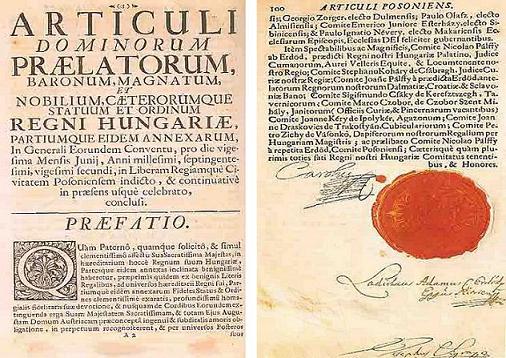
Pragmatic Sanction of 1713
Charles VI, Holy Roman Emperor · 1713
An imperial edict by Charles VI securing Habsburg succession, later used by Deák as the legal basis for Hungary's 'common affairs' argument.
Deák based his argument for Hungarian autonomy within the monarchy on this earlier imperial act.
About this source
What it is
This document is an edict issued in 1713 by Holy Roman Emperor Charles VI, allowing the Habsburg lands, including the Kingdom of Hungary, to be inherited by a daughter if there were no sons. It was formally accepted by various courts and estates across Europe.
Why it matters
Decades later, Ferenc Deák used this old imperial act as a legal foundation for his argument that Austria and Hungary shared only certain 'common affairs' such as foreign policy, defence and finance, while all else should remain separate. This reasoning became central to the 1867 Compromise that reshaped the relationship between Hungary and Austria.
Look closer
- Why would a legal document from 1713 still matter for political arguments more than 150 years later?
- What does it show about how politicians like Deák used old laws to support new political goals?
- What is missing from this document that later debates had to fill in?
This document is part of the curated material that grounds the AI version of Ferenc Deák, Maria Theresa and Charles VI, Holy Roman Emperor on Humy.ai — when students ask about related events, the AI can quote it and cite it.
More Ferenc Deák sources
Browse all 90 →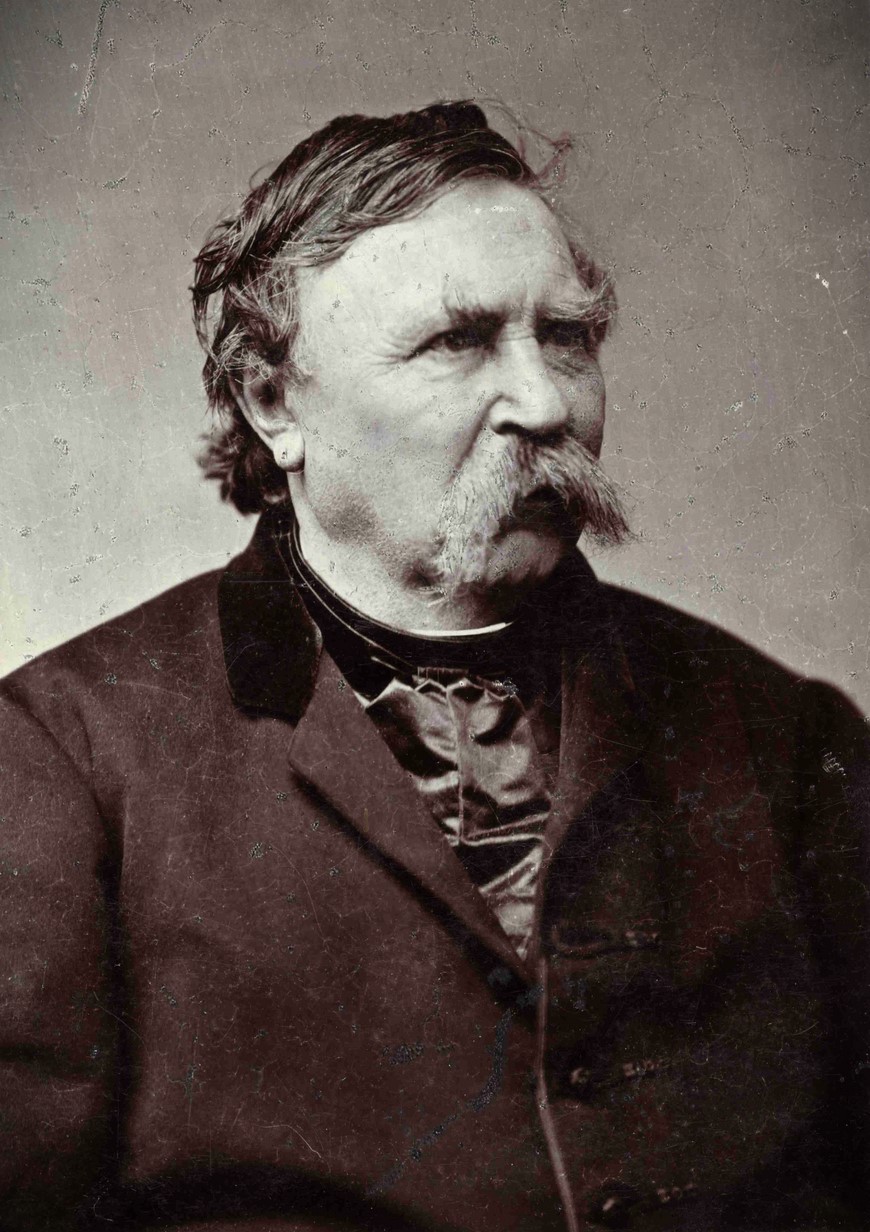 Photograph
Primary source
Portrait of Ferenc Deák
 Document
Primary source
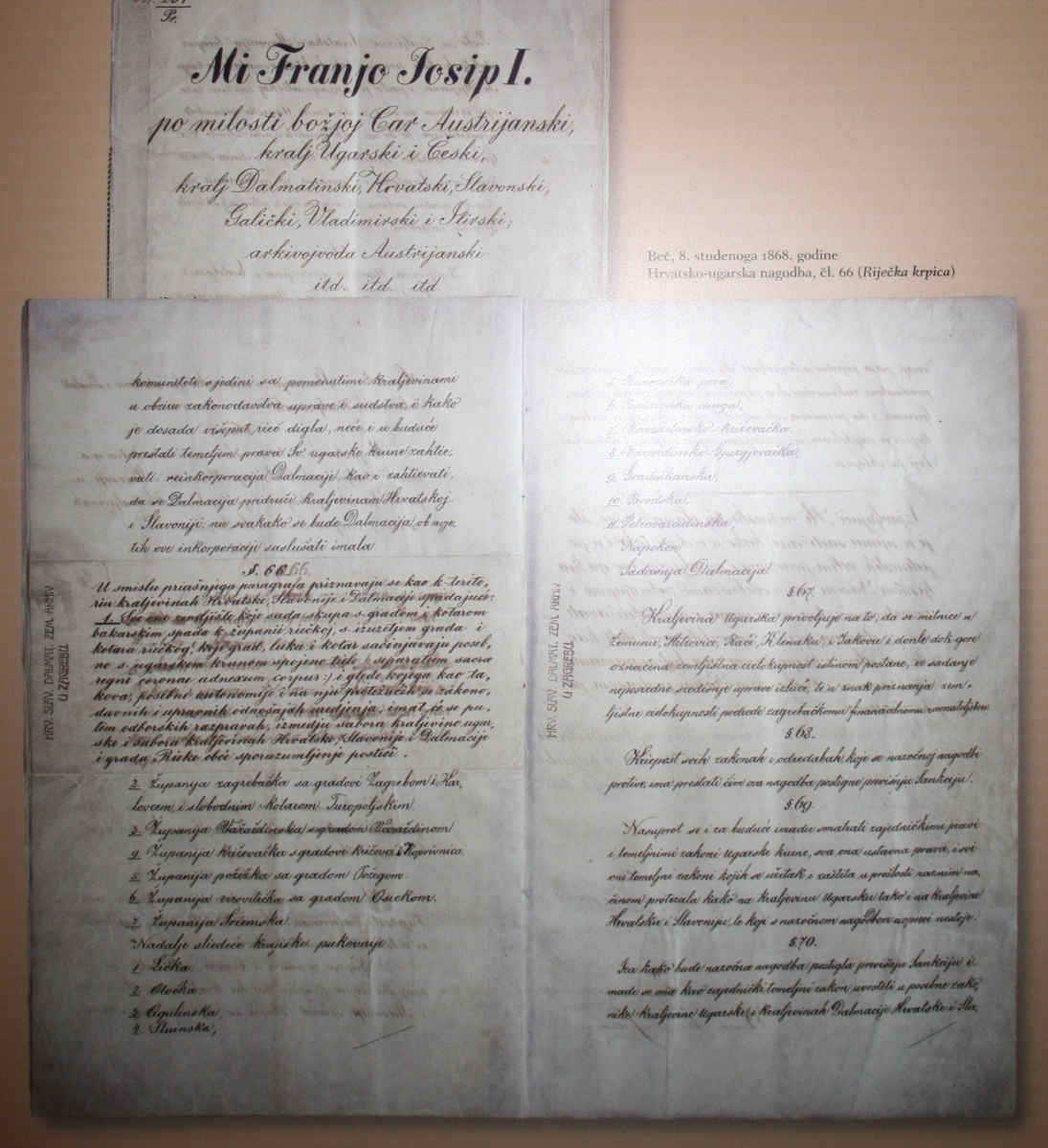
Croatian–Hungarian Settlement
1868
 Painting
Secondary source
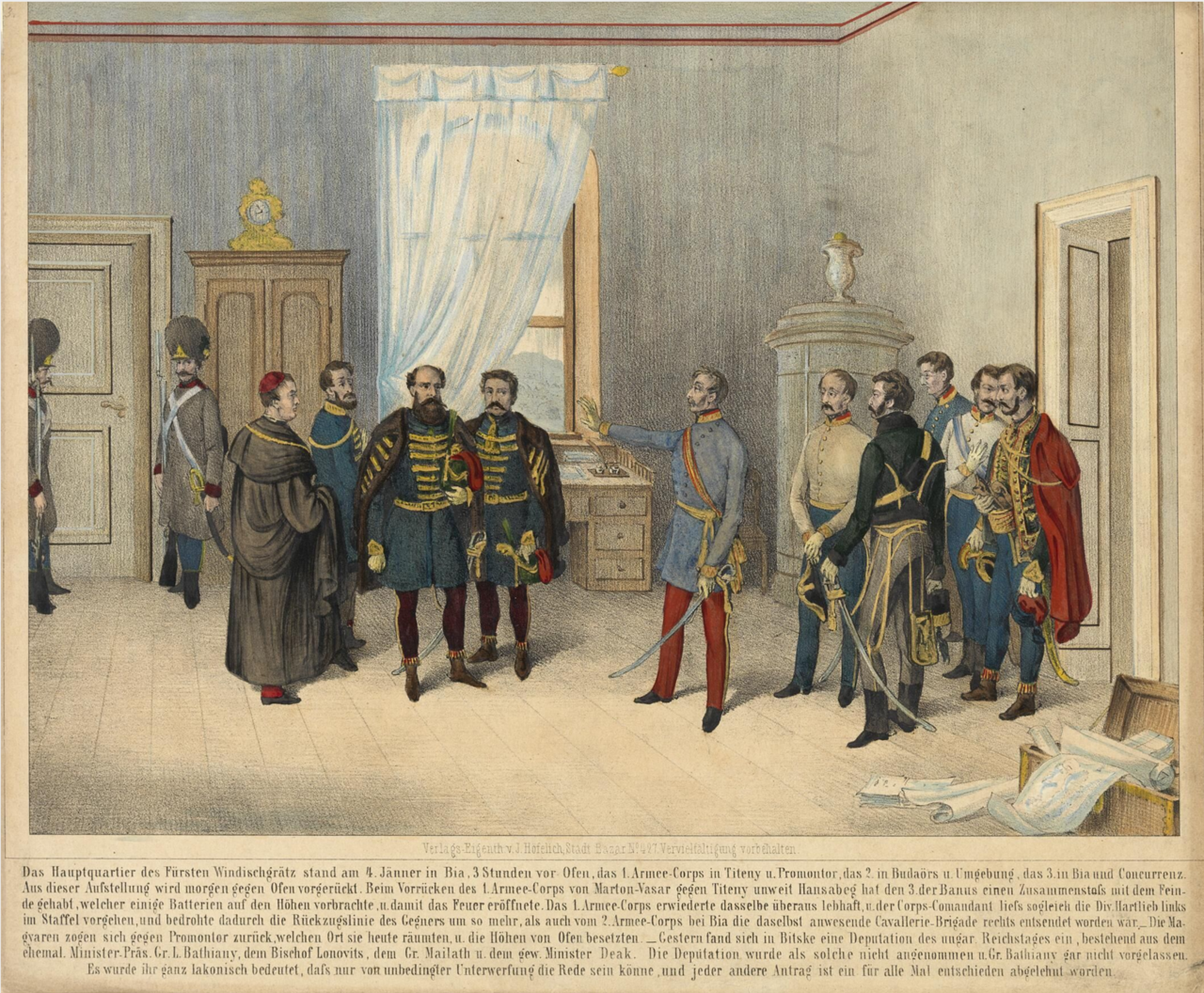
Windischgrätz Refuses to Talk to the Hungarian Parliamentary Delegation
Vinzenz Katzler · 1849 (depicted); print later
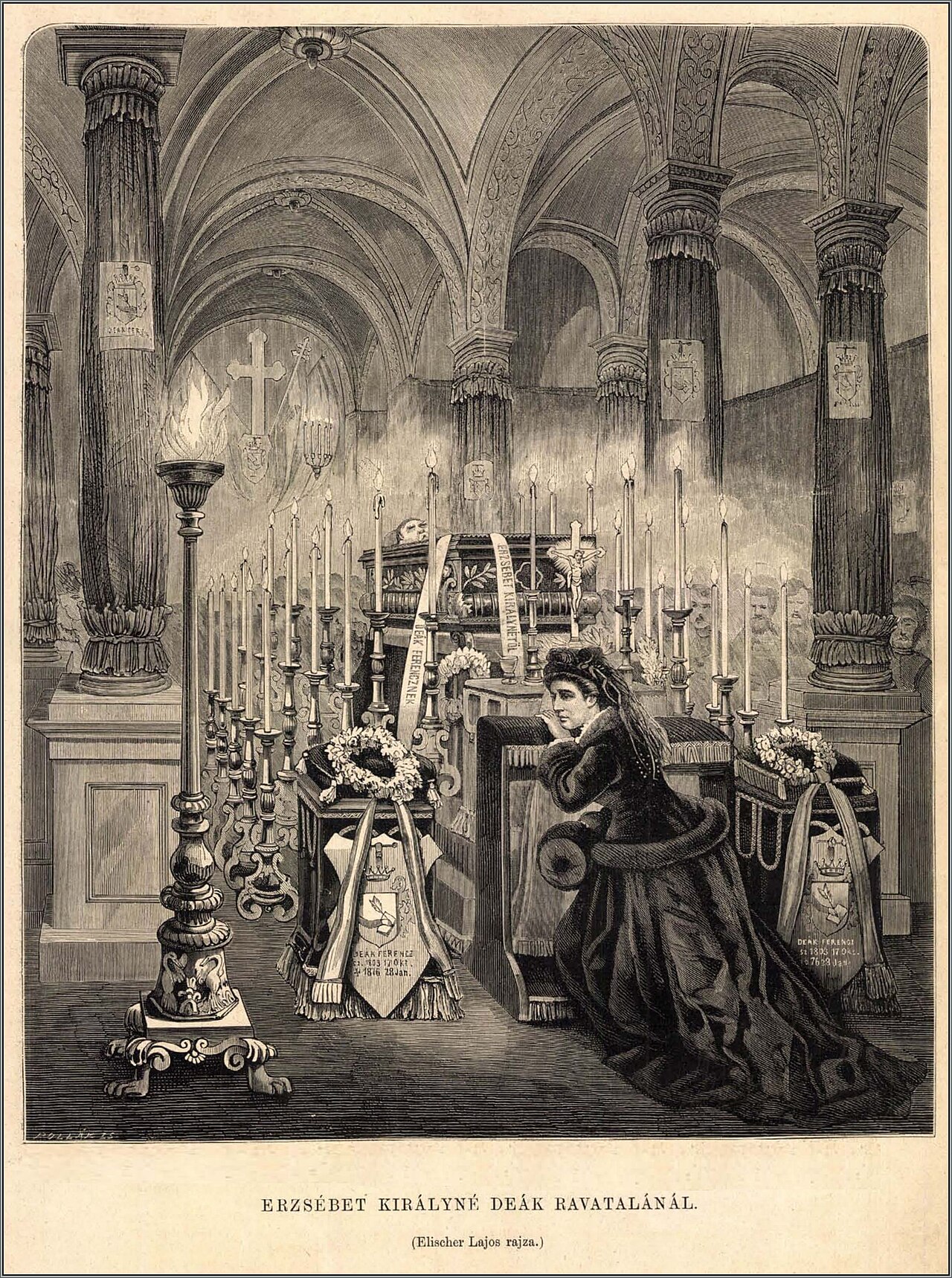 Painting
Secondary source
Erzsébet királyné Deák ravatalánál
Lajos Elischer · 1876

Free account
Read every Ferenc Deák source
Sign up free →
Ready when you are
Start chatting with Ferenc Deák now.
20 messages free · No credit card · Available in 50+ languages.