


Primary sourceArtifact1889-1913
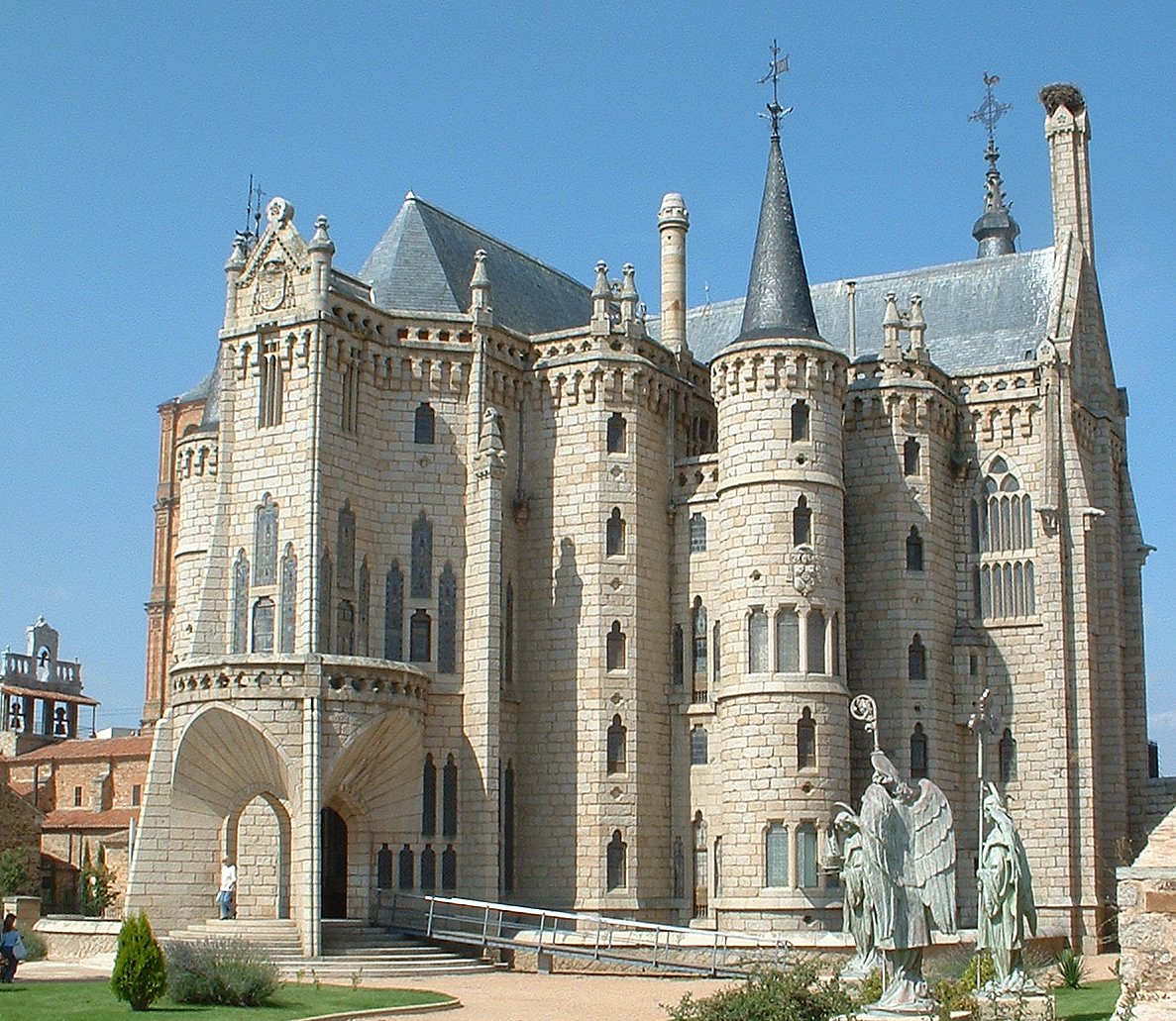
Palacio Episcopal de Astorga
Antoni Gaudí · 1889-1913
A neo-Gothic bishop's palace in Astorga designed by Antoni Gaudí, one of his few commissions outside Catalonia.
Gaudí designed this palace for his friend Bishop Grau, one of his few works outside Catalonia.
About this source
What it is
This gray granite palace in Astorga, Spain, was designed by Antoni Gaudí beginning in 1889, commissioned by his friend Bishop Juan Bautista Grau y Vallespinos after the earlier palace burned down. Construction continued after Gaudí resigned in 1893, finishing between 1907 and 1915 under another architect. It is now a museum dedicated to the Way of Santiago.
Why it matters
The palace shows Gaudí's early neo-Gothic style, designed to match the nearby cathedral, while also hinting at features he would use later, such as integrated chimneys and buttressed arches. Gaudí never visited the site in person during the design stage, working instead from photographs sent by Bishop Grau, showing how personal relationships shaped his commissions.
Look closer
- How might designing from photographs rather than visiting in person have shaped Gaudí's choices?
- What does the unfinished angel sculpture tell you about how buildings can change from their original plans?
- Why do you think Gaudí resigned before the building was finished?
This artifact is part of the curated material that grounds the AI version of Antonio Gaudí on Humy.ai — when students ask about related events, the AI can quote it and cite it.
More Antonio Gaudí sources
Meet the AI Antonio Gaudí →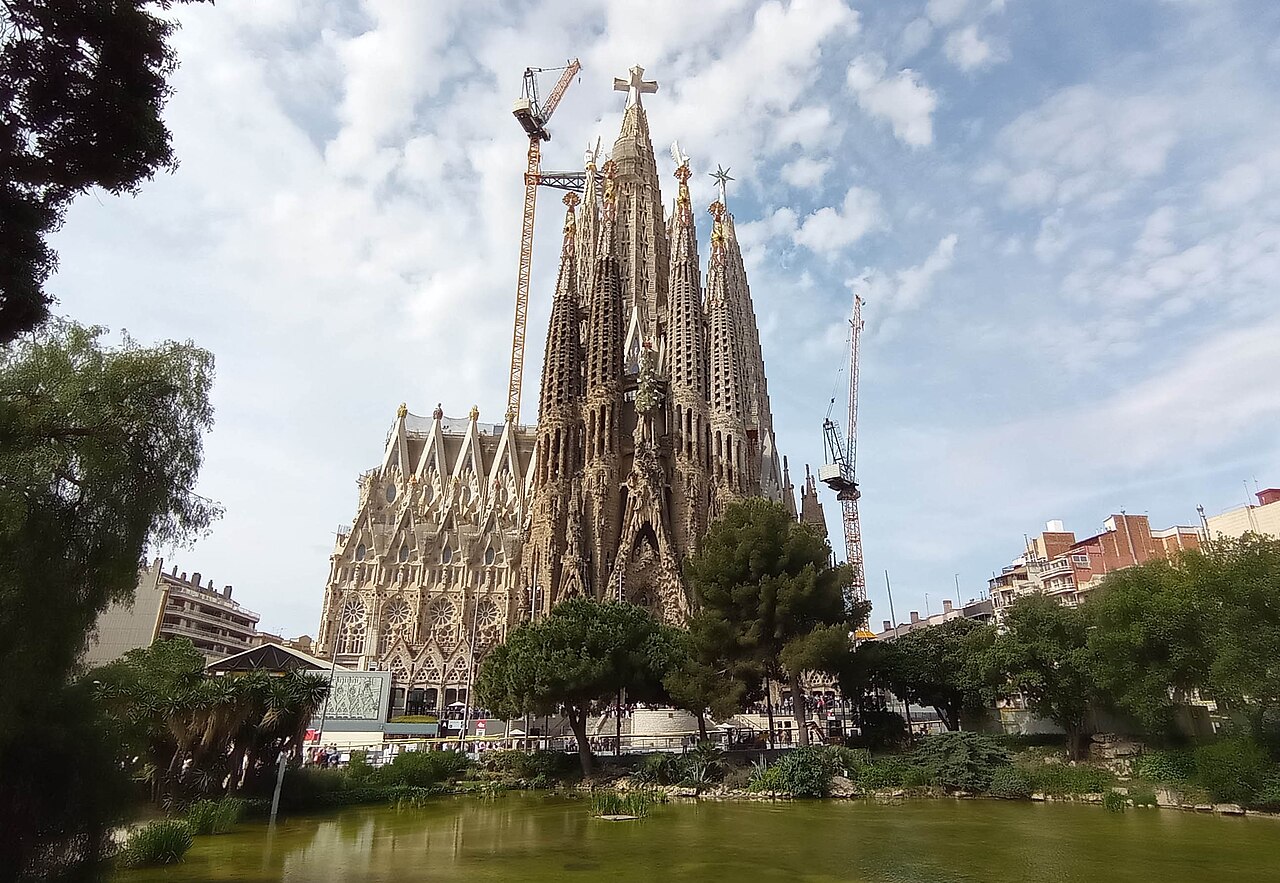 Artifact
Primary source
Sagrada Família
Antoni Gaudí · begun 1882, redesigned by Gaudí from 1883, still under construction
 Artifact
Primary source
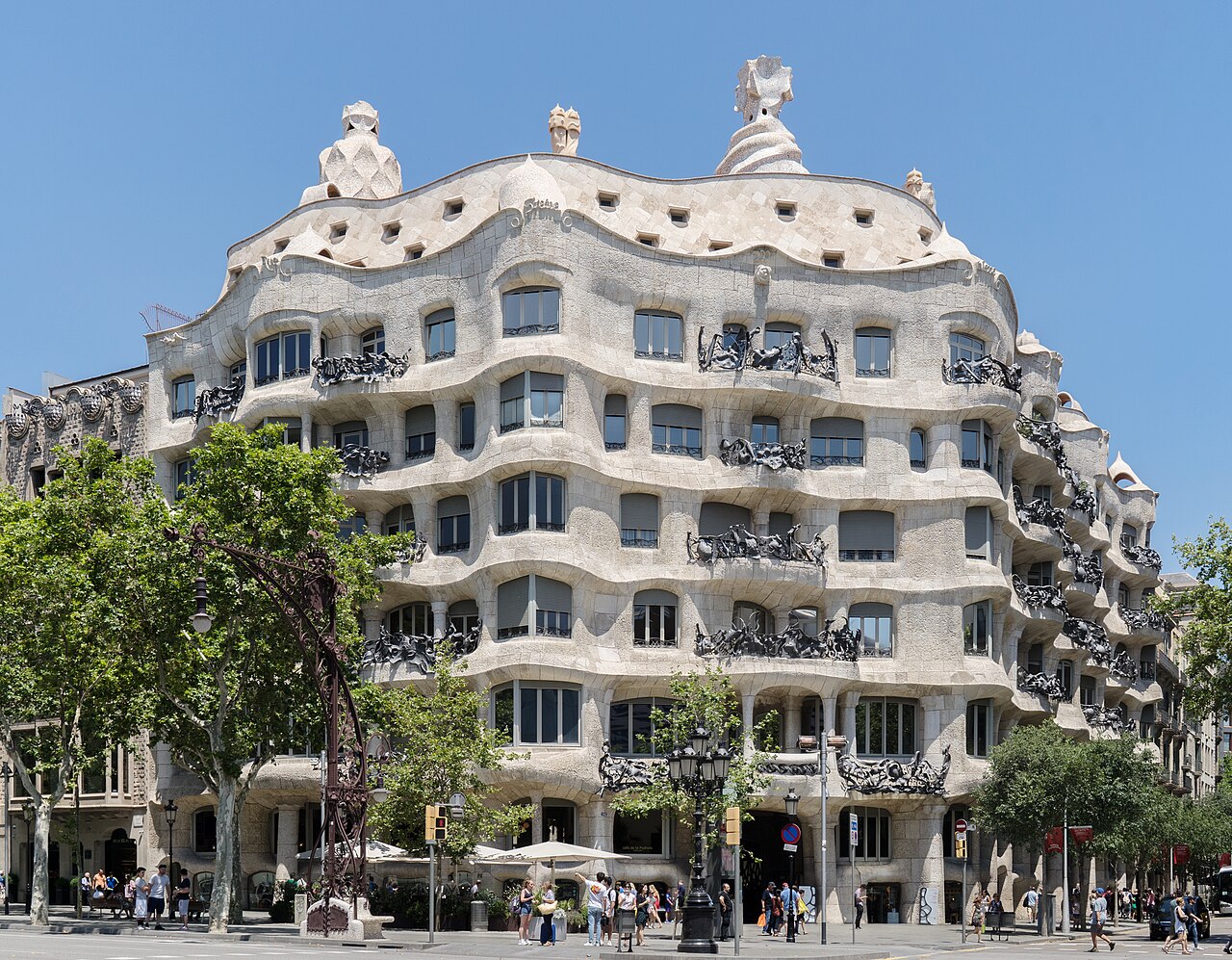
Casa Milà
Antoni Gaudí · 1906-1912
 Artifact
Primary source
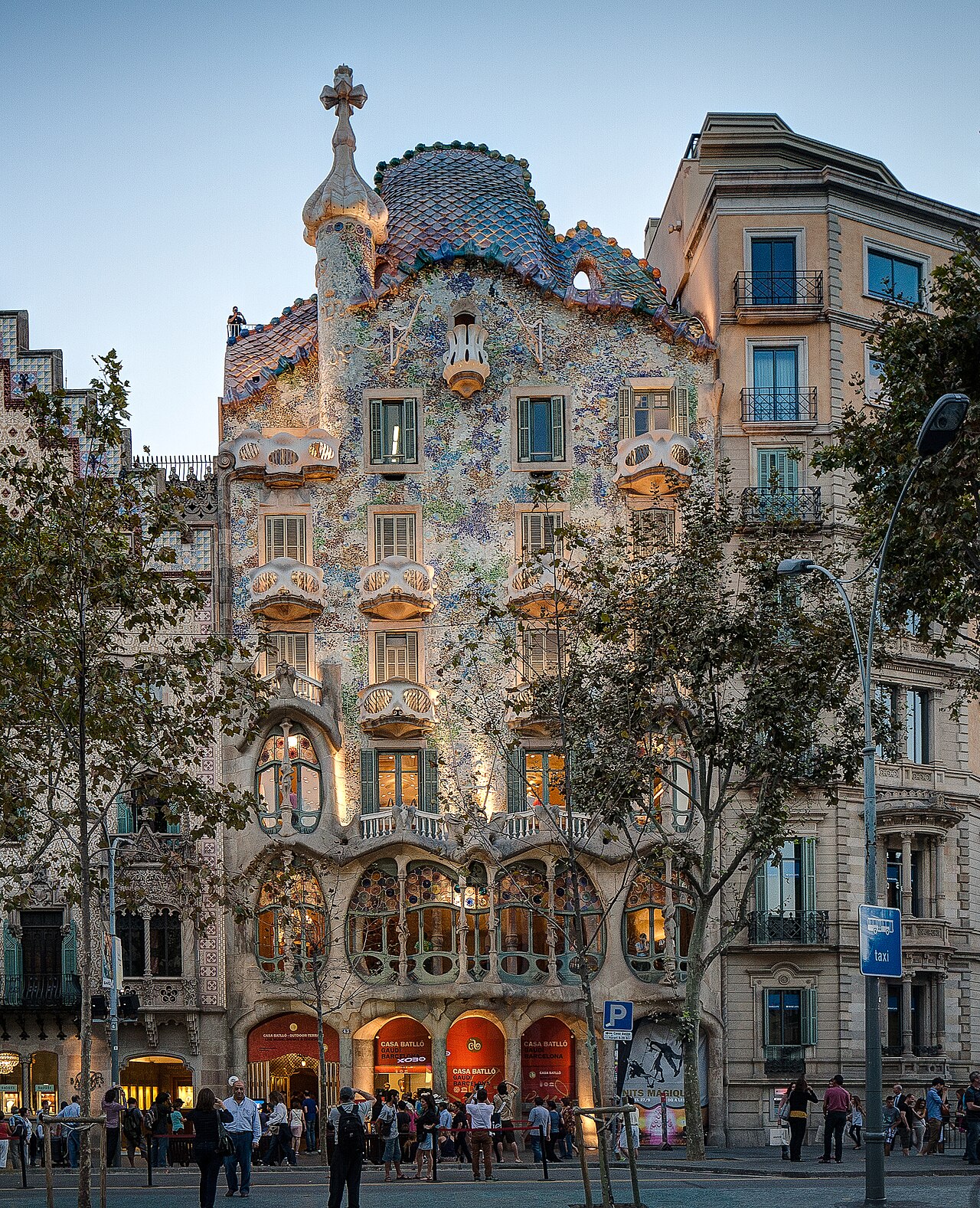
Casa Batlló
Antoni Gaudí · remodelled 1904-1906
 Artifact
Primary source
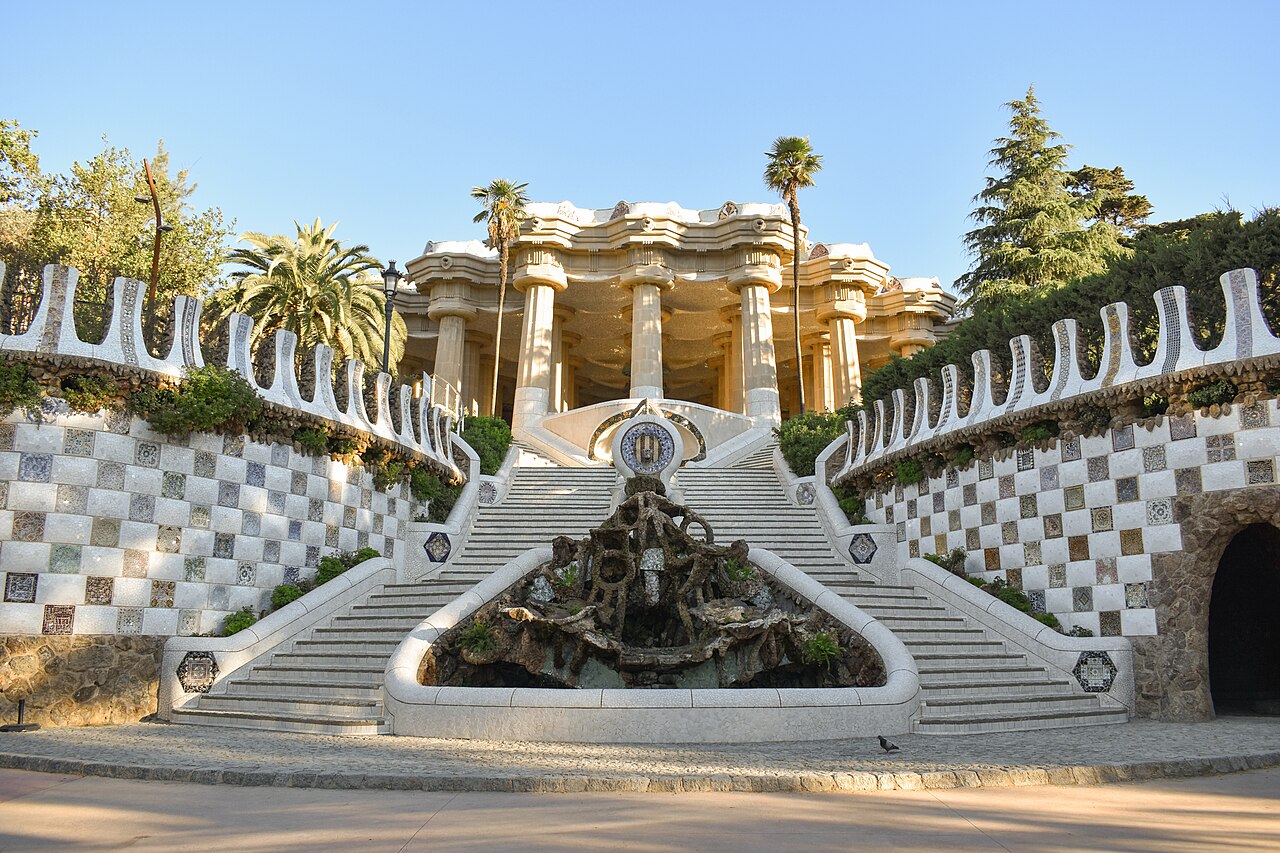
Park Güell
Antoni Gaudí · 1900-1914, opened 1926
 Artifact
Primary source
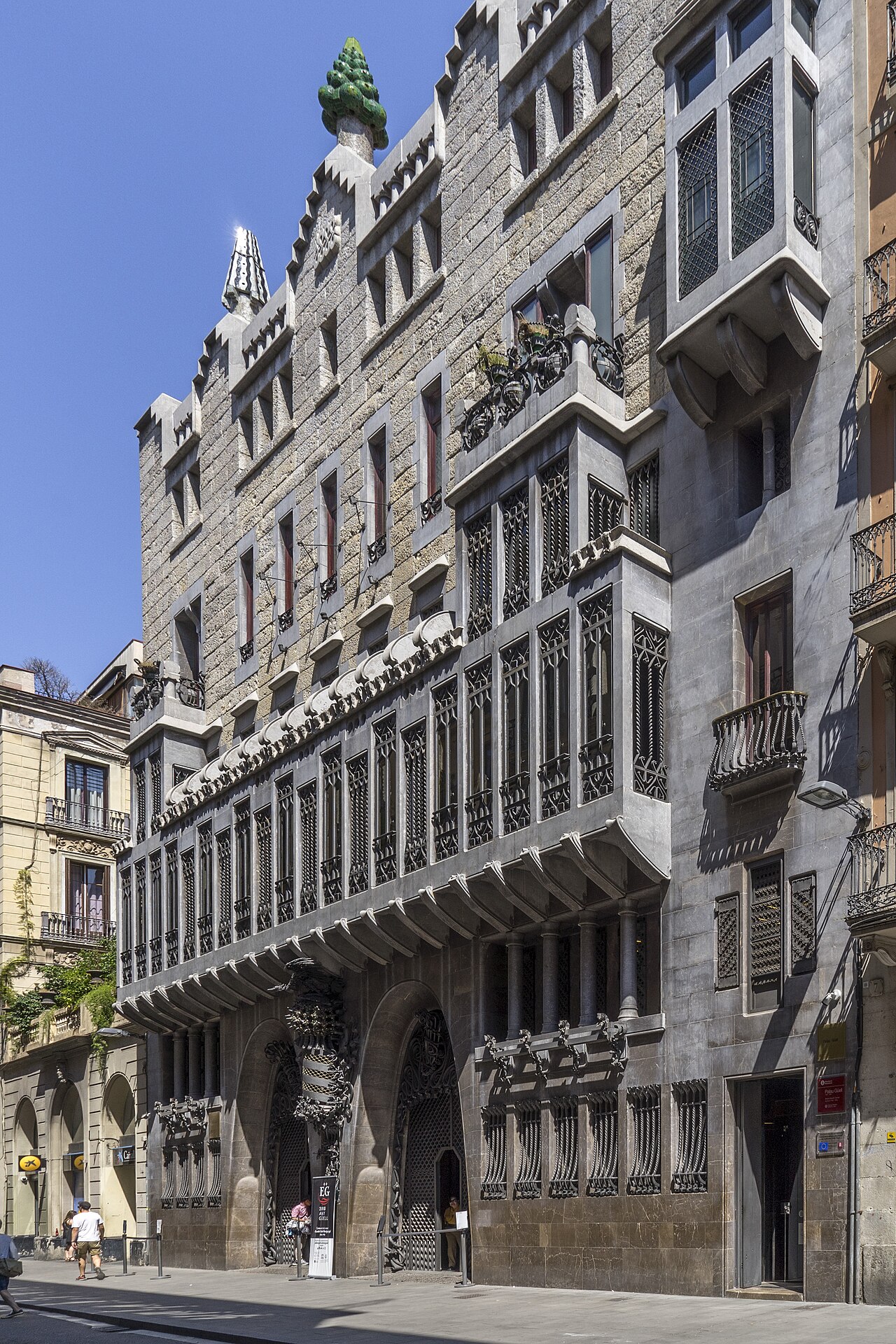
Palau Güell
Antoni Gaudí · 1886-1888
Ready when you are
Start chatting with Antonio Gaudí now.
20 messages free · No credit card · Available in 50+ languages.