


Secondary sourceArtifact
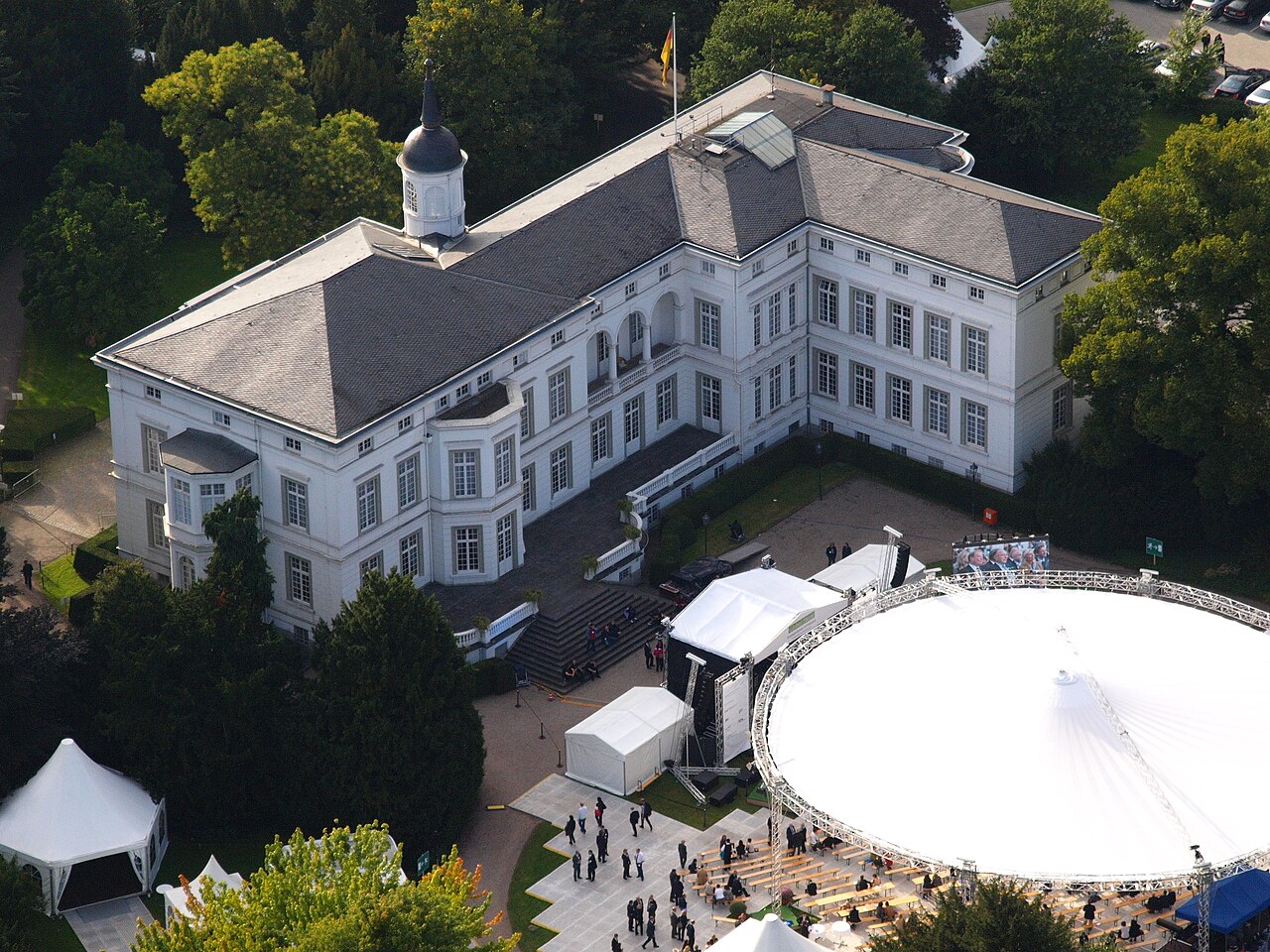
Palais Schaumburg
A neoclassical villa in Bonn that served as Adenauer's chancellery and official residence from 1949.
Palais Schaumburg was Adenauer's chancellery from 1949, the seat of his style of governing.
About this source
What it is
Palais Schaumburg is a neoclassical building in Bonn, built in the mid-19th century as a private villa. From 1949 it became the main official seat of the German Federal Chancellery and the Chancellor's residence, remaining in secondary use for this purpose today.
Why it matters
This building was where Konrad Adenauer, the first Chancellor of West Germany, worked and governed during the founding years of the Bonn Republic. It became the physical symbol of what historians call his 'chancellor democracy', a style of governing centred strongly on the chancellor's office. Adenauer received important guests here, including early steps toward European cooperation.
Look closer
- Why might a government choose a grand old villa rather than a new building for its leader's offices?
- What does the choice of this building suggest about how West Germany wanted to present itself after World War II?
- What is missing from a photograph of a building that you would need other sources to understand?
This artifact is part of the curated material that grounds the AI version of Konrad Adenauer and Helmut Kohl on Humy.ai — when students ask about related events, the AI can quote it and cite it.
More Konrad Adenauer sources
Browse all 96 →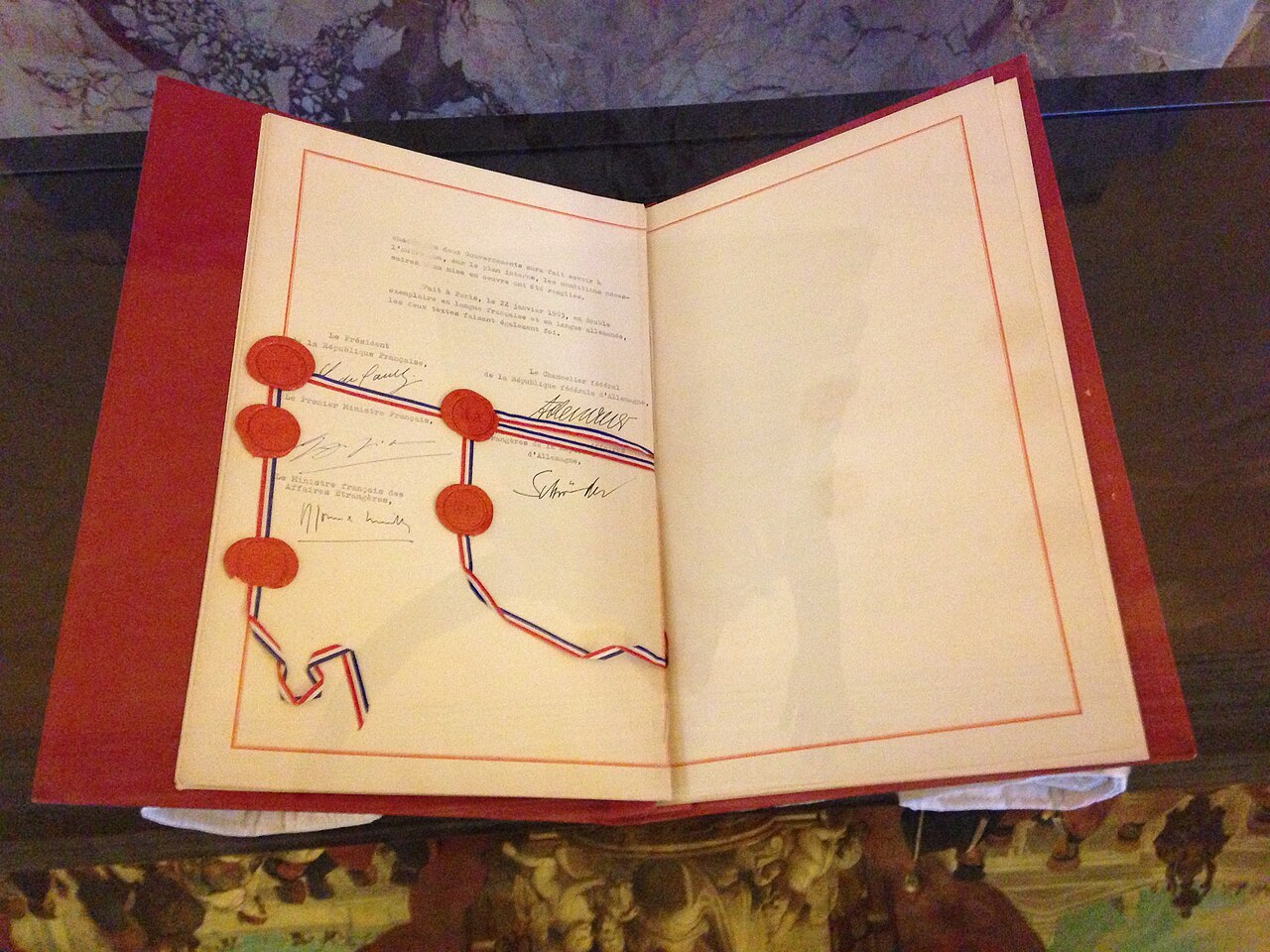 Document
Primary source
Élysée Treaty
22 January 1963
 Document
Primary source
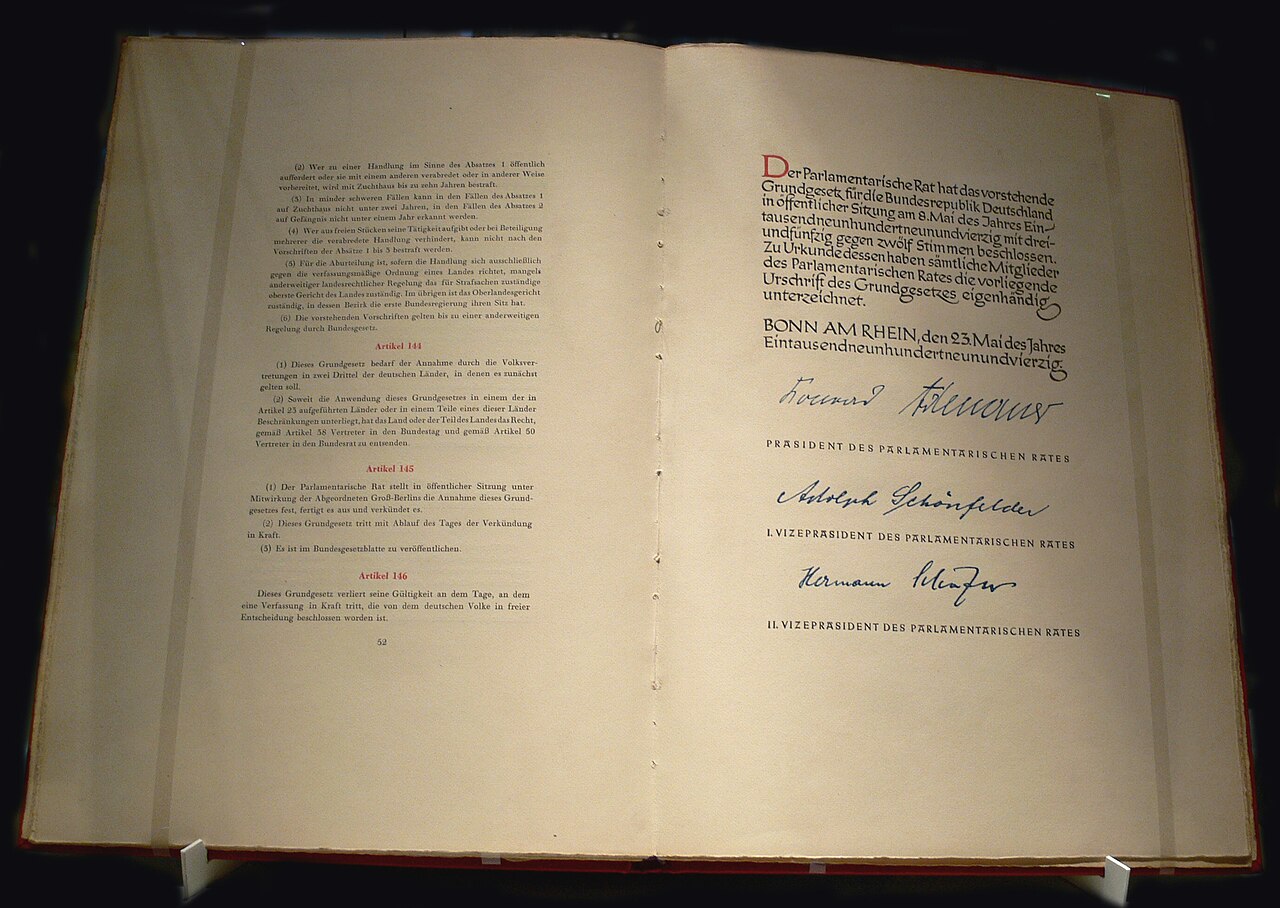
Basic Law for the Federal Republic of Germany
Carlo Schmid · 23 May 1949
 Painting
Primary source
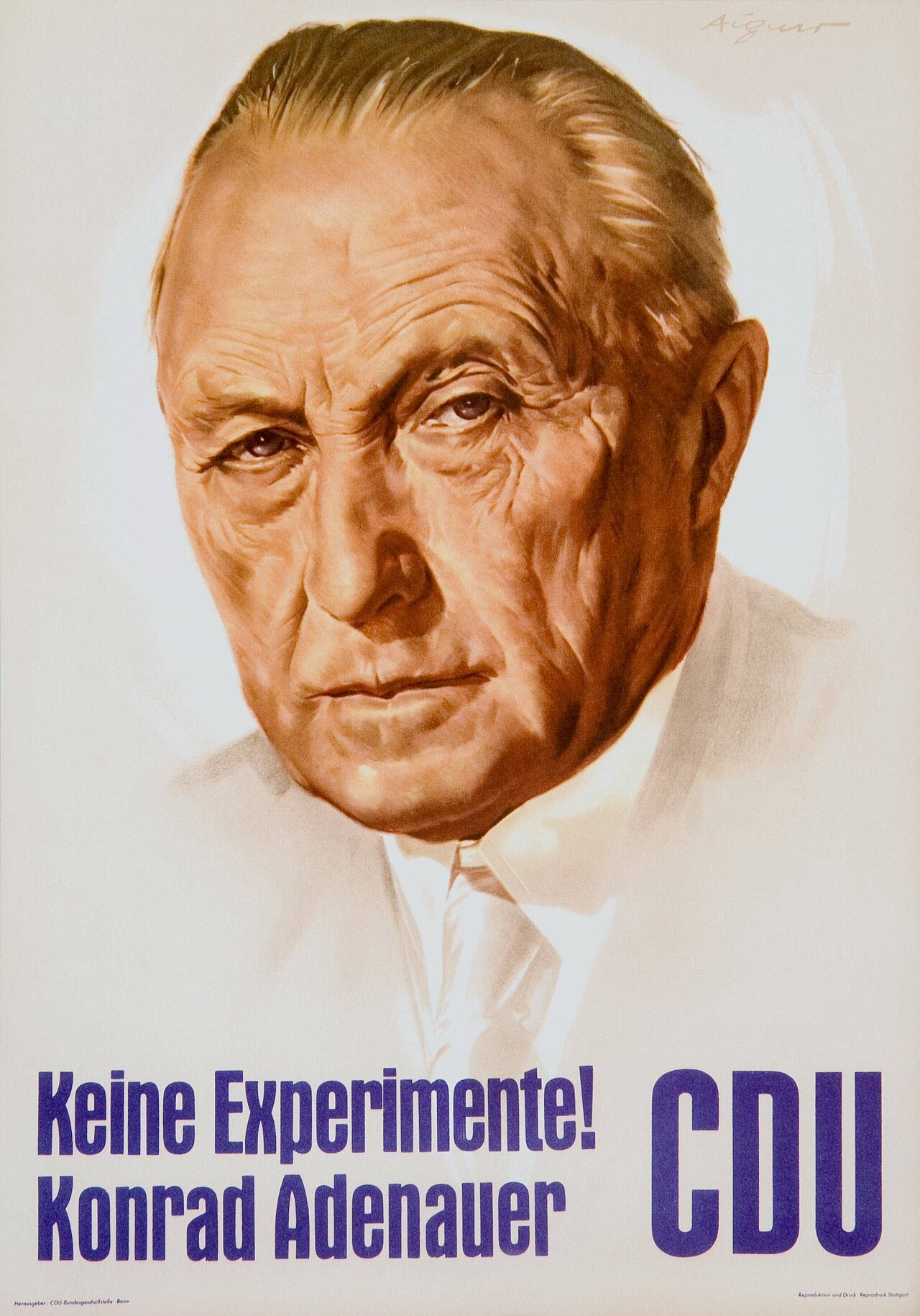
"Keine Experimente!" CDU Election Poster
Paul Aigner · 1957
 Document
Primary source
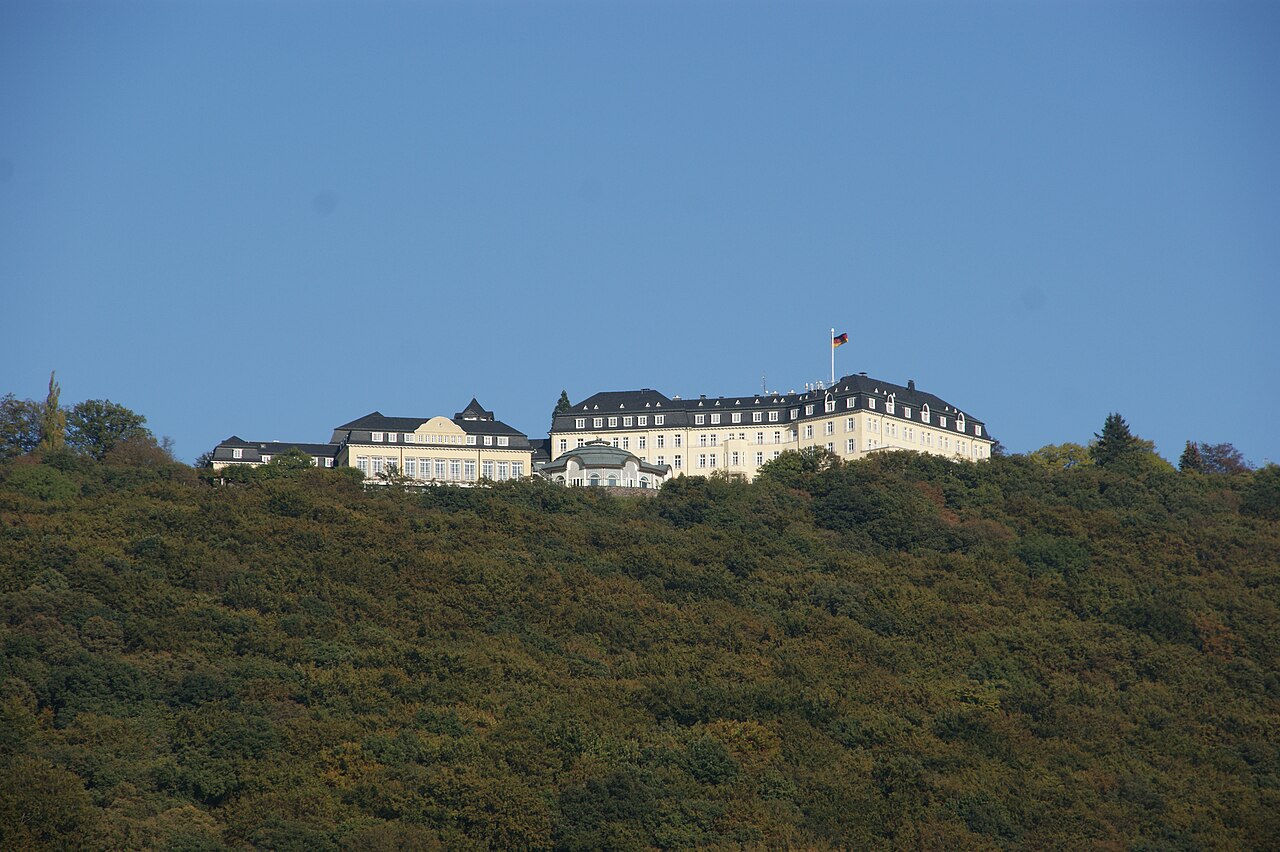
Petersberg Agreement
22 November 1949
Free account
Read every Konrad Adenauer source
Sign up free →
Ready when you are
Start chatting with Konrad Adenauer now.
20 messages free · No credit card · Available in 50+ languages.