


Primary sourcePaintingc. 1482
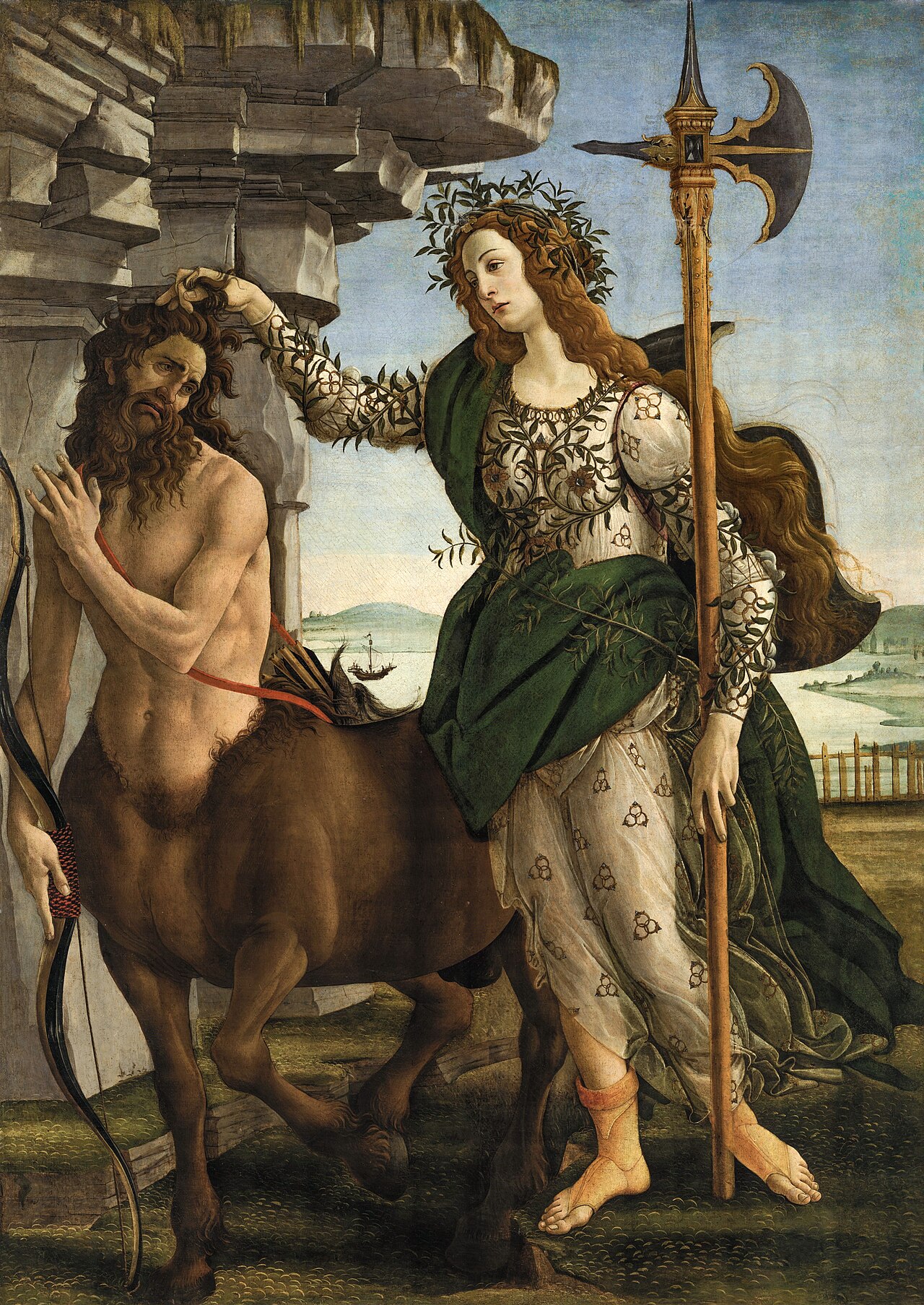
Pallas and the Centaur
Sandro Botticelli · c. 1482
A mythological allegory by Botticelli showing a goddess-like figure restraining a centaur, likely commissioned by the Medici family.
A major mythological commission by Botticelli, likely made for his Medici patrons.
About this source
What it is
Painted around 1482 by Sandro Botticelli, this large tempera work shows a female figure, usually identified as Pallas/Minerva, gripping a centaur by the hair. It hangs in the Uffizi Gallery in Florence and may have been a companion piece to Botticelli's Primavera.
Why it matters
The dress of the female figure carries the Medici family's ring emblem, showing this was likely commissioned for the Medici, possibly as a wedding gift connected to Lorenzo di Pierfrancesco de' Medici's marriage. The painting is read as an allegory of reason overcoming passion, and reflects the classical learning and Neo-Platonist ideas fashionable among Botticelli's Medici patrons.
Look closer
- What does the centaur represent, and how is this shown through his pose and expression?
- How does the woman's calm expression contrast with the centaur's?
- Why might a wealthy family want a painting with hidden political or personal meaning rather than an obvious one?
This painting is part of the curated material that grounds the AI version of Sandro Botticelli on Humy.ai — when students ask about related events, the AI can quote it and cite it.
More Sandro Botticelli sources
Browse all 95 →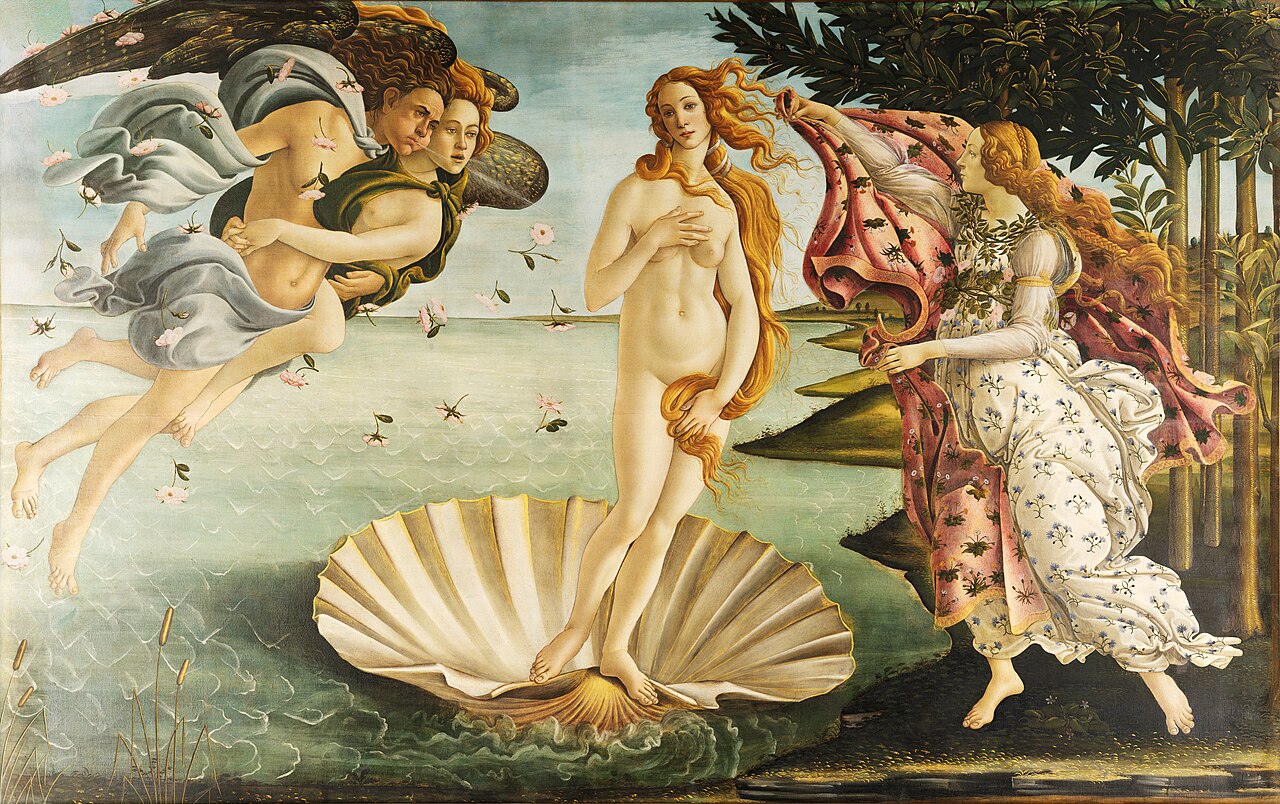 Painting
Primary source
The Birth of Venus
Sandro Botticelli · 1485
 Painting
Primary source
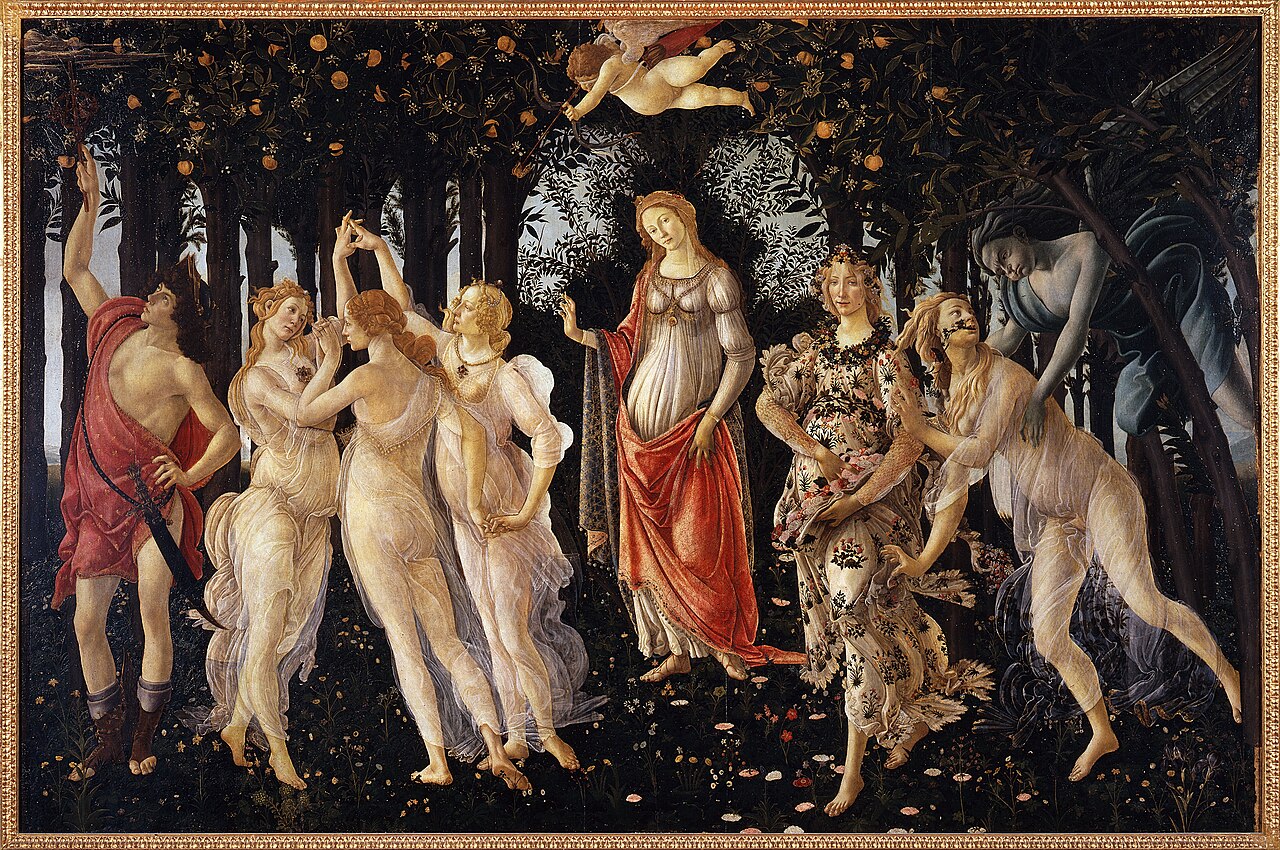
Primavera
Sandro Botticelli · 1480
 Painting
Primary source
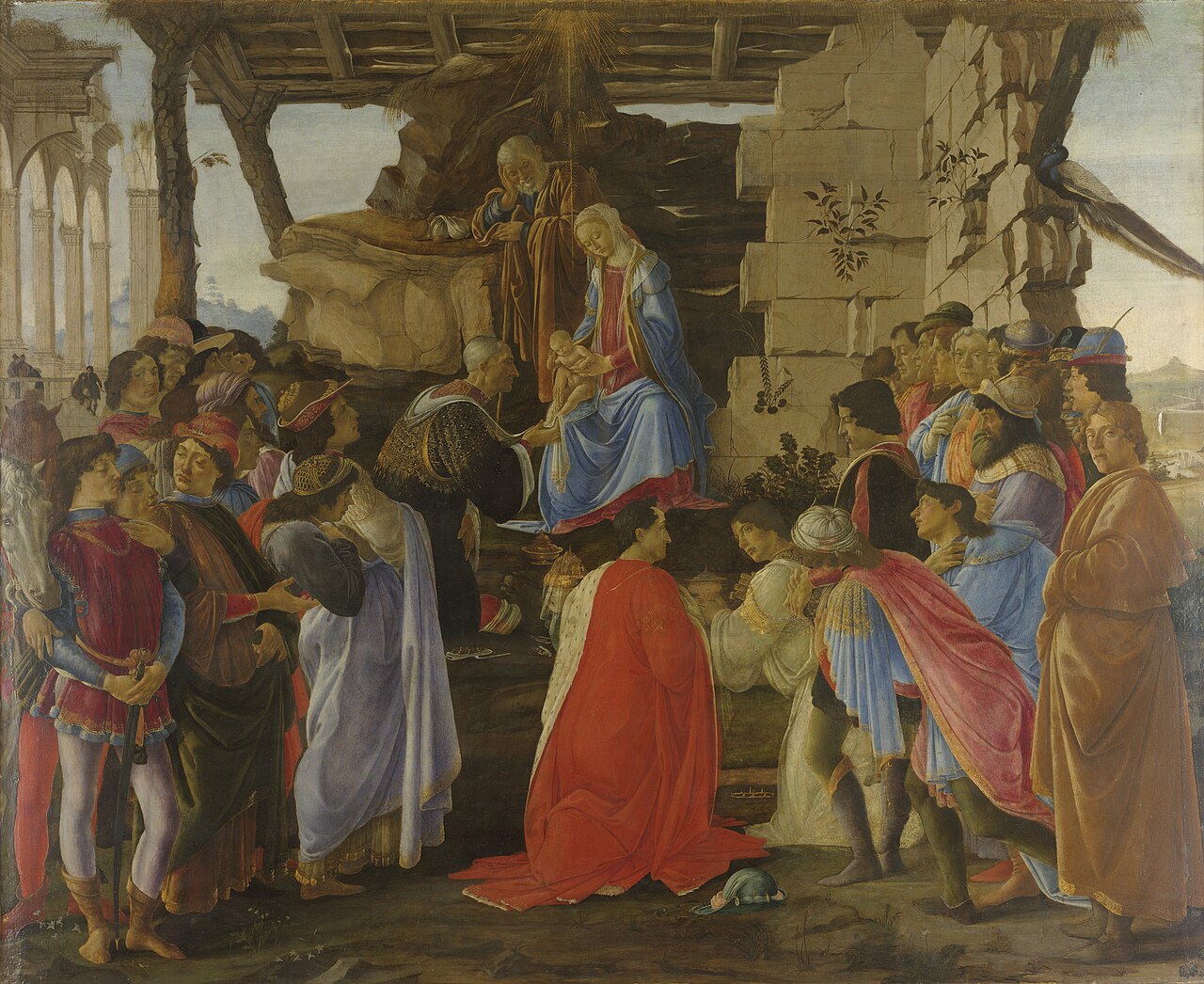
Adoration of the Magi
Sandro Botticelli · c. 1475
 Painting
Primary source
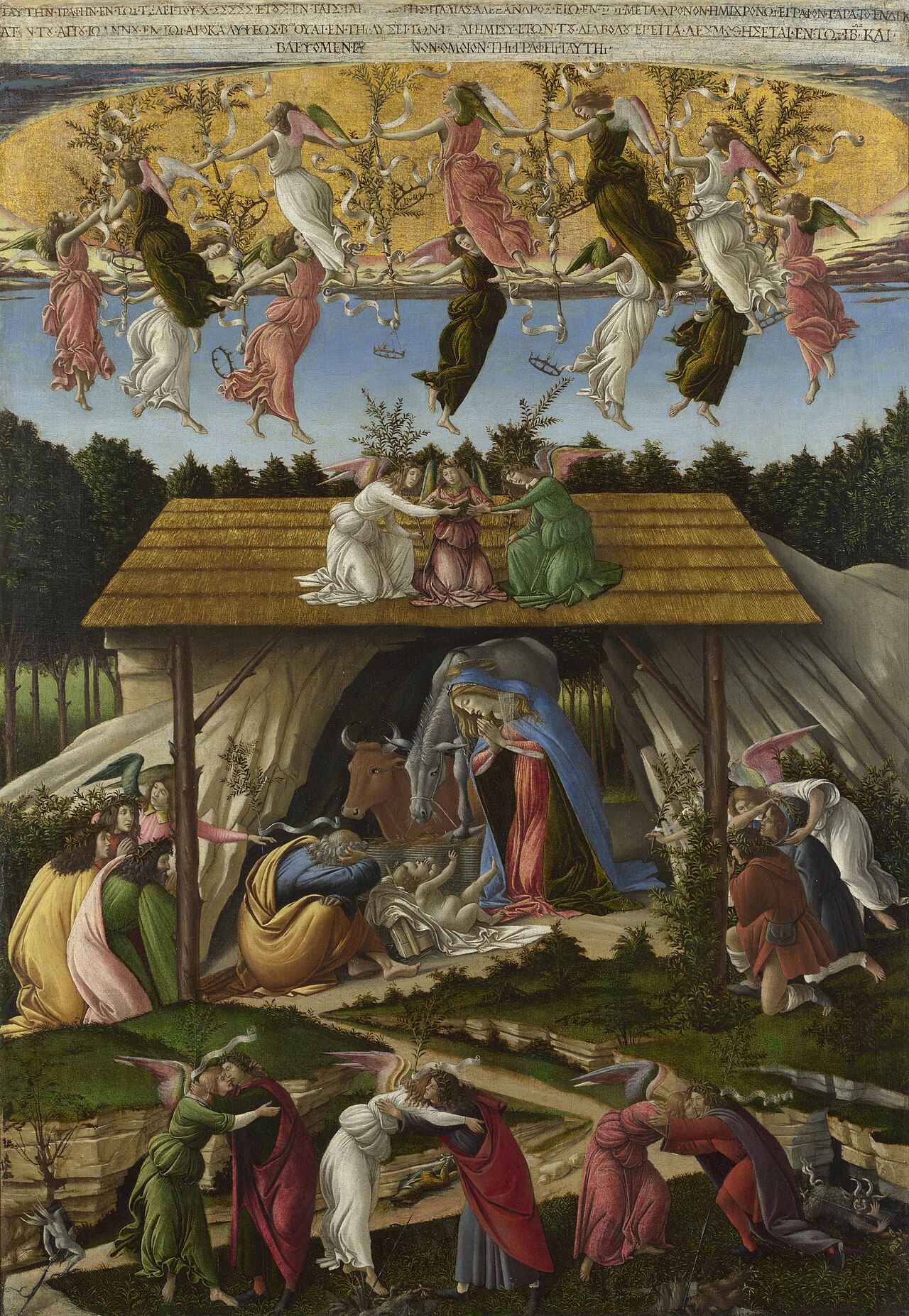
The Mystical Nativity
Sandro Botticelli · 1500-1501
Free account
Read every Sandro Botticelli source
Sign up free →
Ready when you are
Start chatting with Sandro Botticelli now.
20 messages free · No credit card · Available in 50+ languages.