


Primary sourcePainting1898
Pallas Athena
Gustav Klimt · 1898
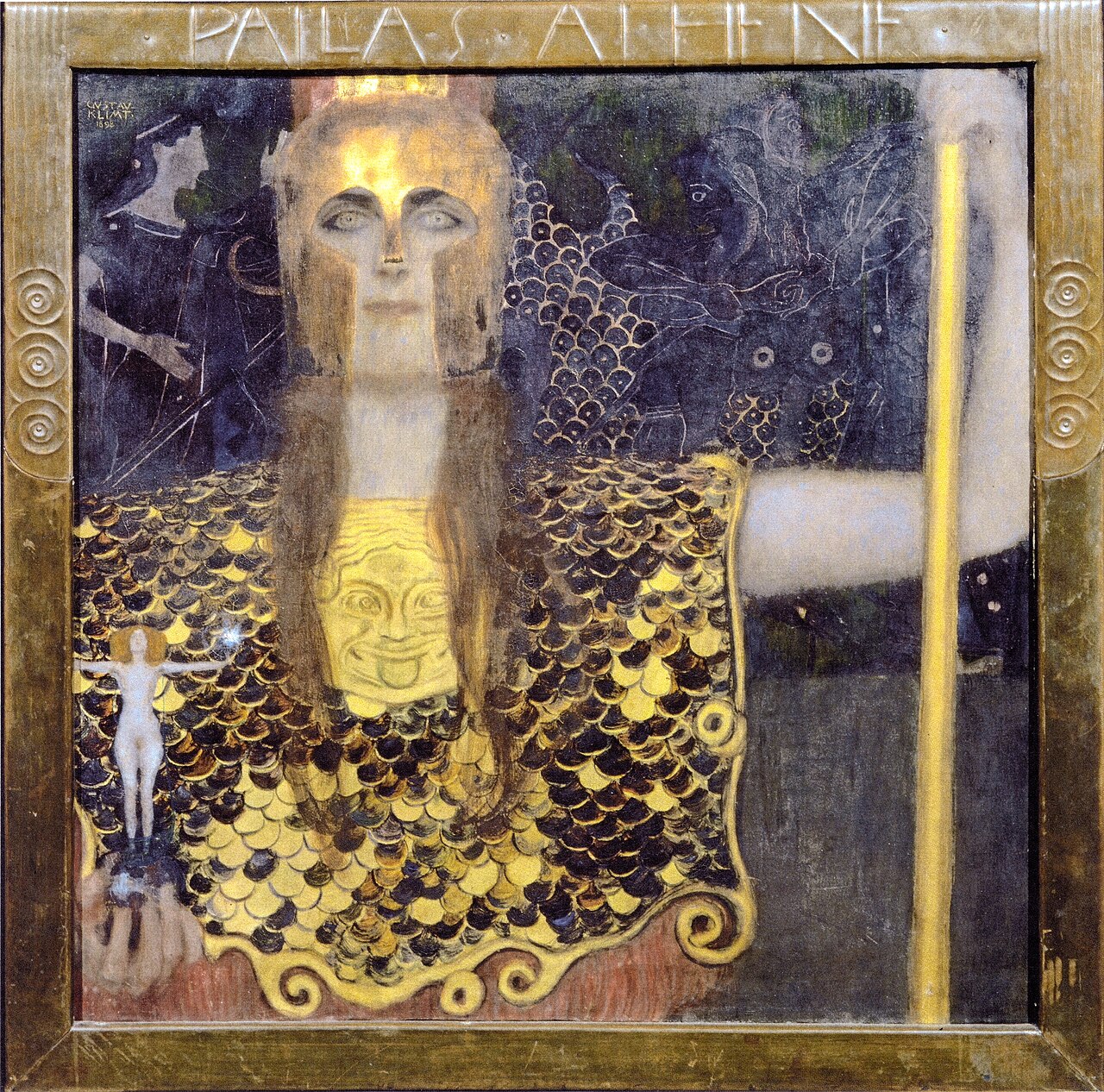
Klimt's 1898 painting of the goddess Athena as a gilded warrior, seen as the first work of his golden phase and a Secession symbol.
Klimt painted this early golden-phase work as a symbol of the Secession movement he led.
About this source
What it is
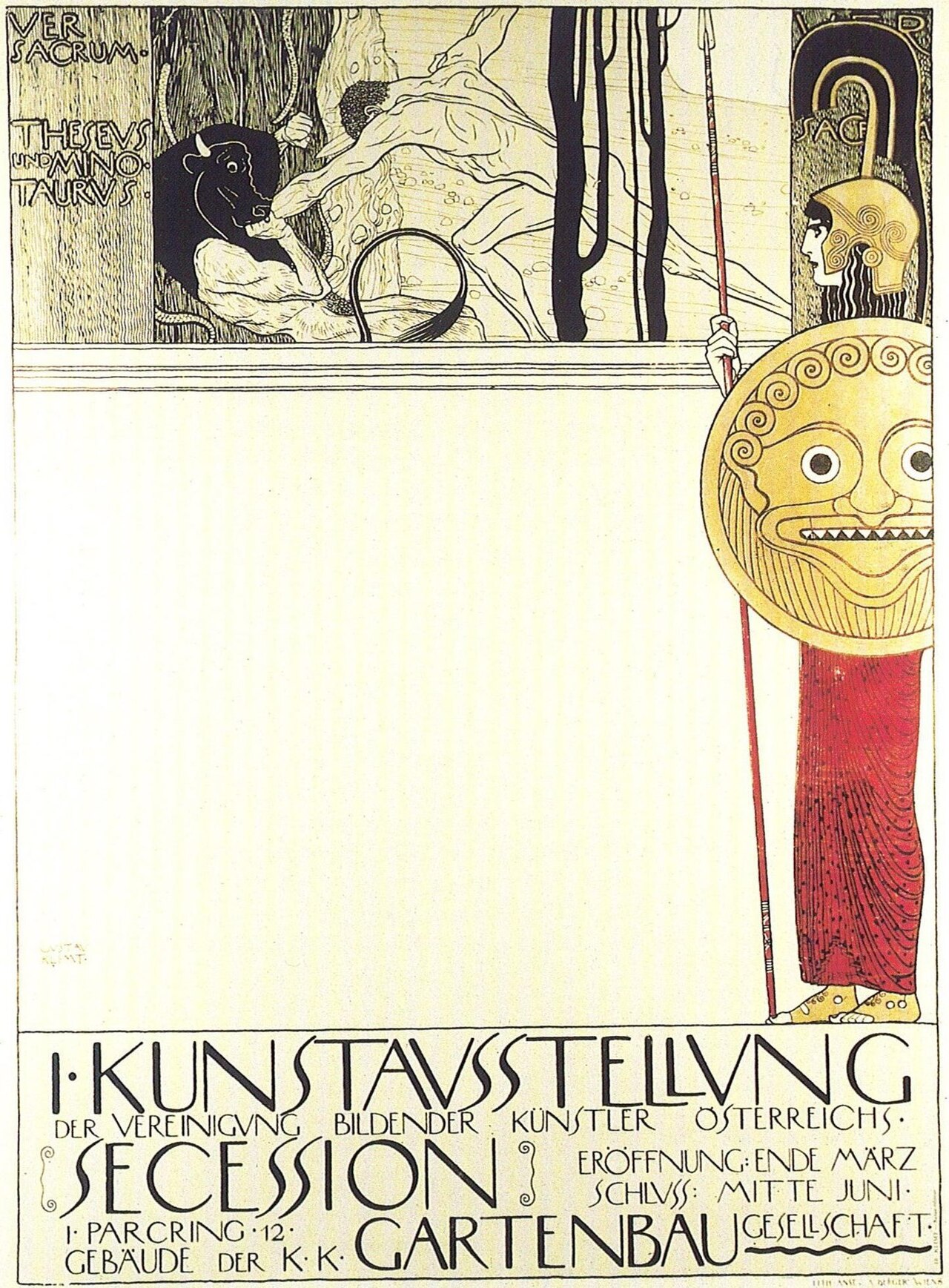
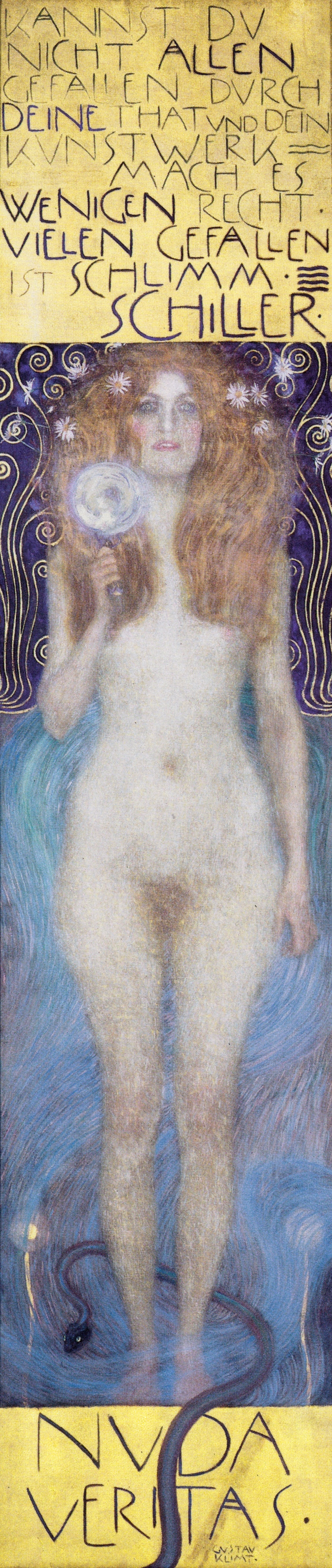
This oil painting was created by Gustav Klimt in 1898. It shows the Greek goddess Athena in golden armor and helmet, holding a spear, with a small nude figure of Nuda Veritas in her hand and a scene of Heracles fighting Triton in the background. It is held by the Vienna Museum.
Why it matters
Pallas Athena is often considered the first work of Klimt's famous 'golden phase' and became a key symbol of the Vienna Secession movement, which Klimt helped lead. The painting shows Klimt moving away from traditional historical painting toward a more decorative, stylised approach. Contemporary critics were divided, some shocked by its modern style, others praising it as capturing the spirit of its era.
Look closer
- Why might Klimt have chosen Athena, goddess of wisdom and war, to represent the Secession movement?
- What details in the painting look stylised rather than realistic, and why do you think Klimt made that choice?
- How does the gold in the painting affect the way you look at the figure?
This painting is part of the curated material that grounds the AI version of Gustav Klimt on Humy.ai — when students ask about related events, the AI can quote it and cite it.
More Gustav Klimt sources
Browse all 93 →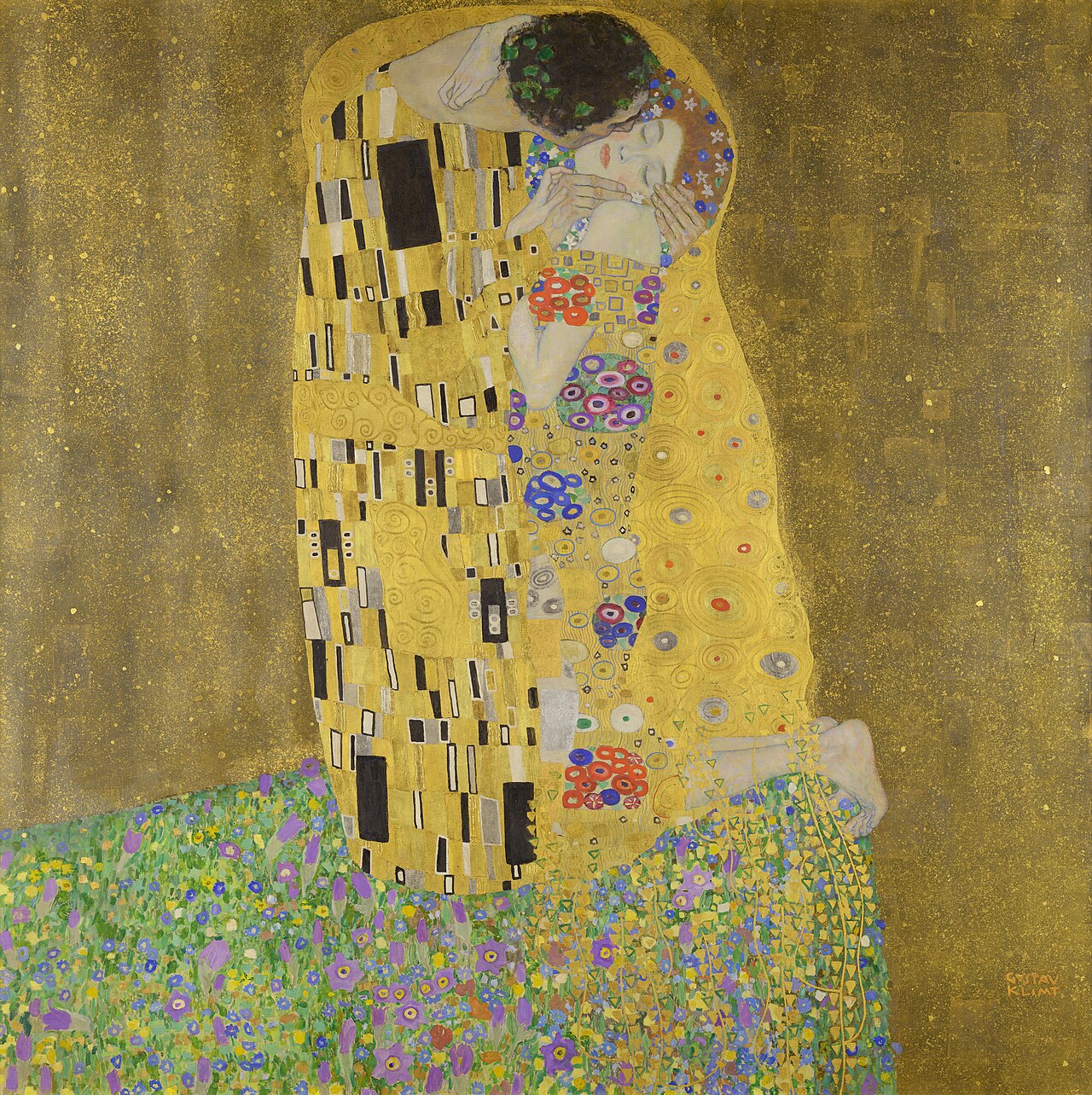 Painting
Primary source
The Kiss
Gustav Klimt · 1907-1908
 Painting
Primary source
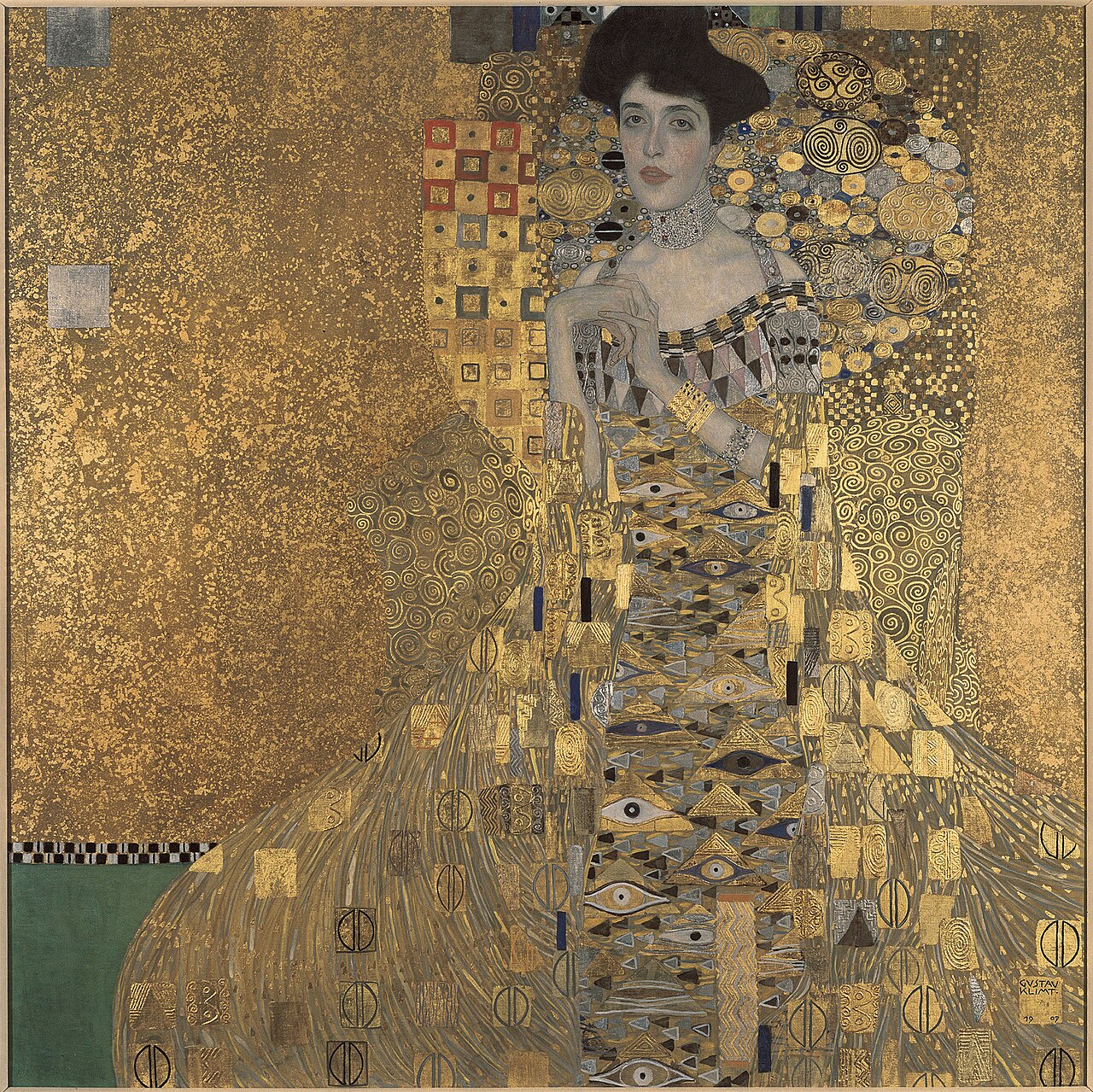
Portrait of Adele Bloch-Bauer I
Gustav Klimt · 1903-1907
 Painting
Primary source
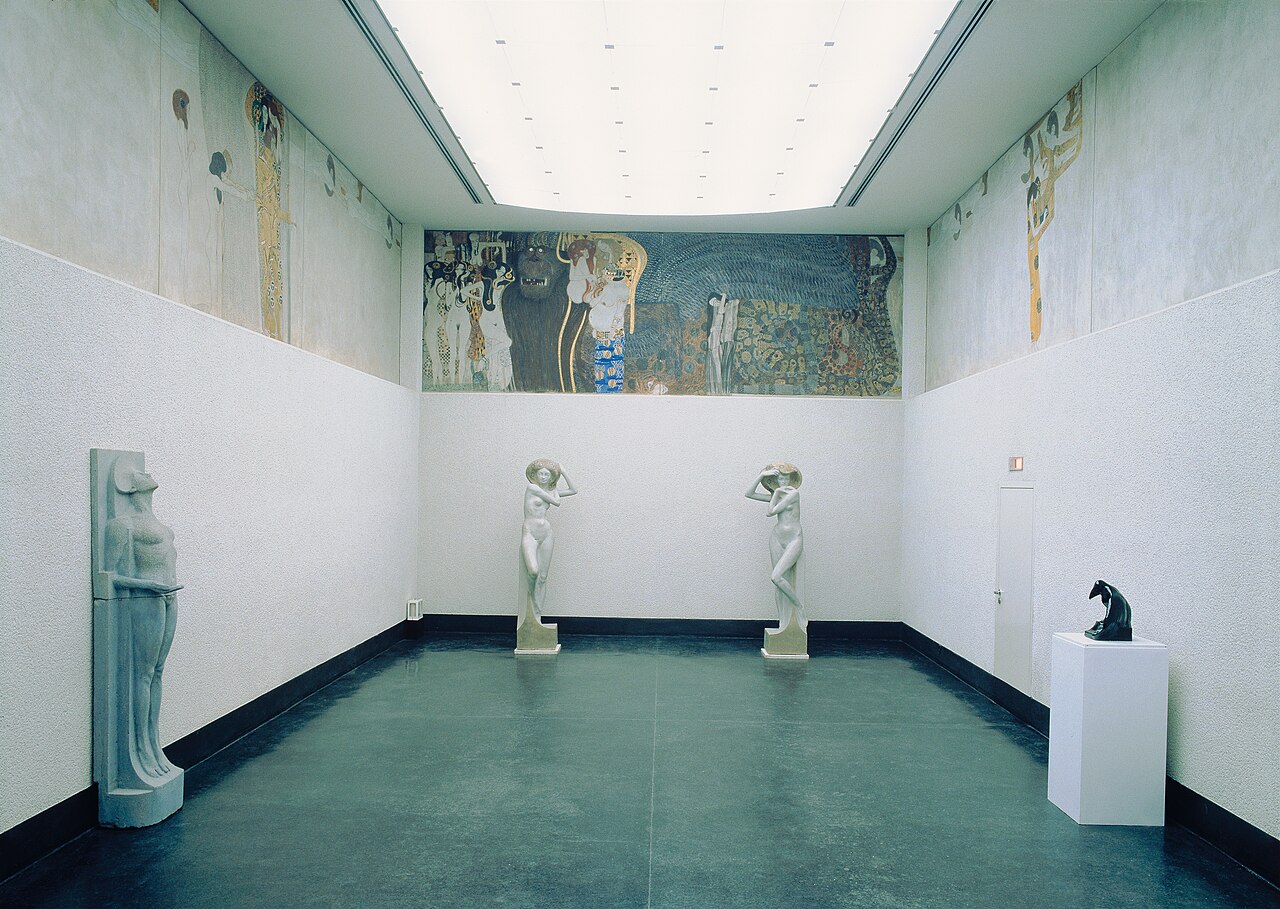
Beethoven Frieze
Gustav Klimt · 1902
 Painting
Primary source
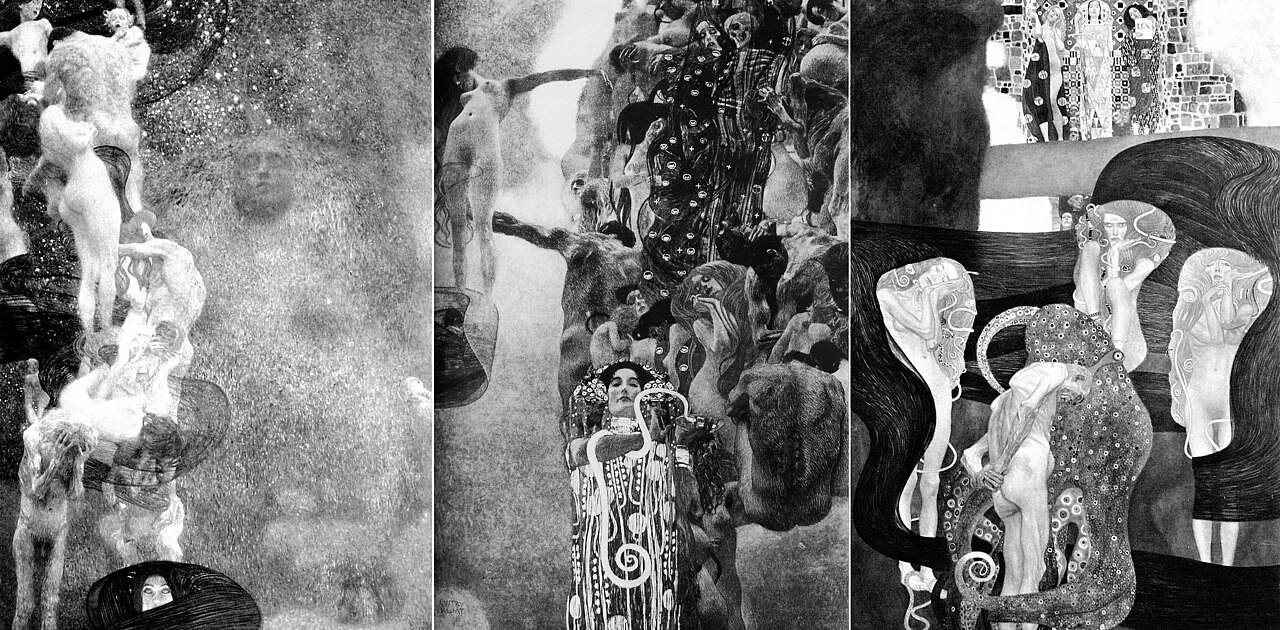
Klimt University of Vienna Ceiling Paintings
Gustav Klimt · 1900-1907
Free account
Read every Gustav Klimt source
Sign up free →
Ready when you are
Start chatting with Gustav Klimt now.
20 messages free · No credit card · Available in 50+ languages.