


Secondary sourceSpeech
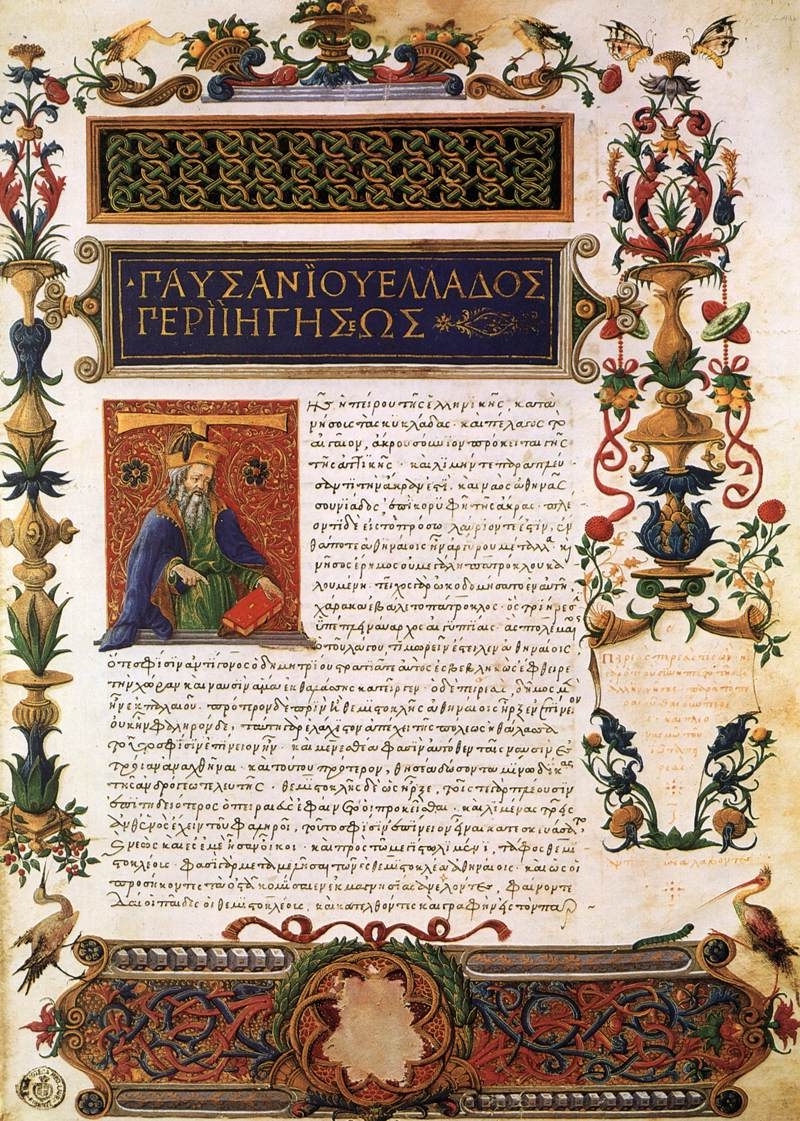
Panegyricus
Isocrates
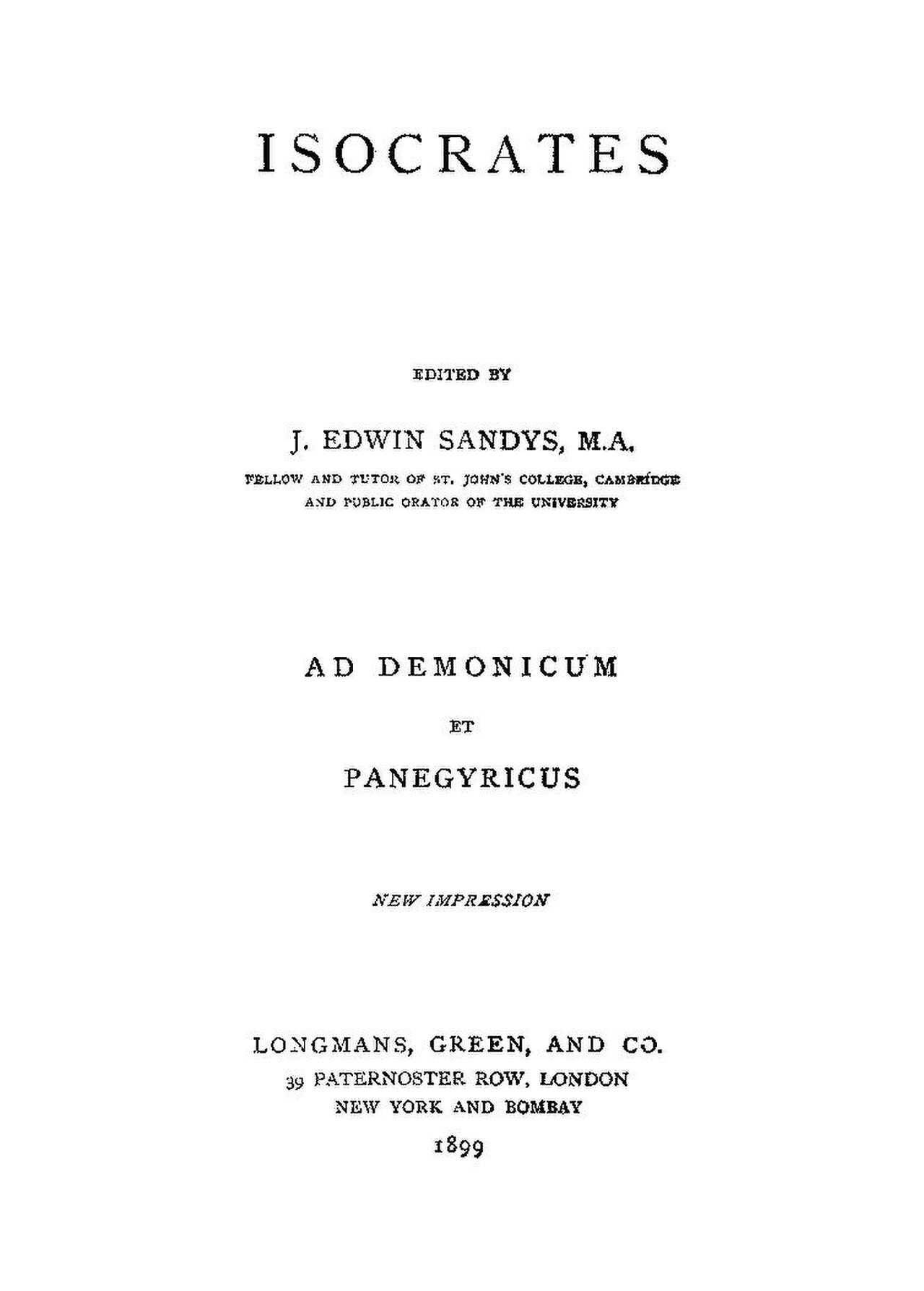
A speech by the Athenian orator Isocrates that holds up the Spartans who died at Thermopylae under Leonidas as a model of self-sacrifice for Greek unity.
Isocrates cites the Spartans' stand under Leonidas at Thermopylae as a model of self-sacrifice for Greek unity.
Free Humy account · No credit card · 120,912 sources to read
About this source
What it is
Panegyricus is a speech written by the Athenian orator Isocrates in the 4th century BCE, surviving in manuscript editions such as this printed Greek text edited by J. Edwin Sandys.
Why it matters
Isocrates uses the example of the Spartans at Thermopylae, led by Leonidas, to argue for Greek unity against Persia. This shows how Leonidas's death became a political symbol used by later Greek thinkers to urge cooperation among rival city-states.
Look closer
- Why might Isocrates choose an example from the past to make an argument about the present?
- What does it tell us that a Spartan story was used by an Athenian writer?
- What is the difference between history and the way history gets used to persuade people?
This speech is part of the curated material that grounds the AI version of Leonidas I on Humy.ai — when students ask about related events, the AI can quote it and cite it.
More Leonidas I sources
Browse all 58 → Book
Secondary source
Histories
Herodotus · c. 440 BCE
 Document
Primary source
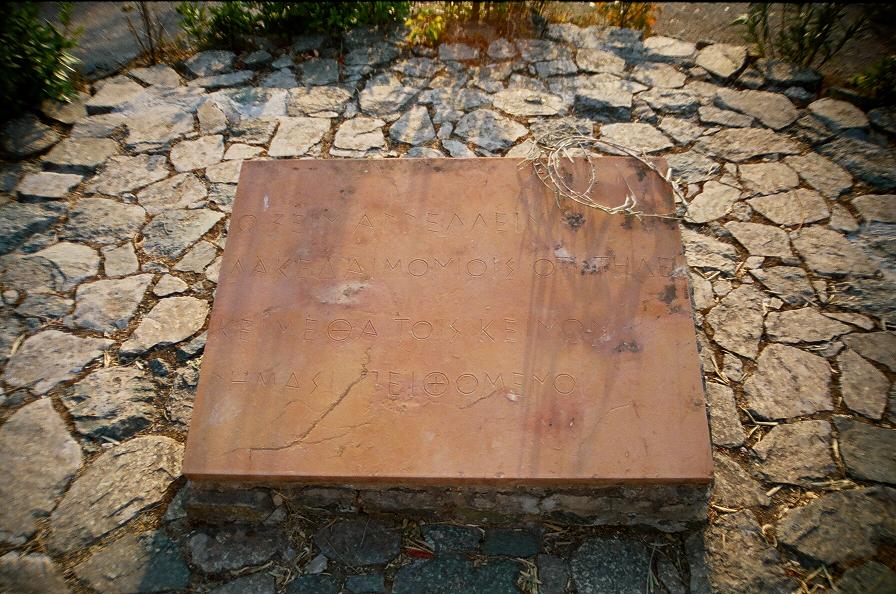
Go Tell the Spartans epitaph
Attributed to Simonides of Ceos · c. 480-479 BCE
 Painting
Primary source
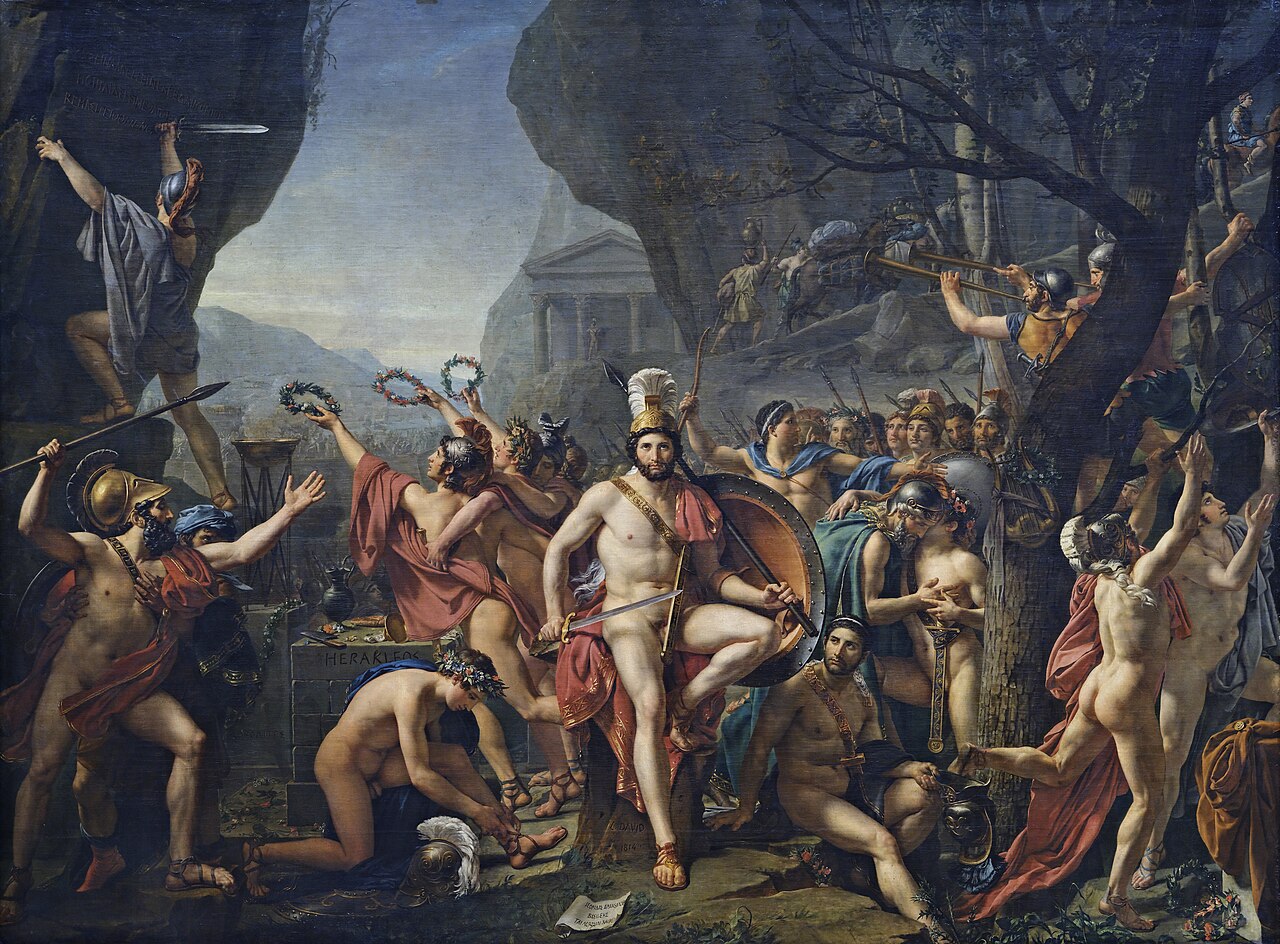
Leonidas at Thermopylae
Jacques-Louis David · 1799–1814
 Book
Secondary source
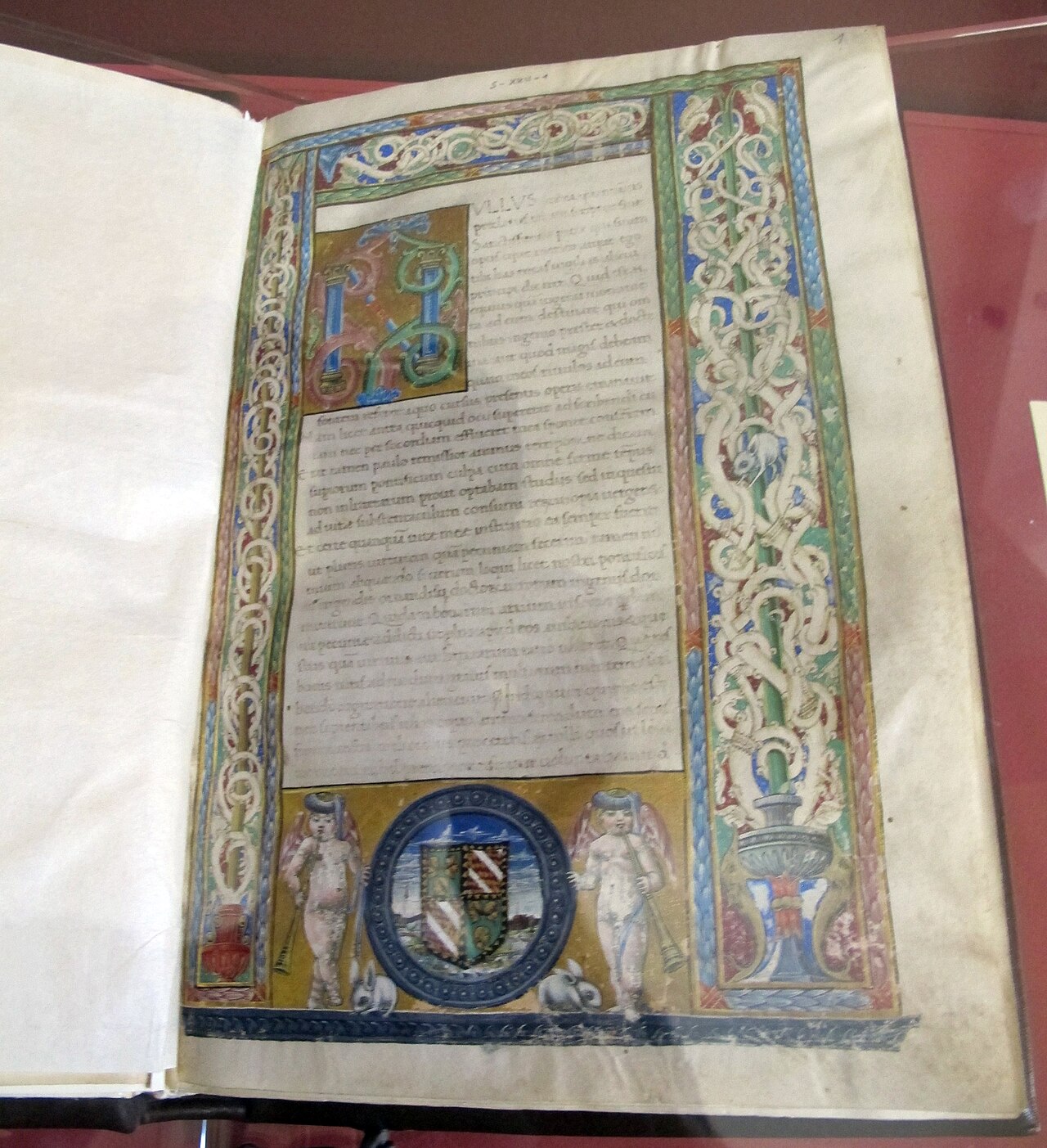
Bibliotheca Historica
Diodorus Siculus · 1st century BCE
Free account
Read every Leonidas I source
Sign up free →
Ready when you are
Start chatting with Leonidas I now.
20 messages free · No credit card · Available in 50+ languages.