


Primary sourceDocument1263
Pange Lingua Gloriosi Corporis Mysterium
Thomas Aquinas · 1263
A Latin hymn by Thomas Aquinas for the feast of Corpus Christi, still sung in Catholic worship, showing his work as a liturgical poet.
A hymn he wrote for Corpus Christi, showing his role as a liturgical poet alongside his philosophical work.
About this source
What it is
Pange Lingua is a medieval Latin hymn attributed to Thomas Aquinas, written for the Feast of Corpus Christi in 1263. It is also sung during the Maundy Thursday procession, and its final two verses, known as Tantum Ergo, are used separately at Benediction.
Why it matters
The hymn expresses the Catholic belief that bread and wine become the body and blood of Christ during Mass. It has inspired countless composers over centuries, including Josquin des Prez and Franz Liszt, showing how Aquinas's words shaped not only theology but also music and worship across generations.
Look closer
- Why might a theologian also write poetry and hymns rather than only prose arguments?
- What does the hymn's long musical afterlife tell us about its importance in Christian worship?
- How might singing a doctrine change the way people understand or remember it, compared to reading it?
This document is part of the curated material that grounds the AI version of Saint Thomas Aquinas on Humy.ai — when students ask about related events, the AI can quote it and cite it.
More Saint Thomas Aquinas sources
Meet the AI Saint Thomas Aquinas →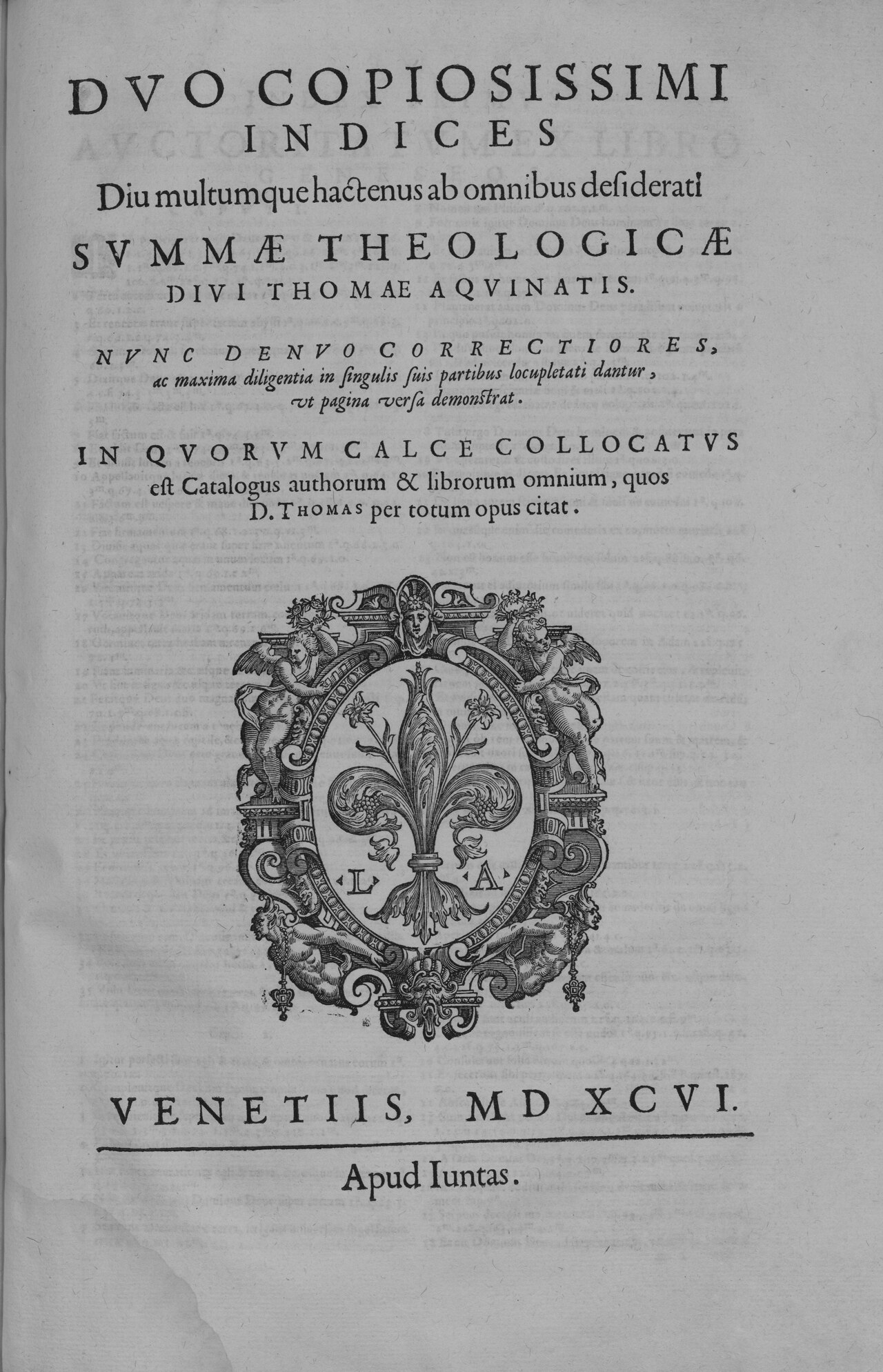 Book
Primary source
Summa Theologica
Thomas Aquinas · 1274
 Painting
Secondary source
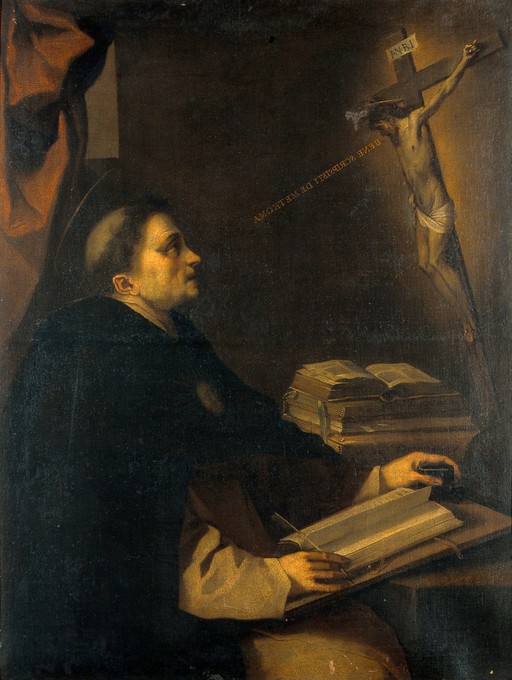
St Thomas Aquinas, 17th-century Italian oil painting
17th century
 Painting
Secondary source
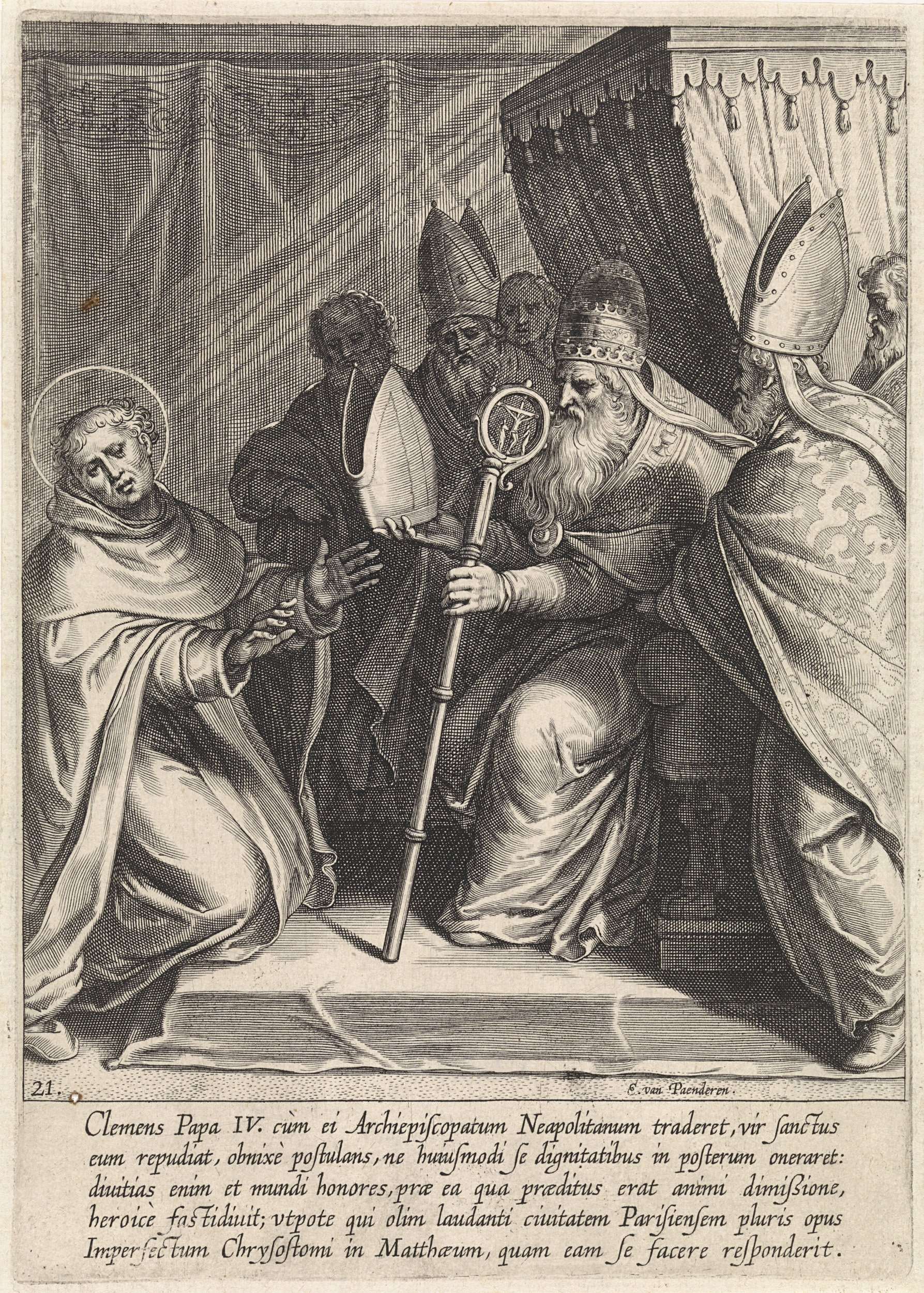
Thomas Aquinas Refuses the Archbishopric of Naples
1610
 Painting
Secondary source
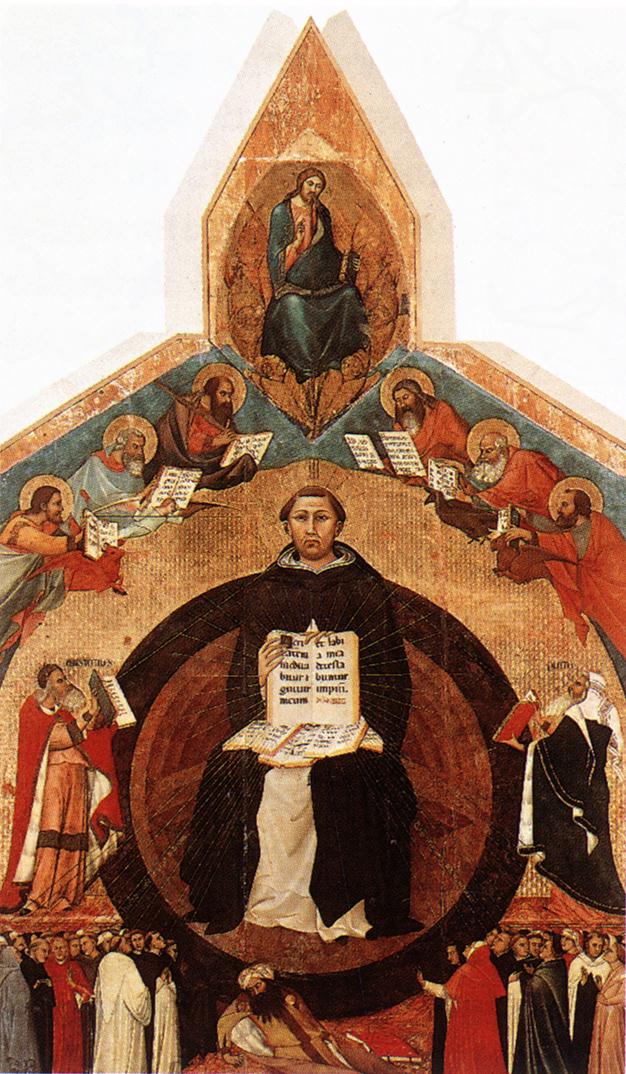
Triumph of Saint Thomas Aquinas
Lippo Memmi · 1340
 Painting
Secondary source
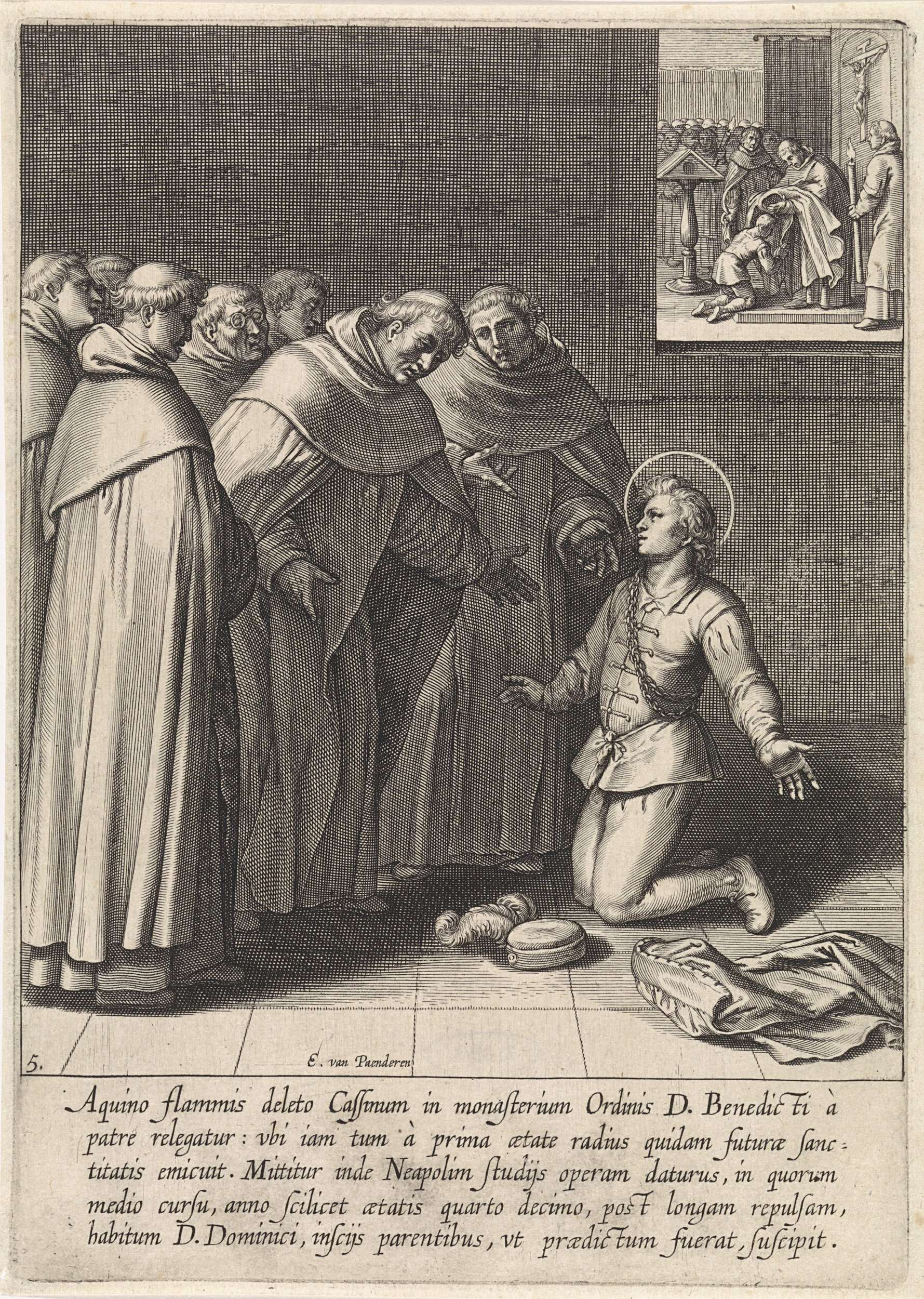
Thomas Aquinas Joins the Dominican Order
1610
Ready when you are
Start chatting with Saint Thomas Aquinas now.
20 messages free · No credit card · Available in 50+ languages.