


Primary sourcePhotographApril 1972
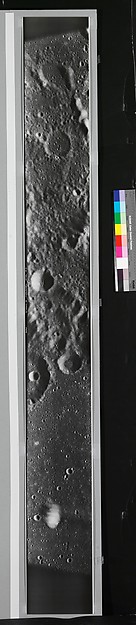
Panorama of Moon Surface from Apollo 16
National Aeronautics and Space Administration (NASA) · April 1972
A NASA photograph of the cratered lunar surface taken during the Apollo 16 mission, part of the program whose guidance software Hamilton's team designed.
Documents the Apollo program's results, made possible in part by Hamilton's guidance software.
About this source
What it is
A gelatin silver print photograph of the Moon's surface taken by NASA during the Apollo 16 mission in April 1972. It is held by the Metropolitan Museum of Art.
Why it matters
This image documents the kind of terrain the Apollo program's astronauts explored, missions made possible in part by the onboard guidance software developed under Margaret Hamilton at MIT. It shows the physical result of the engineering work behind the missions.
Look closer
- What details of the lunar surface can you identify in this photograph?
- Why would NASA include a color calibration bar in a scientific photograph?
- What does this image not show about the engineering and people who made the mission possible?
This photograph is part of the curated material that grounds the AI version of Margaret Hamilton on Humy.ai — when students ask about related events, the AI can quote it and cite it.
More Margaret Hamilton sources
Browse all 34 →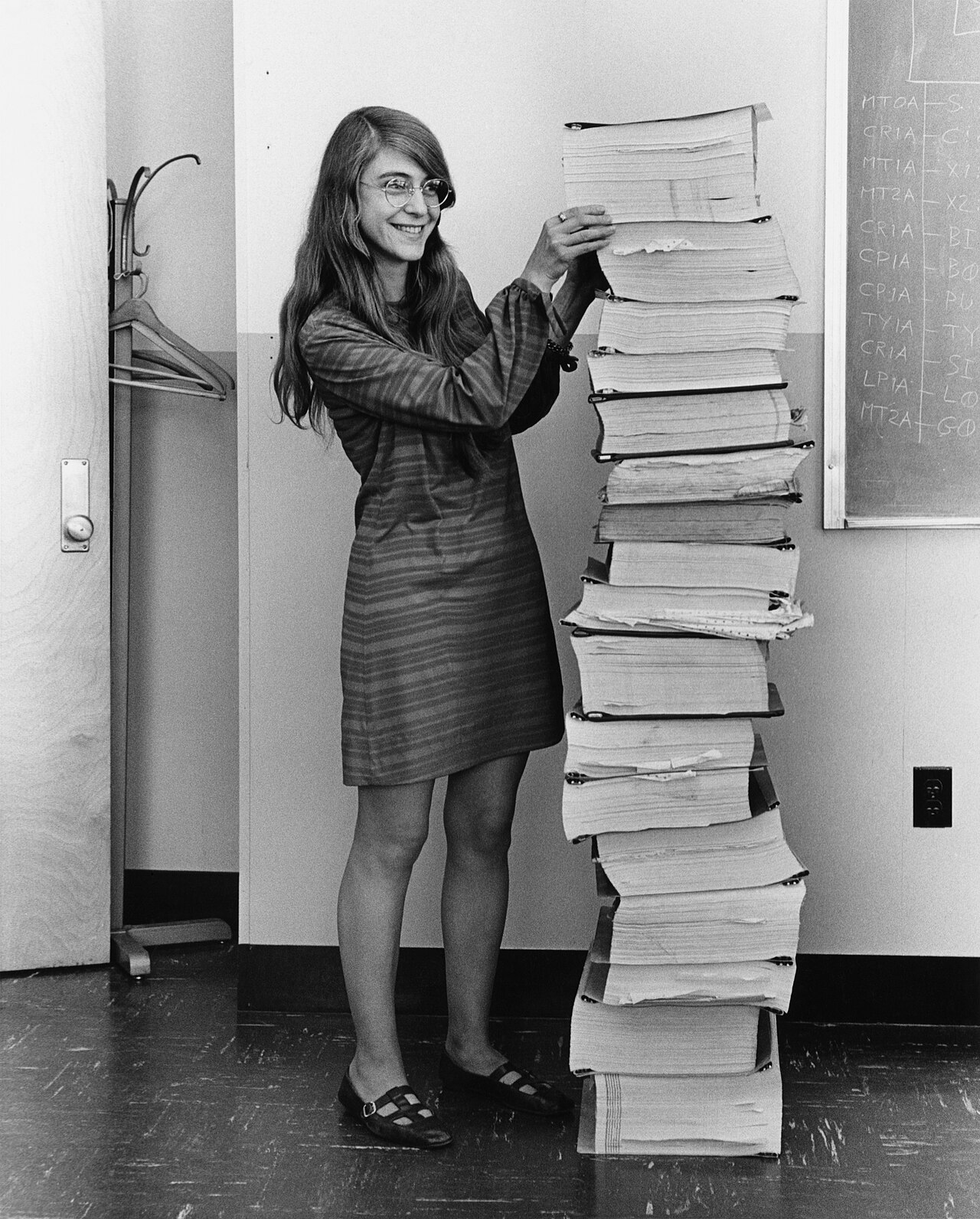 Photograph
Primary source
Margaret Hamilton with Apollo Software Listings
Adam Cuerden · 1969
 Artifact
Primary source
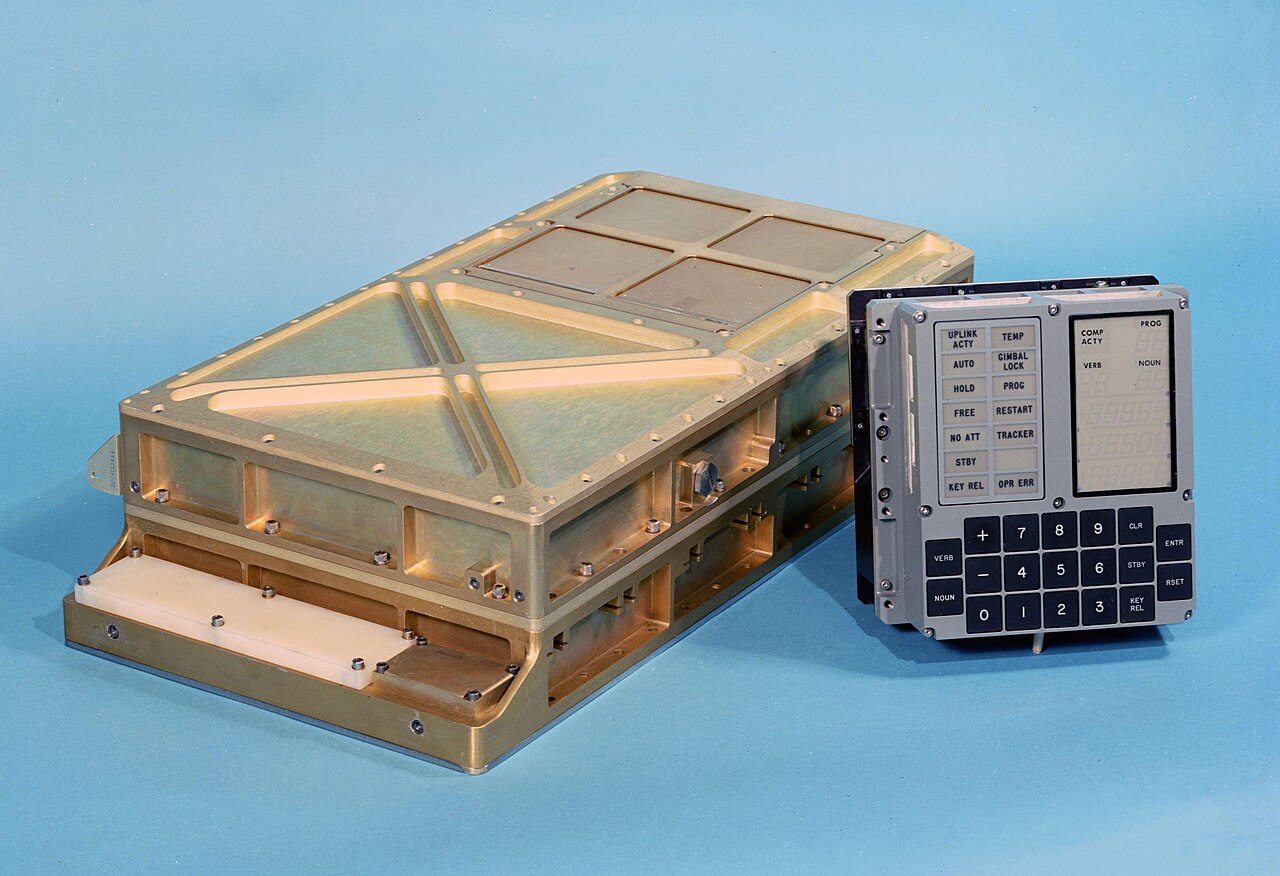
Apollo Guidance Computer
MIT Instrumentation Laboratory · 1966
 Photograph
Primary source
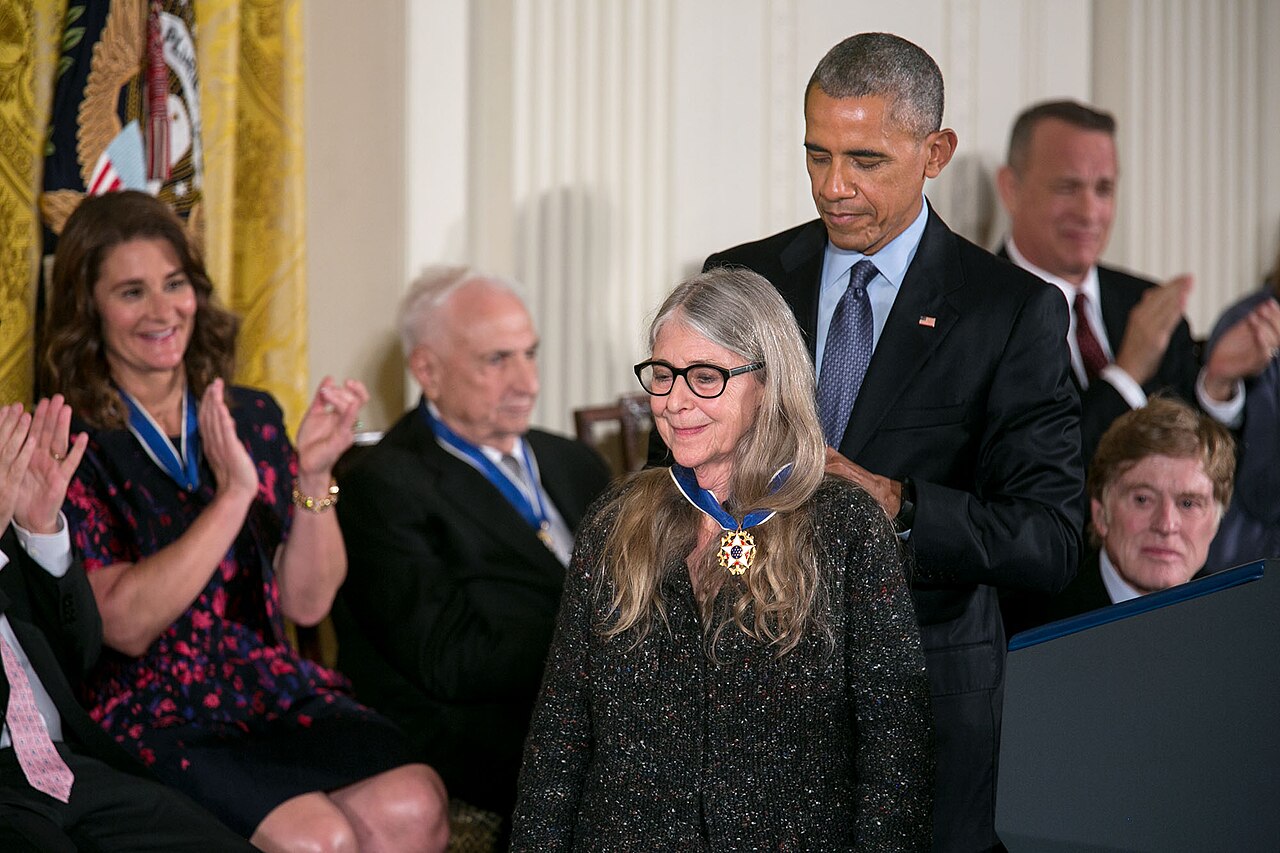
Hamilton Receiving the Presidential Medal of Freedom
Lawrence Jackson, White House · 22 November 2016
 Photograph
Primary source
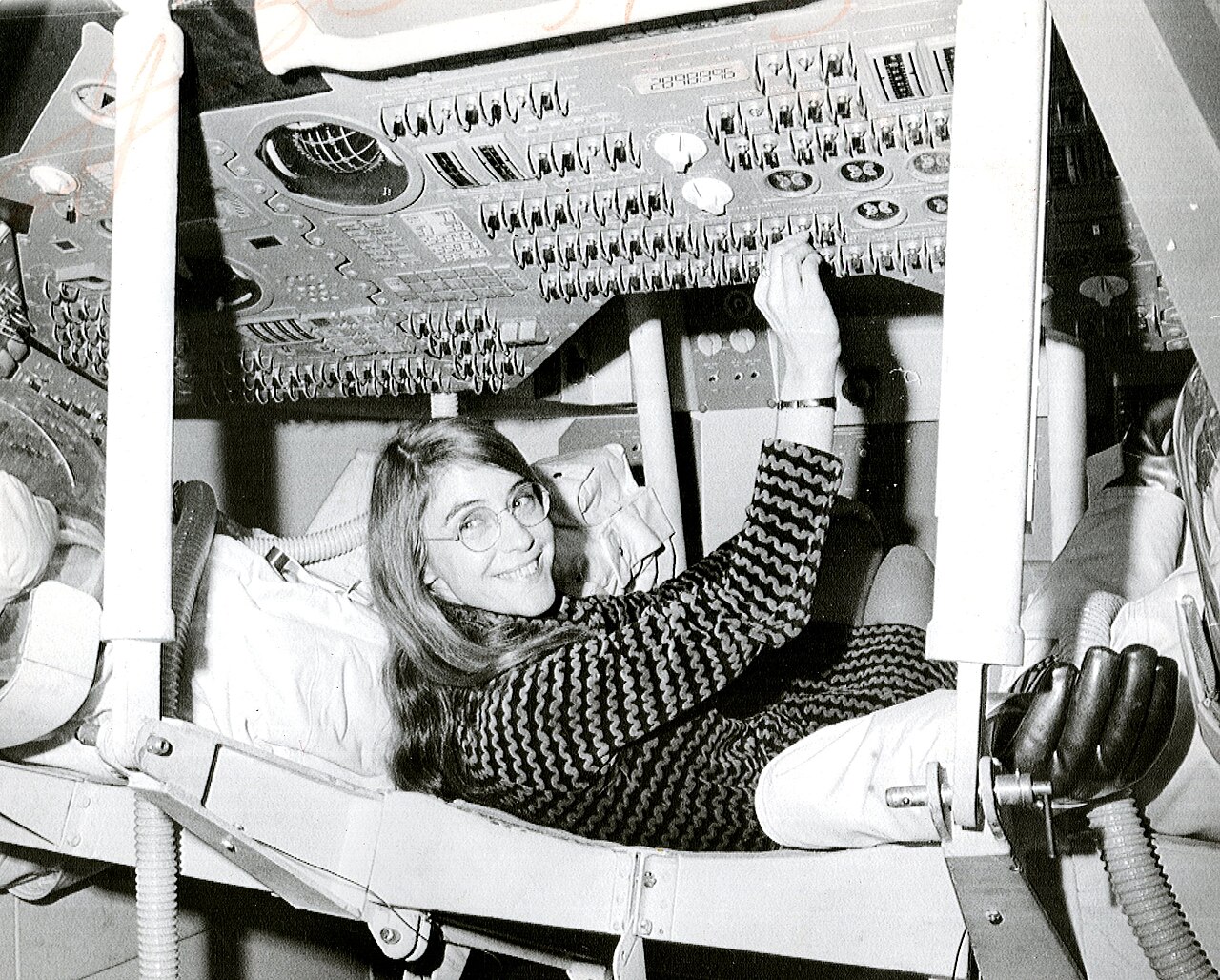
Margaret Hamilton in the Apollo Command Module
NASA

Free account
Read every Margaret Hamilton source
Sign up free →
Ready when you are
Start chatting with Margaret Hamilton now.
20 messages free · No credit card · Available in 50+ languages.