


Primary sourceDocumentearly 2nd century AD
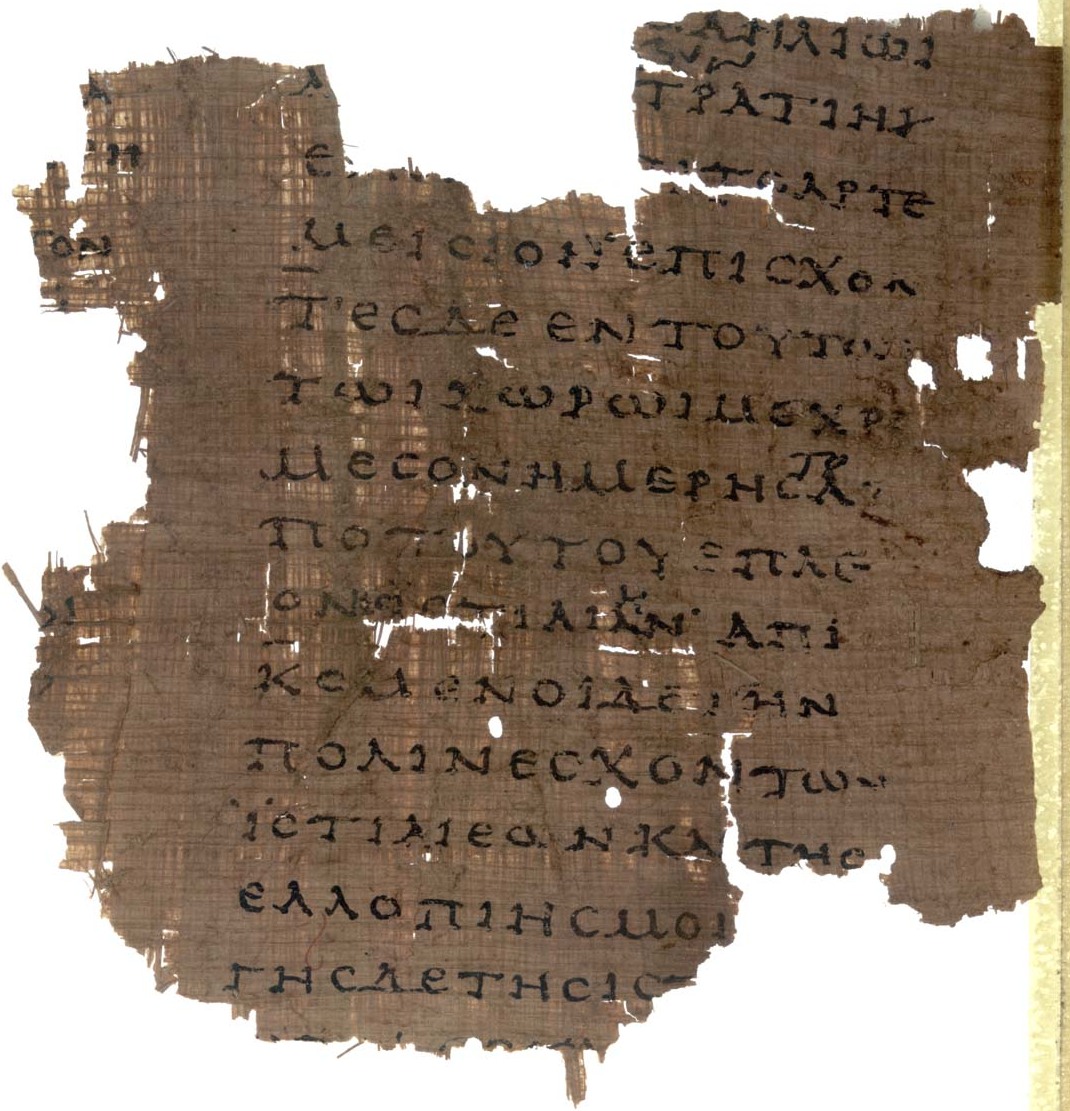
Papyrus Oxyrhynchus 2099
Unknown scribe · early 2nd century AD
A fragment of a papyrus copy of Herodotus's Histories, Book VIII, made in Roman Egypt centuries after his death.
This ancient papyrus copy preserves part of Herodotus's own text, showing it being read centuries after he wrote it.
Free Humy account · No credit card · 118,535 sources to read
About this source
What it is
This papyrus fragment, copied by an unknown scribe in the early 2nd century AD, preserves part of Book VIII of Herodotus's Histories. It is held among the Oxyrhynchus Papyri at the Sackler Library, Oxford.
Why it matters
This fragment shows that Herodotus's work was still being copied and read in Egypt roughly 500 years after he wrote it, long before the oldest surviving medieval manuscripts were made. Papyrus finds like this help scholars check how faithfully his text was passed down over time.
Look closer
- What does the survival of this fragment tell us about how popular or important this text was?
- Why might only a fragment, rather than the whole text, have survived?
- How might comparing this fragment to later manuscripts help historians judge the accuracy of the text we read today?
This document is part of the curated material that grounds the AI version of Herodotus on Humy.ai — when students ask about related events, the AI can quote it and cite it.
More Herodotus sources
Browse all 86 → Book
Secondary source
Histories
Herodotus · c. 440 BCE
 Sculpture
Secondary source
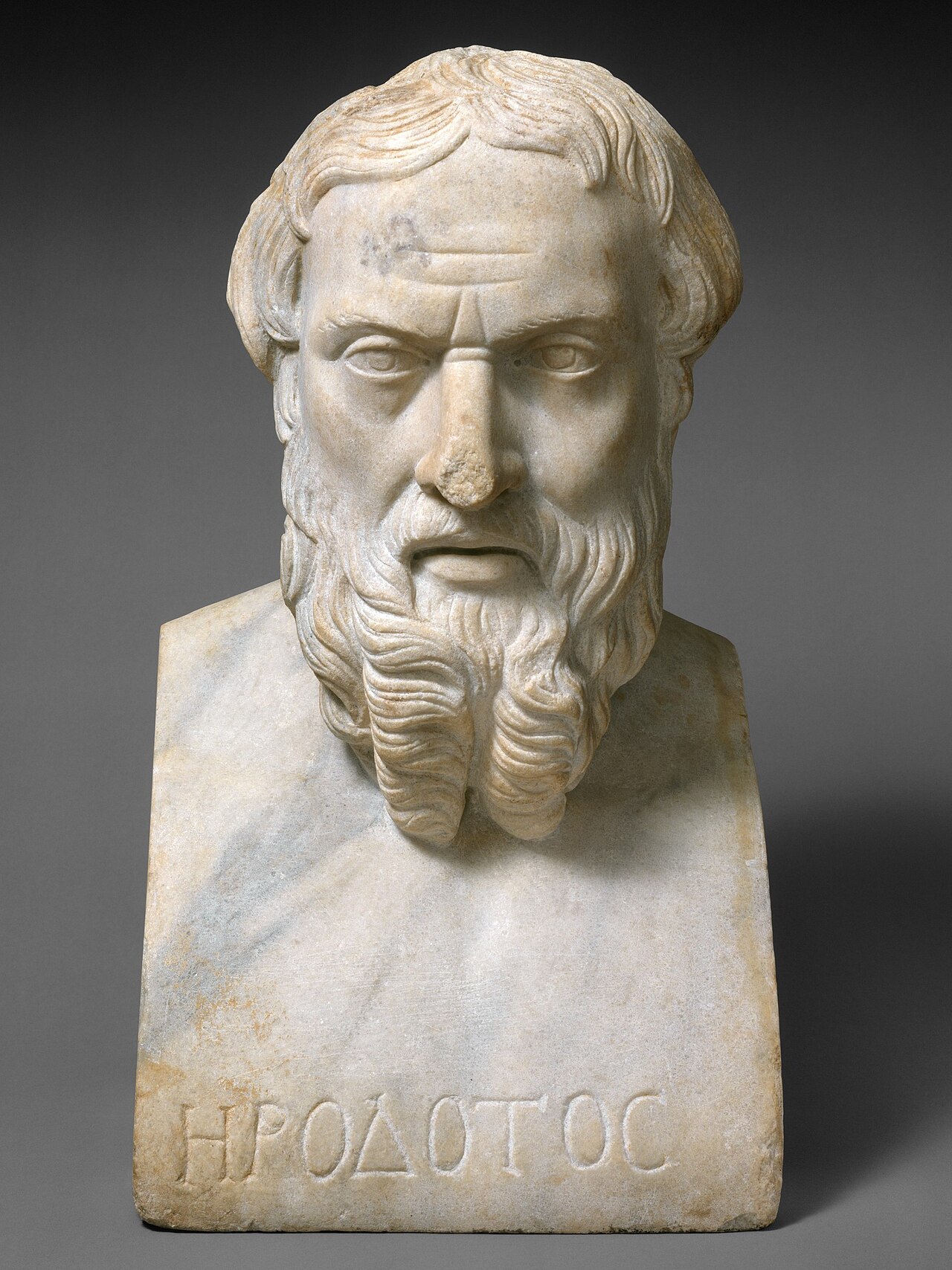
Portrait Bust of Herodotus
Unknown Roman sculptor
 Sculpture
Secondary source
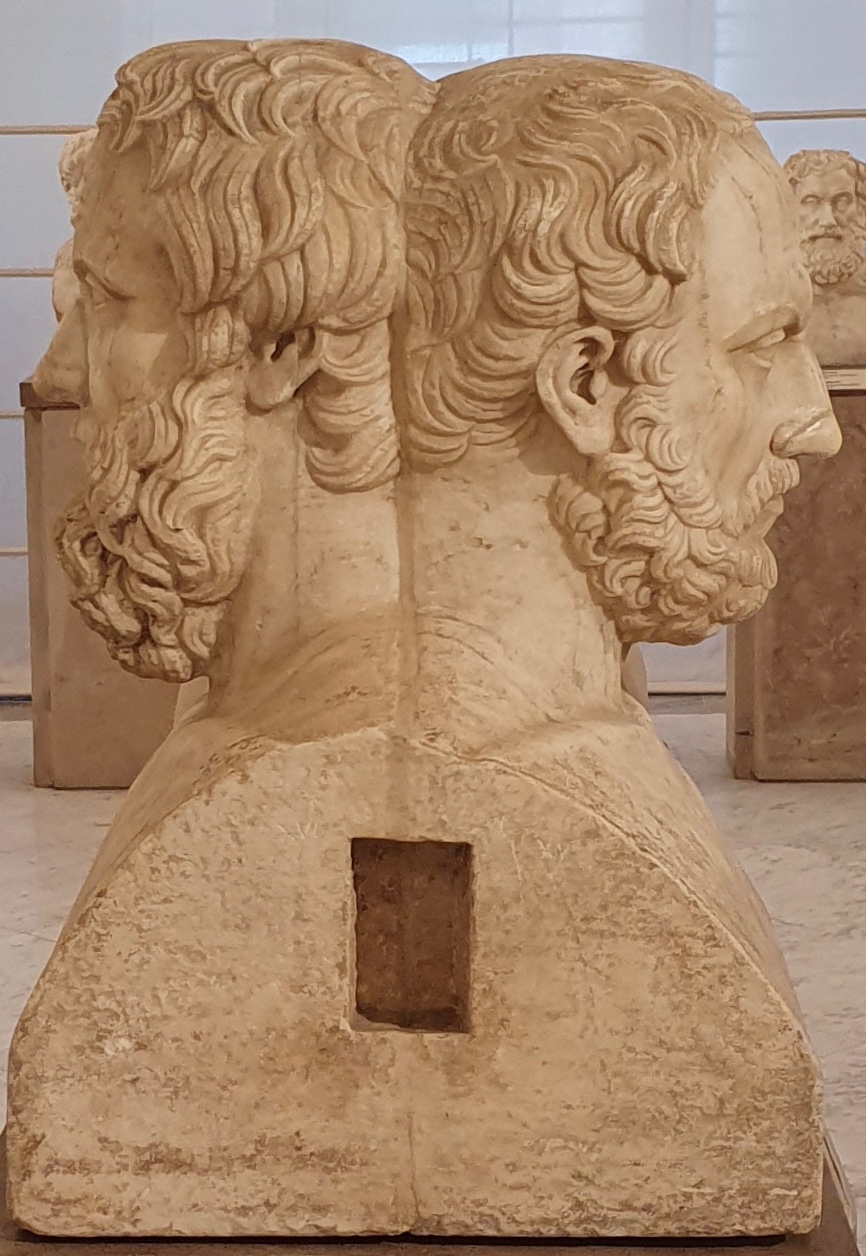
Double Herm of Herodotus and Thucydides
Unknown Roman sculptor after Greek originals · 2nd century AD
 Book
Primary source
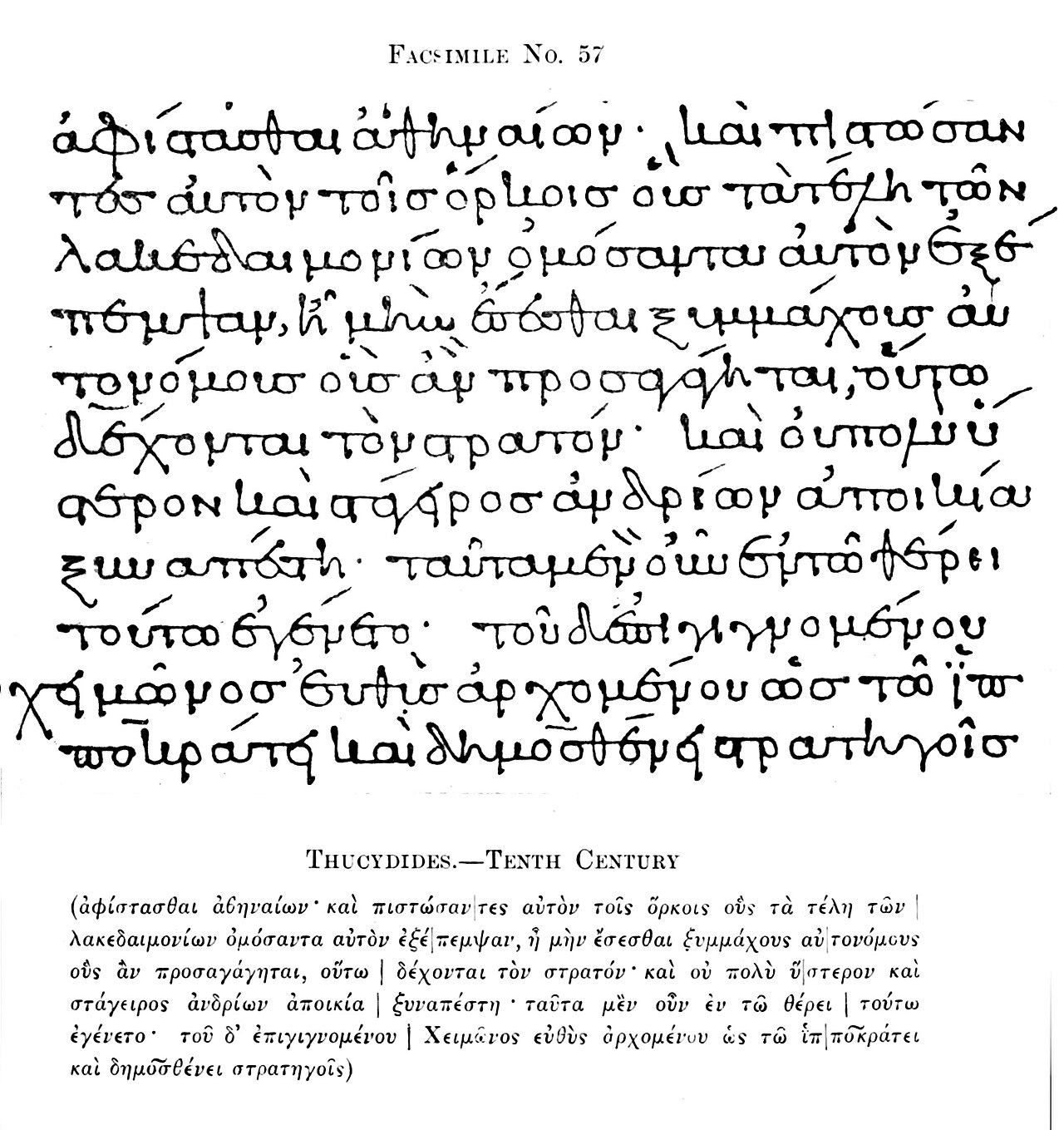
History of the Peloponnesian War
Thucydides · 5th century BCE
Free account
Read every Herodotus source
Sign up free →
Ready when you are
Start chatting with Herodotus now.
20 messages free · No credit card · Available in 50+ languages.