


Secondary sourceSculpture
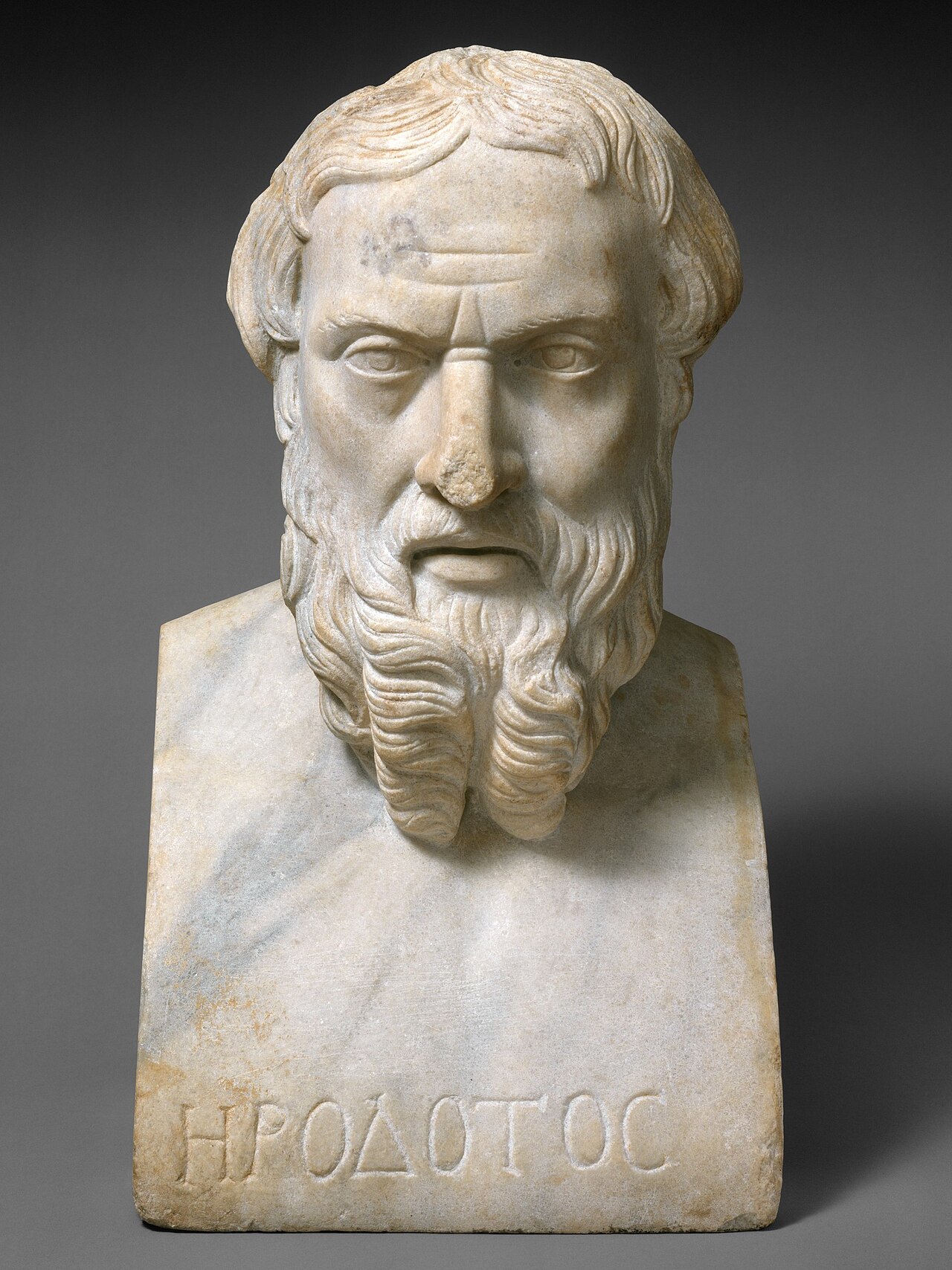
Portrait Bust of Herodotus
Unknown Roman sculptor
A Roman marble bust copying a Greek portrait type, the standard image used to imagine Herodotus's appearance.
This bust is the standard image used to depict Herodotus, though made long after his death.
About this source
What it is
This marble bust, held by the Metropolitan Museum, is a Roman copy of an earlier Greek portrait type. Its base is inscribed with the Greek letters spelling 'Herodotos'.
Why it matters
No contemporary image of Herodotus survives from his own lifetime. This bust, made centuries after his death, reflects how later Greeks and Romans imagined and honoured him as the founder of history writing. It tells us more about how he was remembered than about his actual appearance.
Look closer
- Why would Romans want to copy a Greek portrait centuries after the person lived?
- What does the inscription on the base tell us about how certain people wanted Herodotus to be identified?
- Can a portrait like this be trusted as an accurate likeness? Why or why not?
This sculpture is part of the curated material that grounds the AI version of Herodotus on Humy.ai — when students ask about related events, the AI can quote it and cite it.
More Herodotus sources
Browse all 86 → Book
Secondary source
Histories
Herodotus · c. 440 BCE
 Sculpture
Secondary source
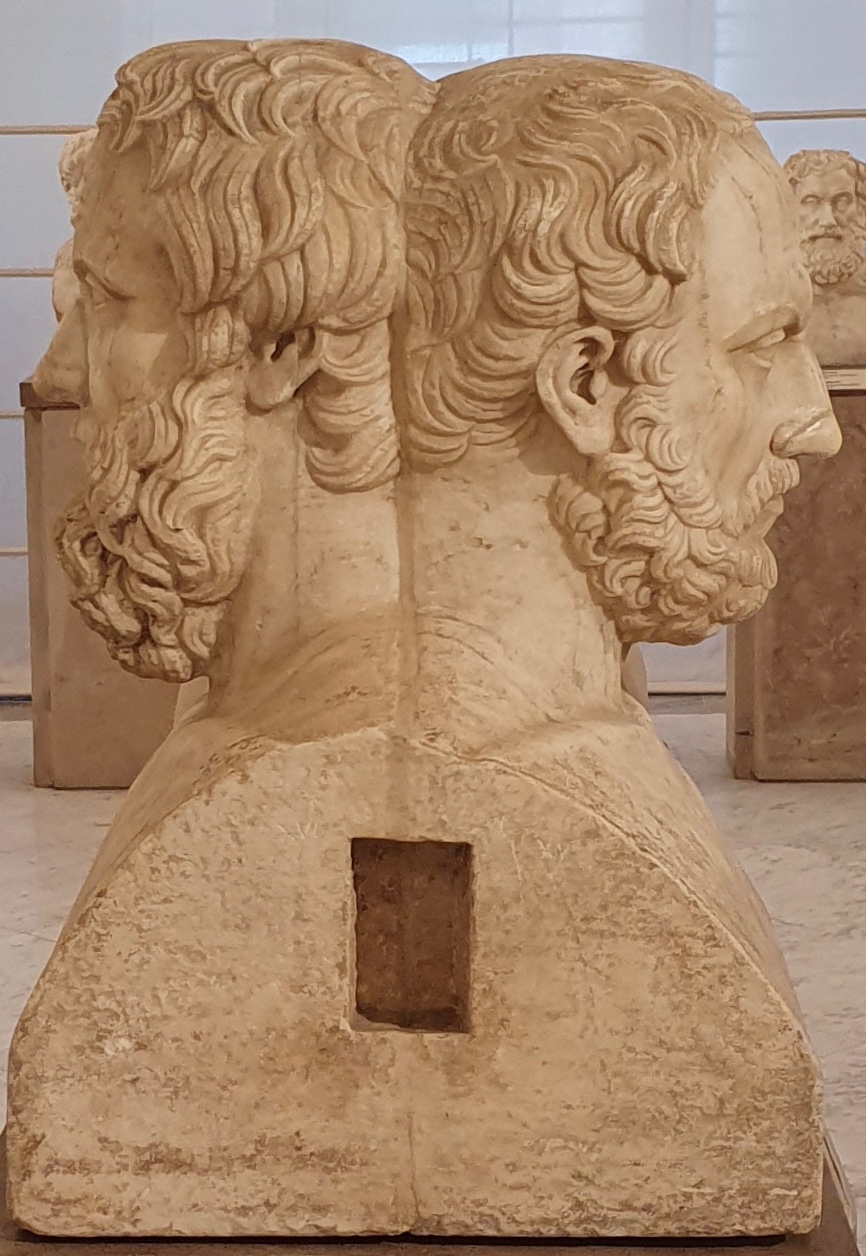
Double Herm of Herodotus and Thucydides
Unknown Roman sculptor after Greek originals · 2nd century AD
 Document
Primary source
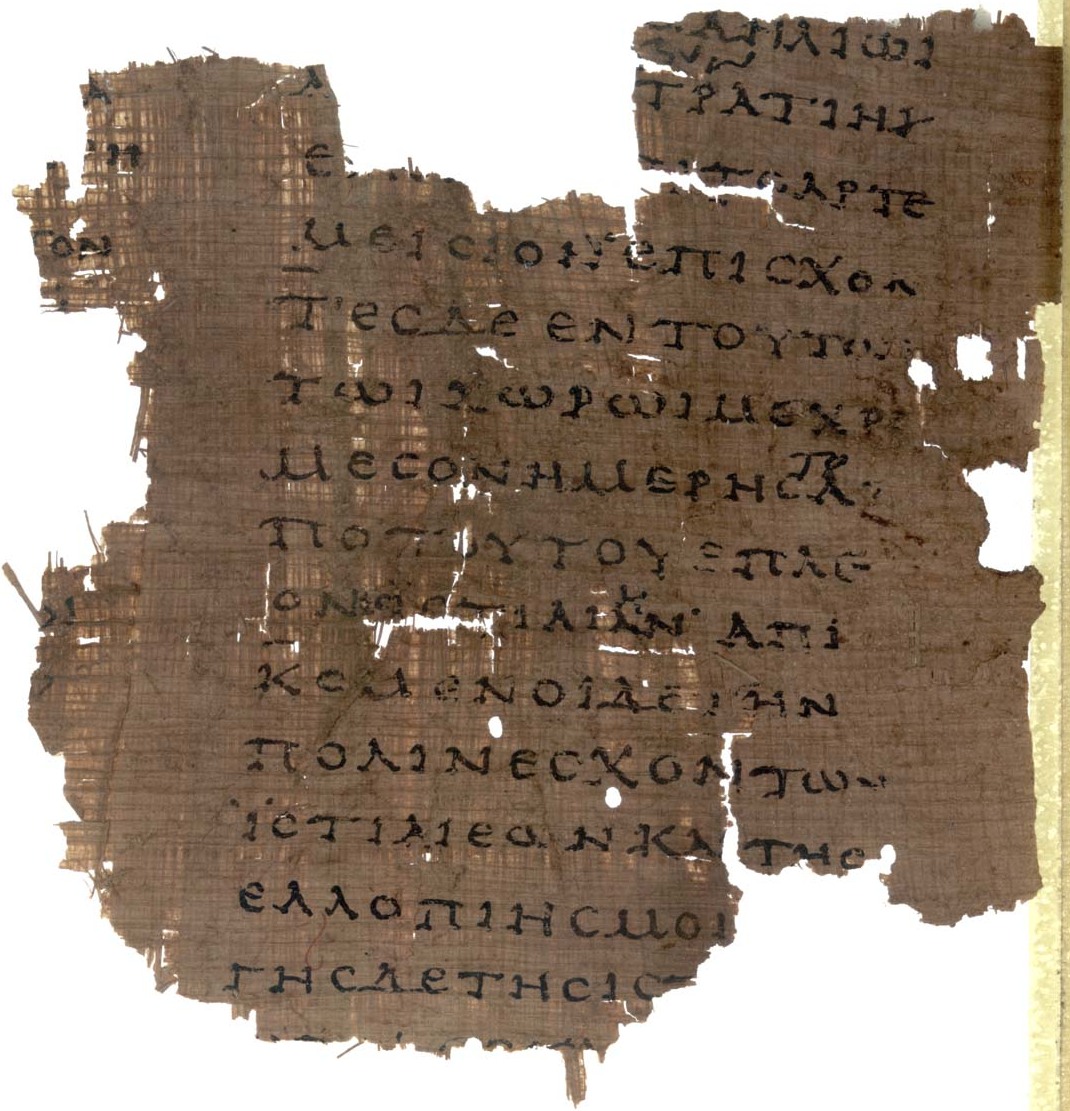
Papyrus Oxyrhynchus 2099
Unknown scribe · early 2nd century AD
 Book
Primary source
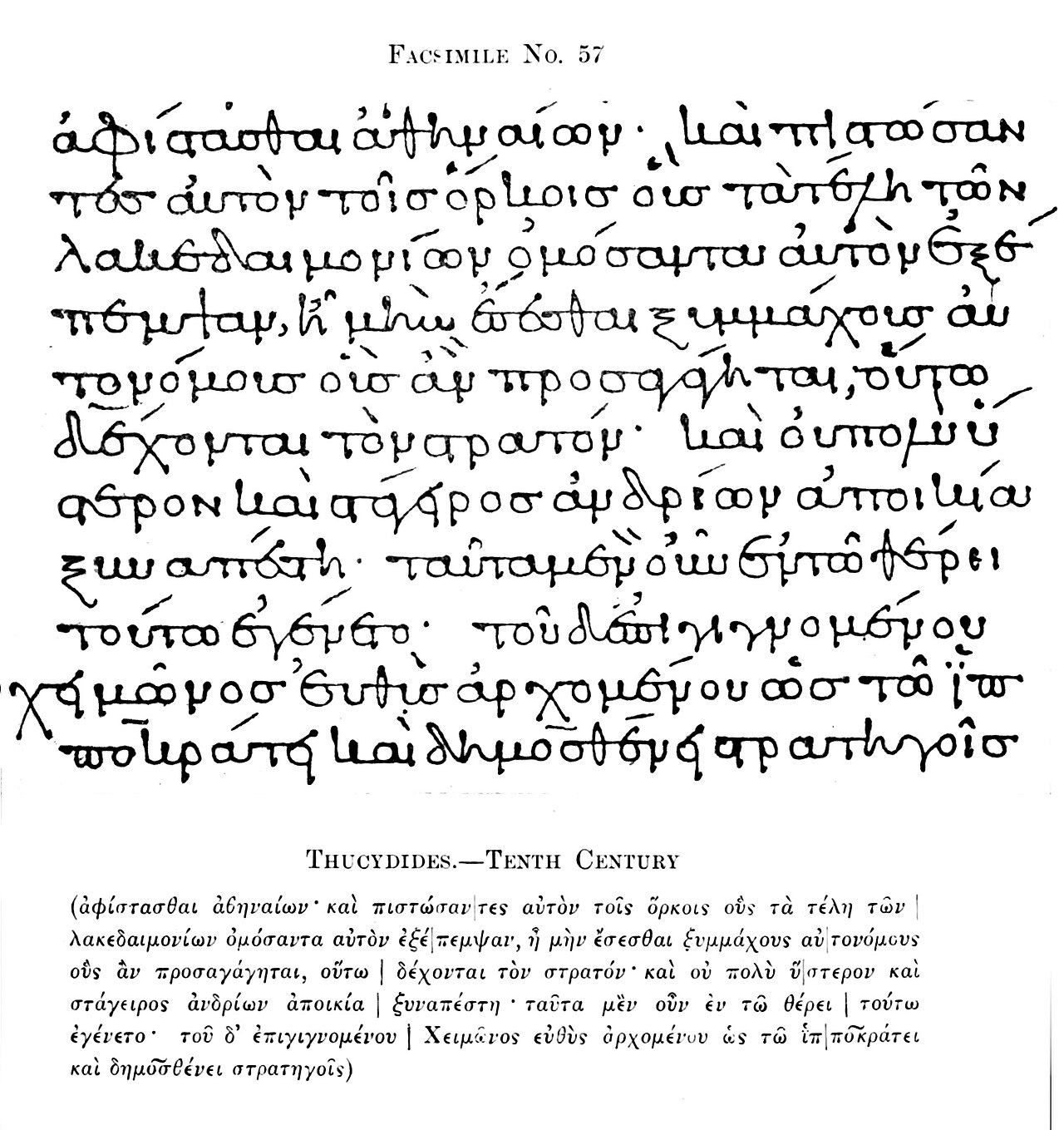
History of the Peloponnesian War
Thucydides · 5th century BCE

Free account
Read every Herodotus source
Sign up free →
Ready when you are
Start chatting with Herodotus now.
20 messages free · No credit card · Available in 50+ languages.