


Secondary sourcePainting
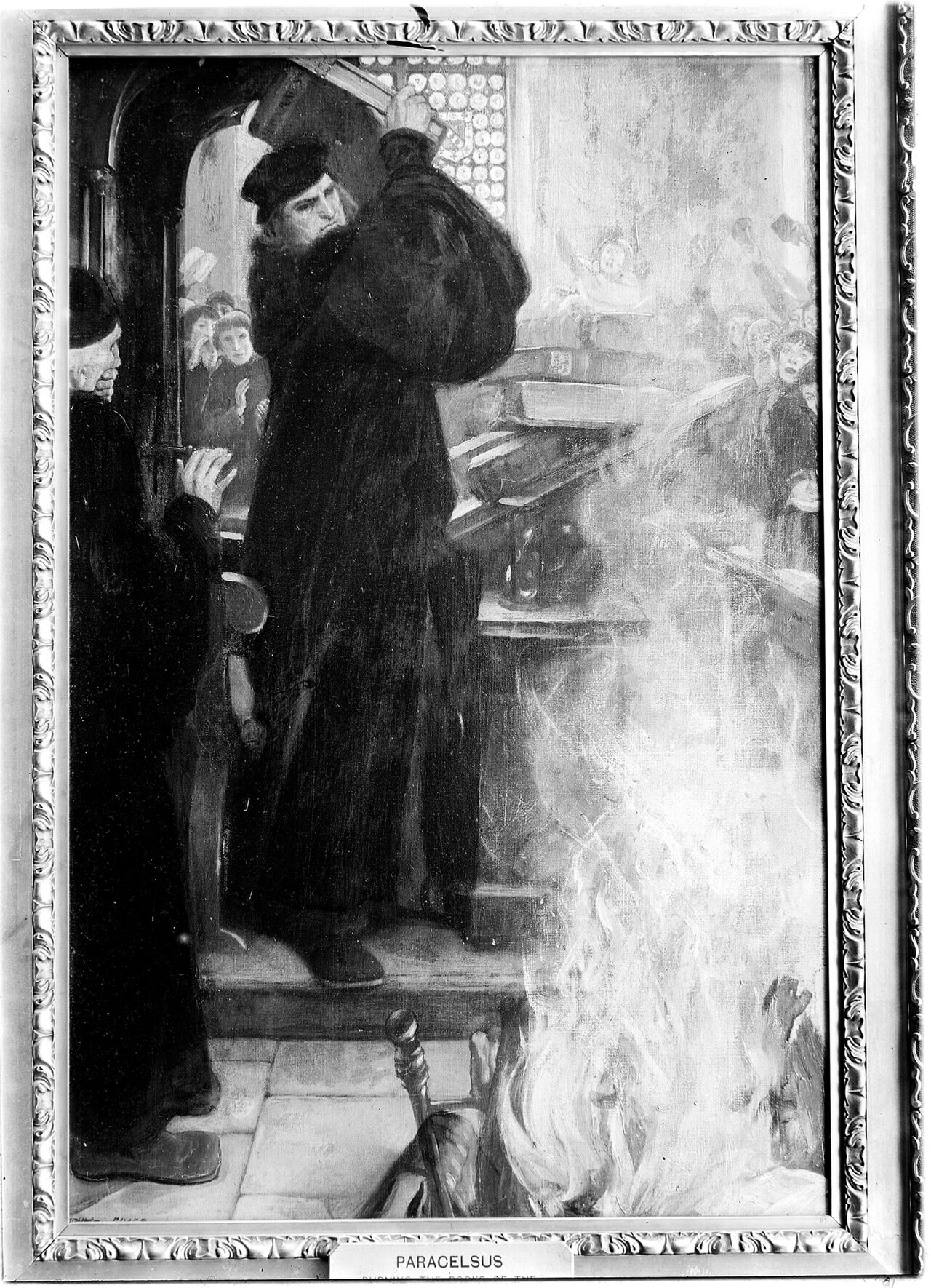
Paracelsus Burning the Books
Ernest Board
A modern painting by Ernest Board imagining Paracelsus burning medical books in 1526, a famous episode in his story.
A later artistic depiction of a famous, perhaps legendary, episode in which Paracelsus is said to have rejected traditional medical authorities.
About this source
What it is
This is an oil painting by Ernest Board showing Paracelsus burning the books of the "Fathers of Medicine" in 1526. It depicts a robed man throwing a book into a fire while onlookers watch, with more books stacked on a lectern nearby.
Why it matters
Painted long after Paracelsus's lifetime, this scene illustrates one of the most famous stories about him: his rejection of ancient medical authorities like Galen and Avicenna in favor of new methods based on observation. Whether or not the event happened exactly this way, the story reveals how Paracelsus was remembered as a rebel against traditional medicine.
Look closer
- Why would an artist choose this dramatic moment to represent Paracelsus?
- What does burning books symbolize, and how might this image shape our view of him as either a hero or a troublemaker?
- Since this painting was made centuries later, what can and can't it tell us about what really happened?
This painting is part of the curated material that grounds the AI version of Paracelsus on Humy.ai — when students ask about related events, the AI can quote it and cite it.
More Paracelsus sources
Browse all 93 →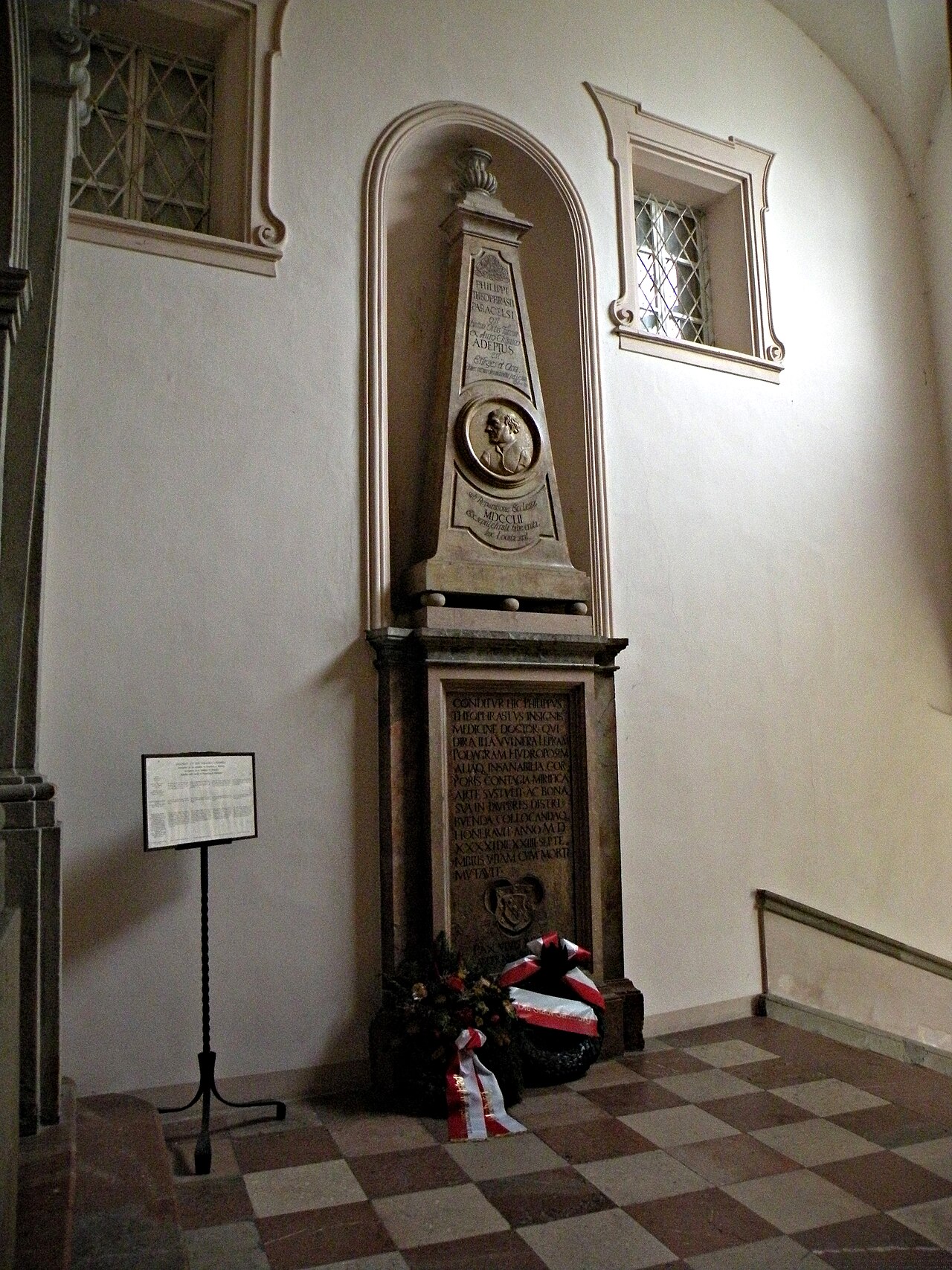 Artifact
Secondary source
Grave of Paracelsus
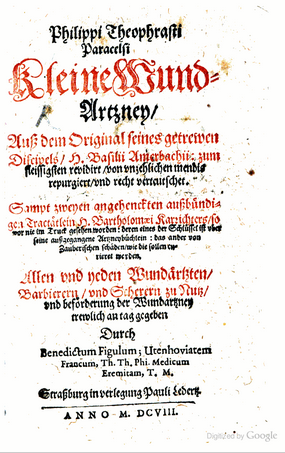 Book
Secondary source
Kleine Wundarzney
Benedictus Figulus (editor), Paracelsus · 1608
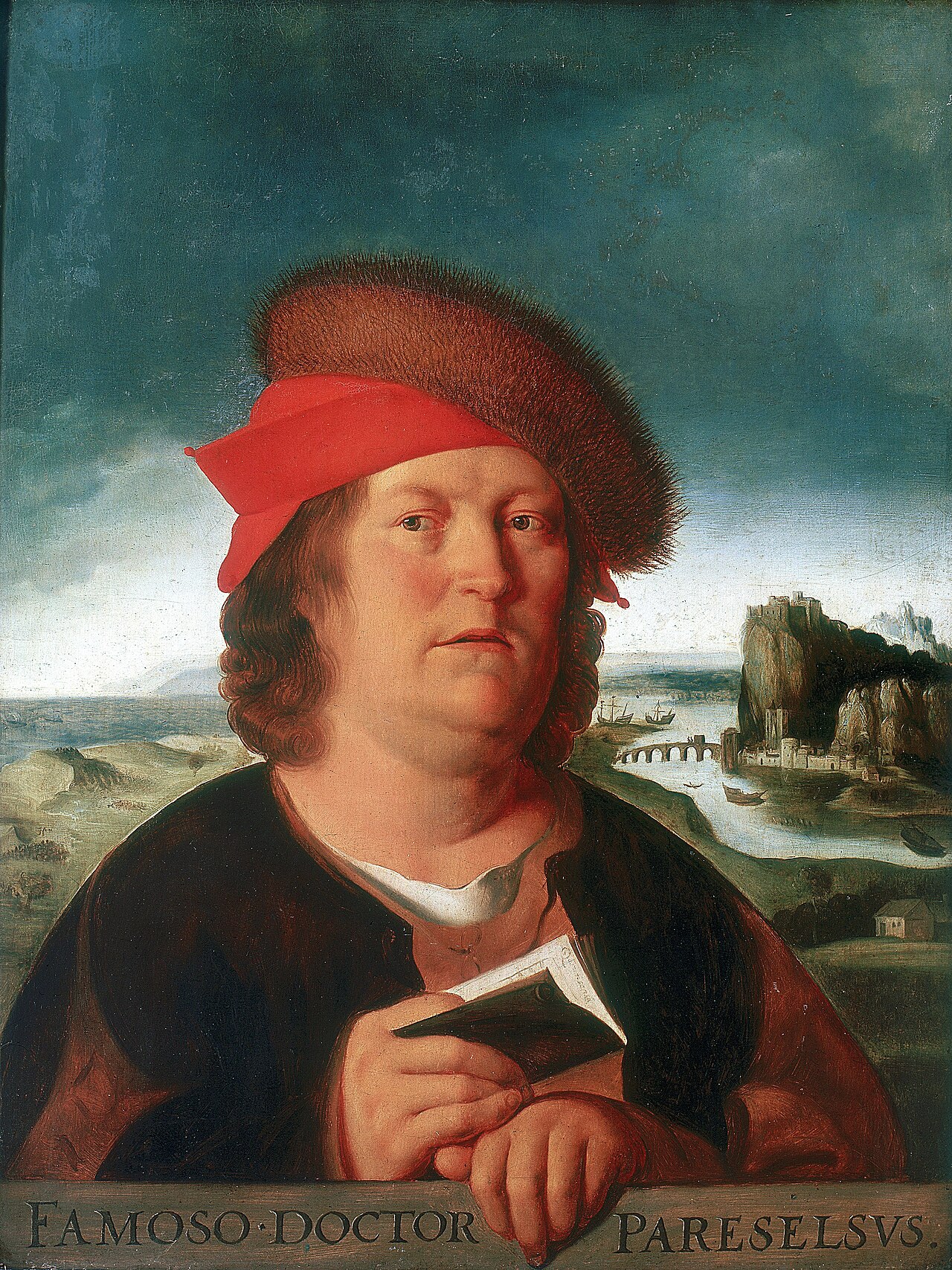 Painting
Secondary source
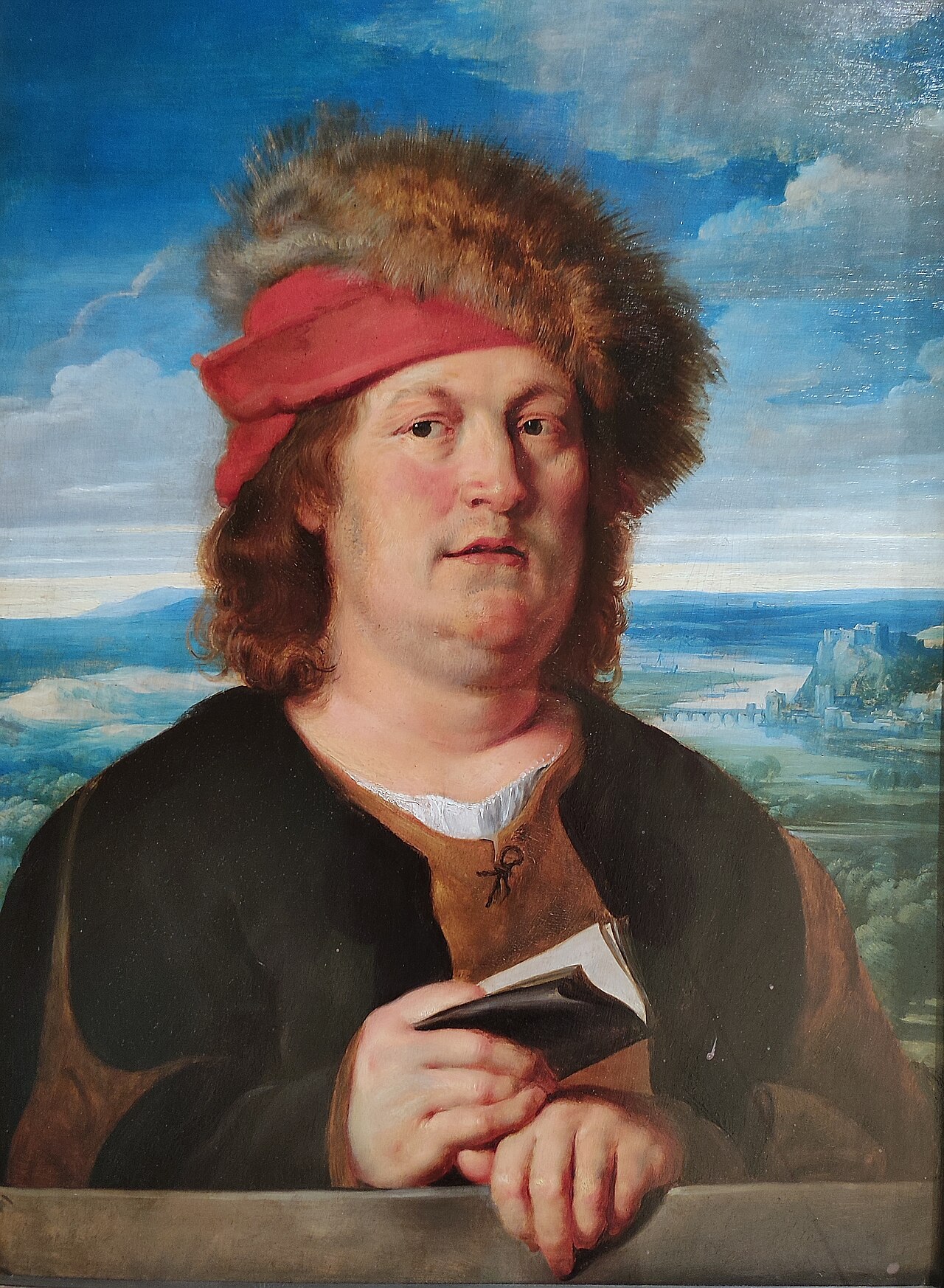
Portrait of een man voor een landschap, zogenaamd de arts Paracelsus
1650
 Painting
Secondary source
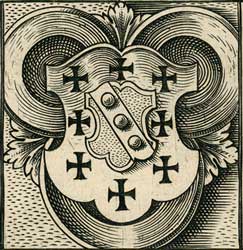
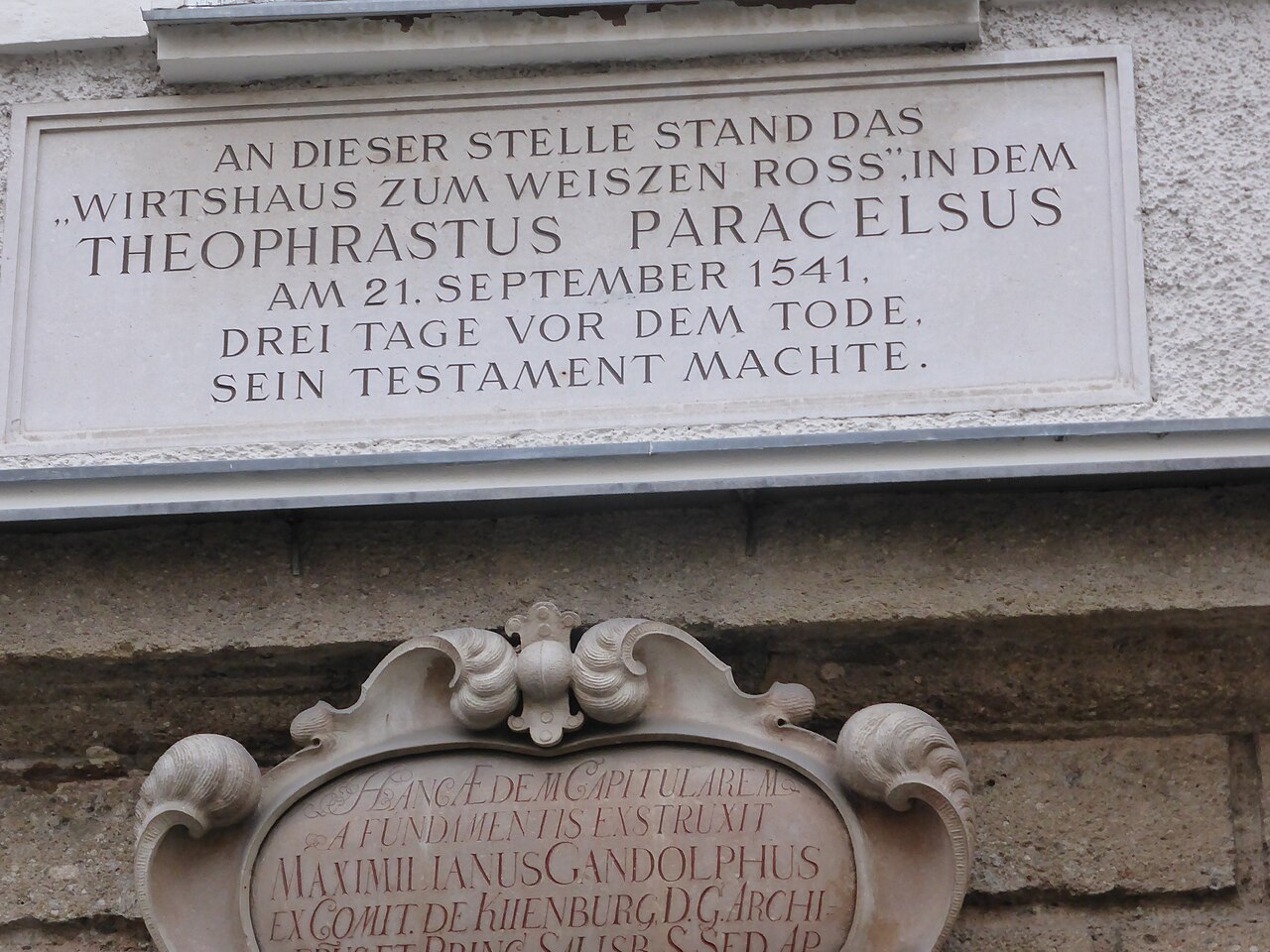
Portrait of Paracelsus
Peter Paul Rubens · 1625
Free account
Read every Paracelsus source
Sign up free →
Ready when you are
Start chatting with Paracelsus now.
20 messages free · No credit card · Available in 50+ languages.