


Secondary sourceSculpture1936
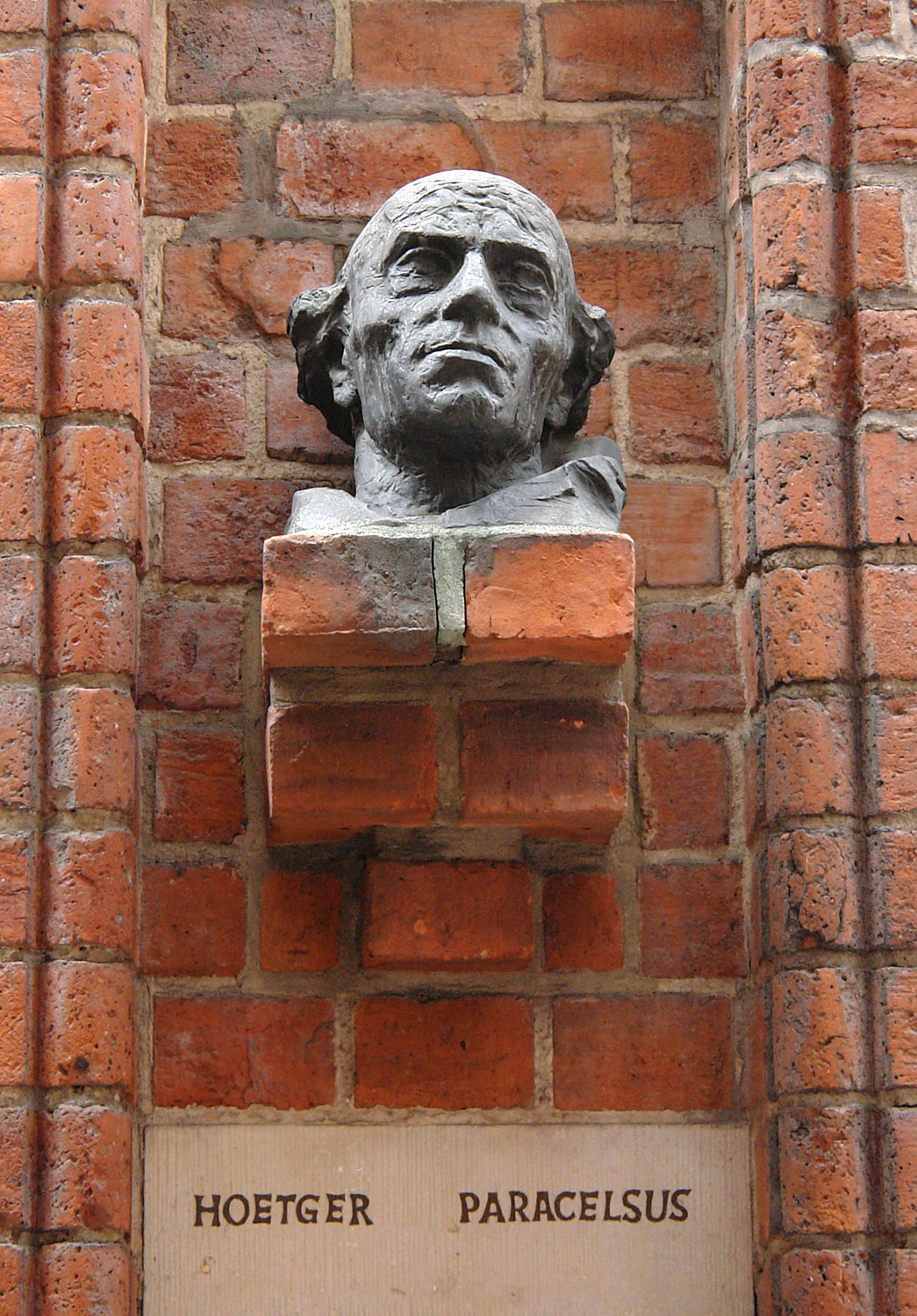
Paracelsus head sculpture by Bernhard Hoetger
Bernhard Hoetger · 1936
A bronze head of Paracelsus made by Bernhard Hoetger in 1936, set in a brick wall in Bremen. It is a protected monument.
A later bronze memorial head honouring Paracelsus, showing how his reputation was celebrated in 20th-century Germany.
About this source
What it is
This is a bronze head of Paracelsus made in 1936 by the sculptor Bernhard Hoetger. It stands in the Böttcherstraße in Bremen, Germany, above a plaque reading HOETGER PARACELSUS. The catalogue describes it as a bronze bust of a bald, older man with deep-set eyes, pressed into a brick wall corner on a projecting brick ledge. The Bremen State Office for Monument Preservation lists it as a protected cultural monument. The image in the catalogue is a photograph of the sculpture.
Why it matters
Paracelsus died in 1541, so this sculpture was made almost four centuries after his death. It shows how a later age chose to honour him. Its placement in a brick wall in a Bremen street shows how a figure from the 1500s could be remembered in the 1930s.
Look closer
- What does the face of the bronze head suggest about the man it honours, and what might the sculptor have chosen to emphasise?
- Why would a city in 1936 choose to place a memorial to a 16th-century physician in a public street?
- What does this sculpture leave out, since it was not made from life?
This sculpture is part of the curated material that grounds the AI version of Paracelsus on Humy.ai — when students ask about related events, the AI can quote it and cite it.
More Paracelsus sources
Browse all 93 →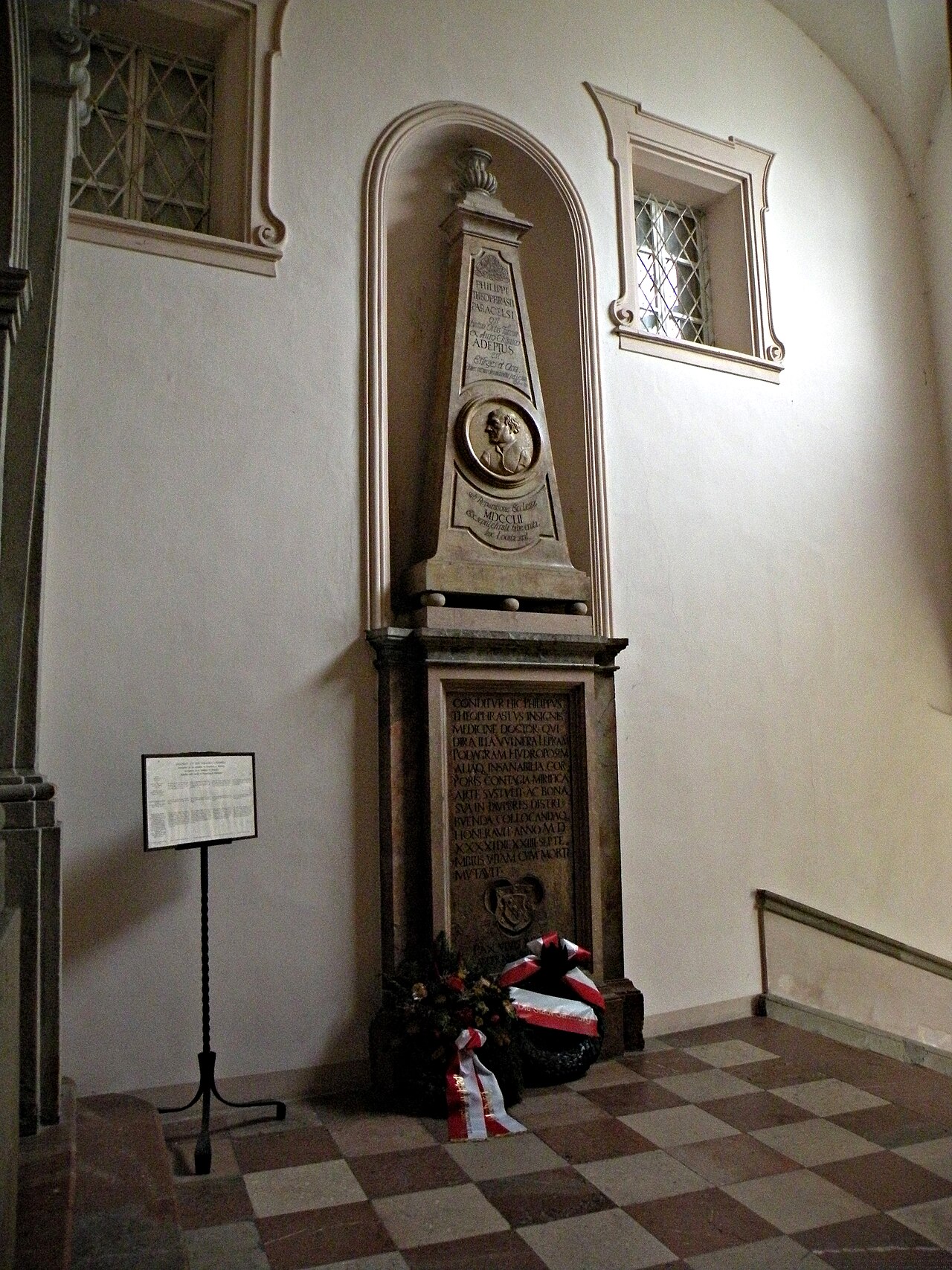 Artifact
Secondary source
Grave of Paracelsus
 Book
Secondary source
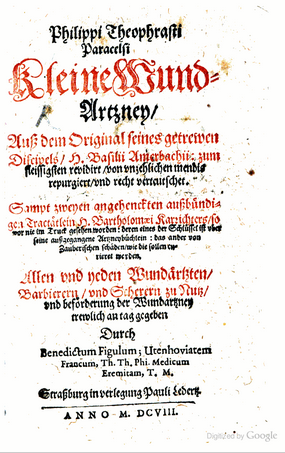
Kleine Wundarzney
Benedictus Figulus (editor), Paracelsus · 1608
 Painting
Secondary source
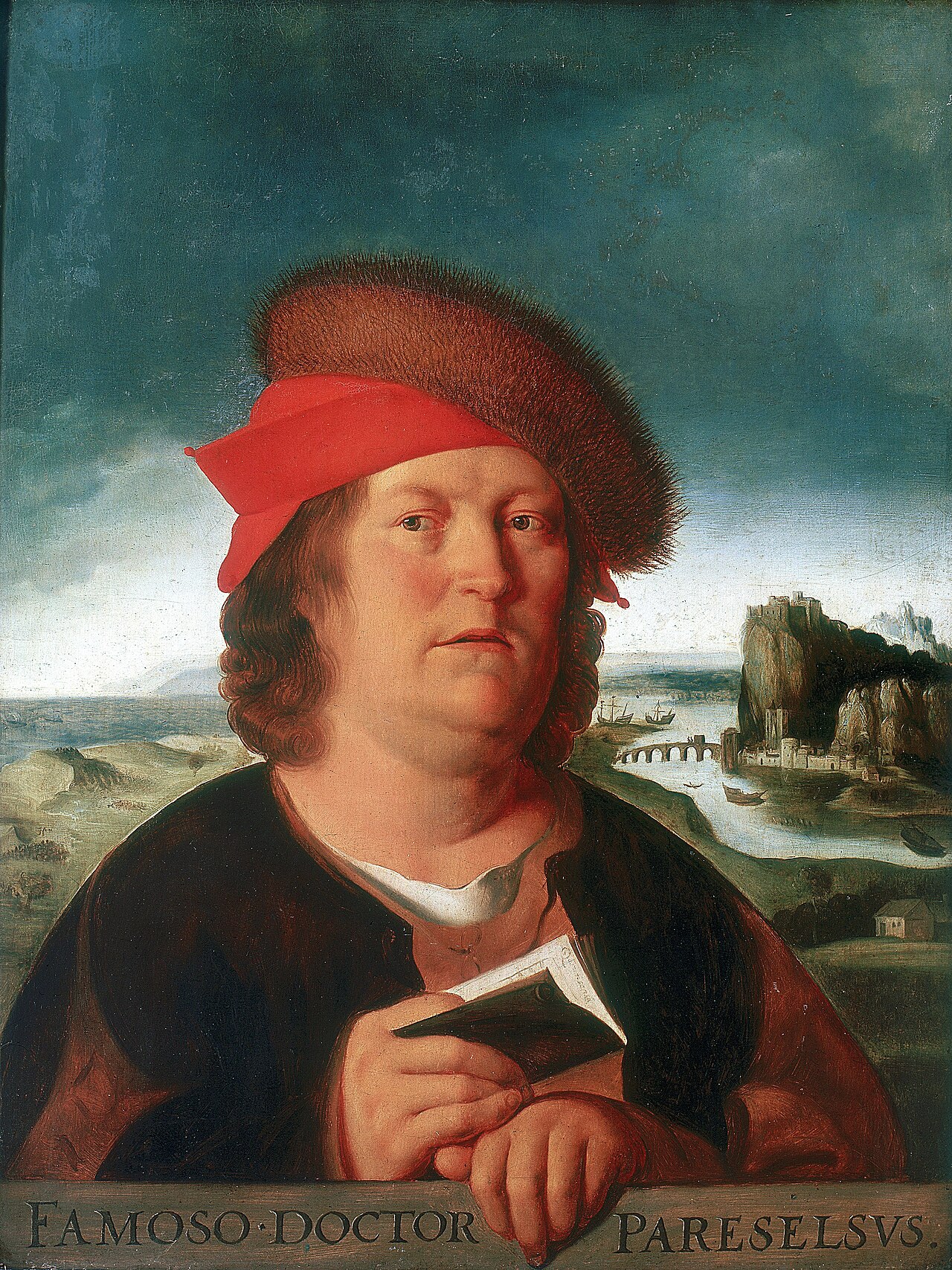
Portrait of een man voor een landschap, zogenaamd de arts Paracelsus
1650
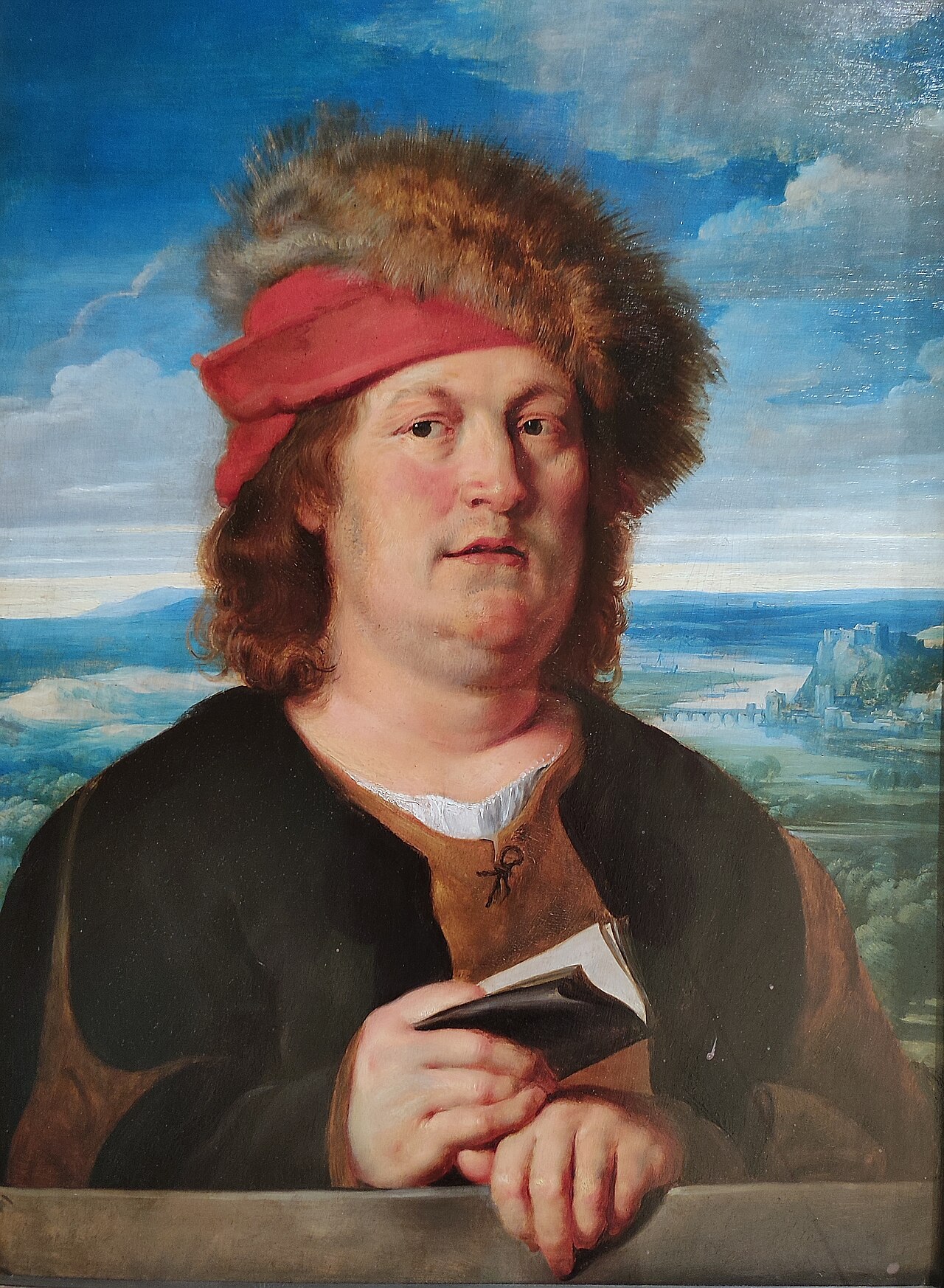 Painting
Secondary source
Portrait of Paracelsus
Peter Paul Rubens · 1625
Free account
Read every Paracelsus source
Sign up free →
Ready when you are
Start chatting with Paracelsus now.
20 messages free · No credit card · Available in 50+ languages.