


Secondary sourcePaintingunknown (18th century?), based on 1540 portrait
Paracelsus Portrait after Hirschvogel
Unknown artist · unknown (18th century?), based on 1540 portrait
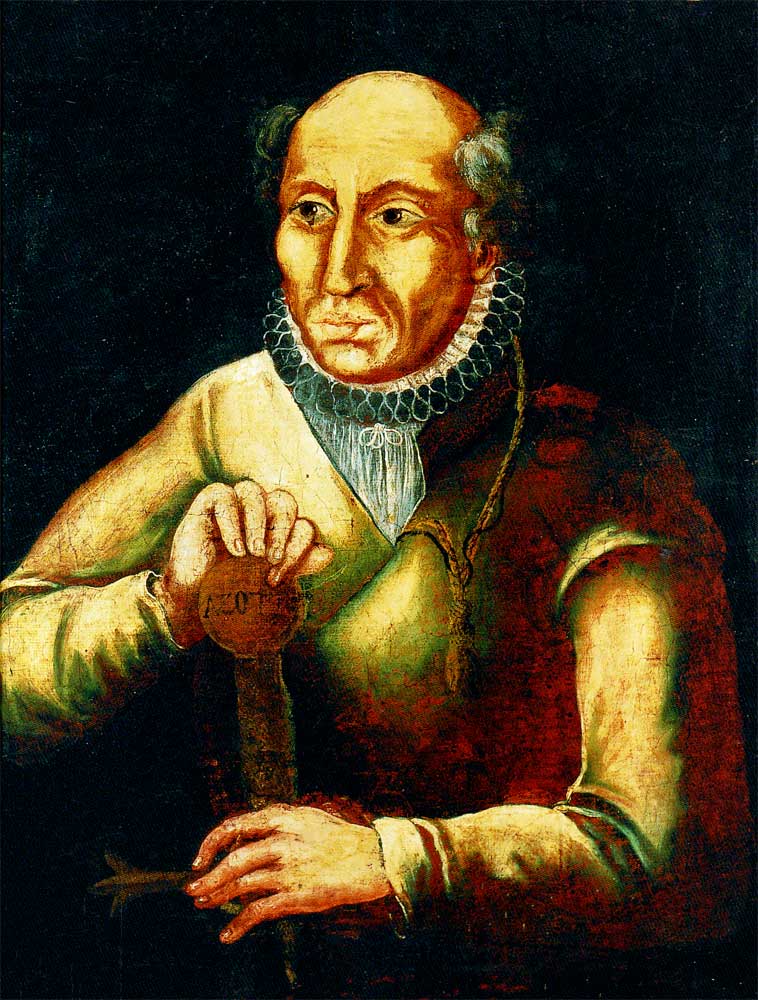
A later painted portrait of Paracelsus based on a 1540 engraving, showing him with a sword inscribed with a conventional word.
A later painted likeness of Paracelsus, showing how his image was passed down and embellished after his death.
About this source
What it is
This painting portrays Paracelsus, likely made in the 18th century, based on the 1540 engraved portrait by Augustin Hirschvogel. The inscription on the sword pommel became a standard feature after a later 1567 "Rosicrucian" portrait, not an original detail from Paracelsus's own lifetime.
Why it matters
Because Paracelsus became a legendary figure in alchemy and medicine, his image was repeatedly copied and reinterpreted by later artists. This painting shows how his legacy was shaped and embellished long after his death, blending fact and legend.
Look closer
- What does the sword and its inscription suggest about how later generations wanted to remember Paracelsus?
- Why might an artist copy an older portrait rather than create an entirely new image?
- What can and can't a portrait like this tell us about what Paracelsus actually looked like?
This painting is part of the curated material that grounds the AI version of Paracelsus on Humy.ai — when students ask about related events, the AI can quote it and cite it.
More Paracelsus sources
Browse all 93 →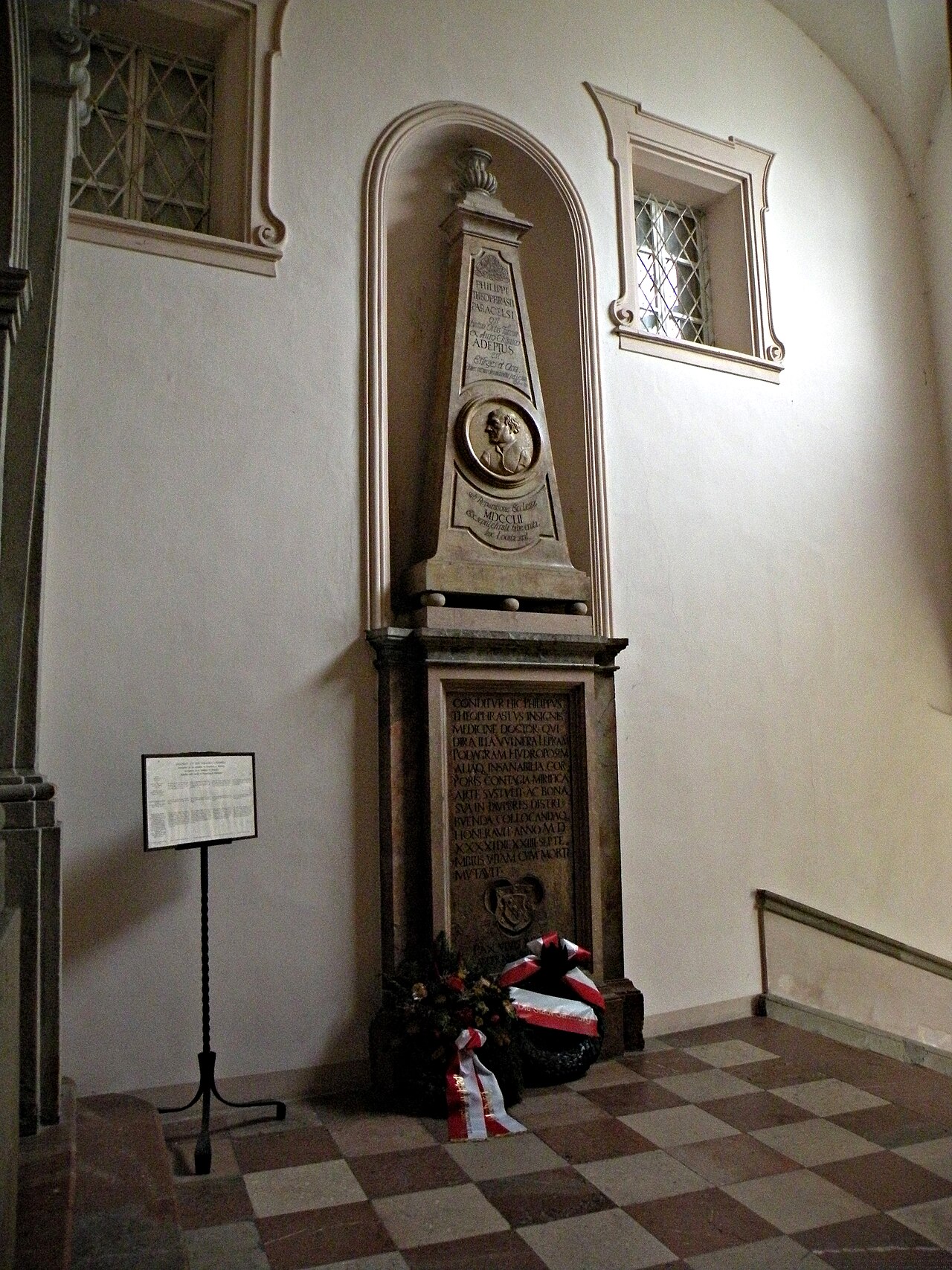 Artifact
Secondary source
Grave of Paracelsus
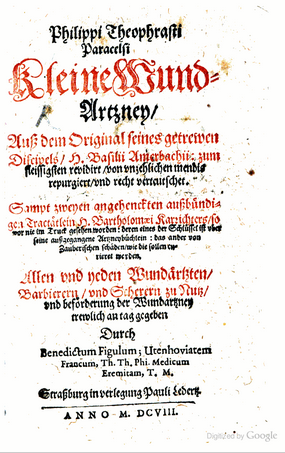 Book
Secondary source
Kleine Wundarzney
Benedictus Figulus (editor), Paracelsus · 1608
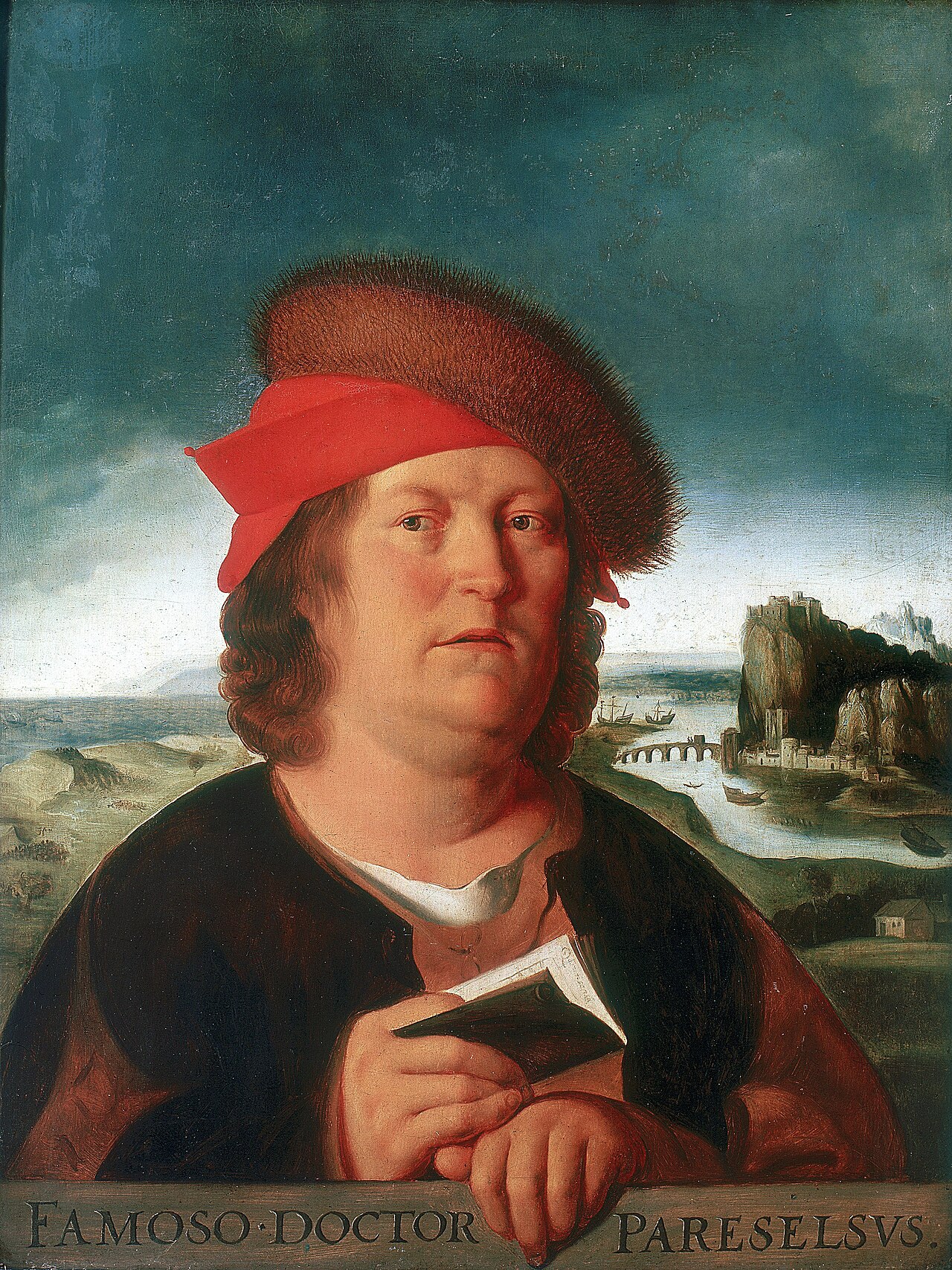 Painting
Secondary source
Portrait of een man voor een landschap, zogenaamd de arts Paracelsus
1650
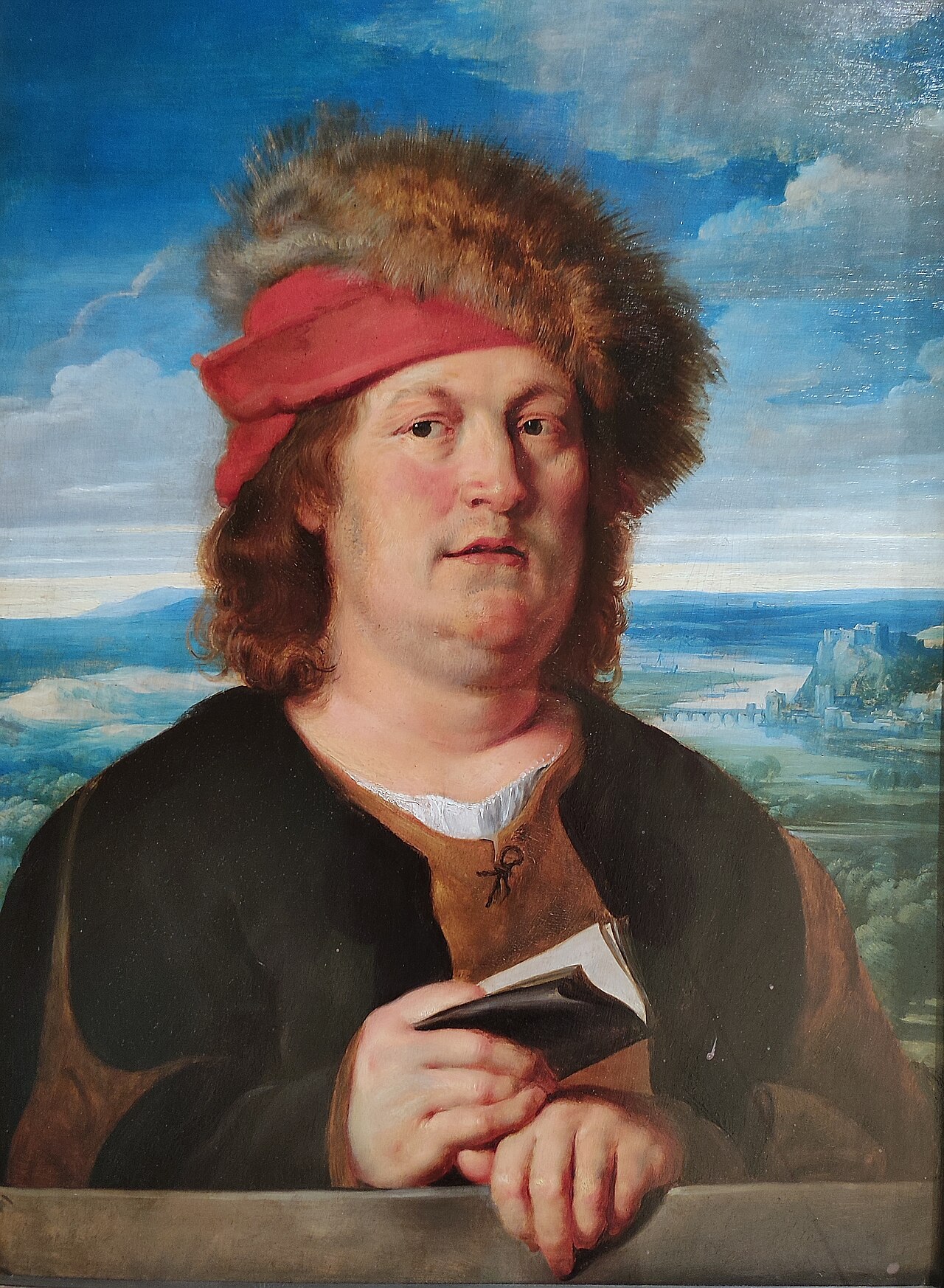 Painting
Secondary source
Portrait of Paracelsus
Peter Paul Rubens · 1625
Free account
Read every Paracelsus source
Sign up free →
Ready when you are
Start chatting with Paracelsus now.
20 messages free · No credit card · Available in 50+ languages.