


Secondary sourceBook1020
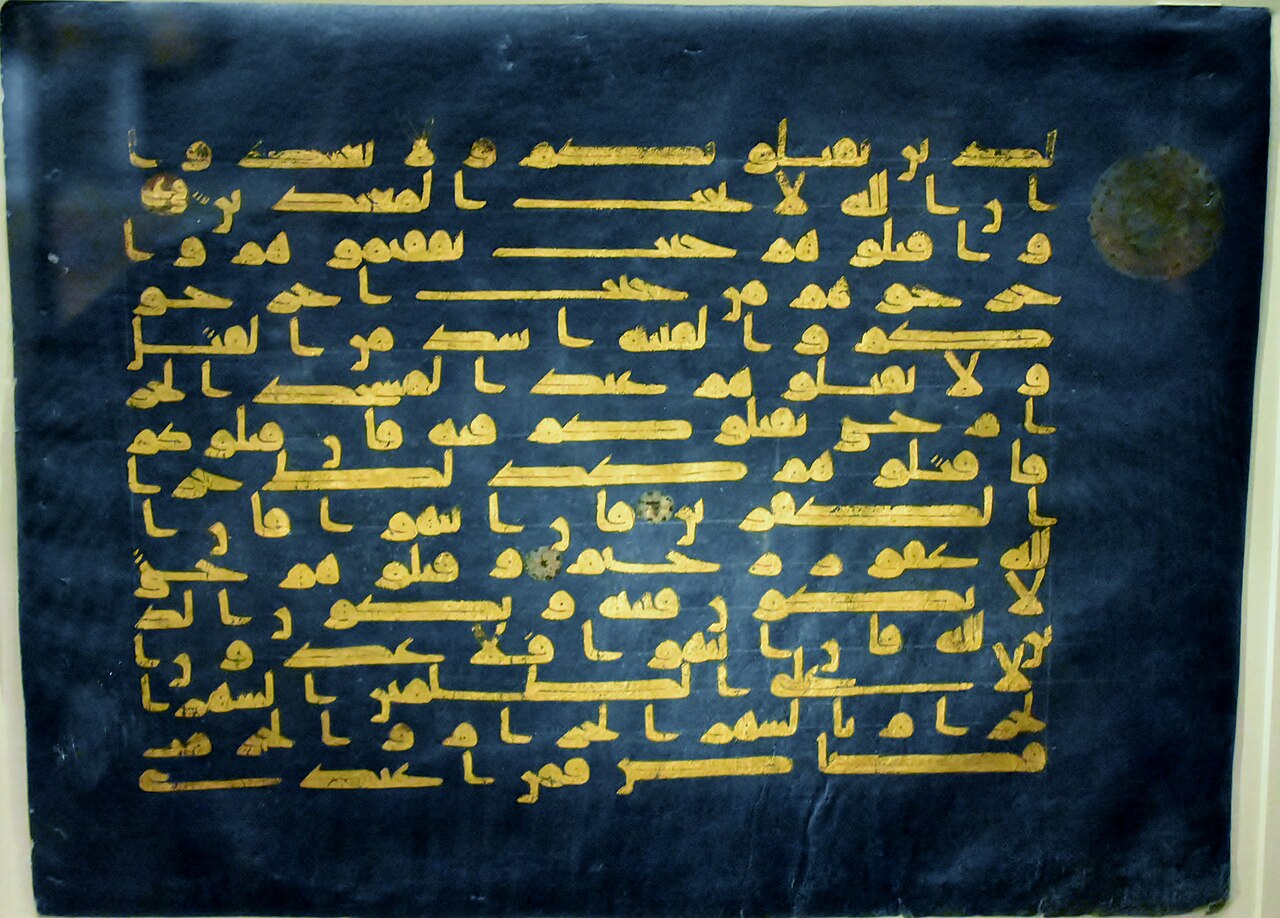
Parchment Quran in Eastern Kufic from Kairouan
1020
An eleventh-century Quran leaf from Kairouan, a city in a region conquered under Uthman's caliphate, though made centuries after his death.
This later Quran copy comes from Kairouan, a city in a region conquered during Uthman's caliphate, showing its long Islamic heritage.
About this source
What it is
This is a page from a Quran manuscript written in Eastern Kufic script, made in Kairouan in the year 1020. It is held in the David Collection. The parchment is dyed deep blue, with the Arabic text written in gold.
Why it matters
Kairouan was part of Ifriqiya, a region brought under Muslim rule during the era of the early caliphs, including Uthman ibn Affan. This manuscript does not come from Uthman's own lifetime, but it shows how the Quran continued to be copied and decorated in regions connected to the early Islamic conquests, long after his death.
Look closer
- What does the choice of gold ink and blue dye suggest about who this book was made for?
- How might the style of script have changed between Uthman's time and the year 1020?
- Why might a region's connection to early Islamic history still matter centuries later?
This book is part of the curated material that grounds the AI version of Uthman ibn Affan on Humy.ai — when students ask about related events, the AI can quote it and cite it.
More Uthman ibn Affan sources
Browse all 45 →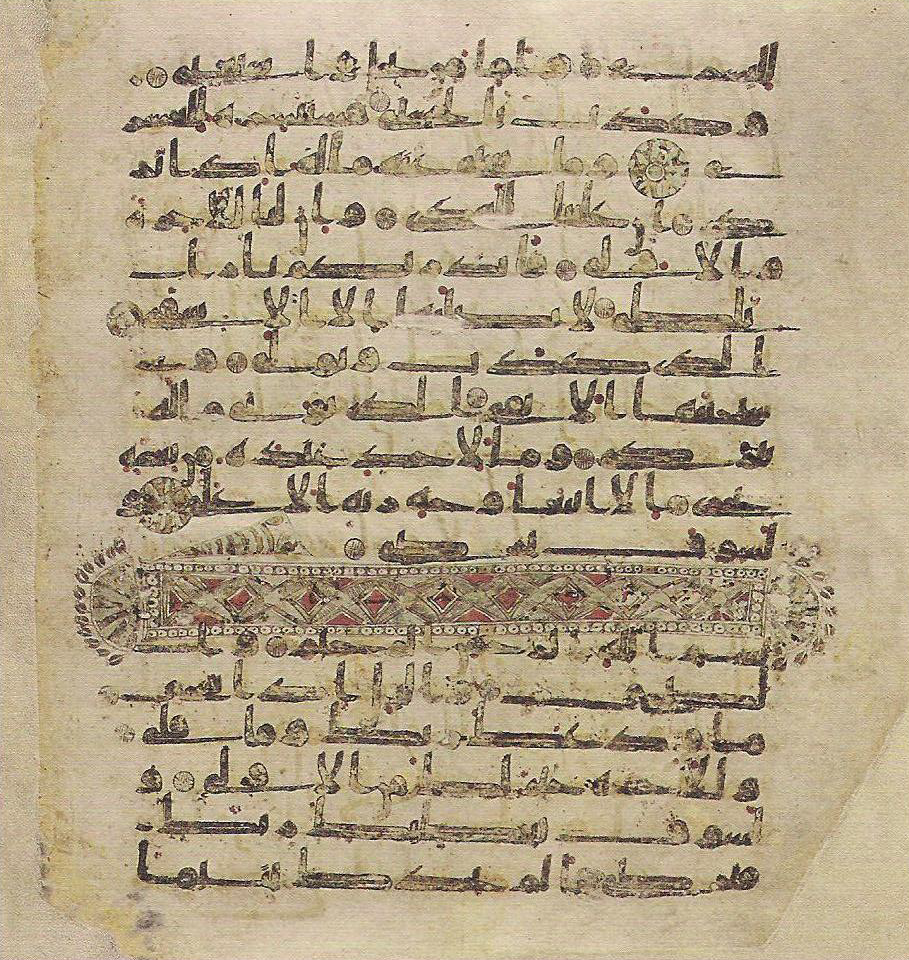 Book
Secondary source
Topkapi manuscript
c. 725-775 CE (traditionally linked to Uthman, d. 656)
 Document
Primary source
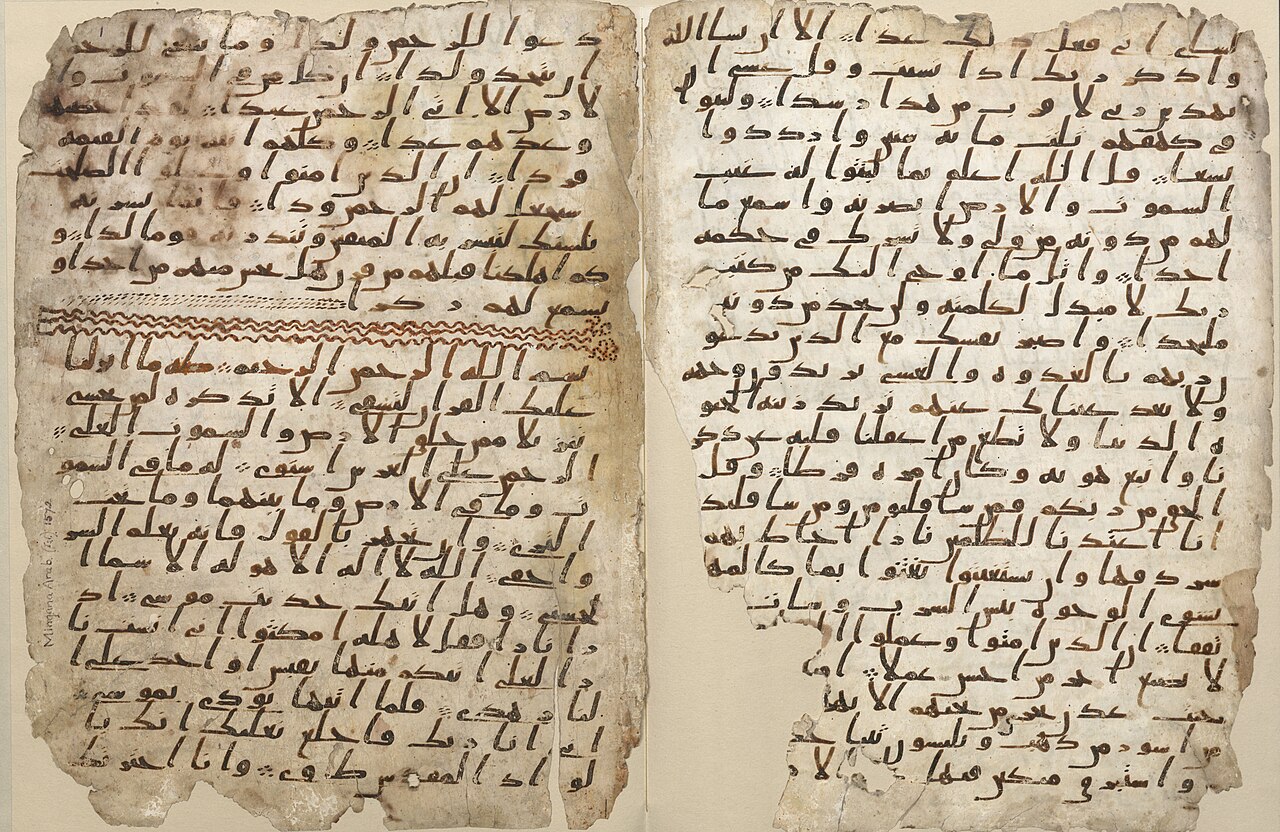
Birmingham Quran Manuscript
568–645 CE
 Book
Primary source
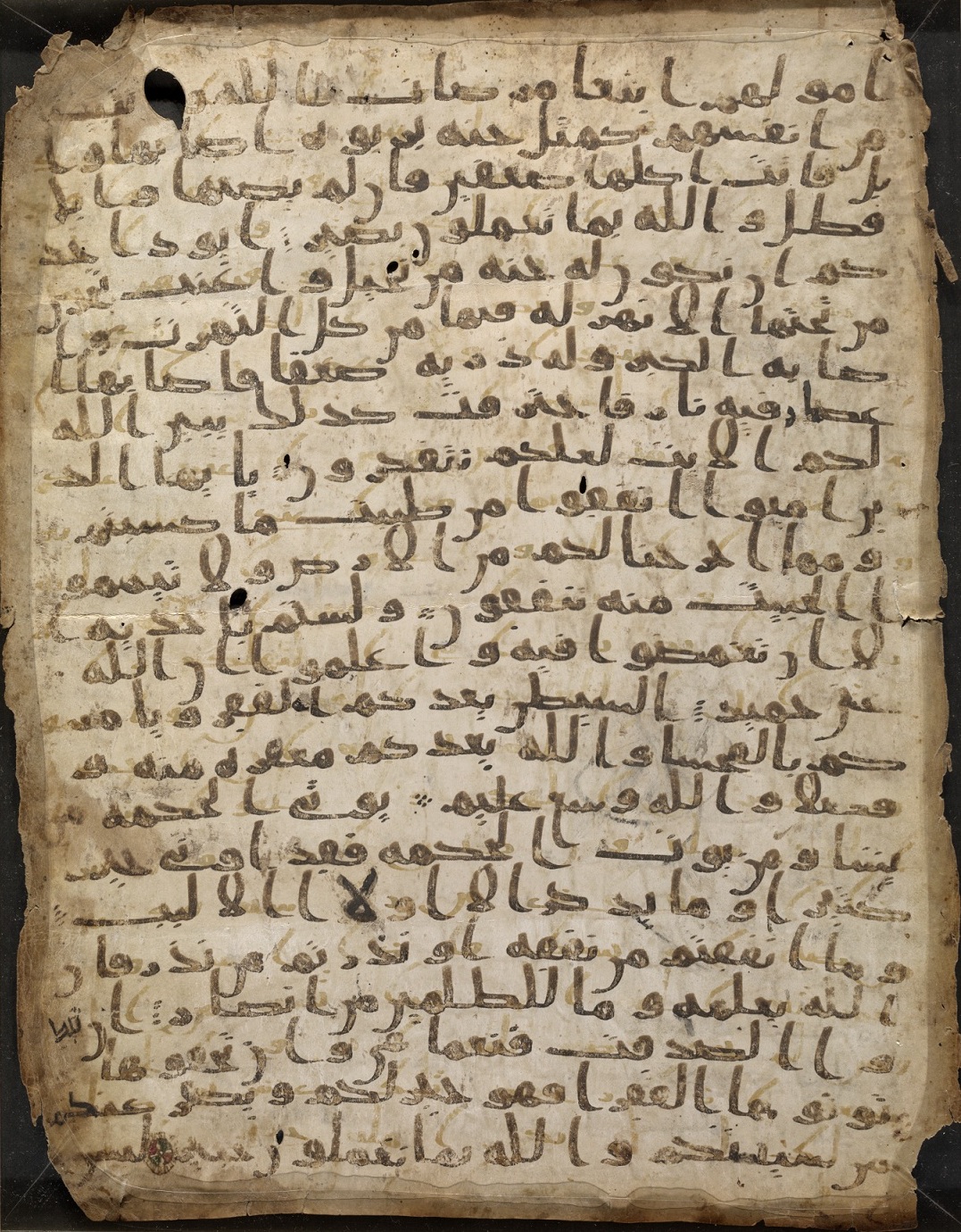
Sana'a Manuscript
c. 650 CE
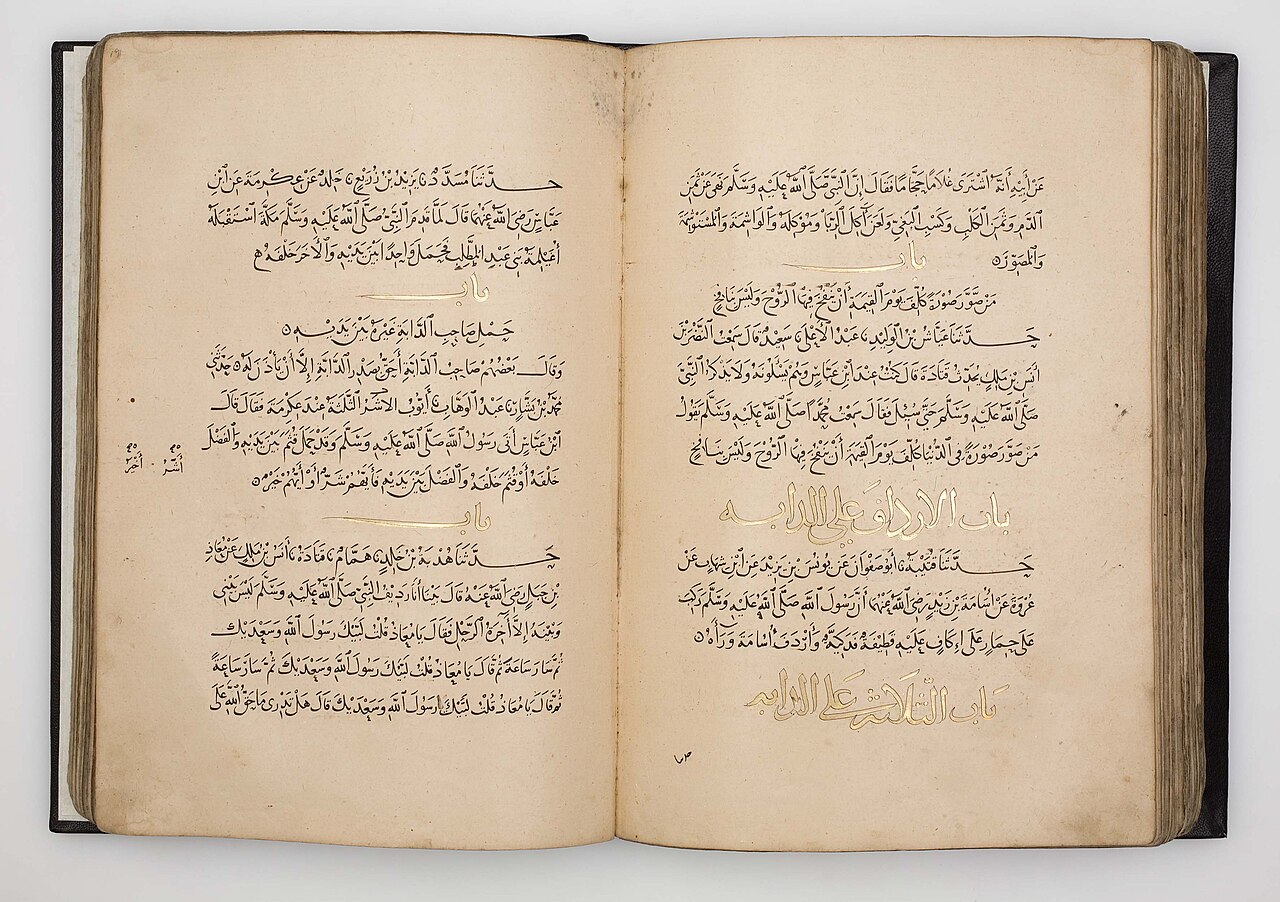 Book
Secondary source
Sahih al-Bukhari
Muhammad ibn Isma'il al-Bukhari · c. 846 CE
Free account
Read every Uthman ibn Affan source
Sign up free →
Ready when you are
Start chatting with Uthman ibn Affan now.
20 messages free · No credit card · Available in 50+ languages.