


Primary sourceDocument1947
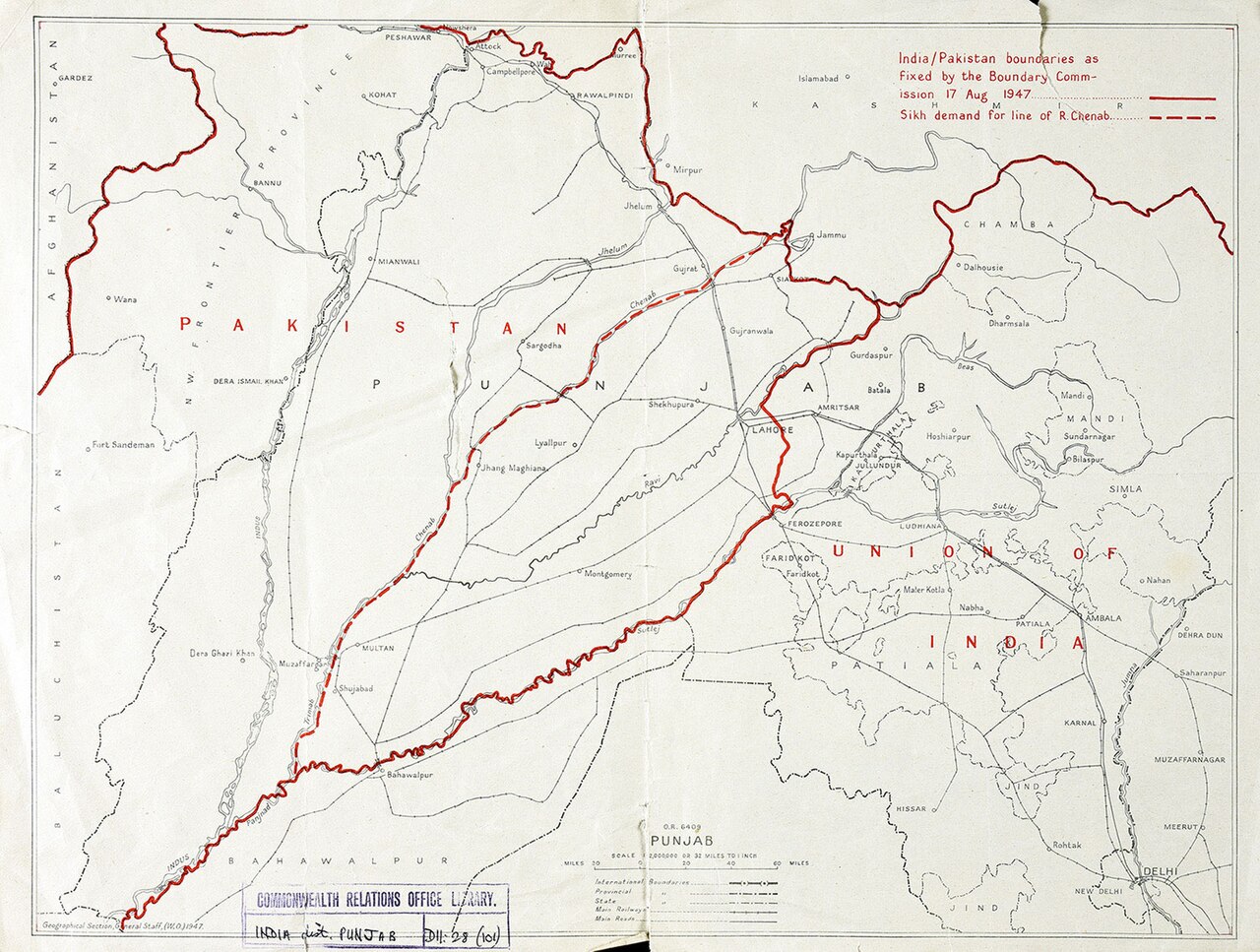
Partition map of Punjab, General Staff, 1947
Geographical Section, General Staff · 1947
A 1947 military map of the Punjab showing the India and Pakistan boundaries and the Sikh demand for a border along the Chenab River.
Shows the Punjab border drawn during the partition that Mountbatten oversaw as viceroy, and the competing Sikh border demand.
About this source
What it is
This is a printed map of the Punjab region made in 1947 by the Geographical Section of the General Staff. It is titled Punjab and shows the India and Pakistan boundaries as fixed by the Boundary Commission on 17 August 1947. A red line marks the border, and a dashed red line marks the Sikh demand along the River Chenab. Labels show Lahore, Amritsar, Delhi and other places. The archive reference is CO1054/76. The version on Wikimedia Commons has later markups about irrigation added, so it is not the untouched 1947 print.
Why it matters
The map was drawn during the partition of British India, which Mountbatten oversaw as the last viceroy. It shows how the border was drawn on paper and how the Sikh leadership, including Master Tara Singh, wanted the line to run along the Chenab. Maps like this help students see how a border that divided families and cities was planned and argued over.
Look closer
- Which city is placed on the Pakistan side of the Sikh demand line, and what does that suggest about the dispute?
- Who would have used this map, and for what decisions?
- What does a map like this leave out about the people who lived along the line?
This document is part of the curated material that grounds the AI version of Lord Mountbatten on Humy.ai — when students ask about related events, the AI can quote it and cite it.
More Lord Mountbatten sources
Browse all 99 →Primary source
Indian Independence Act 1947
Parliament of the United Kingdom · 1947
 Photograph
Primary source
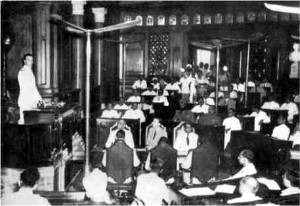
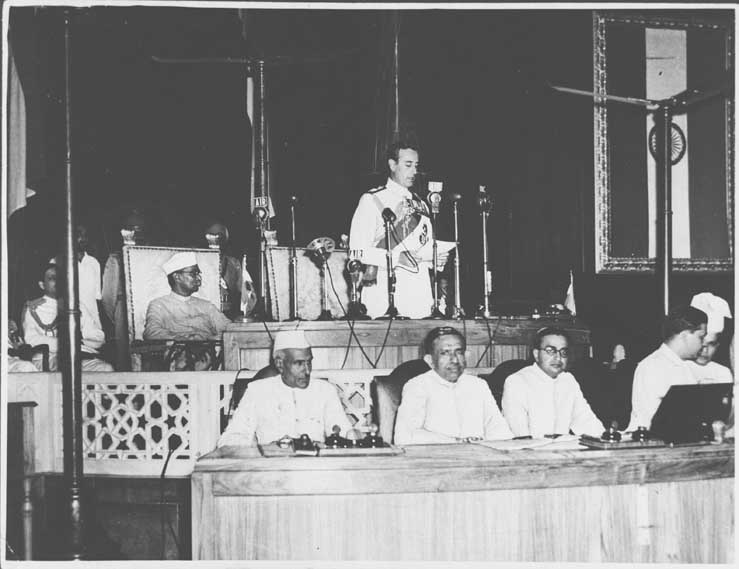
Lord Mountbatten addressing the Chamber of Princes
Unknown · 25 July 1947
 Photograph
Primary source
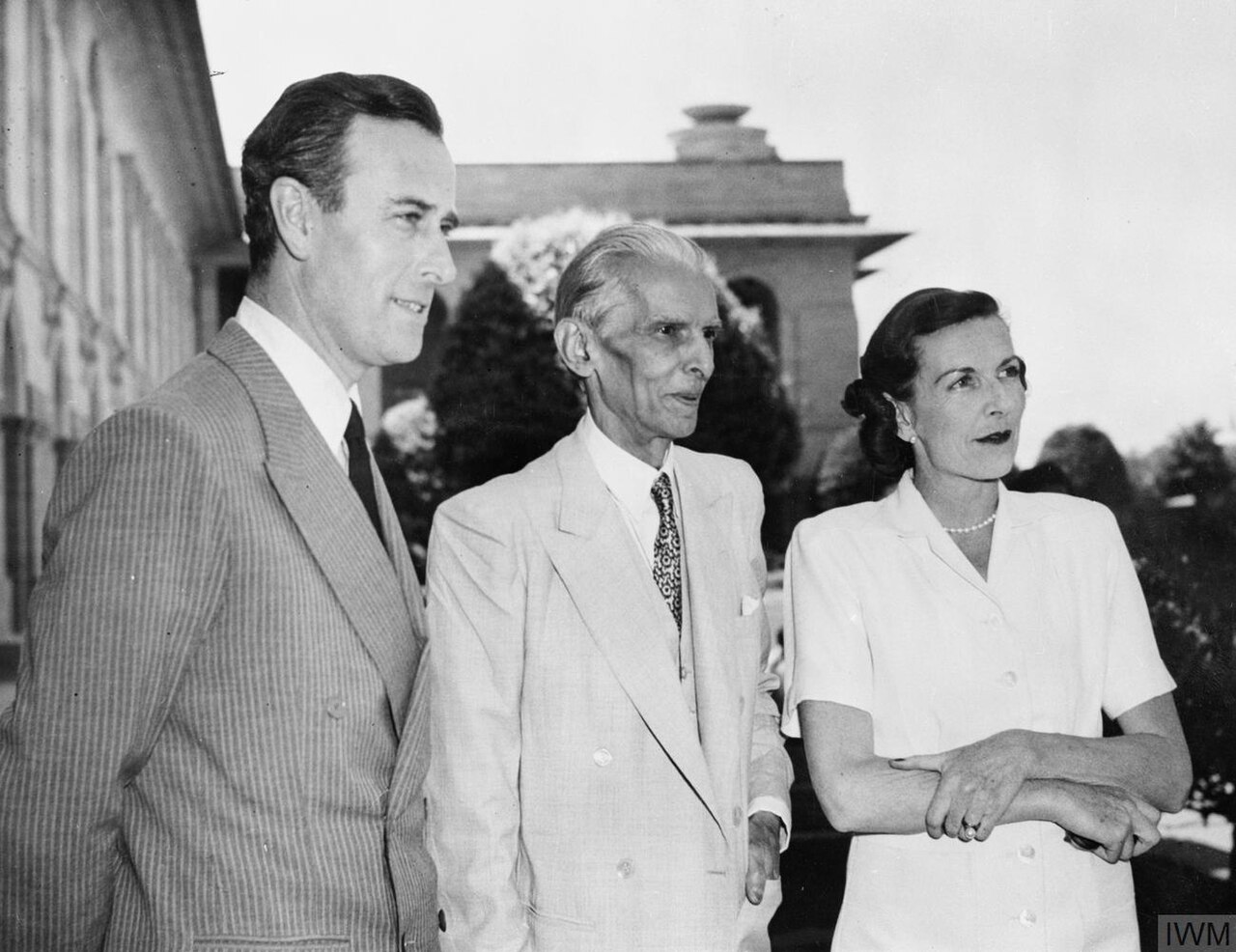
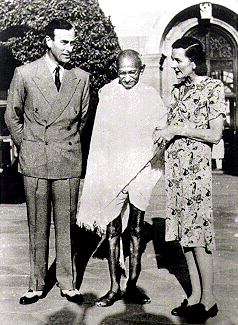
Mountbatten Jinnah
No 9 Army Film & Photographic Unit · 1947
 Document
Primary source
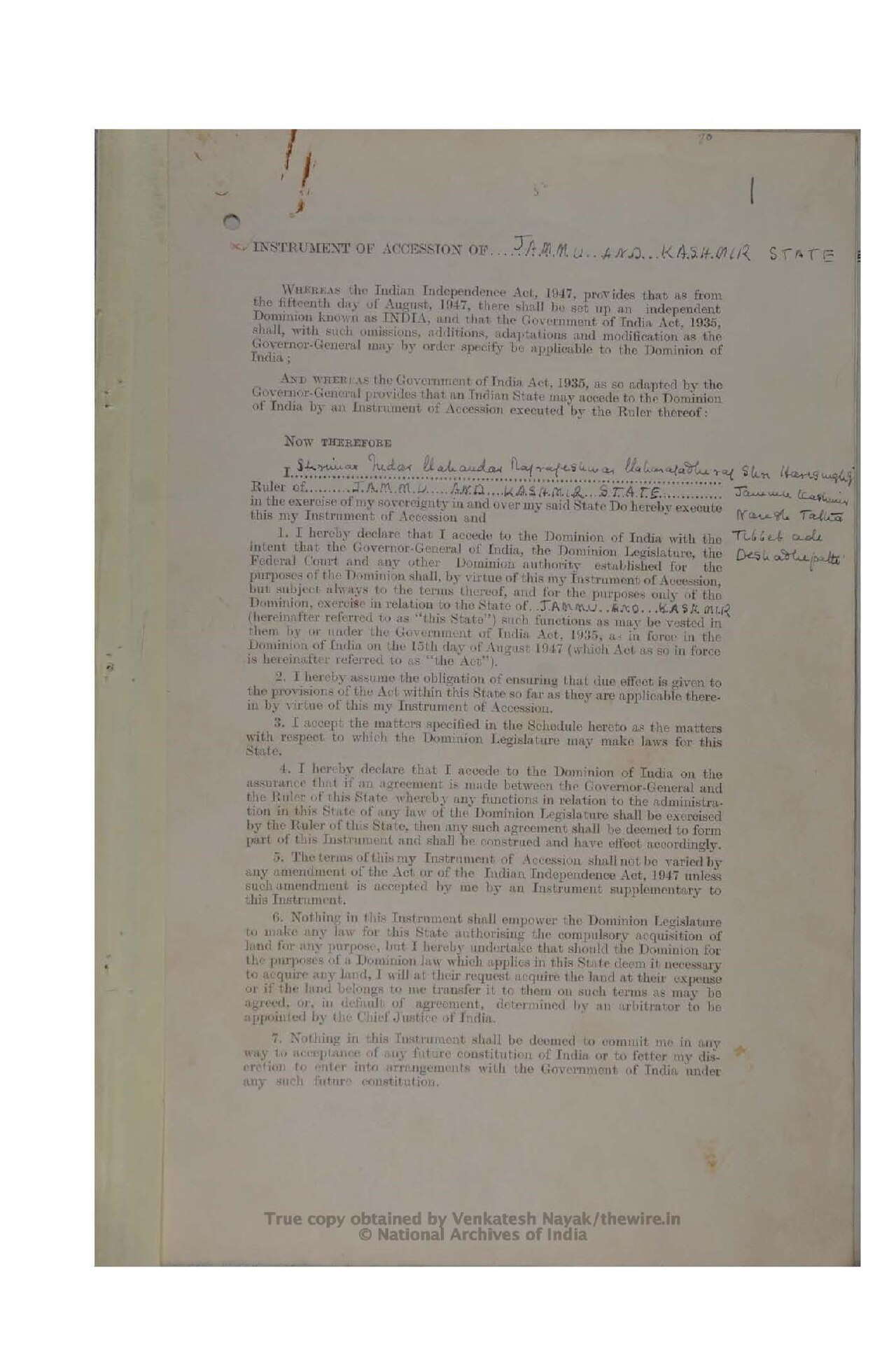
Instrument of Accession of Jammu and Kashmir
Hari Singh · 26 October 1947
Free account
Read every Lord Mountbatten source
Sign up free →
Ready when you are
Start chatting with Lord Mountbatten now.
20 messages free · No credit card · Available in 50+ languages.