


Primary sourceArtifact1642
Pascal's calculator
Blaise Pascal · 1642
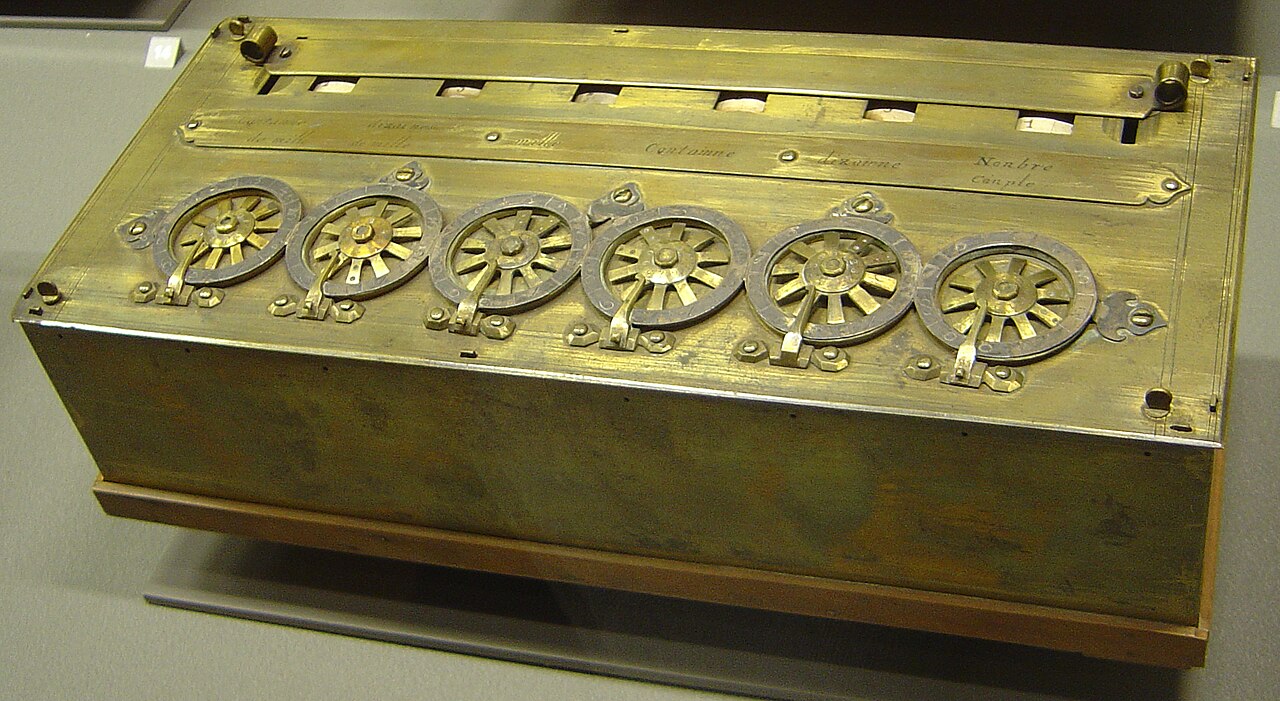
The Pascaline, a brass mechanical calculator Pascal built starting in 1642 to help with his father's tax work, one of the earliest calculating machines.
Pascal's own invention, built as a teenager, showing his talent as an engineer as well as a mathematician.
About this source
What it is
The Pascaline is a mechanical calculator invented by Blaise Pascal in 1642, when he was eighteen. It used dials with a stylus to add and subtract numbers, and could multiply or divide through repeated addition or subtraction. Pascal built around twenty machines over the next decade; nine are known to survive today, mostly in European museums.
Why it matters
Pascal built the machine to help his father, a tax official in Rouen, with laborious calculations. It was the first working mechanical calculator with a reliable 'carry' mechanism, letting one dial automatically affect the next. King Louis XIV granted Pascal an exclusive right to make and sell such machines, and later inventors, including Gottfried Leibniz, built on his ideas.
Look closer
- What practical problem was this machine built to solve?
- Why might a teenager's invention have taken decades to become widely useful?
- What does the machine's design tell you about the technology available in the 1640s?
This artifact is part of the curated material that grounds the AI version of Blaise Pascal on Humy.ai — when students ask about related events, the AI can quote it and cite it.
More Blaise Pascal sources
Browse all 91 →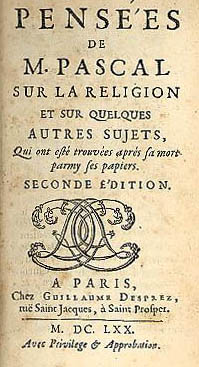 Book
Secondary source
Pensées
Blaise Pascal · 1670
 Book
Primary source
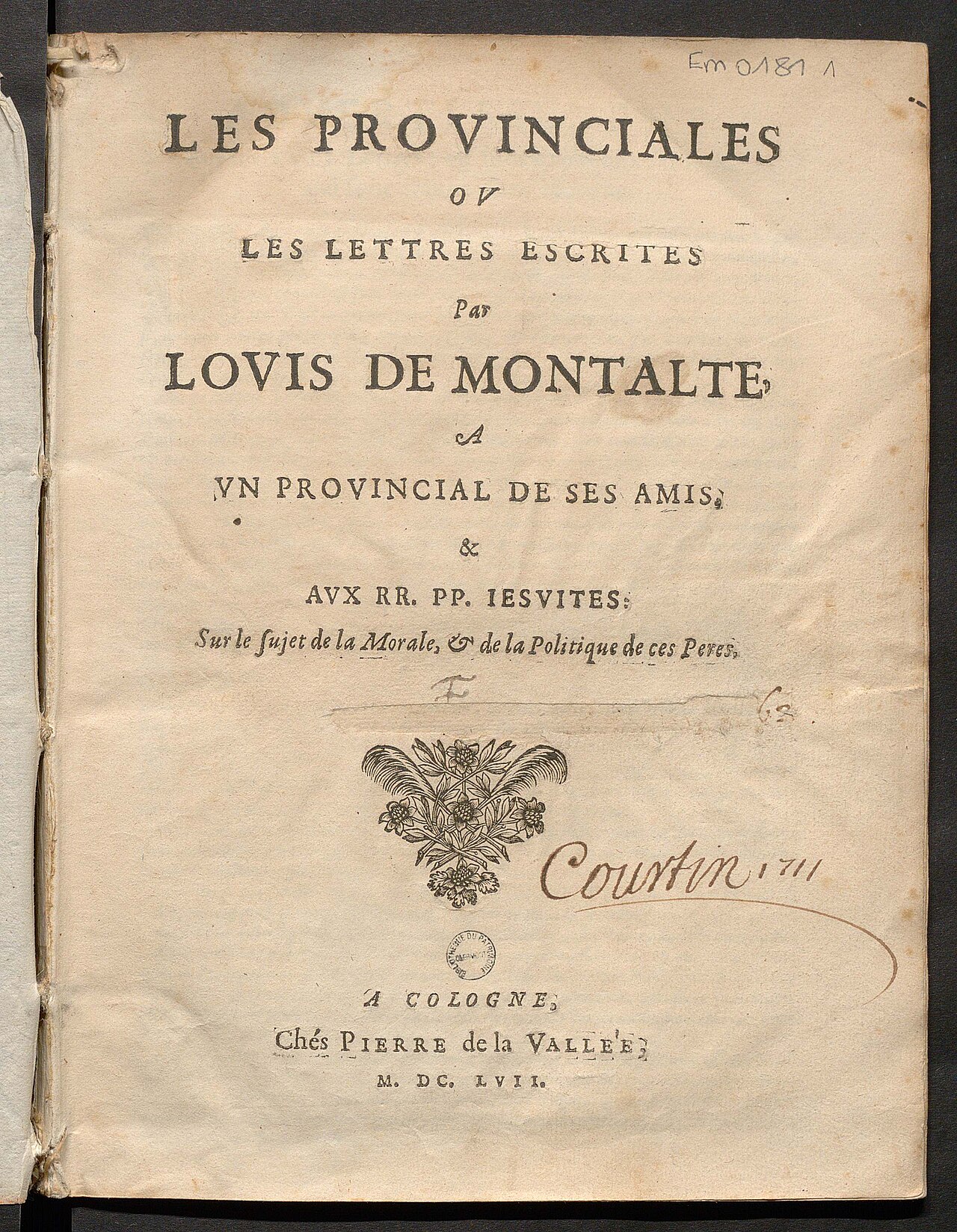
Lettres provinciales
Blaise Pascal · 1656–1657
 Diary entry
Primary source
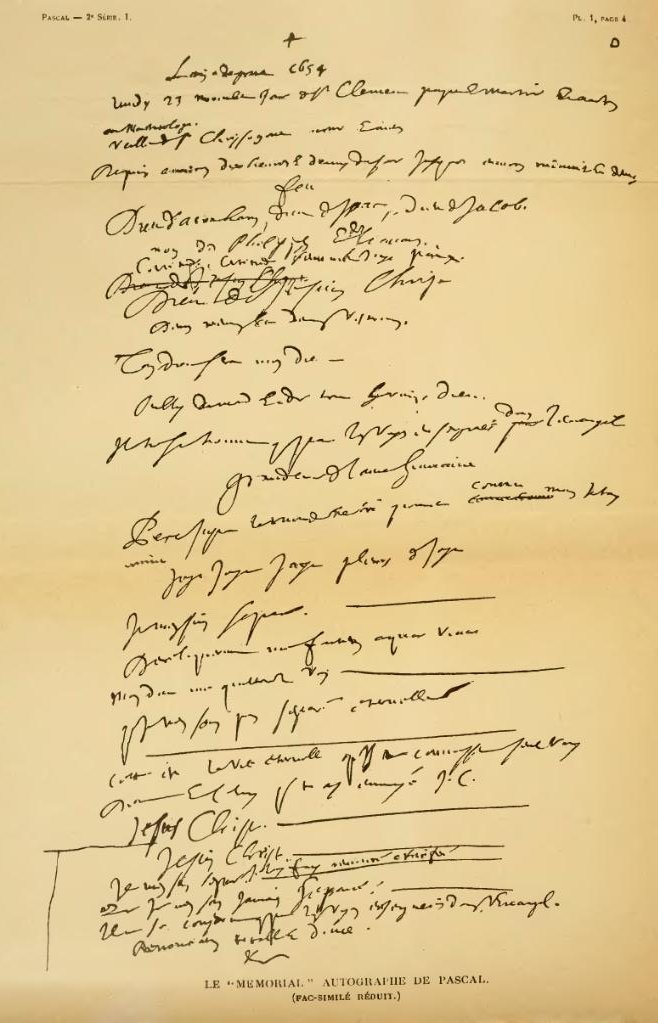
Le Mémorial
Blaise Pascal · 23 November 1654
 Letter
Primary source
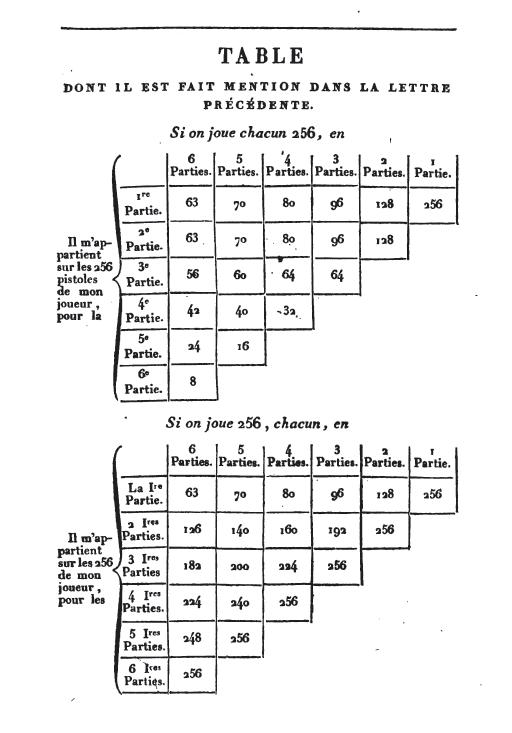
Fermat–Pascal correspondence
Blaise Pascal and Pierre de Fermat · 1654
Free account
Read every Blaise Pascal source
Sign up free →
Ready when you are
Start chatting with Blaise Pascal now.
20 messages free · No credit card · Available in 50+ languages.