


Secondary sourceDocumentc. 1706-1713
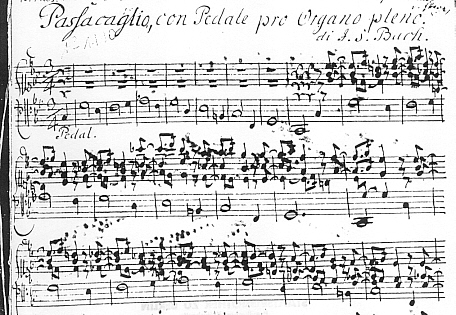
Passacaglia and Fugue in C minor, BWV 582
Johann Sebastian Bach · c. 1706-1713
A large-scale organ work by Johann Sebastian Bach built on a repeating bass line, followed by a double fugue.
One of Bach's major organ compositions, shown here in a later copy since his original manuscript is lost.
About this source
What it is
This is an organ piece composed by Johann Sebastian Bach, probably early in his career, between about 1706 and 1713. Bach's own manuscript is lost; the piece survives only through later copies, one of which is shown here.
The work has two parts: a passacaglia, which repeats a bass melody while building variations above it, and a fugue that follows without a break.
Why it matters
Scholars think Bach may have drawn ideas from composers such as André Raison, Dietrich Buxtehude and Johann Pachelbel, showing how he absorbed and transformed the music of others. It became one of his most admired organ works and influenced later composers who wrote their own passacaglias.
Look closer
- Why might a famous piece survive only in copies rather than in the composer's own hand?
- What does the detailed, repeated structure suggest about how Bach planned his music?
- What might be lost or changed when a piece is passed down through copies instead of an original manuscript?
This document is part of the curated material that grounds the AI version of Johann Sebastian Bach on Humy.ai — when students ask about related events, the AI can quote it and cite it.
More Johann Sebastian Bach sources
Meet the AI Johann Sebastian Bach →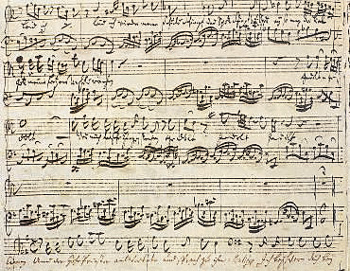 Book
Primary source
St Matthew Passion
Johann Sebastian Bach · 1727
 Book
Primary source
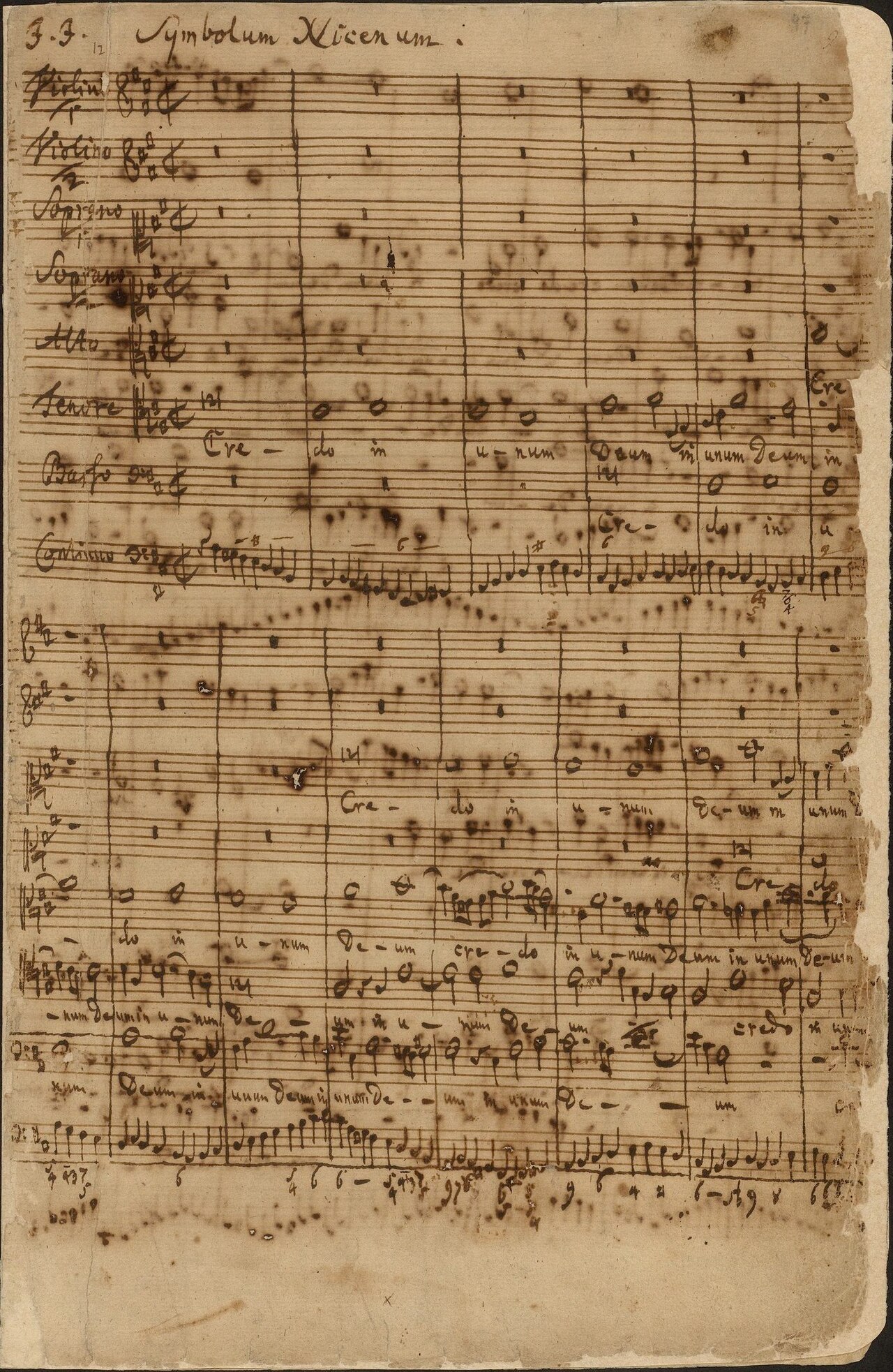
Mass in B minor
Johann Sebastian Bach · completed 1749
 Book
Primary source
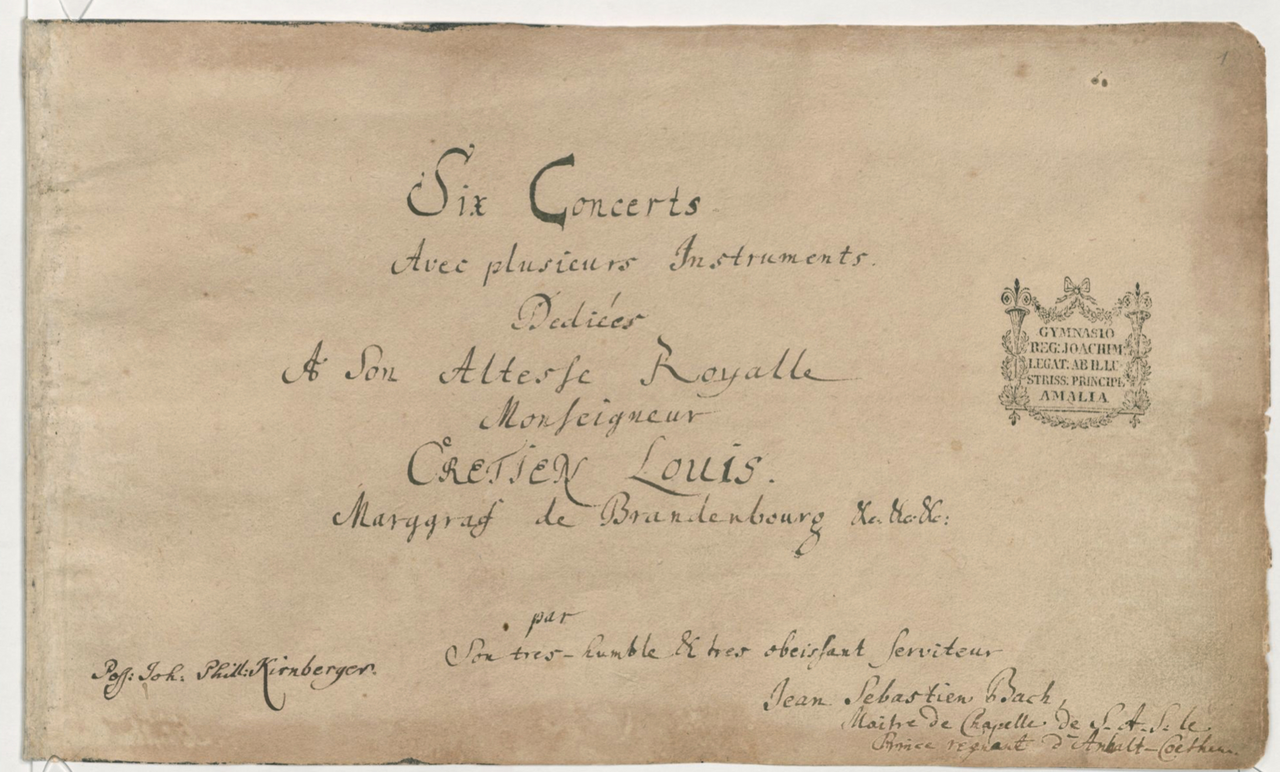
Brandenburg Concertos
Johann Sebastian Bach · 1721
 Book
Primary source
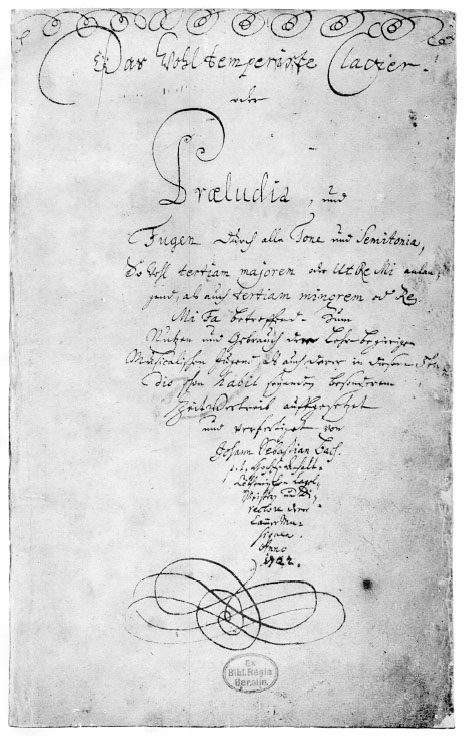
The Well-Tempered Clavier
Johann Sebastian Bach · 1722 (Book 1); 1742 (Book 2)
 Painting
Primary source
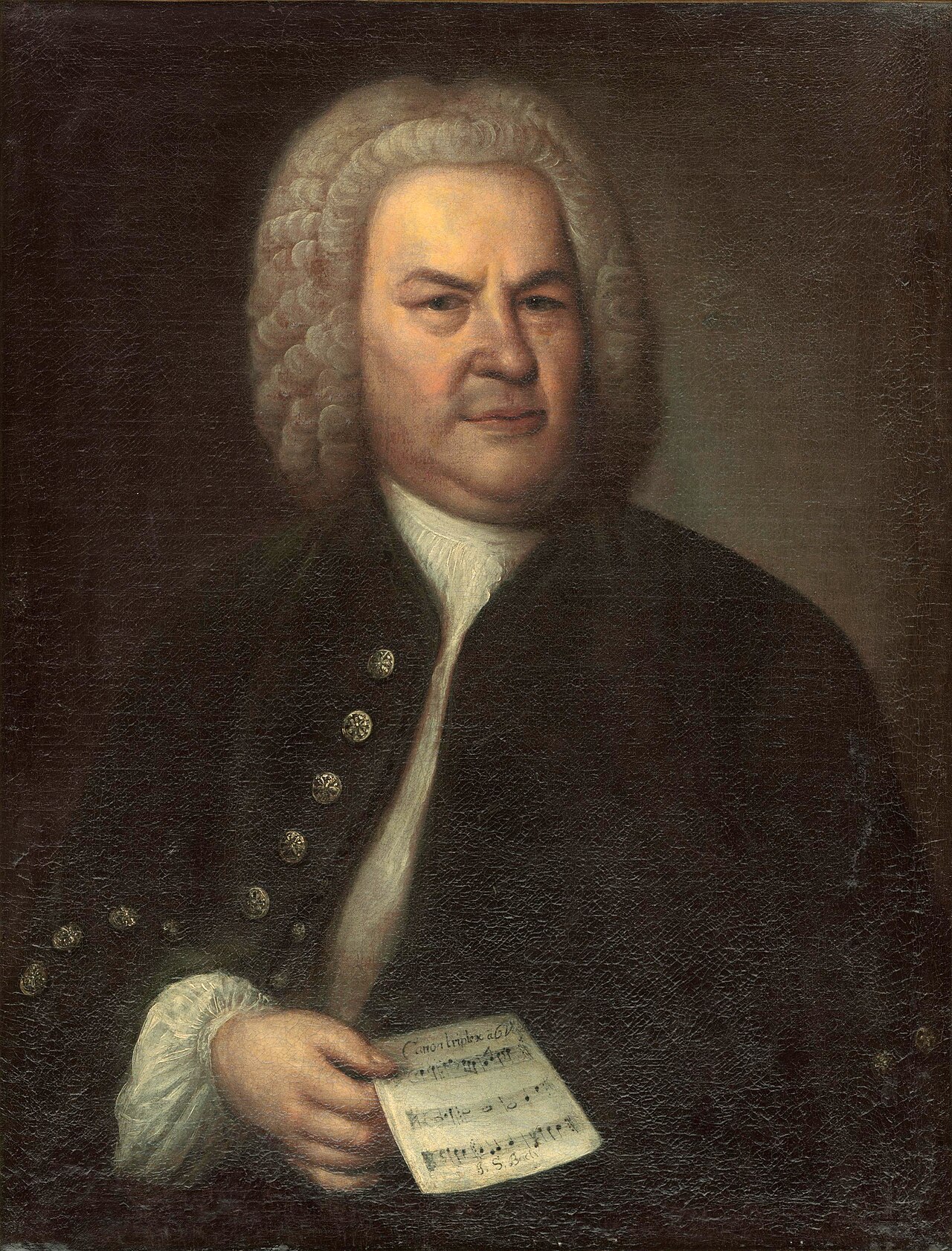
Portrait of Bach
Elias Gottlob Haussmann · 1746
Ready when you are
Start chatting with Johann Sebastian Bach now.
20 messages free · No credit card · Available in 50+ languages.