


Primary sourcePainting1912
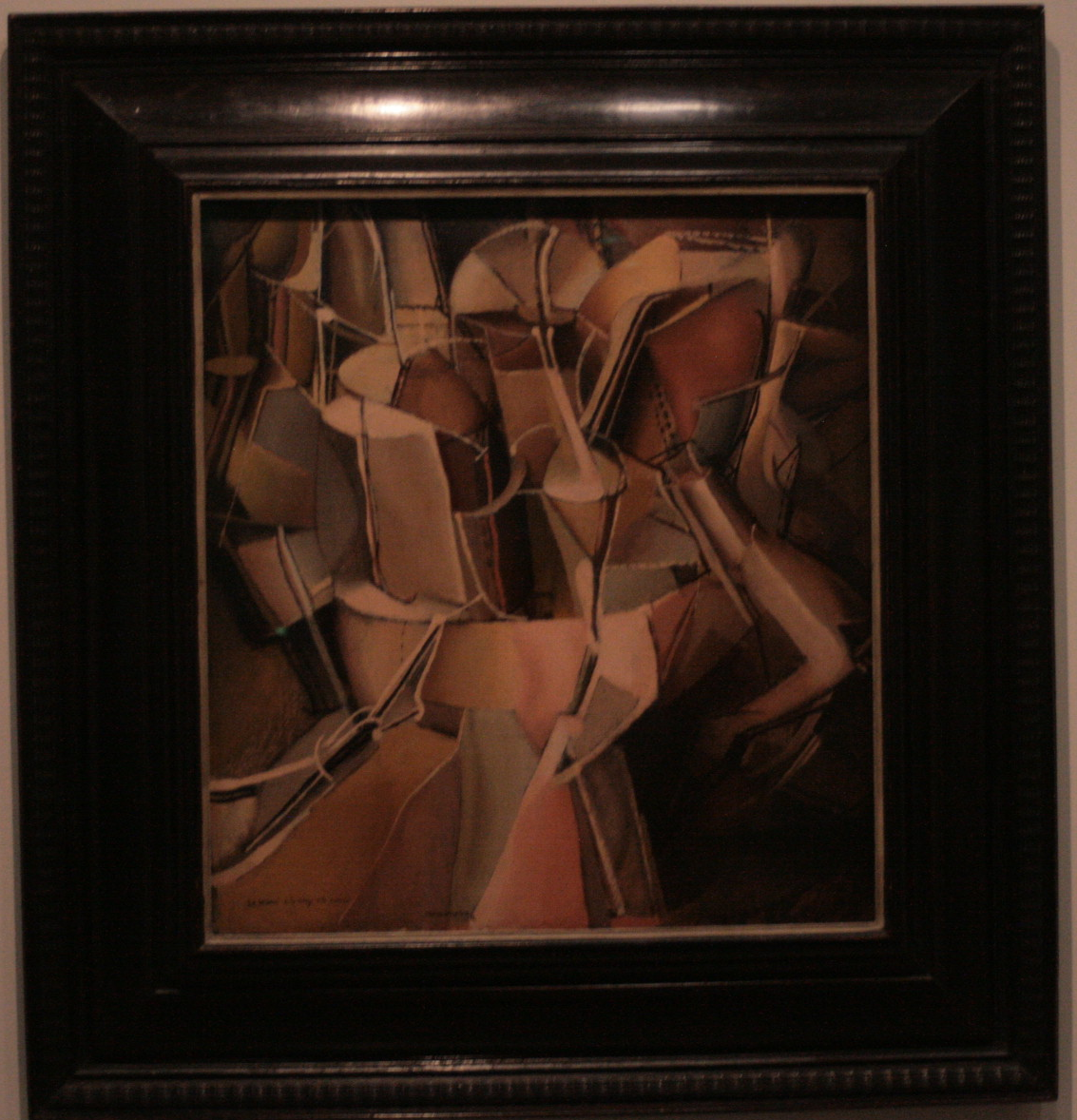
Passage from Virgin to Bride
Marcel Duchamp · 1912
A 1912 painting by Marcel Duchamp blending mechanical and fleshy forms to depict a psychological transformation.
Painted by Duchamp during his Munich period, part of his developing exploration of the 'Bride' theme.
About this source
What it is
Painted in Munich in 1912 by Marcel Duchamp, this work is now at the Museum of Modern Art. It shows overlapping angular and curved shapes in warm brown, ochre and pink tones, suggesting a figure in motion or transformation.
Why it matters
The painting represents a psychological change rendered through mechanical and bodily forms, connecting to Duchamp's ongoing fascination with the idea of the 'Bride' and the blending of human and machine imagery that runs through his early work.
Look closer
- What feelings or ideas do the overlapping shapes suggest to you?
- Why might Duchamp use machine-like forms to show something as personal as a 'transformation'?
This painting is part of the curated material that grounds the AI version of Marcel Duchamp on Humy.ai — when students ask about related events, the AI can quote it and cite it.
More Marcel Duchamp sources
Browse all 69 →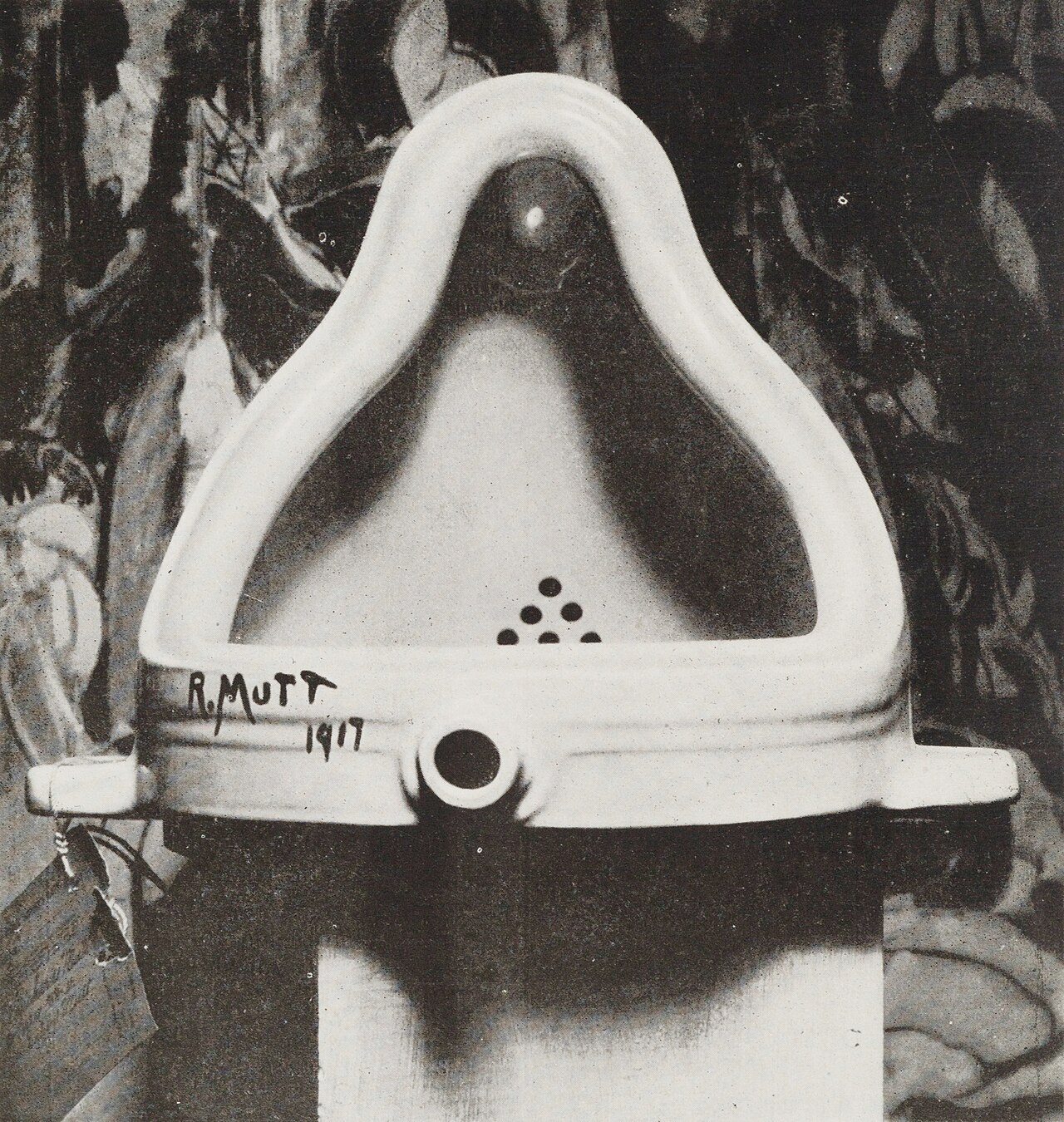 Sculpture
Primary source
Fountain
Marcel Duchamp · 1917
 Sculpture
Primary source
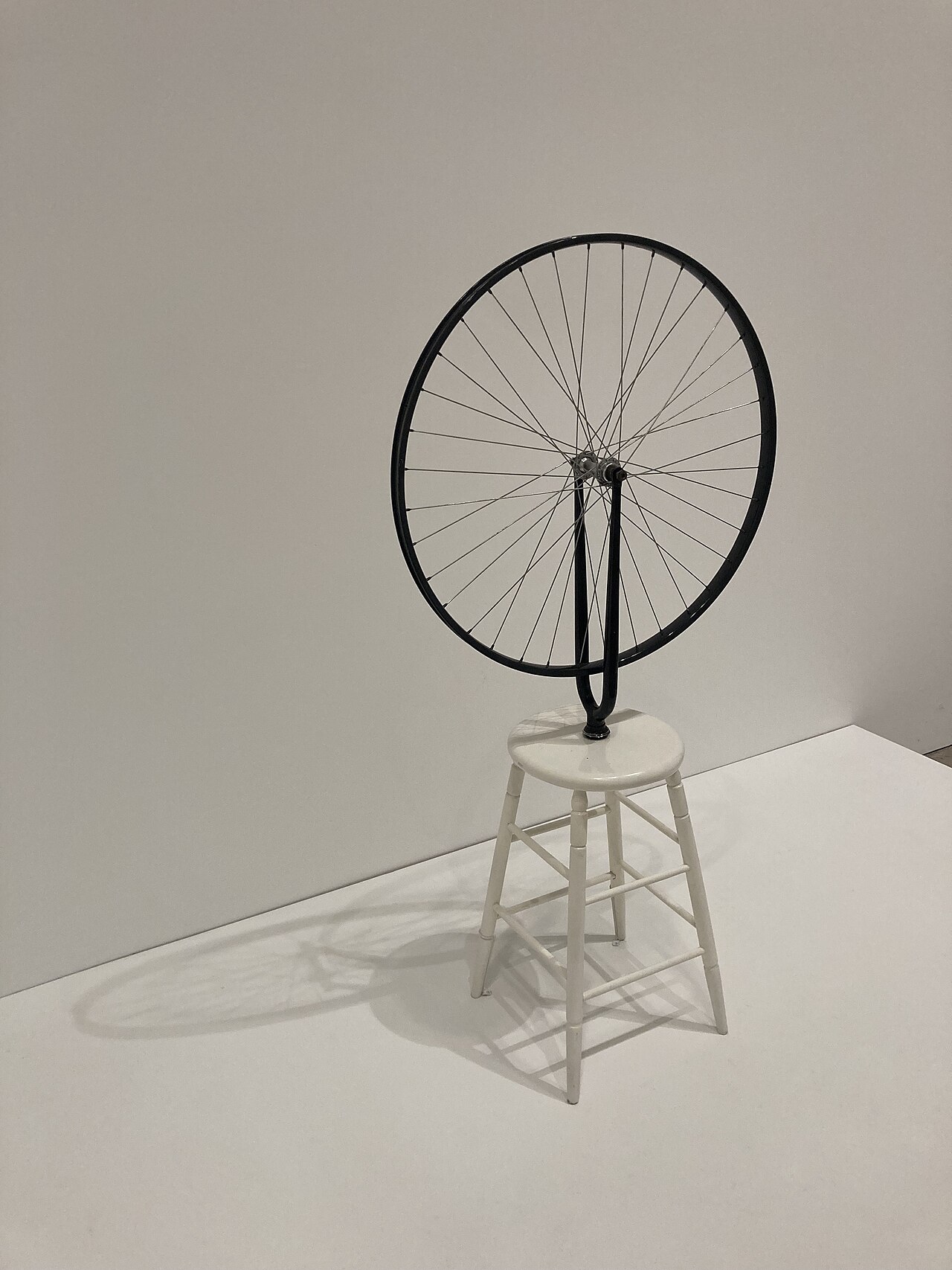
Bicycle Wheel
Marcel Duchamp · 1913
 Photograph
Primary source
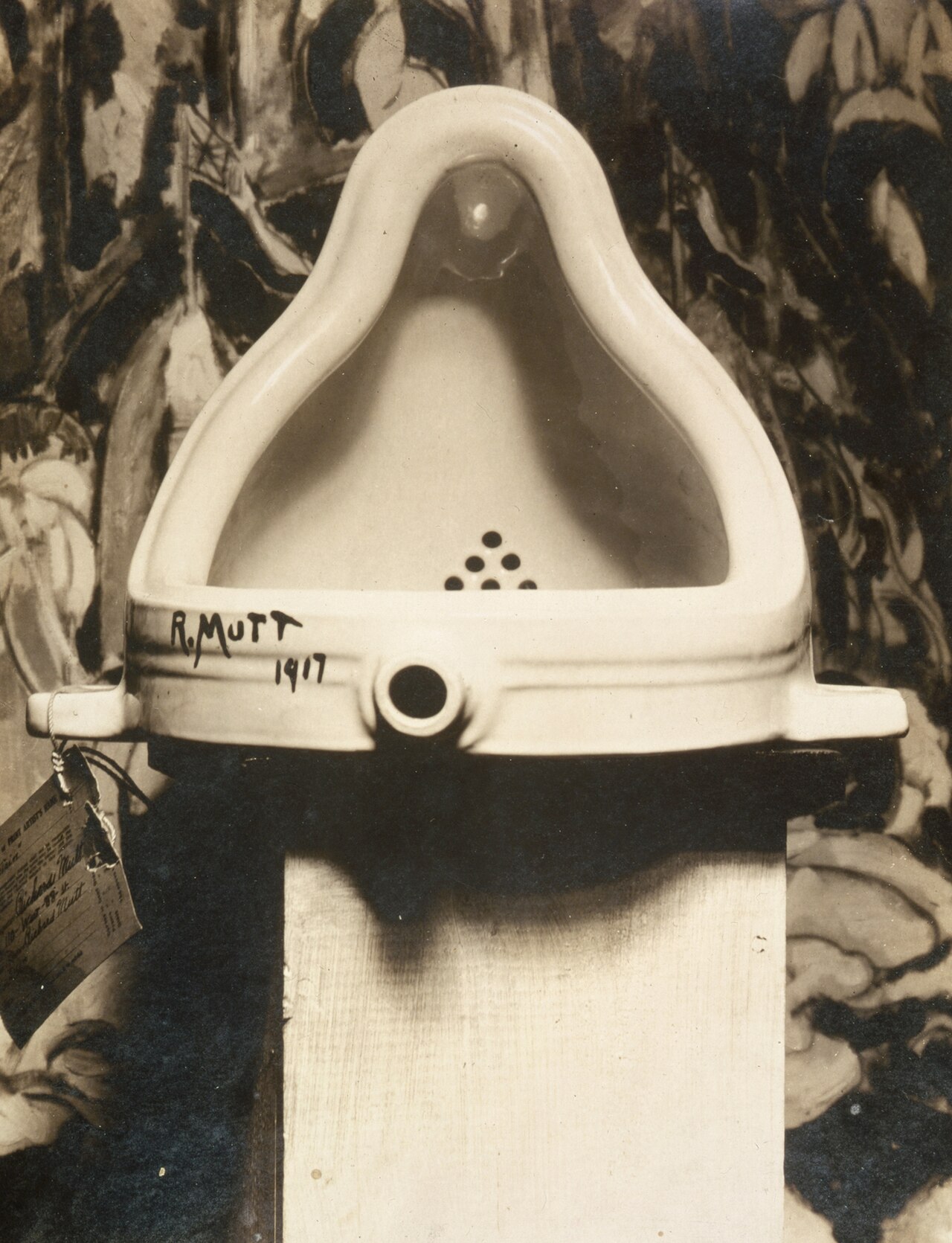
Photograph of Fountain by Alfred Stieglitz
Alfred Stieglitz · 1917
 Artifact
Primary source
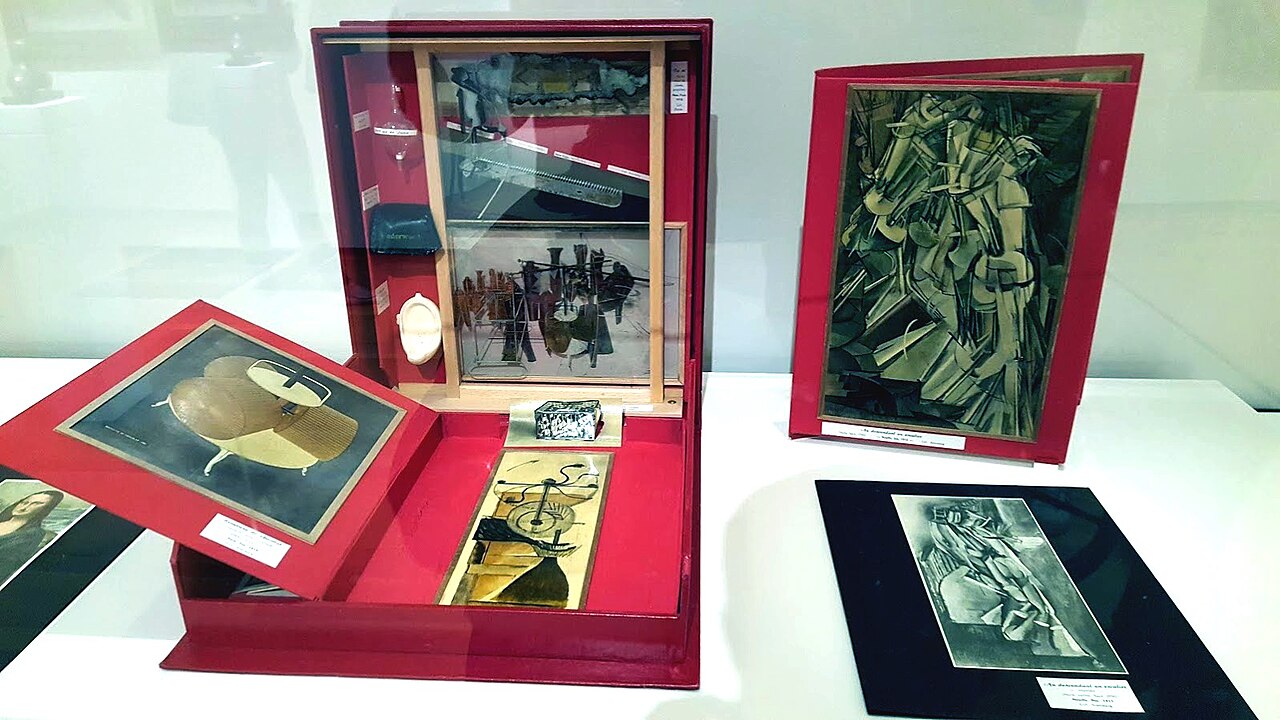
Box in a Valise
Marcel Duchamp · 1936
Free account
Read every Marcel Duchamp source
Sign up free →
Ready when you are
Start chatting with Marcel Duchamp now.
20 messages free · No credit card · Available in 50+ languages.