


Secondary sourceArtifact1564
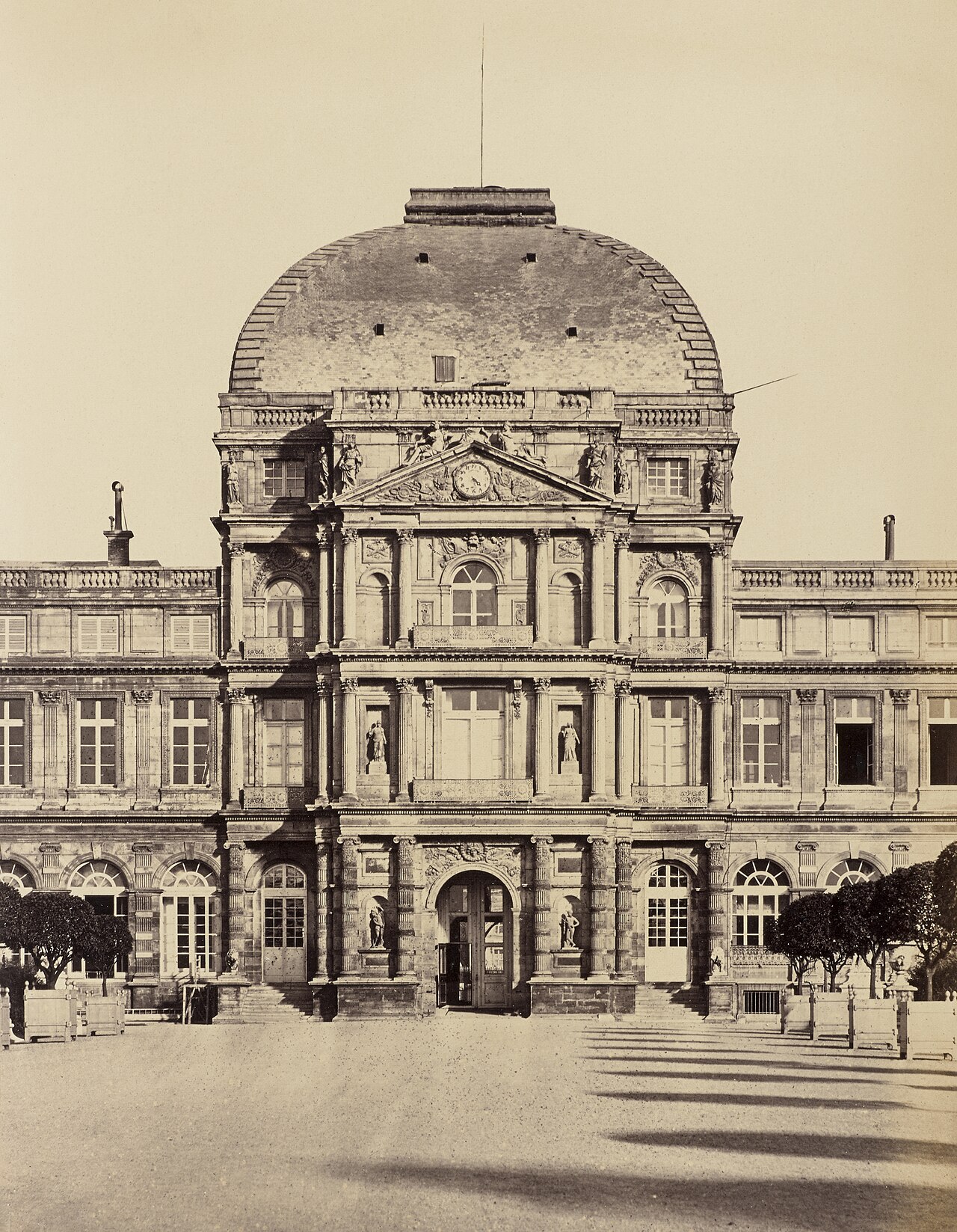
Pavillon de l'Horloge
1564
A surviving pavilion from the Tuileries Palace area that Catherine de' Medici began building in 1564 as her own residence.
Catherine commissioned this pavilion in 1564 as part of her own residence, showing her role as an architectural patron.
About this source
What it is
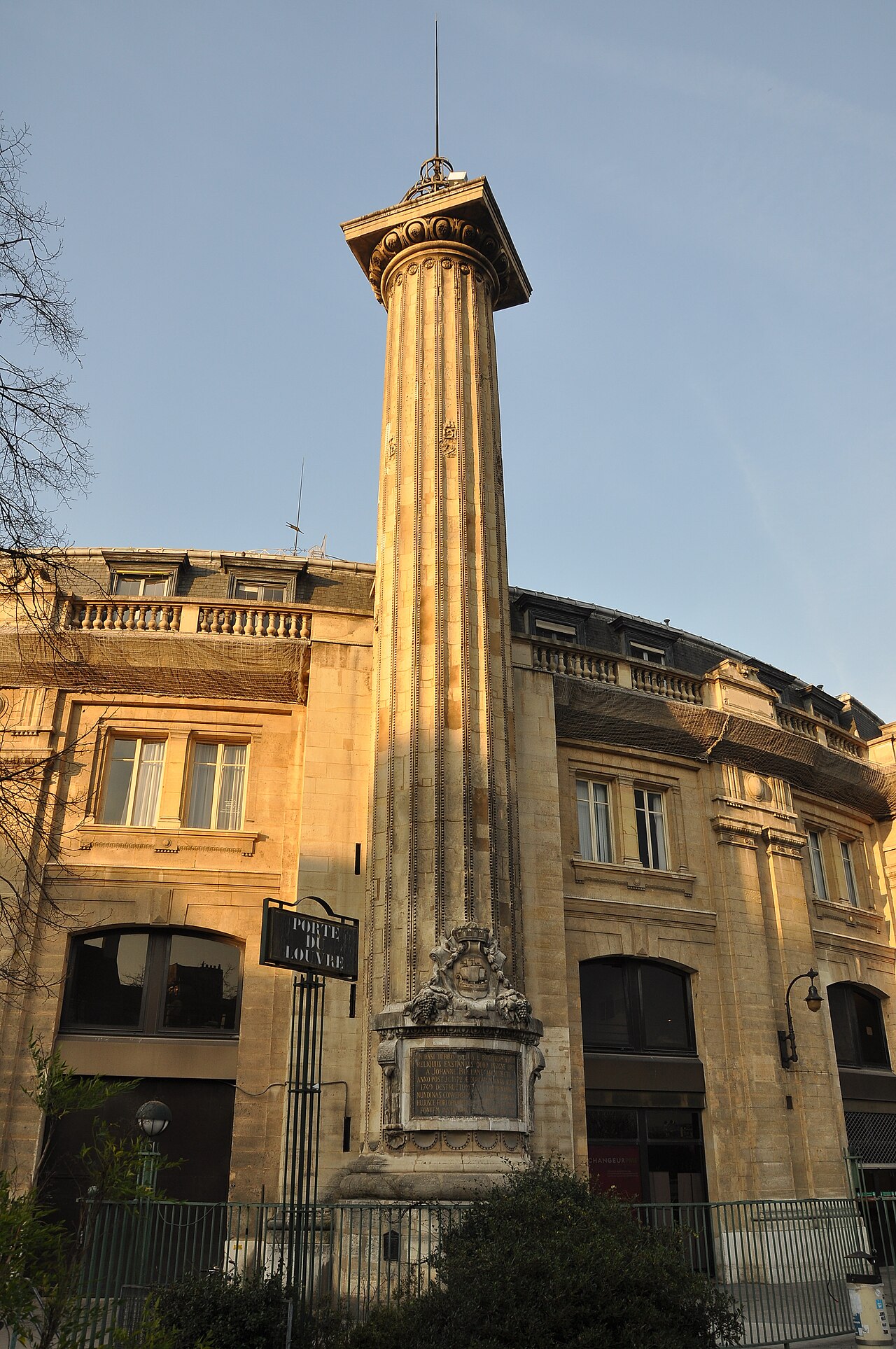
The Pavillon de l'Horloge is a stone pavilion with a domed roof and a central clock, part of the area of the Tuileries Palace in Paris. Catherine de' Medici began this building project in 1564 to create her own residence.
Why it matters
As queen and later regent of France, Catherine had the resources and authority to commission major architectural works. The Tuileries project shows her ambitions as a builder and patron, shaping the city of Paris and leaving a physical legacy of her power that outlasted her own lifetime.
Look closer
- What details in the photograph (statues, clock, windows) suggest this was built for someone powerful?
- Why might a queen want to build her own separate residence rather than live only in existing palaces?
- What does the survival of this pavilion tell us about how later generations valued or reused royal buildings?
This artifact is part of the curated material that grounds the AI version of Catherine de' Medici on Humy.ai — when students ask about related events, the AI can quote it and cite it.
More Catherine de' Medici sources
Browse all 65 →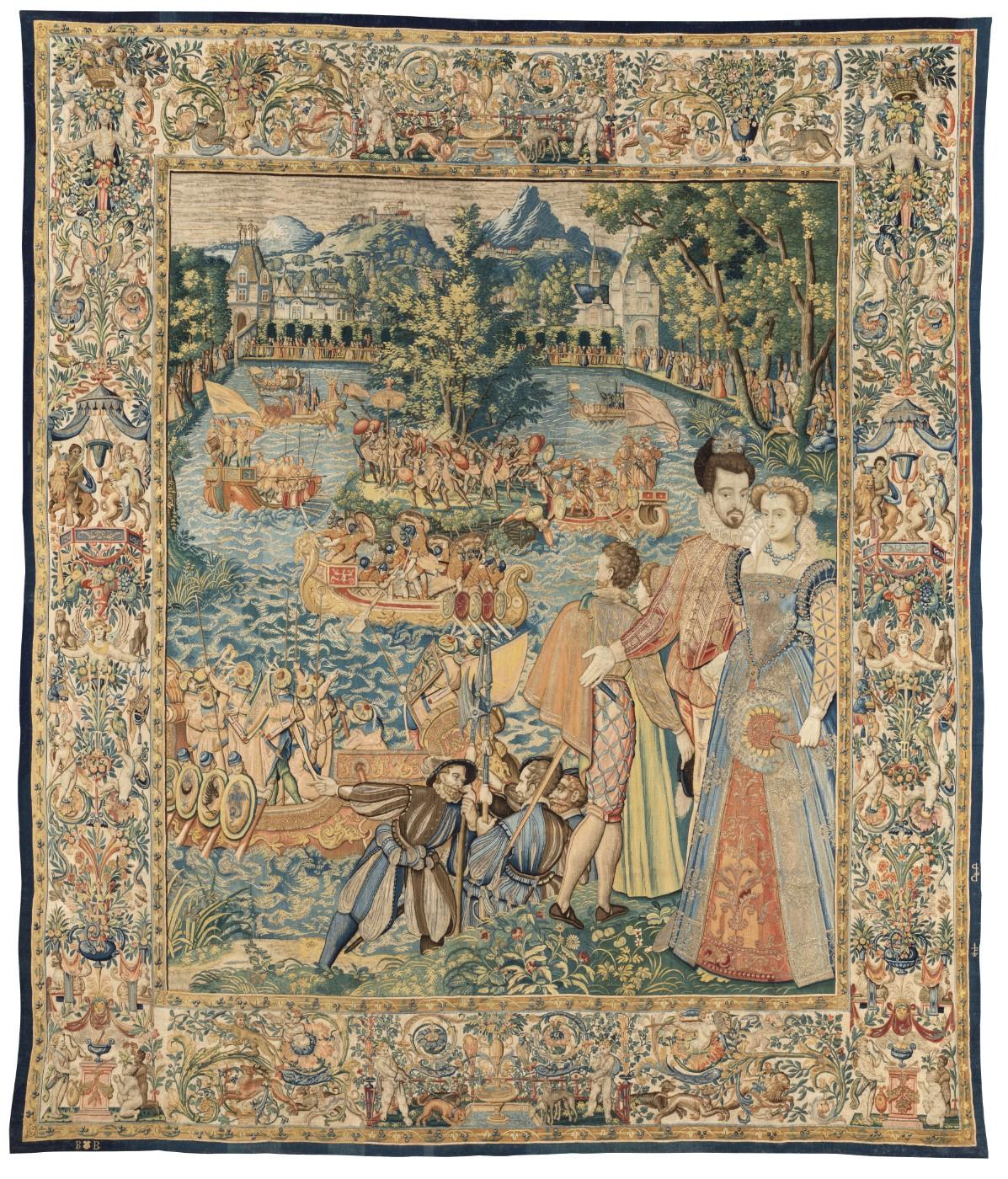 Artifact
Primary source
Valois Tapestries
Workshop after designs by Antoine Caron · 1575
 Artifact
Primary source
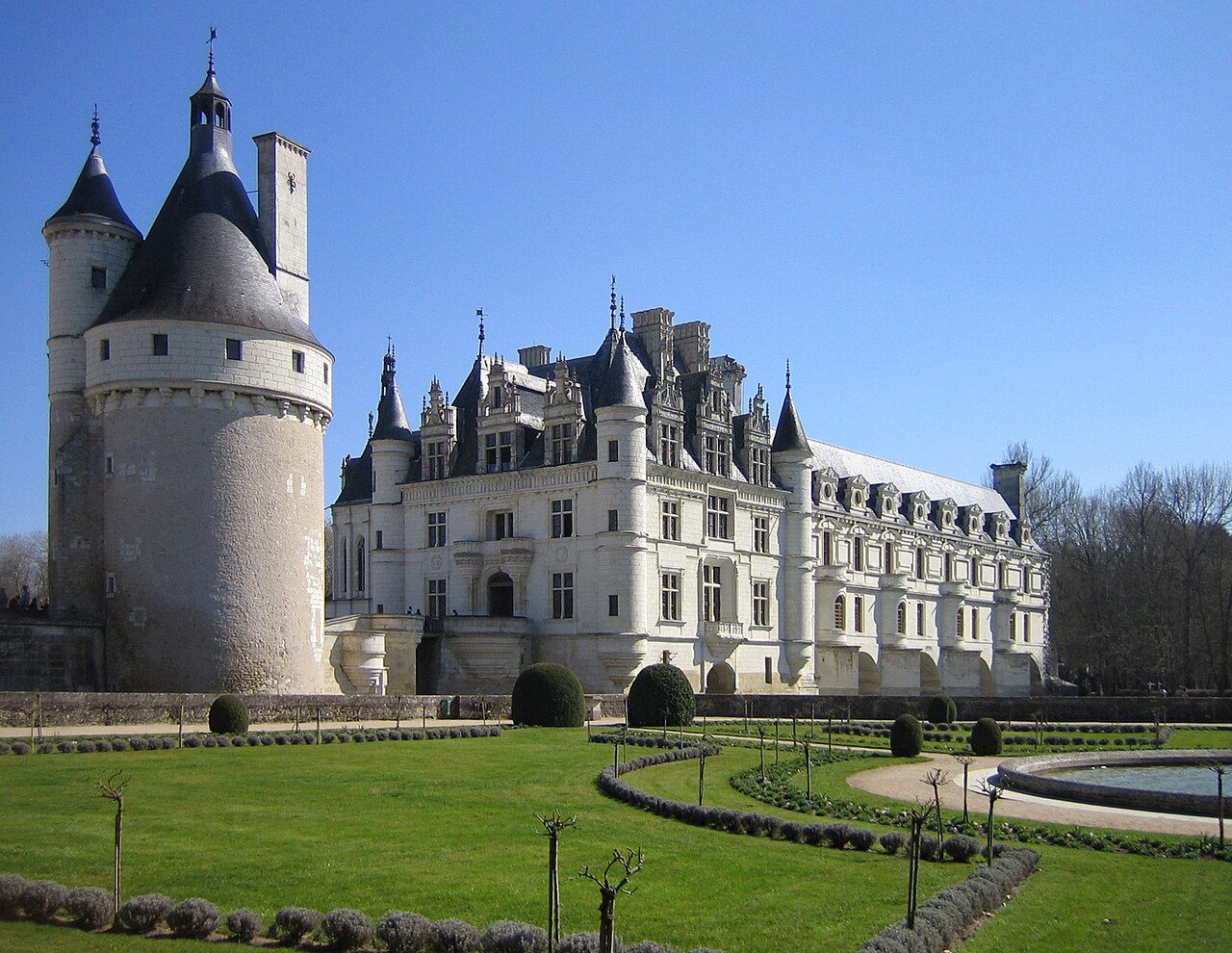
Château de Chenonceau
1411 (estate first mentioned); château built 1514-1522, gallery 1570-1576
 Painting
Primary source
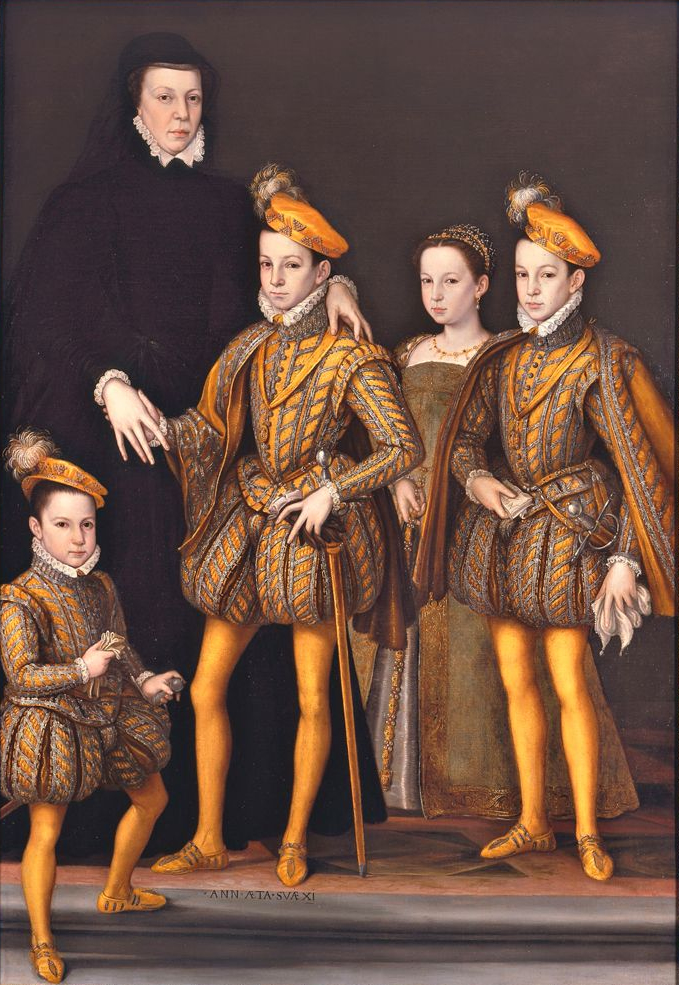
Catherine de' Medici and her children
Workshop of François Clouet · 1561
 Painting
Primary source
Catherine de Médicis
Corneille de Lyon · 1536


Free account
Read every Catherine de' Medici source
Sign up free →
Ready when you are
Start chatting with Catherine de' Medici now.
20 messages free · No credit card · Available in 50+ languages.