


Primary sourcePaintingc. 1915
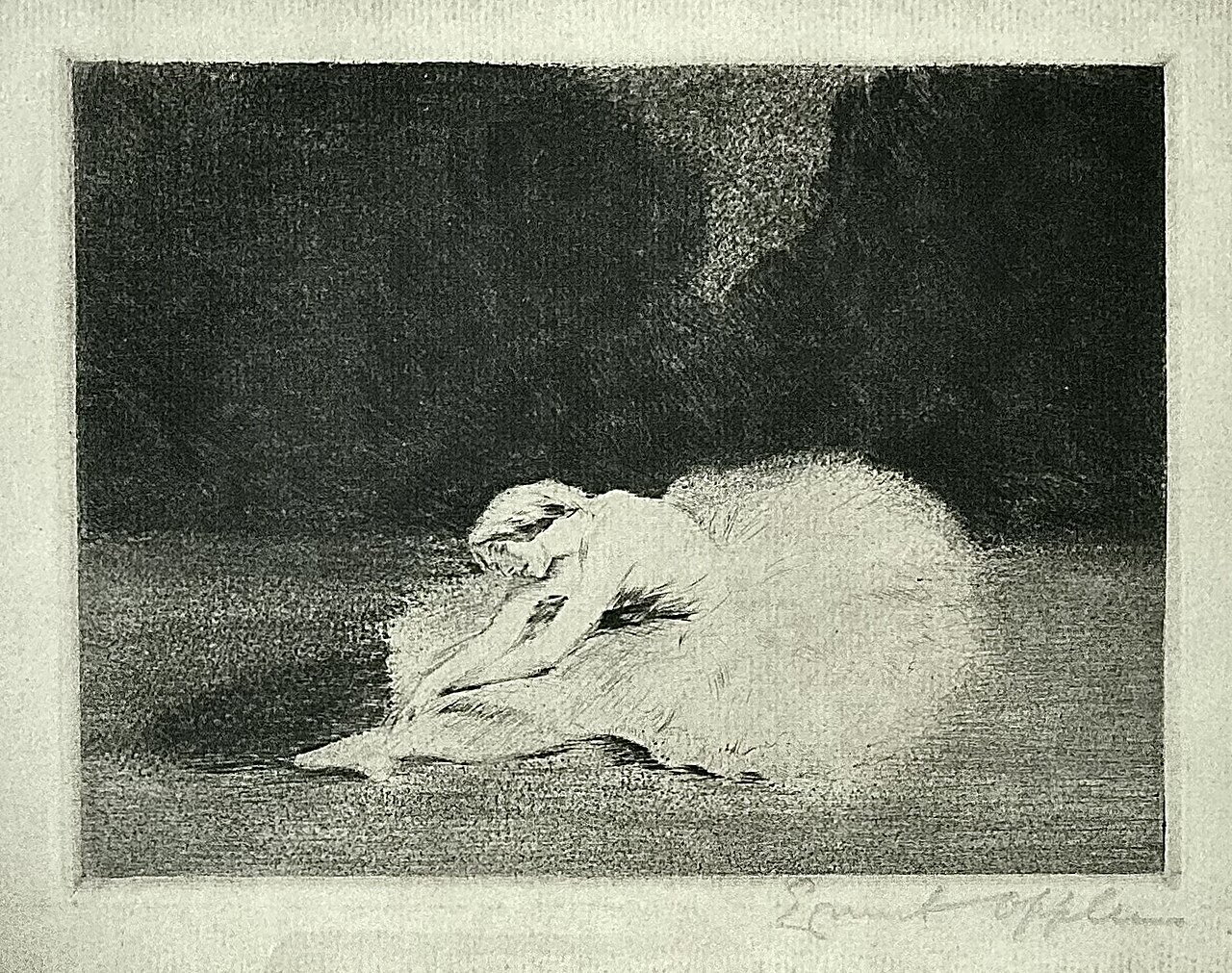
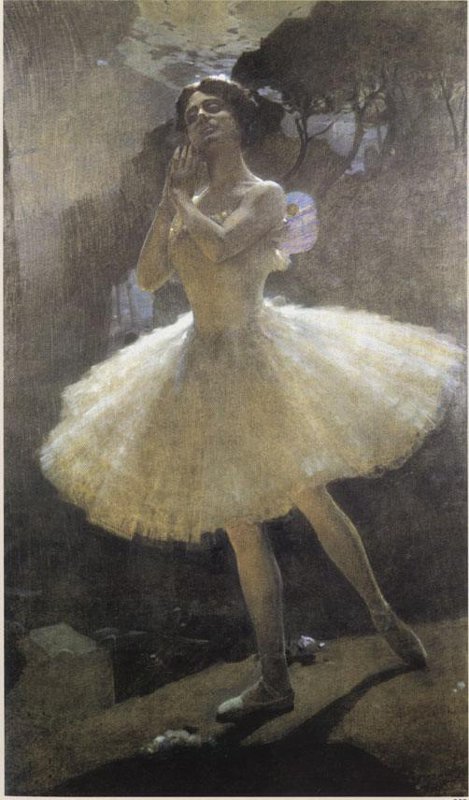
Pavlova as the Dying Swan (second study)
Ernst Oppler · c. 1915
A second Oppler print of Pavlova in The Dying Swan, showing her collapsed in the role's closing pose.
A second contemporary depiction of Pavlova's famous Dying Swan role, showing its final pose.
About this source
What it is
This etching by Ernst Oppler, made around 1915, shows a ballerina in white costume collapsed on the floor, head bowed, with tulle spread around her. It depicts Anna Pavlova in her famous role, the dying swan, from the end of her performance.
Why it matters
Oppler made more than one image of Pavlova in this role, showing how closely artists of his time studied her movement. Together with similar works, this print helps show why Pavlova's performance became such a lasting symbol in the history of ballet.
Look closer
- How does this pose differ from an earlier image of the same role?
- What mood does the collapsed pose and spread costume create?
- Why might an artist return to sketch the same subject more than once?
This painting is part of the curated material that grounds the AI version of Anna Pavlova on Humy.ai — when students ask about related events, the AI can quote it and cite it.
More Anna Pavlova sources
Meet the AI Anna Pavlova →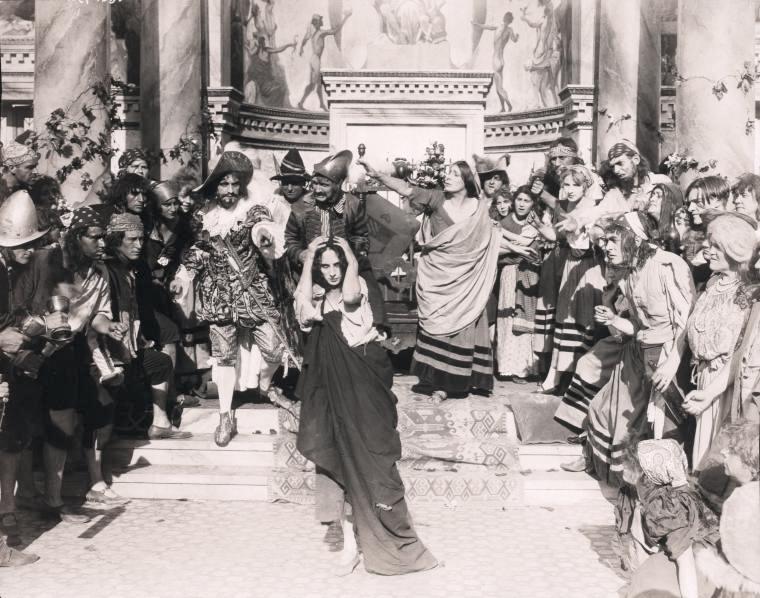 Documentary
Primary source
The Dumb Girl of Portici
Lois Weber and Phillips Smalley · 1916
 Painting
Primary source
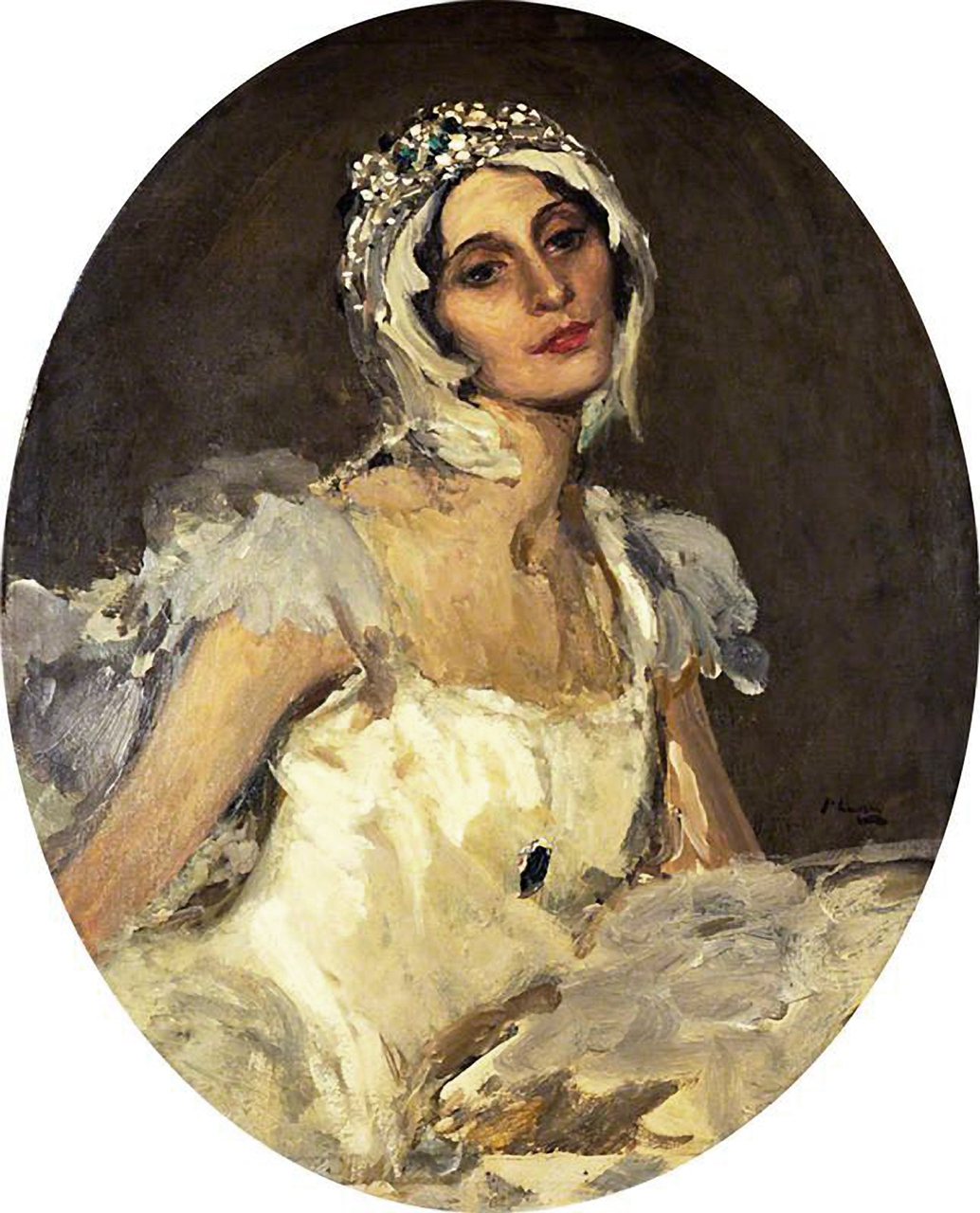
Anna Pavlova as 'The Dying Swan'
John Lavery · 1911
 Photograph
Primary source
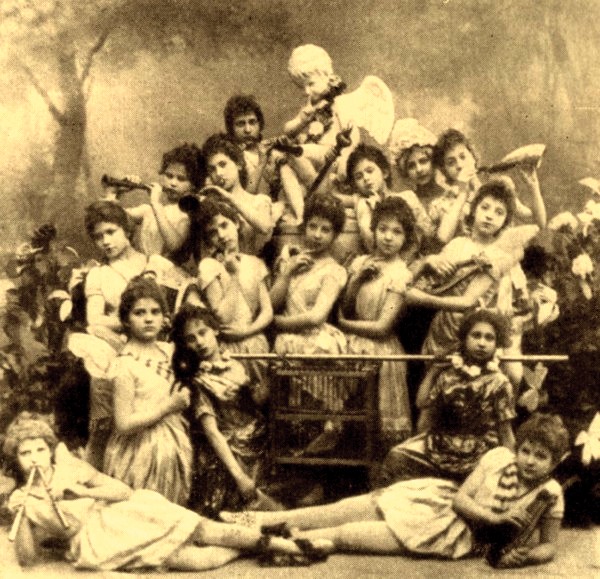
Fairy Tale - Students of the Imperial Ballet School, 1891
Unknown photographer of the Imperial Mariinsky Theatre · 1891
 Painting
Primary source
Anna Pavlova as Giselle
Alfred Eberling · 1906
PaintingPrimary source
Anna Pavlova
John Lavery · 1911
Ready when you are
Start chatting with Anna Pavlova now.
20 messages free · No credit card · Available in 50+ languages.