


Secondary sourcePainting1929
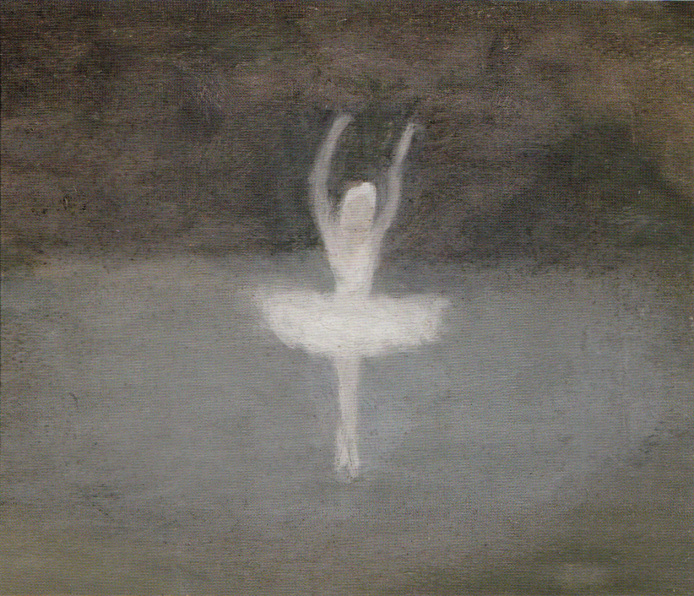
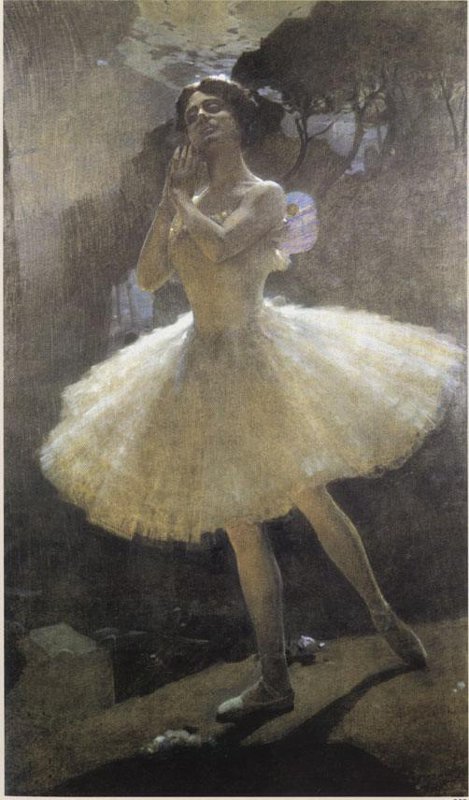
Pavlova, Dying Swan
Clarice Beckett · 1929
A painting by Clarice Beckett, dated 1929, showing Pavlova in her signature role as a small pale ballerina on tiptoe. It was made after Pavlova's peak as a dancer.
Shows Pavlova in her signature role of the Dying Swan, painted by a later artist who recalled her image after her peak.
About this source
What it is
This is a painting by Clarice Beckett, dated 1929, titled 'Pavlova, Dying Swan'. It shows a small, pale ballerina in a white tutu, her arms raised overhead and her body on tiptoe. The background is dim, muted grey-brown, and the brushwork is soft and blurred. The record describes the image from its media description, and the work is not described in detail beyond this.
Why it matters
The Dying Swan was Pavlova's signature role, and Beckett painted her in it after Pavlova had reached the height of her fame. Artists who painted dancers in later years show how Pavlova's image lasted beyond her own stage career. The soft, blurred style also reflects how an artist in this period might choose to show movement and mood rather than sharp detail.
Look closer
- How does the blurred brushwork and dim background change the way the dancer looks?
- Why might a painter choose to show a dancer alone against a dark background?
- What does this painting leave out, such as the audience or the music of the role?
This painting is part of the curated material that grounds the AI version of Anna Pavlova on Humy.ai — when students ask about related events, the AI can quote it and cite it.
More Anna Pavlova sources
Meet the AI Anna Pavlova →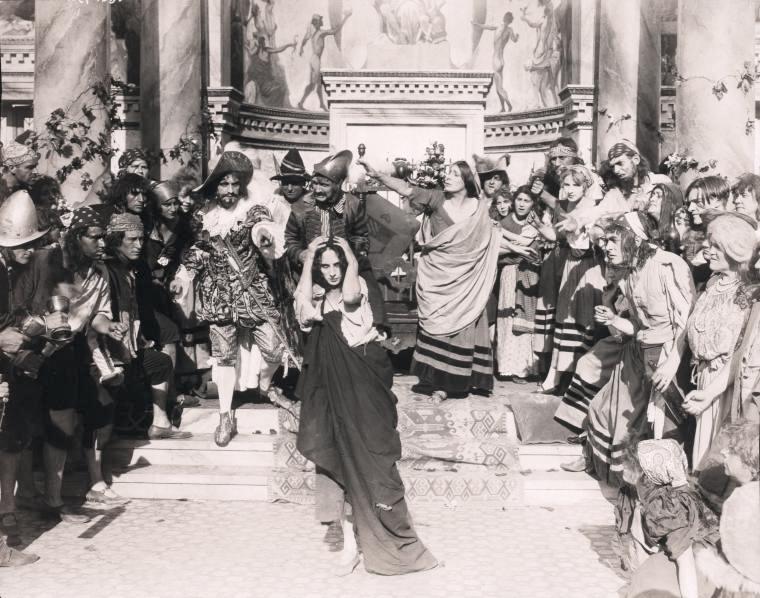 Documentary
Primary source
The Dumb Girl of Portici
Lois Weber and Phillips Smalley · 1916
 Painting
Primary source
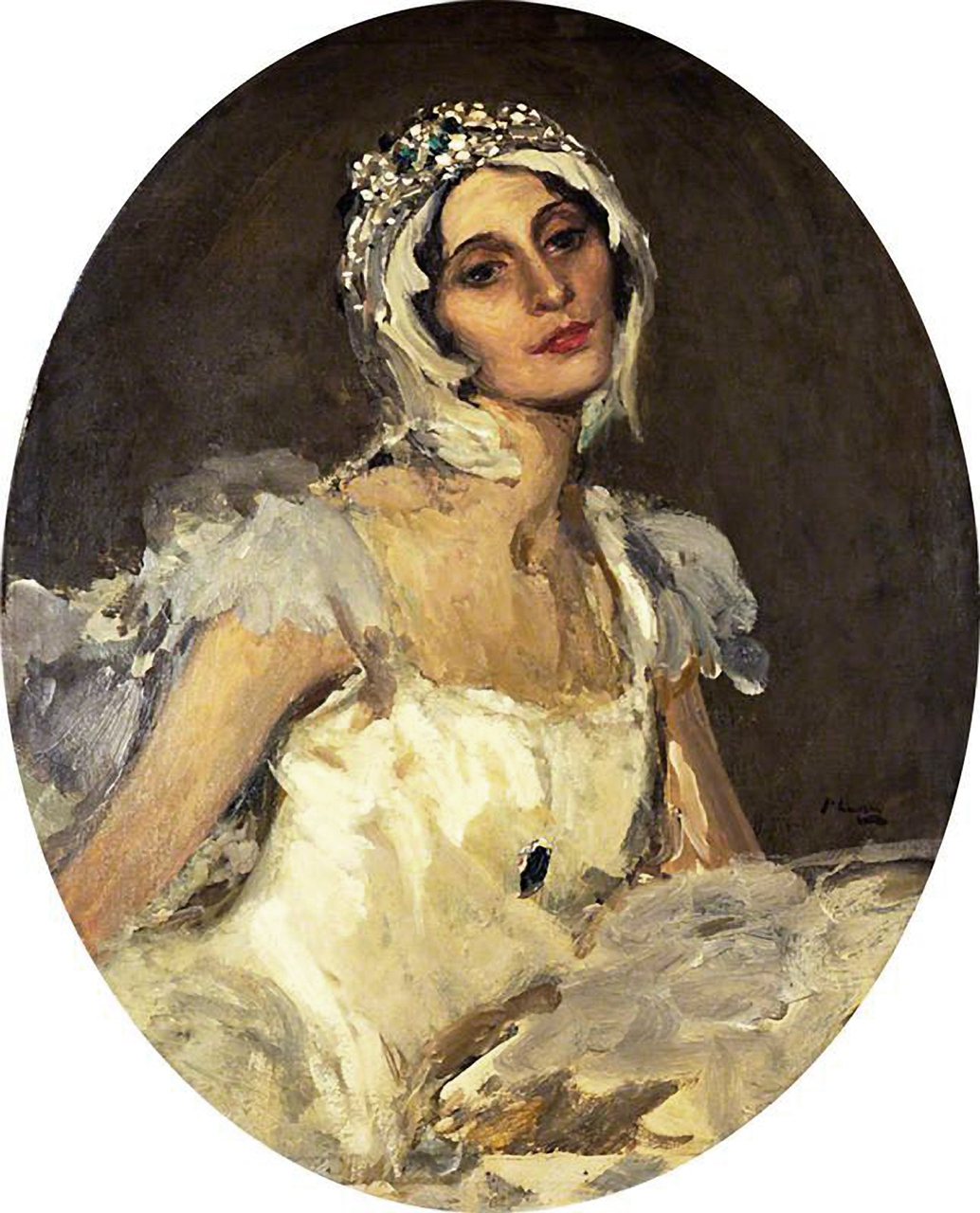
Anna Pavlova as 'The Dying Swan'
John Lavery · 1911
 Photograph
Primary source
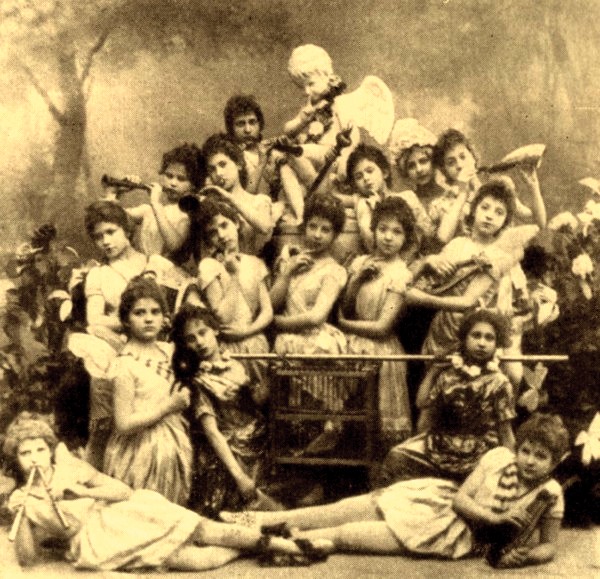
Fairy Tale - Students of the Imperial Ballet School, 1891
Unknown photographer of the Imperial Mariinsky Theatre · 1891
 Painting
Primary source
Anna Pavlova as Giselle
Alfred Eberling · 1906
PaintingPrimary source
Anna Pavlova
John Lavery · 1911
Ready when you are
Start chatting with Anna Pavlova now.
20 messages free · No credit card · Available in 50+ languages.